
Review · UPPER MUSTANG & REMOTE TREKS
Upper Mustang Tiji Festival Trek 2024 – 18 Days
The route to Lo Manthang isn’t just a hike. It’s timed to the Tiji Festival, when monks perform ritual dances in a walled kingdom that feels a world away from typical Nepal travel.
I love how the plan builds altitude in stages and gives you daily time in villages, monasteries, and viewpoints. You’ll also get Tiji Festival access in Lo Manthang, with three separate festival days built into the middle of the trek.
One consideration: Upper Mustang is remote and dry, and the altitude adds up (including a high pass). If you’re not comfortable with long hiking days and thin air, this one may feel demanding even with a moderate pace.
In This Review
- Key highlights to look for
- Tiji Festival in late May: the real reason this trek feels special
- Price and what $2,500 buys you in real trekking terms
- Kathmandu and Pokhara: using the easy days wisely
- From Pokhara to Kagbeni: the jump into Upper Mustang culture
- Tsaile to Taklam La Pass and Ghiling: where the trek turns serious
- Dhakmar and the final approach to Lo Manthang
- Lo Manthang during Tiji: three days, three different vibes
- The return loop: Ghiling, Ghar Gompa rock paintings, and dusty wind
- Chhuksang salt mine to Muktinath: from dry monasteries to pilgrimage energy
- Kaligandaki river walk to Jomsom: easier hiking near the end
- Flights home and a good farewell dinner in Kathmandu
- Who this trek is best for (and who should think twice)
- The kind of guidance that makes remote treks work
- Should you book Upper Mustang Tiji Festival Trek 2024?
- FAQ
- What is the meeting point and start time?
- Is airport pickup included?
- What flights are included?
- What permit or access is included for Upper Mustang?
- Are meals included during the trekking portion?
- What festival experience does the trek include?
Key highlights to look for
- Tiji Festival in Lo Manthang: Three days of monks’ ritual dances in front of Choedhe monastery
- Restricted Upper Mustang permit included: You’re covered for the part that needs paperwork
- Flights that save time: Kathmandu–Pokhara and Pokhara–Jomsom routing reduces long transfers
- A real loop through Mustang villages: Kagbeni, Tsaile, Ghiling, Dhakmar, Chhuksang, and more
- Cultural stops beyond scenery: Choedhe Gompa, Namgyal Gompa, Chhosar Cave, and Ghar Gompa rock paintings
- Muktinath + Kaligandaki river walking: Adds a spiritual and easier walking day near the end
More trails out of Kathmandu, boots ready
- Everest Base Camp Trek – 14 Days★ 5.0 · 1,499 reviews
- Everest Base Camp Trek★ 5.0 · 842 reviews
- Everest Base Camp Trekking★ 5.0 · 485 reviews
- Nagarkot Sunrise View and Day Hiking from Kathmandu★ 5.0 · 471 reviews
Tiji Festival in late May: the real reason this trek feels special
Upper Mustang draws trekkers because it’s remote and regulated—this is the last walled-in “forbidden” kingdom feeling, with a distinct culture that’s older in spirit than the modern world around it. The special twist here is that your timing lines up with the Tiji Festival, an annual three-day event celebrated in Lo Manthang in front of Choedhe monastery, where monks perform ritual dances.
The festival story centers on Dorje Jono and his demon father, Dorje Jono battling the demon father to protect the kingdom from destruction. That matters on the ground, because you’re not just passing through—you’re staying long enough to experience the rhythm of the festival as part of village life.
A practical note: the tour data says the festival happens at the end of May, and it also flags that exact festival dates can matter. For a 2024 departure, you’ll want your operator to confirm the festival schedule for your specific week, so you don’t accidentally arrive after the main ritual days.
Price and what $2,500 buys you in real trekking terms
At $2,500 per person for about 18 days, the cost isn’t just “walking services.” You’re paying for several big-ticket items built into the plan: the Upper Mustang restricted area permit, multiple domestic flights, and full board during the trekking days.
Specifically, the trip includes:
- Guide support (salary, food, accommodation, insurance)
- Meals during the trek (breakfast, lunch, dinner)
- Kathmandu–Pokhara–Kathmandu flights, plus Pokhara–Jomsom–Pokhara flights
- Private vehicle Kathmandu sightseeing
If you’ve ever pieced together a Mustang trek yourself, you know permits, route planning, and transport can quietly inflate the final bill. Here, much of that admin is already handled—so you can spend your attention on altitude, packing, and enjoying the villages.
Two items aren’t included: lunch and dinner in Kathmandu and Pokhara, and temple/monastery entry fees during sightseeing there. That’s normal for Nepal tours, but it’s worth budgeting a bit so you aren’t surprised when you arrive in Kathmandu for sightseeing days.
Kathmandu and Pokhara: using the easy days wisely
Your trip starts in Kathmandu with an airport meet-up and a transfer to a pre-booked hotel. Timing matters: the meeting point lists 6:15 am at Tribhuwan International Airport, so plan to arrive early enough to handle lines, baggage, and getting everyone together without stress.
Day 2 is Kathmandu Valley UNESCO sightseeing by private vehicle, with stops including Basantapur Durbar Square, Monkey Temple, Boudhanath Stupa, and Pashupatinath Temple. This is a great “wake-up” day: you get cultural anchor points right away before the trek turns quiet and remote.
Then you fly to Pokhara for a calmer start—about a short flight, followed by time around Phewa Lake and a visit to Tal Barahi Temple. If you want to protect your legs and lungs for Mustang, this is the right kind of day: walking is light, the views are rewarding, and you’re not dealing with thin-air altitude yet.
One consideration: temple and monastery entry fees in Kathmandu and Pokhara aren’t included. Some spots may be pay-to-enter, so bring a bit of cash just in case.
From Pokhara to Kagbeni: the jump into Upper Mustang culture
The transition day is a small leap of logistics that makes a huge difference in how the trek feels. You fly from Pokhara to Jomsom, then begin trekking to Kagbeni for a hike of about 3–4 hours.
Kagbeni is a good first “Mustang reality check.” You’re in a dry, wind-shaped landscape, surrounded by village life and ancient Buddhist monastery structures. Your evening here matters because it helps you settle in—slowly getting used to the pace before longer hiking days start stacking.
Then the real build begins: the trail continues from Kagbeni toward Tsaile. On this stretch, you pass Tangbe (3060 m), Tetang (3040 m), and Chhuksang (2980 m), with lunch in Chhuksang. These altitude numbers aren’t trivia; they explain why this trek can feel like it “works” even if you’re not rushing. You get repeated exposure to elevation without a single day that nukes your energy.
Practical tip: pack for layers. Upper Mustang can be cold early and warm later, and wind can make everything feel harsher than the temperature suggests.




Tsaile to Taklam La Pass and Ghiling: where the trek turns serious
After reaching Tsaile, the trek pushes into more demanding terrain: steep, treeless, dry stretches. You climb above Samar village, descend into a huge gorge, then move along another valley with junipers and streams—then climb again to a ridge around 3800 m.
This is the kind of day where the altitude and exposure combine. You’ll cross through plateaus and narrow stretches with views mentioned in the route plan, including Damodar Danda, Yakawa Kang, and Tilicho Peak. Whether you see every named peak clearly depends on weather, but the point is the same: your walking goes through big open air.
The day includes crossing Taklam La Pass (3,624 m) and then a steep drop into Ghiling, where you’ll see the whitewashed monastery-like structures that give Mustang its distinct look. It’s a satisfying finish because Ghiling feels like a village rather than a waypoint, so you can rest with context.
If you’re prone to getting winded at altitude, this is a day to keep your effort steady. Go slower than you think you need to; it usually pays off later.
Dhakmar and the final approach to Lo Manthang
From Ghiling, the plan moves toward Dhakmar, which takes you on a trek with views of the Himalayan range and time to explore ancient Buddhist monasteries. Even on “culture” days, Mustang isn’t a museum. You walk through living settlements where monastery walls and everyday life share the same space.
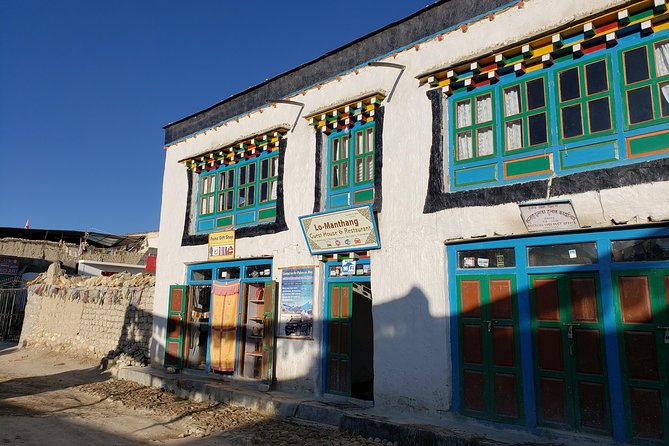
Then comes the big arrival day: reaching Lo-Manthang, the walled city and festival center. The route passes villages and continues up to the windy pass of Lo at around 3,850 m. That pass is your visual payoff: from there, you can see the walled city of Lo-Manthang.
This matters because the city isn’t just scenery—it’s the stage for Tiji Festival. When you arrive, it helps to have a little stamina left, since the first festival day is already waiting in the next sequence.
Lo Manthang during Tiji: three days, three different vibes
Once you’re in Lo-Manthang, you don’t treat the festival like a quick photo stop. You stay long enough to see how it unfolds across multiple days and monastery spaces.
On the first festival day, you explore the village after breakfast and then, following lunch, watch monks perform ritual dances as part of Tiji. Being there in the middle of daily village rhythms gives the dances weight—you understand they’re tied to belief, not performance for tourists.
The second festival day brings a shift toward religious sites: Namgyal Gompa and Choedhe Gompa before you head toward Tingkhar after lunch. Evening time includes visiting local people to learn about their unique culture and tradition.
The third day adds Chhosar Cave and monasteries. The route mentions Chhosar Cave with 44 living rooms, plus old Buddhist monasteries around the area. After visiting, you return to Lo-Manthang and watch the final day of festival rituals.
This is the “value” part you can feel, even if you don’t speak the language. The festival gives structure to your trek—so you’re not just hunting views all day. You’re experiencing a community calendar.
A consideration: festival days often come with crowds and excitement, so plan for restricted or busy paths around monasteries. Also, keep your pace gentle on these days. It’s tempting to rush photos and then feel tired for walking the next morning.
The return loop: Ghiling, Ghar Gompa rock paintings, and dusty wind
After the festival days, the trek loops back through Mustang—Dhakmar again, then Ghiling via Gyakar village. Gyakar is highlighted for containing an ancient Ghar Gompa, famous for rock paintings. The route notes a local belief that wishes made there get fulfilled, which explains why the site feels more personal than “historic.”
From Dhakmar back to Ghiling, the plan includes switching trails rather than repeating everything exactly. That helps avoid fatigue boredom. It also makes the walking feel like a route through a region, not a single line back and forth.
There’s also a reminder about weather. The plan suggests that during daytime there can be dusty wind, so it’s smarter to explore villages and hike in the morning and evening. That advice isn’t just comfortable—it can protect your eyes and throat so you still enjoy the cultural stops rather than spending the day irritated.
Chhuksang salt mine to Muktinath: from dry monasteries to pilgrimage energy
On the next stretch you trek to Chhuksang village, with awesome landscapes and Himalayan views along the way, plus a visit to the salt mine at Chhuksang. Salt mines are one of those “economic culture” stops that remind you why these settlements matter—Mustang isn’t only spiritual; it’s also practical and resource-based.
Then you head to Muktinath, described as a holy temple important to Hindus. The plan notes that daily Nepali and Indian pilgrims come for devotion. When you arrive at pilgrimage hubs like this, the pace of life feels different—less quiet, more human-scale activity.
You’ll also get stunning views of the Himalaya from the Muktinath side of the journey. Even if cloud cover changes what you see, the area tends to reward slow looking.
Kaligandaki river walk to Jomsom: easier hiking near the end
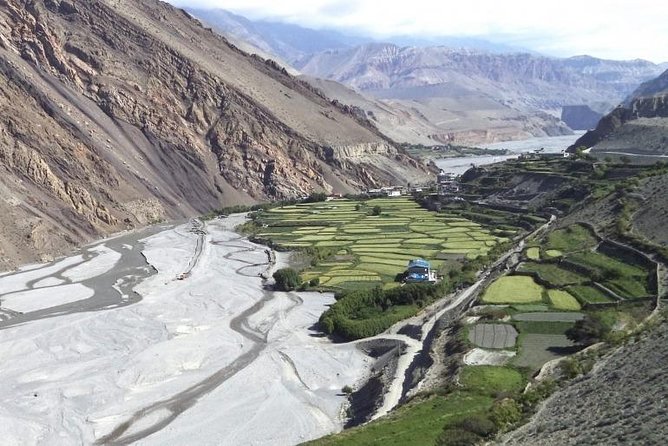
After Muktinath, the trek moves toward Jomsom by walking along the bank of the Kaligandaki River. This part of the plan is described as relatively flat down, making it easier for hiking.
You’ll walk about 5 to 6 hours, with landscapes and views mentioned including Mount Dhaulagiri and Mount Nilgiri. The route ends at Jomsom airport, where your day-to-day trekking effort has a clean finish line.
This kind of “recovery-friendly” day is underrated. By this point, you’ve already hit passes and multiple long walking days. A lower-stress day helps you enjoy the views instead of counting blisters.
Flights home and a good farewell dinner in Kathmandu
Once the Jomsom walk ends, the plan brings you to Jomsom airport for flights. You’ll fly early morning to Pokhara, then continue to Kathmandu. Evening time includes a farewell dinner with a Nepali cultural dance program.
This is a nice close because it shifts from Mustang quiet to Kathmandu energy without forcing you to cram extra sightseeing days. It also gives you a chance to reflect on what you saw in Lo Manthang—especially how the festival connected monasteries, storytelling, and daily life.
Who this trek is best for (and who should think twice)
This trek is best for you if you want a Mustang experience tied to real timing, not just a random departure window. If Lo-Manthang and Tiji Festival are the reason you’re traveling, the structure of staying through three festival days is exactly what you want.
It also suits you if you like guided travel with private group comfort. The tour is listed as private, meaning only your group participates, and the data says pickup is offered—both helpful if you don’t want to wrestle with transfers on your own.
You might think twice if:
- you struggle with moderate physical fitness expectations or long trekking days
- altitude makes you uncomfortable, especially with passes like Taklam La and Lo
The kind of guidance that makes remote treks work
A huge part of Upper Mustang is staying calm when the days feel long and the route is remote. The review snippets you provided don’t talk about logistics details for this exact trek, but they do praise the operator’s professionalism and the guide’s preparation.
Names that stand out from the feedback include Samsher for professionalism and courtesy, and Tsering for extreme availability and preparation (along with a driver for readiness). Even if those reviews are for related trips, it signals that the company tends to staff with people who show up ready—exactly what you want when you’re moving through a restricted region and expecting smooth handoffs.
For you, that means less time worrying about small problems and more time paying attention to what’s around you: monastery walls, village pathways, and the sudden view of Lo-Manthang when the pass opens.
Should you book Upper Mustang Tiji Festival Trek 2024?
I’d book this trek if you’re planning around the late-May Tiji Festival and you want a guided route that handles the hard parts: restricted permit coverage, domestic flights, and full meals during the trekking days. At $2,500, the value is strongest if you’re the kind of traveler who’d otherwise pay extra for permits, transport, and a guide.
Skip it or ask extra questions before booking if you’re sensitive to altitude or unsure about festival dates for your specific departure week. Also check what you’ll need to budget for in Kathmandu and Pokhara (meals there, plus any entry fees you might encounter).
If those points work for your body and your schedule, this is the kind of trek that doesn’t just end with photos. It ends with a memory of ritual days in a walled kingdom—something you won’t get from a standard tea-house trek.
FAQ
What is the meeting point and start time?
The tour meeting point is Tribhuwan International Airport, Ring Rd, Kathmandu, Nepal, with a start time of 6:15 am.
Is airport pickup included?
Yes, pickup is offered.
What flights are included?
The trip includes fight tickets for Kathmandu–Pokhara–Kathmandu, plus flights for Pokhara–Jomsom–Pokhara.
What permit or access is included for Upper Mustang?
The Upper Mustang restricted area permit fee is included.
Are meals included during the trekking portion?
Yes. The tour includes breakfast, lunch, and dinner during the trek.
What festival experience does the trek include?
The trek is timed for the Tiji Festival, a three-day celebration in Lo Manthang with monks’ ritual dances in front of Choedhe monastery, typically falling at the end of May.
More Trekking Out of Kathmandu






More Tour Reviews in Kathmandu




Just Reviewed in Kathmandu
- Mountain Bike Tour
★ 5.0 · 3 reviews - Annapurna Panaroma
★ 5.0 · 3 reviews - Mount Everest Scenic Flight 50 Minutes
★ 5.0 · 3 reviews - Kathmandu : Swambhunath & Durbar Square Guided Half Day Tour
★ 3.3 · 3 reviews - Chandragiri Cable Car & Monkey Temple Tour – Private/Group
★ 5.0 · 3 reviews - Kathmandu: Shivapuri National Park Hiking Day Trip
★ 3.3 · 3 reviews
Upper Mustang & Remote Treks, compared.
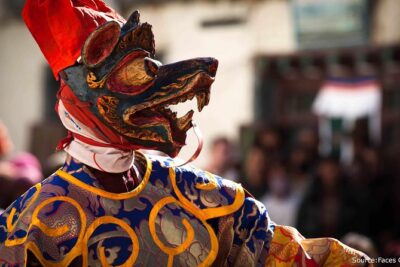 ★ 5.0Upper Mustang Classic Trek with Local guideFrom $2,50015 reviews
 ★ 5.0Nar Phu Valley Trek – 12 DaysFrom $1,60011 reviews
 ★ 5.0Jeep Trip to Upper MustangFrom $2,20010 reviews
 ★ 5.0Lower Mustang Motorbike Tour -8 DaysFrom $1,5009 reviews
 ★ 5.0Kanchenjunga Circuit Trek 19 DaysFrom $2,0009 reviews
Upper Mustang TrekFrom $1,4766 reviews
 ★ 5.0Kanchenjunga South Base Camp Trek – 13 DaysFrom $2,0956 reviews
 ★ 5.0Upper Mustang TrekFrom $2,2055 reviews
Browse the lists this tour appears in