
Review · UPPER MUSTANG & REMOTE TREKS
Upper Mustang Trek 14 Days
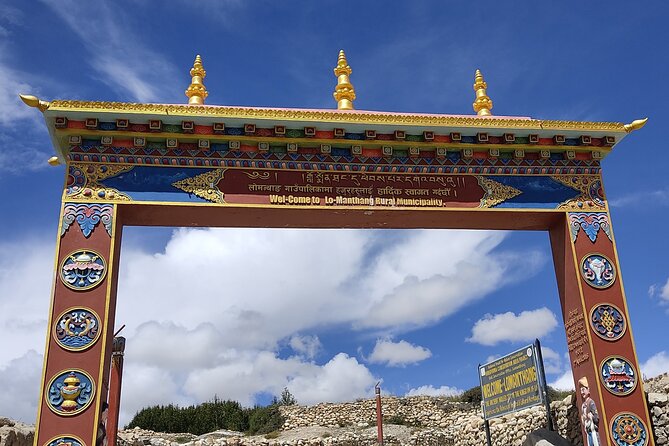
Upper Mustang feels like time travel. This trek takes you through the once forbidden kingdom of Upper Mustang, including the walled capital of Lo Manthang, Buddhist caves, and monasteries that seem built from yesterday and centuries ago at the same time.
I like the way this trip balances real trekking with comfort-minded planning. You get an English-speaking, government license holder guide, and strong pre-trip communication with Mr. Devaraj and his daughter, plus a pacing plan designed around acclimatization so you do not just rush from day to day.
One big consideration: the pricing includes a dinner, but the package also lists meals as not included and says accommodation during the trek is not included. That means you should budget for daily food and teahouse stays once you start walking.
In This Review
- Key things I’d pay attention to
- Why Upper Mustang Still Feels Remote
- Price and What You Actually Get for $1,212
- Kathmandu and Thamel: The Two-Night Reset
- Pokhara Days: Lakeside Calm Before Jomsom Wind
- Flight to Jomsom and the Trek Begins at Kagbeni
- Chele to Syanboche to Ghami: Desert Trails and Higher Rhythm
- Tsarang and the Fort Feel: Culture Gets Closer
- Lo Manthang Day: Monastery Time and Chhoser Cave
- The Return: Dhakmar to Kagbeni and Why Going Back Matters
- Final Days: Drive Back to Kathmandu and Fly Home
- Packing, Fitness, and the Realities of Teahouse Life
- Who This Trek Is Best For
- Should You Book Upper Mustang Trek 14 Days?
- FAQ
- What is the total duration of the Upper Mustang Trek?
- Where does the tour start and what hotel is listed?
- Is airport pickup and drop-off included?
- What is the price per person?
- Are permits included?
- What meals are included?
- Is accommodation during the trek included?
- Are porters included?
- How much time do I have to cancel for a full refund?
Key things I’d pay attention to
- Restricted-area permit coverage: Upper Mustang permit is included for 10 days only, so the core Mustang walking is what’s covered.
- Guide quality on the ground: You travel with an English-speaking, government license holder trekking guide for the walking portion.
- Comfort-minded pacing: The plan highlights acclimatization and thoughtful daily timing, not just distance for distance’s sake.
- Real village days, not just photos: Days are built around Tibetan-influenced towns like Kagbeni, Tsarang, and Lo Manthang.
- Lo Manthang plus caves: You get monastery time and a visit to Chhoser Cave, not only town-walking.
- Teahouses are arranged, but you still pay: Handpicked stays are part of the experience, while trek accommodation is listed as not included.
More trails out of Kathmandu, boots ready
- Everest Base Camp Trek – 14 Days★ 5.0 · 1,499 reviews
- Everest Base Camp Trek★ 5.0 · 842 reviews
- Everest Base Camp Trekking★ 5.0 · 485 reviews
- Nagarkot Sunrise View and Day Hiking from Kathmandu★ 5.0 · 471 reviews
Why Upper Mustang Still Feels Remote
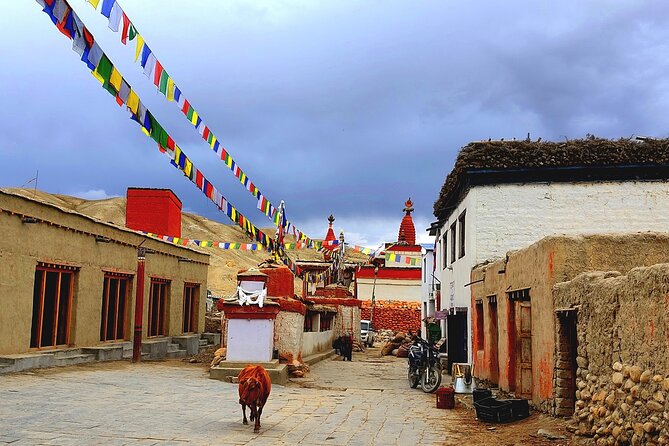
Upper Mustang is not a marketing category. It feels remote because it is still a place where the culture reads differently than the rest of Nepal. You’re dealing with Tibetan-influenced traditions, walled towns, old monasteries, and cave systems that match the dry, high-altitude environment.
What I love most is the contrast. You go from the everyday flow of Kathmandu and Pokhara to wind-cut valleys and quiet trails where the pace naturally slows. Then you land in Lo Manthang, where narrow streets and mud-brick buildings make you understand why people once treated this region like a closed world.
The route also makes sense for your brain. You’re not only chasing scenery; you’re watching how a small set of villages connects to the larger Mustang story—first as gateways, then as real living towns, and finally as a return through familiar ground.
Price and What You Actually Get for $1,212
At $1,212 per person for roughly 14 days, this is not the cheapest trek in Nepal. But Upper Mustang comes with costs that other trekking regions rarely require, and this package includes the major paperwork: the Upper Mustang Restricted Area Permit (10 days only) and the Annapurna Conservation Area Permit.
That permit point matters for value. If you’ve ever tried to price a Mustang trip on your own, you’ll see how the official permissions can make or break the budget. Here, those are covered, plus you get a licensed trekking guide and a basic medical box for the route.
You also get real trip infrastructure. Airport pickup and drop, a Kathmandu hotel for 2 nights (Hotel Chhimeki), and the transport legs between Kathmandu, Pokhara, Jomsom, and back again are included. On top of that, they supply a T-shirt, duffel bag, and trekking map—not a huge deal, but it lowers your shopping load.
Where you need to plan carefully is what is not included. The package lists accommodation during the trek as not included, and it also lists meals as not included (even though dinner is listed as included). So you should assume your daily budget will include teahouse rooms and food, and you should confirm exactly which meals are covered.
If you do that budgeting work up front, the price starts to feel fair: you are paying for access, guidance, and logistics, not just “a person walking with you.”
Kathmandu and Thamel: The Two-Night Reset
Day 1 starts in Kathmandu, with the meeting point at Hotel Chhimeki and airport pickup/drop service included. You have time to unwind and adjust before you move into flight and trekking days.
Thamel is a practical choice for a starting base. It is where you can sort gear questions fast, refill essentials, and get your bearings without spending the trip’s energy on commuting. The included time on Day 1 also matters because altitude travel can scramble your schedule even when you feel fine.
My advice: use this day for small, boring tasks. Eat normally. Hydrate. Confirm your packing and that your trekking clothes are ready for long walks. You will be grateful on Day 3, when things pivot from city to mountain.
Pokhara Days: Lakeside Calm Before Jomsom Wind
Day 2 is a scenic drive from Kathmandu to Pokhara. Then you get a gentle shoreline break with Phewa Tal and the Tal Barahi Temple on the island. It’s not a “hard day,” and that’s the point.
Pokhara is also where most people emotionally transition. In Kathmandu, you’re adjusting to Nepal. In Pokhara, you start thinking in trek-time. That’s why Phewa Lake and Tal Barahi feel like more than sightseeing. They’re a reset before the Kali Gandaki valley and the flight to Jomsom.
If you’re prone to travel fatigue, this is a good schedule choice. You’re not forcing a long trek on Day 2. You’re setting up your body for what comes next: a flight that can involve serious wind and then a trail start.




Flight to Jomsom and the Trek Begins at Kagbeni
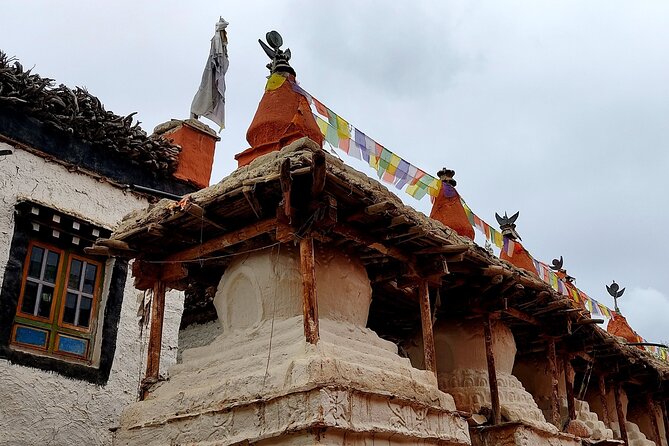
On Day 3, you fly from Pokhara to Jomsom, then start trekking from Jomsom to Kagbeni. Kagbeni is a strong first taste of Mustang life: mud-brick houses, narrow alleys, and Buddhist monasteries that give you that unmistakable Tibetan-influenced feel.
Day 3 is long enough to feel like Day 1 of trekking, but it also acts like a warm-up. You’re not dropping straight into the hardest terrain without context. You get gateway village atmosphere first.
Then Day 4 takes you from Kagbeni to Chele. This is where Mustang’s character shows up hard: arid surroundings, ancient caves, and village trails that feel quiet even when there’s a group moving through.
Tip if you get cold easily: early mornings and windy sections can be sharp. Pack layers that work for a temperature swing, not just for one “average” day.
Chele to Syanboche to Ghami: Desert Trails and Higher Rhythm
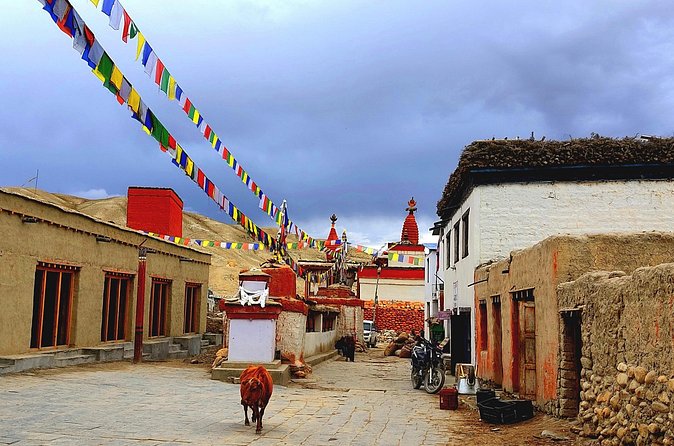
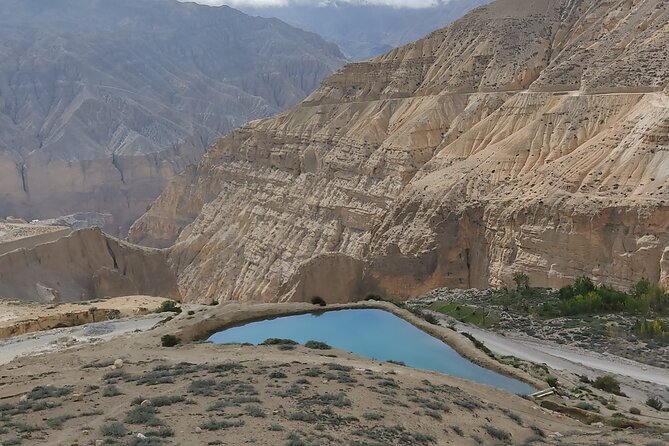
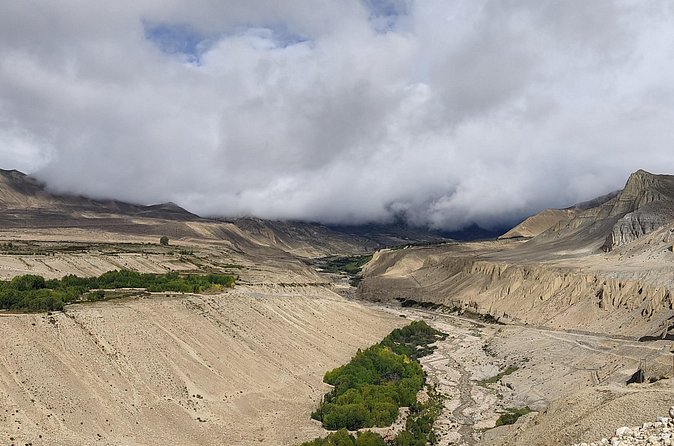
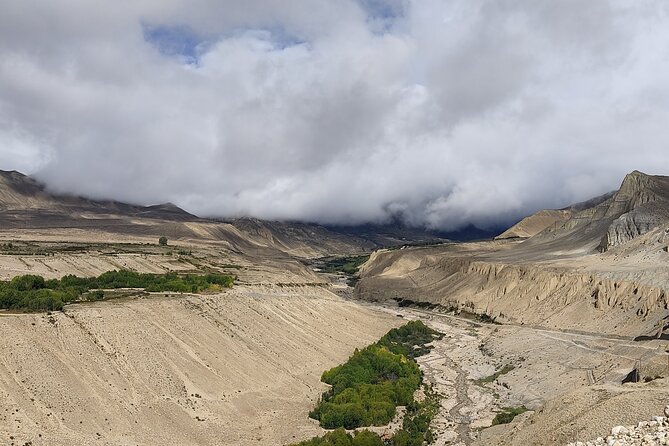
Day 5 moves you from Chele to Syanboche across high-altitude desert terrain and barren stretches. This is one of those days that can feel visually repetitive until you realize that repetition is part of the environment here. When your brain stops hunting for greenery, you start noticing rock texture, wind patterns, and the way the villages sit in the dry valleys.
Day 6 goes from Syanboche to Ghami, a larger Mustang village known for historical monasteries. Ghami is a welcome change after the emptier feeling of the desert trail. It brings more people, more activity, and a clearer “home base” vibe.
What I like about this grouping is pacing. You’re not skipping variety. Empty trail days are followed by village days. That rhythm makes it easier to keep a steady effort without feeling like you’re constantly fighting altitude and terrain at the same time.
Tsarang and the Fort Feel: Culture Gets Closer
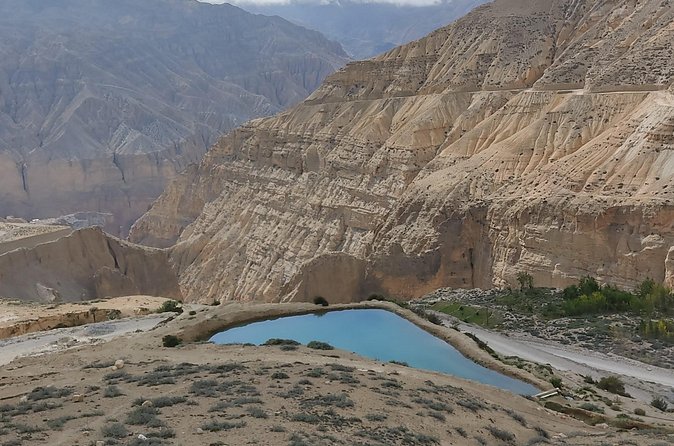
Day 7 heads from Ghami to Tsarang, described as a prominent Upper Mustang village with an ancient monastery and the imposing Tsarang Fort. This is where the trip shifts from “survival trek” to “cultural trek.”
Tsarang is also one of those places where you’ll likely want to slow down. Fort-style viewpoints and monastery architecture reward a slower walk. You can feel the layered influence—Tibetan design meeting Mustang’s harsh environment.
Then Day 8 continues from Tsarang to Lo Manthang, the walled capital of Upper Mustang. That walled factor matters. It turns the walking days into something more cinematic: streets feel intentional, gates feel meaningful, and the town reads like a contained world rather than a random settlement.
Lo Manthang Day: Monastery Time and Chhoser Cave
Lo Manthang is the highlight for most people because it feels like a chapter you can’t squeeze into a day trip. Day 9 combines that town time with visits that deepen the story: Thubchen Gompa and Chhoser Cave.
Thubchen Monastery is one of the oldest and most significant monasteries in Lo Manthang. You get a peaceful stop that contrasts with the open desert days. It’s the kind of place where silence is part of the experience, not just the absence of traffic.
Then you visit Chhoser Cave, a cave complex with historical significance and a dramatic setting near Lo Manthang. Caves in Mustang aren’t just a novelty stop; they connect the landscape, the climate, and the way communities adapted over time. You come away with a better sense of how people used these spaces beyond simple shelter.
Day 9 ends back in Lo Manthang for more exploration. Narrow alleyways and traditional mud-brick homes make the town worth lingering in. You’ll likely find yourself walking slower just to take in details rather than rushing to the next photo.
My practical advice: pace yourself in Lo Manthang. It is tempting to fill every hour, but the town is best when you keep energy for a second pass later in the day.
The Return: Dhakmar to Kagbeni and Why Going Back Matters
Day 10 takes you from Lo Manthang to Dhakmar. On the way back, you notice things differently. The route can feel less like a checklist and more like your own trail memory. That matters because it makes the trek feel complete, not just “outbound first, then done.”
Day 11 moves from Dhakmar back to Kagbeni. Retracing steps gives you perspective. The same rock walls and village edges can look different when you’re not focusing on arrival. I find that return days help you absorb the details you missed earlier.
Then Day 12 is a flight from Jomsom to Pokhara, giving you a clean transition from trekking time to relaxation time. Pokhara becomes your decompression zone again, and you get space to reflect on the core experience while your body recovers.
Final Days: Drive Back to Kathmandu and Fly Home
Day 13 is a scenic drive from Pokhara back to Kathmandu with a free rest day. You’ll be glad for the loosened schedule. After a trek like this, even shopping can feel like exercise, so use the day for low-key time.
Day 14 is departure from Tribhuvan International Airport, and the trip ends back at the meeting point area. The last day is simple, which is a comfort.
Packing, Fitness, and the Realities of Teahouse Life
This tour is listed for travelers with moderate physical fitness. That’s helpful, but “moderate” should still mean you expect long hiking days. Several walking days are marked around 12 hours, plus travel legs by flight and car.
A key mismatch to plan for: the experience includes handpicked teahouses, but trek accommodation is listed as not included. That means you will pay for your room during the trek even though the operator organizes the stays. The same goes for meals: the package lists meals as not included overall, so you’ll be responsible for daily food.
Also note that porters are not included. If you want to keep your load light, you may need to arrange it separately. The easiest way to make this trek enjoyable is to carry less, move steadily, and trust your guide’s pace.
I’d also double-check your clothing strategy for a dry, high-altitude environment. The day-to-night temperature swing can be more noticeable than you expect. Bring layers that keep you comfortable while waiting, not only while walking.
Who This Trek Is Best For
This is a great fit if you want culture and access, not just a long hike. The package focuses on Tibetan-influenced towns, monastery visits, and cave exploration near Lo Manthang.
It’s also a good choice if you value structure. You get government-permit coverage, transportation, a licensed English-speaking guide, and planned acclimatization. That’s valuable when you’re entering a remote region where details matter.
I would steer you away if you’re hunting a fully inclusive luxury retreat. Trek accommodation and daily meals are not included, and you’ll need to handle your own food budgeting.
Should You Book Upper Mustang Trek 14 Days?
I think you should book this trek if you want an organized path into Upper Mustang’s core villages—especially Lo Manthang—and you’re okay handling teahouse rooms and daily meals yourself. The included restricted-area permit for 10 days, the licensed guide, and the careful pacing plan are the backbone of the value here.
I’d hesitate if you want everything handled end-to-end financially. The split between included dinner and meals not included, plus accommodation during the trek not included, means you need a bit of homework. If you budget correctly, though, the experience reads like a meaningful, well-run Mustang itinerary rather than a random trek template.
If you do book: confirm exactly which meals are included, ask about teahouse room expectations during the trek, and pack for long days with layers. Then enjoy the real point—watching Lo Manthang and the cave stops slow you down.
FAQ
What is the total duration of the Upper Mustang Trek?
The trek is listed as 14 days (approx.).
Where does the tour start and what hotel is listed?
It starts at Hotel Chhimeki, 17 Purano Dhalko Marga, Kathmandu 44600, Nepal.
Is airport pickup and drop-off included?
Yes. Airport pickup and drop service is included.
What is the price per person?
The price is $1,212.00 per person.
Are permits included?
Yes. The Upper Mustang Restricted Area Permit is included (10 days only), along with the Annapurna Conservation Area Permit.
What meals are included?
Dinner is listed as included, but meals are also listed as not included. You should confirm which meals are covered for your exact dates.
Is accommodation during the trek included?
No. Accommodation during the trek is listed as not included.
Are porters included?
No. Porters are listed as not included.
How much time do I have to cancel for a full refund?
You can cancel up to 3 days in advance for a full refund, and cancellation cutoff is based on local time.
More Trekking Out of Kathmandu






More Tour Reviews in Kathmandu




Just Reviewed in Kathmandu
- Mountain Bike Tour
★ 5.0 · 3 reviews - Annapurna Panaroma
★ 5.0 · 3 reviews - Mount Everest Scenic Flight 50 Minutes
★ 5.0 · 3 reviews - Kathmandu : Swambhunath & Durbar Square Guided Half Day Tour
★ 3.3 · 3 reviews - Chandragiri Cable Car & Monkey Temple Tour – Private/Group
★ 5.0 · 3 reviews - Kathmandu: Shivapuri National Park Hiking Day Trip
★ 3.3 · 3 reviews
Upper Mustang & Remote Treks, compared.
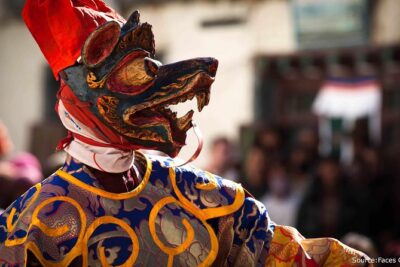 ★ 5.0Upper Mustang Classic Trek with Local guideFrom $2,50015 reviews
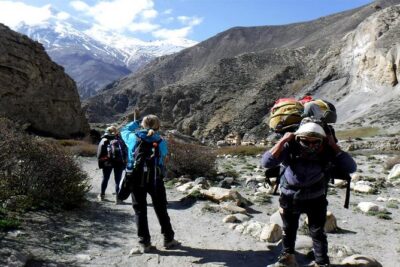 ★ 5.0Nar Phu Valley Trek – 12 DaysFrom $1,60011 reviews
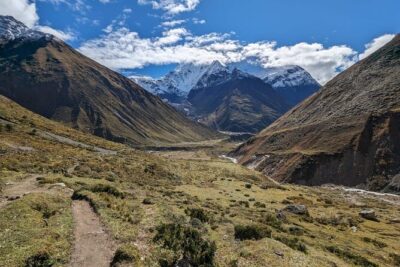 ★ 5.0Jeep Trip to Upper MustangFrom $2,20010 reviews
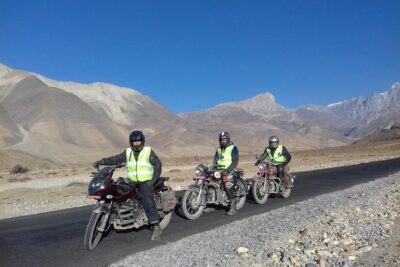 ★ 5.0Lower Mustang Motorbike Tour -8 DaysFrom $1,5009 reviews
 ★ 5.0Kanchenjunga Circuit Trek 19 DaysFrom $2,0009 reviews
Upper Mustang TrekFrom $1,4766 reviews
 ★ 5.0Kanchenjunga South Base Camp Trek – 13 DaysFrom $2,0956 reviews
 ★ 5.0Upper Mustang TrekFrom $2,2055 reviews
Browse the lists this tour appears in