
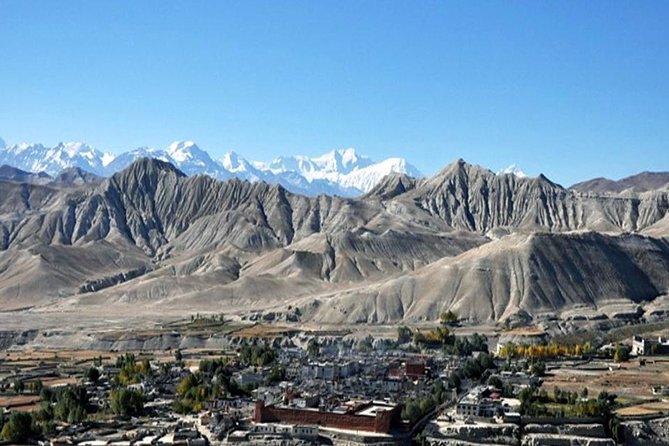
Review · UPPER MUSTANG & REMOTE TREKS
Upper Mustang Trekking
A trip to Upper Mustang feels like time travel. You follow dusty trails through Tibetan Buddhist villages, reach the walled city of Lo Manthang, and come back with a story that doesn’t sound like everyone else’s. It’s also a trek where the challenge is real, but the route is built for steady progress and warm lodge nights.
What I like most is the low-crowd feel and the way the culture stays front and center, not just as scenery. I also like the practical setup: licensed guide, porter support, and a schedule that mixes walking, flying, and long bus rides so you’re not constantly traveling for traveling’s sake.
One consideration: the trek is remote and can be windy and dusty, so pack for dry air and plan your timing on return days when conditions can turn.
In This Review
- Key highlights (quick take)
- Upper Mustang: why this trek feels different from the usual Nepal route
- The permit day in Kathmandu: the paperwork that controls access
- Getting to Jomsom: the flight-and-walk start that eases you in
- Kagbeni and the first valley days: learning the rhythm at Chhusang and Somare
- Syangboche, Ghiling, and Tsarang: the route turns toward Lo Manthang
- Lo Manthang: the walled city day with monastery visits and the king palace
- Dhakmar and Ghami: gompas, apple farms, and the return begins
- Windy timing: the Chhusang back to Kagbeni and the Jomsom link
- Jomsom to Pokhara by flight and the Kathmandu return by bus
- Price and value: what $2,400 buys in the real world
- Who should book this Upper Mustang trek
- Should you book Upper Mustang with Everest Trekking Routes Pvt. Ltd.?
- FAQ
- How long is the Upper Mustang Trekking trip?
- Where does the trek start and end?
- How much does the trek cost?
- What permits are included?
- What meals are included during the trek?
- What kind of accommodation should I expect?
- Do I have a guide and porter support?
- Are flights and buses part of the plan?
- What is the cancellation window for a full refund?
Key highlights (quick take)
- Special Upper Mustang access with the required permit, plus standard conservation area coverage included
- Lo Manthang inside the walled city, including visits to a monastery and the king palace area
- Big scenery, but not extreme altitude for most of the route (a review notes elevation rarely exceeded 4000m)
- Good support system: licensed guide and a porter setup (1 porter for 2 people)
- Taste of local life through villages, monastery stops, apple gardens, and even apple brandy in Jomsom
More trails out of Kathmandu, boots ready
- Everest Base Camp Trek – 14 Days★ 5.0 · 1,499 reviews
- Everest Base Camp Trek★ 5.0 · 842 reviews
- Everest Base Camp Trekking★ 5.0 · 485 reviews
- Nagarkot Sunrise View and Day Hiking from Kathmandu★ 5.0 · 471 reviews
Upper Mustang: why this trek feels different from the usual Nepal route
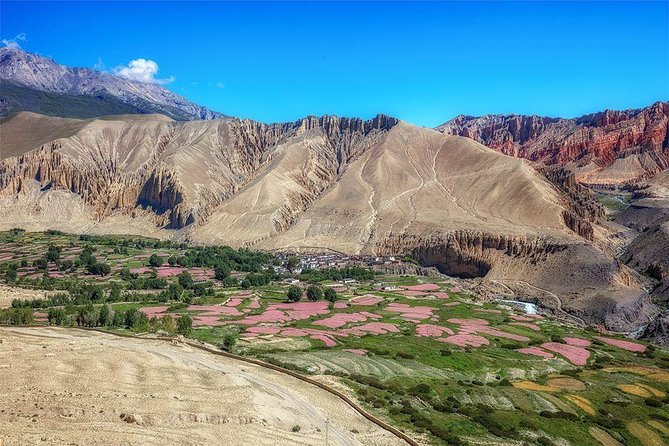
Upper Mustang sits in a dry, shadowy corner of Nepal that feels more Tibetan than Nepali. The travel time is longer, the permits matter, and the roads thinner—but the payoff is that you’re walking through a living heritage zone where people still farm the valleys and keep village rhythms moving.
This trek also has a nice balance: you get classic Himalayan views on many days, but you’re not chasing a summit. That makes it a better fit for hikers who want an all-around adventure—culture, altitude breathing, and dusty mountain villages—without needing technical gear.
And yes, it’s remote. One of the reviews I saw called out how the region felt like a different world with very little crowding and plenty of dust. That matches what you should expect in Upper Mustang: less like a tourism conveyor belt, more like a slow, honest walk through an extreme environment.
The permit day in Kathmandu: the paperwork that controls access
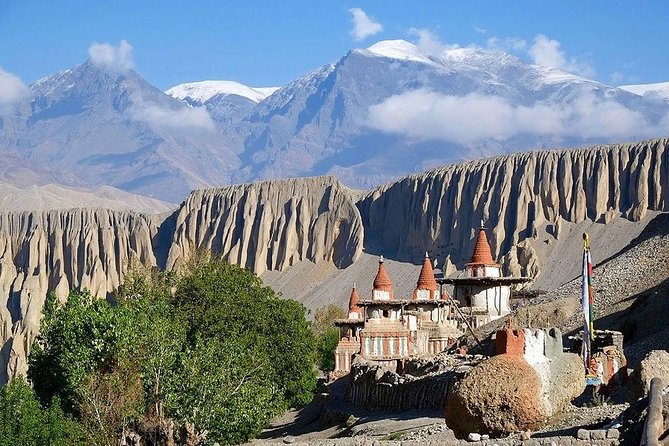
Upper Mustang doesn’t run on vibes alone. It requires a special permit, and the tour builds in time to get it. On the second day, you can arrange the permit using your original passport with your Nepal visa, and then you also get a chance to do Kathmandu Valley sightseeing before you move on.
Why that matters: without the right permit, the trek can’t happen. So this is one of those “boring but crucial” parts that keeps your walking days stress-free. If you’re the kind of traveler who likes to get forms out of the way early, you’ll appreciate that the schedule doesn’t dump everything on you at the last minute.
Also, the tour includes Kathmandu hotel nights with breakfast, so you’re not jumping straight into a travel marathon. You’re in place, you’re fed, and you’re ready to fly and trek with less scrambling.
Getting to Jomsom: the flight-and-walk start that eases you in
You’ll start with Kathmandu, then move toward the route’s first high point by domestic flight to Jomsom (2715m). From there, the first trekking day brings you down into the Mustang entry area zone toward Kagbeni, with about 4–5 hours of walking.
That opening day matters because it sets the tone. You’re not just arriving—you’re already trading bus and airport time for trail time. It also gives you a slow ramp into the dry-air feel of the region, and Kagbeni is a smart first stop because it’s the gateway town that you’ll keep seeing mentioned throughout the trek.
From a practical angle, flying into the region helps avoid backtracking. From a comfort angle, it helps you start trekking without burning two or three long transport days before your first step hits the trail.
Kagbeni and the first valley days: learning the rhythm at Chhusang and Somare
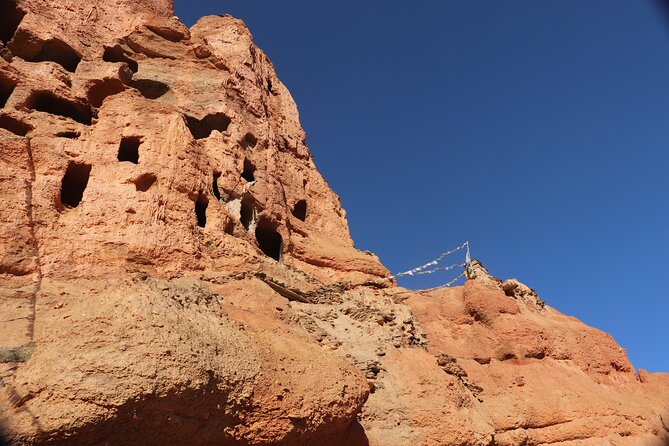
After Kagbeni, you’ll work your way toward Chhusang, then continue onward to Somare. The schedule includes a “check” day when you enter the restricted area access zone, and you’ll see why: Kagbeni is the main entry point for the Upper Mustang restricted area.
This stage is about getting your legs used to the pace. The routes here tend to include stretches of solid trails with some steps, but the day designs still keep you moving in a way that most hikers can handle with steady walking. You’re also in a part of Mustang where orchards show up—apple gardens get mentioned along the way—so you can actually break up the monotony of rocks with glimpses of how people live off this terrain.
If you’ve never done a lodge trek before, this part is where you learn that lodge days are part of the adventure. You’ll rely on the basic rhythm: arrive, settle in, eat a included dinner/lunch, and recover for the next day. It’s simple, but it’s also what keeps the trek fun instead of exhausting.




Syangboche, Ghiling, and Tsarang: the route turns toward Lo Manthang
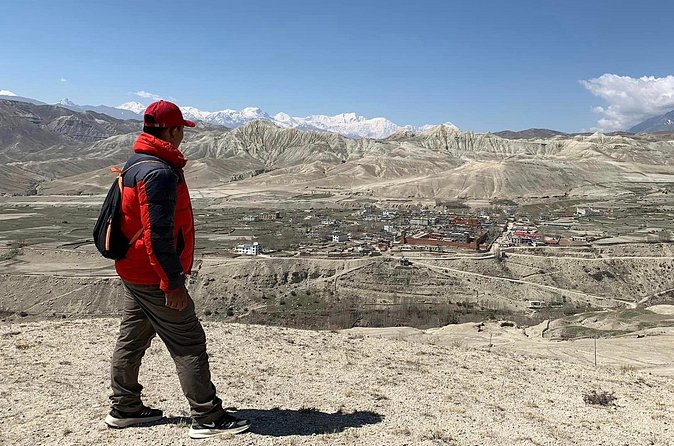
As the trek progresses, you’ll climb toward Syangboche, including a mostly uphill day that includes a rest and lunch stop along the way. You’ll also start seeing the broader view of the mountain wall—white peaks like Dhaulagiri and Annapurna get called out in the tour description—plus strong monastery and village textures.
Then comes a key cultural walking day: you follow the route toward Lo Manthang, passing Ghiling village and old monasteries, and continuing onward to Tsarang. Tsarang is described as the biggest village in that area segment, which is exactly what you want mid-trek: a sense of scale after days of smaller settlements.
Why this phase is highly praised in spirit: it’s where the trek stops feeling like a checklist and starts feeling like a story you can physically walk through. One review highlighted the “authentic native Upper Mustang lifestyle” feel, and that authenticity shows up most when your walking passes through working villages—not just viewpoints.
Lo Manthang: the walled city day with monastery visits and the king palace
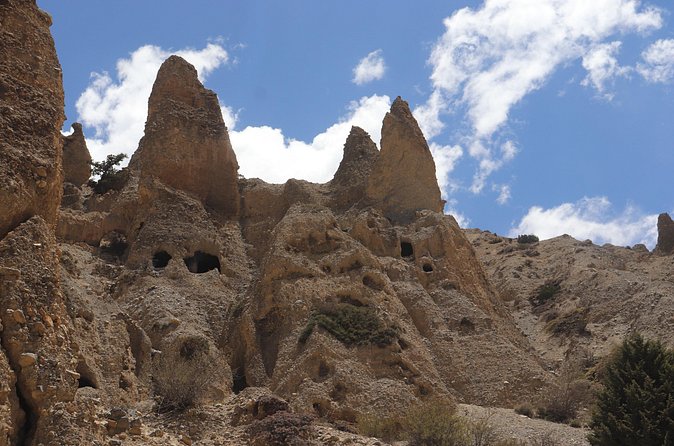
Reaching Lo Manthang is the headline moment for most people, and the tour sets it up with a full walking day to arrive. The approach includes crossing rivers and bridges through more deserted scenery, so when the walled city finally appears, it feels like you’ve stepped into a different kind of space.
Once inside, you get a dedicated exploration day. You’ll visit key sights including the monastery and the area of the king palace. This is where you see how Tibetan Buddhist culture is built into daily life, not just into tourist stops.
A practical tip: Lo Manthang is a city, not just a viewpoint. So give yourself time to slow down. Walk slower than you think you need, because the stone textures, shrine areas, and monastery spaces reward attention. You’re walking through an inhabited heritage site, and part of the magic is noticing how life continues around the historic walls.
Dhakmar and Ghami: gompas, apple farms, and the return begins
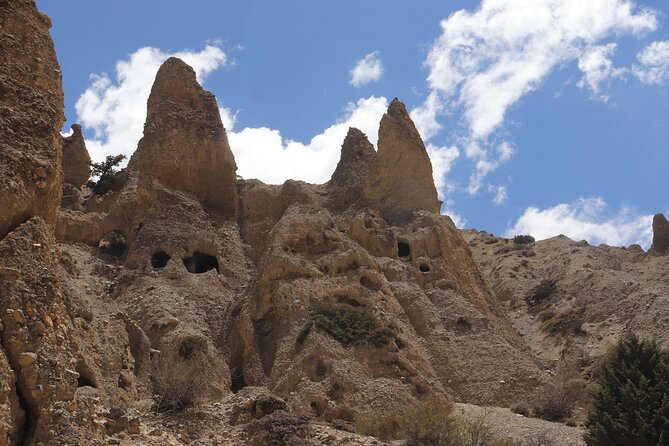
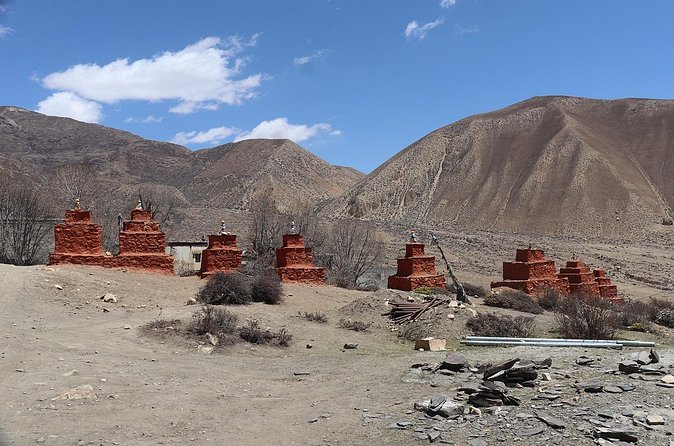
After the Lo Manthang day, your route shifts toward Dhakmar and then onward to Ghami. Dhakmar starts with uphill walking to a gompa, with the description noting historical points tied to the monasteries.
Then comes Ghami, described as a major village and monastery route with farms nearby—including an apple product farm associated with a foreigner. Even if you don’t care about farm details, it’s a sign of something important: this region isn’t only rock and religion. People are growing food and maintaining daily routines, and you’ll feel that through the village stops.
Also, the tour includes several days where you’re hiking downhill on the way back. One part notes a big downhill segment, including passing smaller villages like Samar, Bhena, and Chele, plus a long descent toward the Kaligandaki River valley. This return phase is often where hikers get tired—not because it’s technical, but because downhill can feel harder on knees than uphill feels on lungs.
Windy timing: the Chhusang back to Kagbeni and the Jomsom link
On the way down toward the end, you’ll walk Chhusang to Kagbeni, with an important timing note: after around 12:00 PM, strong windy conditions can build, so the schedule suggests leaving earlier to avoid the worst of it.
That detail is more than a warning. It’s why you should trust the tour’s pacing on those days. When wind hits in Mustang, it changes the experience fast: harder to breathe comfortably, more dust in your face, and generally a “let’s move now” feeling that can slow you mentally even if you’re physically fine.
After Kagbeni, you’ll head to Jomsom on an easier, shorter hike. In Jomsom, the tour gives you time to check your flight schedule for the next day and even shop around—apple brandy is specifically mentioned as something you can buy from apple makers. Small moment, but it’s a fun one: it turns your trek into a souvenir you can actually explain.
Jomsom to Pokhara by flight and the Kathmandu return by bus
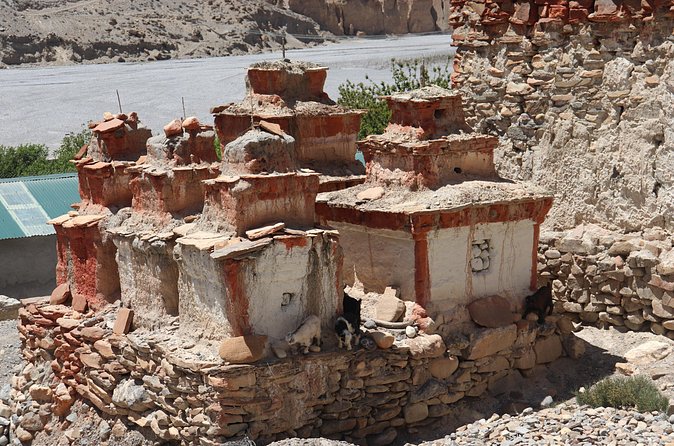
Once your trek ends at Jomsom, you’ll fly to Pokhara (the tour description notes about 25 minutes flight time) and transfer to your Pokhara hotel. Your schedule here depends on the flight timing, and the tour also includes a plan for waiting at the airport if needed.
Pokhara is your recovery zone. You’ll get two hotel nights with breakfast, which is a big deal after days of lodge stays. It’s also the point where you can reorganize your pack, rehydrate properly, and let your body stop living on trek schedule.
Then you’ll take the tourist bus back to Kathmandu, with the journey described as about 7 hours. That long ride can feel slow, but it’s also practical: it closes the loop without adding one more flight stress. You’ll arrive in Kathmandu and then get dropped at the airport for your final departure.
Price and value: what $2,400 buys in the real world
At $2,400 per person for about 18 days, the headline number can look steep—until you break down what’s included. You’re not just paying for walking. You’re paying for permits, licensed guiding, lodge accommodation support, meals, and a mix of domestic flights plus private transport on both ends.
Here’s what you’re getting that usually costs extra when you DIY:
- Lodging on trek in lodge/tea house accommodations
- Meals: 16 lunches and dinners plus 17 breakfasts
- Transport: airport/hotel pick up and drop, plus flights between the main travel nodes and bus travel between Kathmandu and Pokhara
- Permits: trekking permit (ACAP) and the Special Upper Mustang Permit listed at USD 500 per person for 10 days
- Human support: a government-licensed guide and porters (setup listed as 1 porter for 2 people)
- Government taxes and service charges
What’s not included is also clear: personal expenses and tips for guide, porters, and driver. The tour doesn’t promise unlimited comfort, either—this is lodge trekking, not full-service luxury.
If you want a simple value test, do this: compare the total cost of special permits, a licensed guide, meals, and lodge stays versus the price you’d pay if you tried to stitch it together yourself. For many people, the tour is worth it because it removes the “figure it out” work and lets you focus on the walking and culture.
Packing note you can’t skip: you need strong physical fitness, and the trek includes uphill and downhill days plus days with specific timing around wind. Even if you’re not going over 4000m often (a review notes elevation rarely exceeded that mark), you’ll still feel the altitude in your body.
Who should book this Upper Mustang trek
This is a great choice if you want:
- a tougher-than-a-day-hike trek with real culture, not just viewpoints
- a route that’s not very crowded, with a dusty, off-the-beaten-path feel
- a balanced support setup: licensed guide plus porter help
- a trip that includes both heritage city time (Lo Manthang) and real village days
It may not be your best fit if you:
- want lots of modern comfort every night (lodge trekking is basic by nature)
- have knee issues that don’t tolerate long downhill segments
- hate dusty air or windy weather without being able to adjust your day pace
Should you book Upper Mustang with Everest Trekking Routes Pvt. Ltd.?
Yes, if you’re chasing a trek that feels culturally grounded and comparatively low-crowd, this one makes sense. The route is built around key Upper Mustang moments—gateway towns like Kagbeni, the climb toward Lo Manthang, the walled city exploration, and the return through monastery and village stops—with a support system that keeps you moving safely.
I’d book with confidence if you’re okay with lodge life and understand that wind timing matters. If you want a “smooth and tidy” vacation with minimal physical effort, look elsewhere. But if you want a trek that feels like Mustang—dry air, dusty trails, monastery architecture, and warm village hospitality—this is a strong match.
FAQ
How long is the Upper Mustang Trekking trip?
The duration is listed as 18 days (approx.).
Where does the trek start and end?
It starts and ends in Kathmandu, Nepal. You arrive in Kathmandu and your final day drops you at TIA for departure.
How much does the trek cost?
The price is $2,400.00 per person.
What permits are included?
The tour includes the trekking permit (ACAP) and the Special Upper Mustang Permit, listed as USD 500 per person for 10 days.
What meals are included during the trek?
The tour includes 16 lunches and dinners, plus breakfast (17).
What kind of accommodation should I expect?
You get 3 nights of ***3-star accommodation in Kathmandu with breakfast and 2 nights in Pokhara with breakfast. During the trek, you stay in lodge/tea houses.
Do I have a guide and porter support?
Yes. The tour includes a government license holder trekking guide and porters with a porter setup of 1 porter for 2 people.
Are flights and buses part of the plan?
Yes. There are domestic air tickets between Pokhara and Jomsom (and Jomsom to Pokhara), plus tourist bus travel between Kathmandu and Pokhara.
What is the cancellation window for a full refund?
You can cancel up to 6 days in advance for a full refund (you must cancel at least 6 full days before the experience start time).
More Trekking Out of Kathmandu






More Tour Reviews in Kathmandu




Just Reviewed in Kathmandu
- Mountain Bike Tour
★ 5.0 · 3 reviews - Annapurna Panaroma
★ 5.0 · 3 reviews - Mount Everest Scenic Flight 50 Minutes
★ 5.0 · 3 reviews - Kathmandu : Swambhunath & Durbar Square Guided Half Day Tour
★ 3.3 · 3 reviews - Chandragiri Cable Car & Monkey Temple Tour – Private/Group
★ 5.0 · 3 reviews - Kathmandu: Shivapuri National Park Hiking Day Trip
★ 3.3 · 3 reviews
Upper Mustang & Remote Treks, compared.
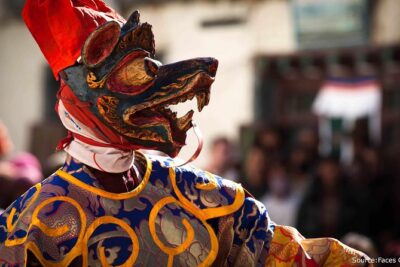 ★ 5.0Upper Mustang Classic Trek with Local guideFrom $2,50015 reviews
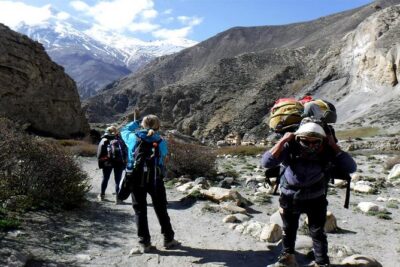 ★ 5.0Nar Phu Valley Trek – 12 DaysFrom $1,60011 reviews
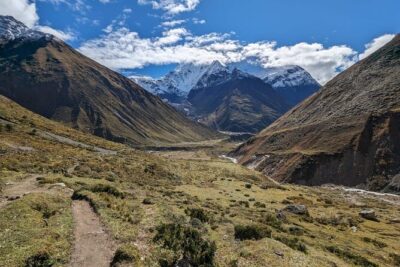 ★ 5.0Jeep Trip to Upper MustangFrom $2,20010 reviews
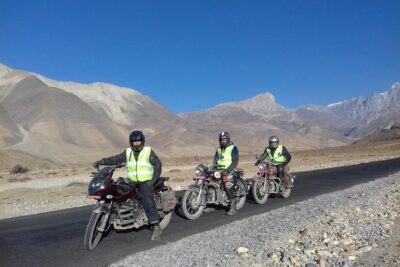 ★ 5.0Lower Mustang Motorbike Tour -8 DaysFrom $1,5009 reviews
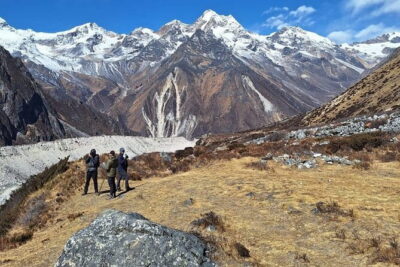 ★ 5.0Kanchenjunga Circuit Trek 19 DaysFrom $2,0009 reviews
Upper Mustang TrekFrom $1,4766 reviews
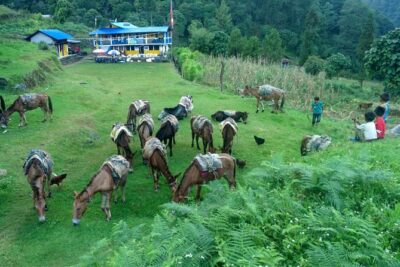 ★ 5.0Kanchenjunga South Base Camp Trek – 13 DaysFrom $2,0956 reviews
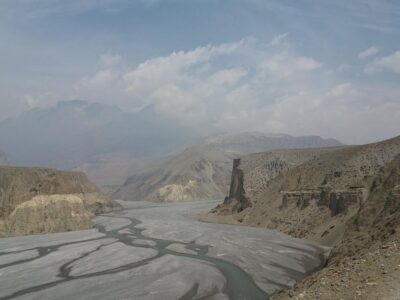 ★ 5.0Upper Mustang TrekFrom $2,2055 reviews
Browse the lists this tour appears in