

Review · ANNAPURNA BASE CAMP TREKS
13 Days Annapurna Base Camp Trek
Snow peaks and warm tea houses await. This 13-day Annapurna Base Camp trek is a moderate, big-reward route where you’ll see snowcapped giants and get a real look at village life along the way. I love the English-speaking guide and the way breakfast, lunch, and dinner are handled during the trek, so you can focus on pacing and views. The main catch: you’ll bring your own cold-weather gear, and there’s no hot shower while you’re trekking.
You start with a comfort buffer in Kathmandu and Pokhara, then shift into the simpler lodge routine for the trekking days. The payoff is the mountain lineup around base camp, including Annapurna I, Annapurna II, Annapurna III, Hiunchuli, Fang, Gangapurna, Annapurna South, and Machhapuchhre.
One practical consideration is that the trek is run at a pace that assumes solid physical fitness. Also, weather and mountain conditions can force changes, and any extra costs land with you on the spot.
In This Review
- Key highlights (what makes this trek work)
- Kathmandu and Pokhara Setup: 3-Star comfort before you trek
- Getting to the trail: tourist bus out, private ride back
- Trek days at Annapurna Base Camp: a moderate route with huge peak payoff
- What the mountain experience feels like
- Lodges, food, and cold-night reality (no hot shower)
- Your guide and porter team: the part that makes or breaks the trek
- Permits, TIMS, and insurance: what’s handled and what’s on you
- Price and value: what $999 actually buys you
- Seasonality and packing: plan for cold mornings, not just altitude
- Who this Annapurna Base Camp trek suits best
- Should you book this trek?
- FAQ
- What’s included in the price?
- Are meals included during the trekking days?
- What kind of accommodation should I expect on the trail?
- Do you include a sleeping bag or trekking jacket?
- Is hot shower available during the trek?
- Do I need a visa for Nepal?
- Is the trek private or shared?
- What if I cancel?
- What kind of fitness level is required?
Key highlights (what makes this trek work)
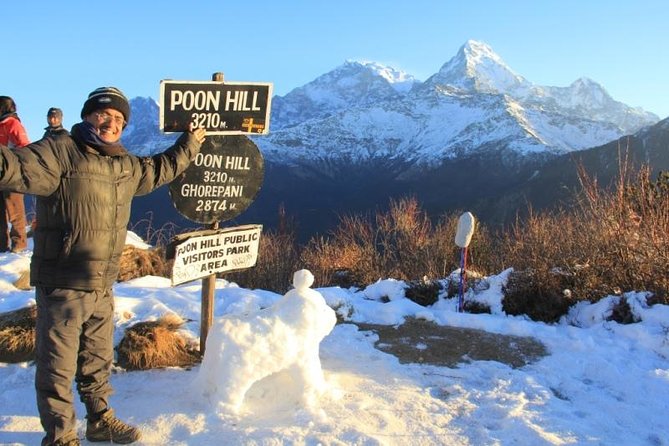
- English-speaking guide plus porter support: one porter per two tourists
- Meals covered on trek days: daily breakfast, lunch, and dinner during the trek (main course)
- Lodge nights during the trek: normal lodges/tea houses run by Nepali families
- Permits handled: Annapurna Conservation Permit plus TIMS
- Comfort before and after: Hotel Thamel in Kathmandu and Splendid View in Pokhara (3-star, B&B)
- Cultural farewell dinner: included with cultural dance program
More trails out of Kathmandu, boots ready
- Everest Base Camp Trek – 14 Days★ 5.0 · 1,499 reviews
- Everest Base Camp Trek★ 5.0 · 842 reviews
- Everest Base Camp Trekking★ 5.0 · 485 reviews
- Nagarkot Sunrise View and Day Hiking from Kathmandu★ 5.0 · 471 reviews
Kathmandu and Pokhara Setup: 3-Star comfort before you trek
Your experience starts in Kathmandu, with two nights at Hotel Thamel (3-star, bed & breakfast). The location is handy because Thamel is where you’ll find trekking shops, cafés, and that pre-trek buzz. You’ll also get airport–hotel–airport transfers, which matters in Nepal when traffic and timing can turn chaotic fast.
A second “buffer” stop comes in Pokhara with two nights at Splendid View (3-star, bed & breakfast). Pokhara is often where people mentally switch from city mode to mountain mode. You’re not just sleeping there—you’re using those days to settle, organize, and get your legs ready for the trek days ahead.
The trek start is scheduled at 7:15 am, so you’ll want to treat mornings seriously: early breakfast, gear ready, and a calm mind. That little routine tends to make the mountain days feel less like a scramble.
Getting to the trail: tourist bus out, private ride back
This is not a fly-in, complicated logistics situation. Included land transport covers Kathmandu to Kathmandu by tourist bus, and you’ll also use transfers tied specifically to the trek route.
Here’s how it fits together practically:
- You’ll travel from Kathmandu to Pokhara by tourist bus.
- From Pokhara, you’ll transfer to the trek start point at Nayapul.
- After trekking, you’ll finish at Phedi, then return to Pokhara by private transport.
Why that split matters: bus travel is budget-friendly and keeps things simple, while the private transport at the end helps you reset after a tiring walking stretch. It also reduces the chance of feeling stranded if timing is off.
Also note the tour is a private activity. That means you won’t be mixed into a random group mid-stream. Your guide and porter team are geared to your group only.
Trek days at Annapurna Base Camp: a moderate route with huge peak payoff
The Annapurna Base Camp region is famous for a reason: you get constant mountain drama. This trek is described as moderate and a good match for medium physical fitness—meaning it’s not a casual stroll, but it also isn’t positioned as an extreme technical climb.
What you’ll be aiming at:
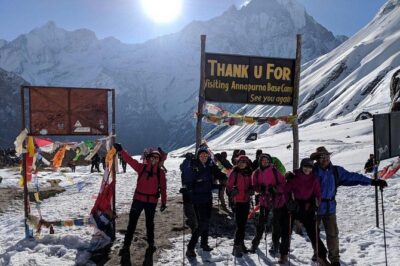
- A base camp experience with big views
- A steady look at multiple Annapurna peaks and nearby giants
- Time moving through villages, which changes the feeling of the trek from scenery-only to people-and-rhythm
The trek includes 8 days of accommodation in normal lodges or tea houses, which are run by Nepali families. That detail is more than a line in a brochure. Tea houses typically mean you’re sleeping somewhere local, eating meals prepared locally, and interacting with people who understand this route every day of the season.
During the trek, your meals are built in: daily breakfast, lunch, and dinner (main course). You’ll still spend money on extra snacks and drinks, but at least the core meals won’t become a constant decision.
What the mountain experience feels like
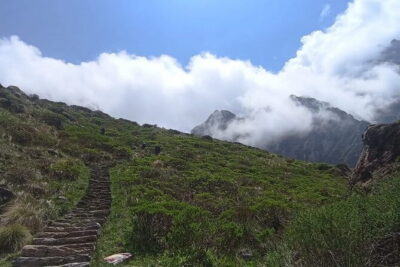
You’ll be moving through a mix of green slopes and snowline views. Even without naming every single waypoint, expect the classic ABC shift: earlier days feel gentler and greener, and as you gain elevation the air gets cooler and the views get sharper.
The peaks you’re promised around the base camp area include:
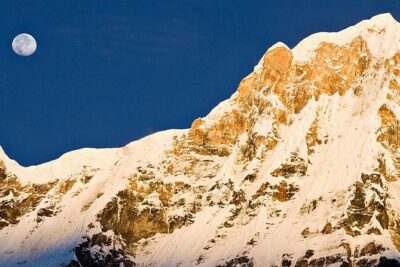
Annapurna I, Hiunchuli, Fang, Gangapurna, Annapurna South, Annapurna II, Annapurna III, and Machhapuchhre. That’s a strong “peak roster,” and it’s why ABC draws people back year after year.




Lodges, food, and cold-night reality (no hot shower)
Let’s keep this practical: lodge trekking is comfortable in a “simple and warm enough” way, not in a home-comfort way.
Accommodation during the trek is in tea houses/lodges, and the included meals are a big part of why this trek works smoothly. You can focus on walking and resting instead of searching for food every day.
The downside you should plan for is the comfort boundary:
- Hot shower: not included (so you should expect basic hygiene over comfort showering)
- Cold nights: you’ll be sleeping at higher elevation than Kathmandu or Pokhara
Your included planning nudges you toward the right prep. The packing advice specifies a sleeping bag rated to -15°C, plus a down jacket, gloves, warm clothes, torch light, trekking stick, and trekking socks. That list isn’t overkill—it’s how you avoid turning the trip into a cold-weather endurance test.
If you’re choosing your gear carefully, treat your sleeping system as your top priority. When nights are cold, a great sleeping bag and a well-layered sleeping setup do more than any warm-up strategy.
Your guide and porter team: the part that makes or breaks the trek
This trek earns its high satisfaction mostly through people. Across past experiences tied to this company, I see a repeat pattern: the guides and porters are patient, organized, and genuinely good at keeping the mood light.
You might be paired with an English-speaking guide and a porter team aligned to your group size (one porter for each two tourists). Past participants have mentioned guides and support staff including Deepak and Sheepy, Shambu, Kabiraj, Ram, Bassu, Jit, Krishna, Santosh, and Chris.
Common strengths mentioned with these names:
- Clear trekking organization and smooth day-to-day flow
- Guide patience, plus a good sense of humor that helps on tough hours
- Porters who take their job seriously, making it easier for you to keep your energy for walking
- A team that handles small problems quickly, like room mix-ups, so the trek rhythm doesn’t fall apart
There’s also an important behind-the-scenes clue: the Kathmandu office help gets credited for helping people pick the right trekking setup when time is limited. If you’re trying to combine trekking with extra Nepal plans, this provider has experience making those fit on your route.
If you want a trek where you’re not stuck “figuring everything out,” you’ll probably appreciate this style of support.
Permits, TIMS, and insurance: what’s handled and what’s on you
Nepal trekking paperwork isn’t optional, and this trek is set up to handle the core permits:
- Annapurna Conservation Permit
- TIMS (Trekkers’ Information Management System)
You’ll also provide 3 PP size pictures and get an itinerary hard copy at arrival. That’s part of how trekking permits get issued.
On the insurance side, the included coverage covers insurance for the guide and porters. Your personal travel insurance is not included, and it’s specifically important that it covers:
- Medical needs
- Emergency evacuation (including helicopter rescue)
- Trip cancellation expenses
- Lost, stolen, or damaged baggage and gear
This matters because mountain trekking is inherently unpredictable. Even if the plan is solid, weather, illness, or route disruption can happen. The operator notes that changes due to government restrictions, landslides, road blockage, flood, snow, political unrest, flight cancellation delays, or accidents can occur—and any extra costs may be yours on the spot.
Price and value: what $999 actually buys you
At $999 per person for a roughly 13-day trek, the value looks strongest when you add up what’s covered rather than just focusing on the headline number.
Included highlights that reduce your on-the-ground costs:
- Kathmandu hotel (Hotel Thamel) 3-star B&B for 2 nights
- Pokhara hotel (Splendid View) 3-star B&B for 2 nights
- Trek guide (English speaking) and porter support (one porter per two tourists)
- Land transport from Kathmandu to Kathmandu by tourist bus
- Transfer to trekking start at Nayapul, and end transfer from Phedi to Pokhara by private transport
- All accommodation for 8 trekking days in lodges/tea houses
- Daily breakfast, lunch, and dinner during the trek (main course)
- Annapurna Conservation Permit and TIMS
- TIMS-related management support plus insurance for guide and porters
- Airport–hotel–airport transfers
- Farewell dinner with cultural dance program
What you’ll still pay for separately:
- Your own trekking equipment (sleeping bag/down jacket/shoes and other personal items)
- Nepal entry visa fee (you can issue visa on arrival at Tribhuvan International Airport with 2 passport photos)
- Personal travel insurance (including rescue/evacuation)
- Tipping for guide and porter
- Lunch and dinner in Kathmandu and Pokhara
- Alcoholic and non-alcoholic drinks, plus sweets like chocolate and desserts
- Hot shower during the trekking
- Personal expenses
So the real question is: does this fit your style of trekking? If you want fewer logistics headaches and you’re okay handling your own gear and personal extras, you’re getting a lot inside that $999.
Seasonality and packing: plan for cold mornings, not just altitude
The route is best thought of as a cold-to-cooler experience, not a warm hike. Even in generally good weather months, mornings can be chilly.
One real-world clue from past experiences: November is often described as ideal for mountain conditions, though early starts can bring cold air. That lines up with what you should expect in the Annapurna region—clear views often come with crisp temperatures.
Use the provided packing guidance as your baseline:
- Sleeping bag rated to -15°C
- Down jacket
- Gloves, socks, warm clothes
- Trekking shoes and trekking stick
- Sunglasses and sunscreen
- Torch light
- Personal towel
- Basic meds (headache/fever, handiplast, bandage, pain killer, stomach ache/diarrhea)
If you’re choosing among items, don’t under-buy insulation. The trek includes enough walking to get you warm on the move, but cold can catch you when you stop for breaks or when night settles in.
Who this Annapurna Base Camp trek suits best
This trek fits you if:
- You have medium physical fitness and want a moderate challenge
- You care as much about village life and tea houses as you do about photos
- You prefer a guided setup with permit paperwork managed
- You want a mix of comfort in Kathmandu and Pokhara plus lodge living on the trek
It also looks like it works for families and mixed-experience groups. One past group included a father trekking with his three daughters, and they stayed positive even when weather tested the plan.
If you hate cold nights, require hot showers, or expect hotel-style rooms every step of the way, you’ll likely find the lodge setup frustrating. This is a trekking experience, not a spa vacation.
Should you book this trek?
Book it if you want:
- Organization and people support from an English-speaking guide and porter team
- Meals and lodges handled during the trek so you can focus on walking and acclimatizing
- A straightforward logistics plan with comfortable Kathmandu and Pokhara stays
- A culture-forward finish with a farewell dinner and dance program
Skip or rethink if:
- You can’t cover personal insurance (especially evacuation) or don’t want to manage your own gear
- You’re not okay with no hot shower and cold-night realities
- You want a fully customized plan that can change freely mid-decision, since this experience is non-refundable and not designed for amendments
If you’re ready to pack smart, walk steadily, and let a solid team guide the rhythm, Annapurna Base Camp is one of Nepal’s most rewarding treks—and this version is built to make it easier to get there.
FAQ
What’s included in the price?
The trek price includes Kathmandu and Pokhara hotel stays with bed & breakfast, airport transfers, land transportation, an English-speaking trekking guide and one porter for each two tourists, permits (Annapurna Conservation Permit and TIMS), lodge accommodation for 8 trekking days, daily breakfast/lunch/dinner during the trek (main course), daily meals listed for the trek, and a farewell dinner with cultural dance.
Are meals included during the trekking days?
Yes. During the trekking portion, daily breakfast, lunch, and dinner (main course) are included.
What kind of accommodation should I expect on the trail?
You’ll stay in normal lodges or tea houses during the trekking days. These are described as being run by Nepali families.
Do you include a sleeping bag or trekking jacket?
No. Personal equipment is not included. You’re advised to bring items such as a sleeping bag rated to -15°C, down jacket, gloves, trekking shoes, and other personal gear.
Is hot shower available during the trek?
No. Hot shower during the trekking is listed as not included.
Do I need a visa for Nepal?
You’ll need a Nepal entry visa fee, and the information says you can issue the visa upon arrival at Tribhuvan International Airport in Kathmandu. You will require 2 passport size photos.
Is the trek private or shared?
This is a private tour/activity. Only your group will participate.
What if I cancel?
This experience is non-refundable and cannot be changed for any reason. If you cancel or ask for an amendment, the amount paid will not be refunded.
What kind of fitness level is required?
The trek is recommended for people with strong physical fitness and is described as moderate, suitable for medium level physical fitness.
More Trekking Out of Kathmandu






More Tour Reviews in Kathmandu




Just Reviewed in Kathmandu
- Mountain Bike Tour
★ 5.0 · 3 reviews - Annapurna Panaroma
★ 5.0 · 3 reviews - Mount Everest Scenic Flight 50 Minutes
★ 5.0 · 3 reviews - Kathmandu : Swambhunath & Durbar Square Guided Half Day Tour
★ 3.3 · 3 reviews - Chandragiri Cable Car & Monkey Temple Tour – Private/Group
★ 5.0 · 3 reviews - Kathmandu: Shivapuri National Park Hiking Day Trip
★ 3.3 · 3 reviews
Annapurna Base Camp Treks, compared.
 ★ 5.0Annapurna base camp trek 5 DaysFrom $699252 reviews
 ★ 5.014-Day Private Annapurna Base Camp TrekFrom $1,090180 reviews
 ★ 5.0Annapurna Base Camp TrekkingFrom $1,779116 reviews
 ★ 5.0Annapurna Base Camp TrekFrom $935111 reviews
★ 5.0Annapurna Base Camp TrekFrom $1,350107 reviews
 ★ 5.0Kathmandu to Annapurna Base Camp (ABC) 5-Day TrekFrom $99102 reviews
 ★ 5.0Annapurna Base Camp Trek- 11 DaysFrom $99990 reviews
 ★ 5.0Annapurna Base Camp Trek 12 DaysFrom $80085 reviews
Browse the lists this tour appears in