
Review · ANNAPURNA BASE CAMP TREKS
14 Days Annapurna Base Camp Trekking | Best trek for visit Nepal 2020
Himalayas, culture, and a hot spring payoff. This 14-day Annapurna Base Camp trek ties together Kathmandu’s UNESCO sights with early Poonhill sunrise and the big moment at ABC, then finishes with a long, sore-leg soak in Jhinu. What I like most is how an English-speaking guide keeps logistics calm and how the trip includes sleeping bags and down jackets so you pack smarter. The main consideration: this is real hiking, with early starts and long downhills, so you’ll want moderate fitness and steady patience.
You also get a smoother start than the DIY route: airport pickup, a Thamel welcome dinner, and private transport to major sites like Pashupatinath, Swayambhunath, and Boudhanath. Then you’re whisked to Pokhara by road, which matters because you arrive for the trekking part already rested and set up for the rhythm of the days ahead.
Finally, the best value angle here is the balance. You pay for a guided experience with included meals and trekking support, not just the right to walk on trails. Just keep in mind you’ll still be responsible for the usual extras not listed as included: travel insurance, Nepal visa fee, and tips.
In This Review
- Key things worth knowing before you go
- Kickoff in Thamel: airport pickup and UNESCO Kathmandu valley day
- Pokhara road trip: why the 200 km transfer matters
- Ulleri and Ghorepani: the Magar villages that make the trek feel alive
- Poonhill sunrise and the long cultural climb to Chhomrong
- From rhododendron forests to Himalaya village and Annapurna Base Camp
- Descending on purpose: Bamboo to Jhinu hot springs
- The return: Pokhara viewpoints and Kathmandu Thamel time
- Price and logistics: why $871 can feel fair for what you get
- Who this Annapurna Base Camp trek suits best
- Should you book this 14-day ABC trek?
- FAQ
- What is the duration of this Annapurna Base Camp trekking trip?
- What is the start time and meeting point?
- Is pickup included?
- What’s included in the price?
- What meals are included?
- Do you provide cold-weather gear?
- Do I need moderate physical fitness?
- Does the trip include Kathmandu sightseeing and Pokhara?
- Are hot springs included?
- What should I plan for that isn’t included?
Key things worth knowing before you go
- UNESCO Kathmandu valley timing: You get the heritage day up front, before the trek fatigue.
- Private door-to-hotel transport: Less hassle during sightseeing and between cities.
- Poonhill sunrise is built in: A very early start, but the payoff is panoramic Annapurna views.
- Magar and Gurung village immersion: Ulleri, Ghorepani, Chhomrong, and more are more than a waypoint.
- Base Camp day is a highlight without shortcuts: You’ll pass places like Machhapuchhre Base Camp and Hinku Cave on the way.
- Jhinu hot springs are the end-of-trek reset: A practical reward for big mountain walking days.
More trails out of Kathmandu, boots ready
- Everest Base Camp Trek – 14 Days★ 5.0 · 1,499 reviews
- Everest Base Camp Trek★ 5.0 · 842 reviews
- Everest Base Camp Trekking★ 5.0 · 485 reviews
- Nagarkot Sunrise View and Day Hiking from Kathmandu★ 5.0 · 471 reviews
Kickoff in Thamel: airport pickup and UNESCO Kathmandu valley day
Your trip starts with a representative meeting you at Tribhuvan International Airport (TIA), then transferring you to your Kathmandu hotel. If you want a quick orientation day, Thamel is perfect for it: wander, grab snacks, and get your bearings fast before the long trek begins. In the evening, you join a welcome dinner with the team, which takes the edge off that first-day jitters.
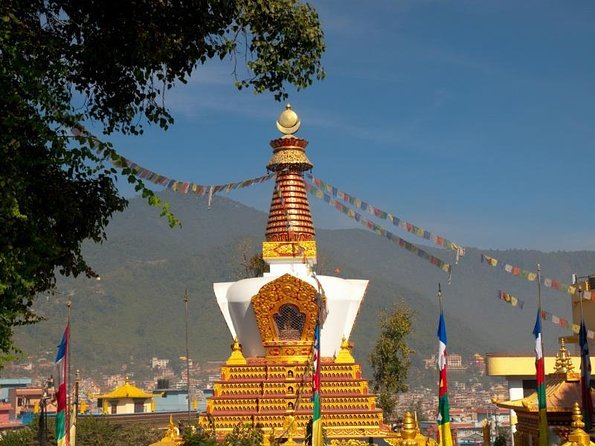
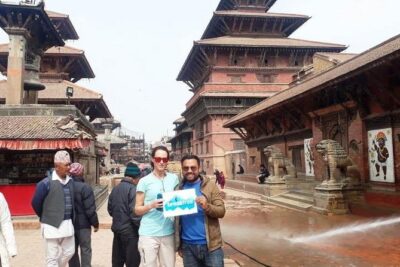
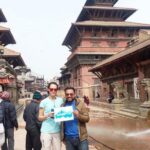
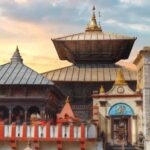
Day 2 is a proper Kathmandu culture day by private vehicle. You’ll visit major UNESCO World Heritage Sites in the Kathmandu valley, including Pashupatinath, Swayambhunath, and Boudhanath. This is a good choice before your trekking legs get tested, because it’s a “sit, walk a bit, look, repeat” day instead of a sweat day.
Practical note: they arrange permits and documents for your trek. That means you spend less time chasing paperwork and more time planning gear, hydration, and rest like a grown-up.
Pokhara road trip: why the 200 km transfer matters
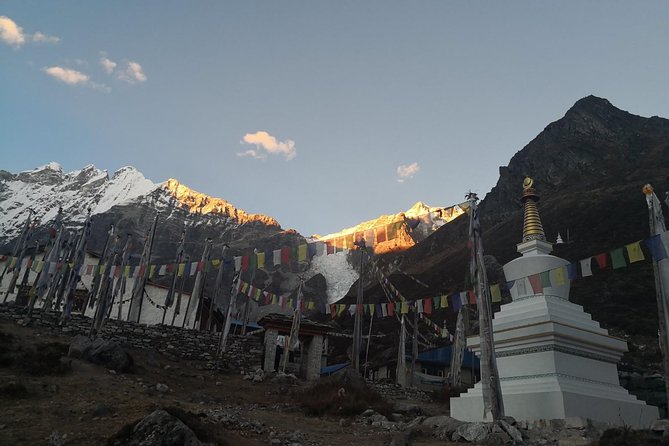
On Day 3 you travel to Pokhara along the Prithvi Highway. It’s not just a transfer; it’s your first real taste of Nepal’s mountain-country rhythm—green hills, rushing rivers, and winding views from the road. After about 200 kilometers, you arrive in a city that’s famous for scenery and lakeside breathing room.
Pokhara gives you optional sightseeing right away: Phewa Lake, Mahendra Cave, Davis Falls, and even the Bat Cave (depending on how you like to spend your time). The reason this matters is simple: after Kathmandu’s bustle, Pokhara helps you shift into “slow travel mode” before the trek begins.
Also, since the trek starts from the Annapurna region side (via Nayapul), getting to Pokhara first makes everything feel organized. You’re not trying to compress travel chaos and altitude days into the same morning.
Ulleri and Ghorepani: the Magar villages that make the trek feel alive
Day 4 is your first trekking day in the Annapurna region. You head by private vehicle to Nayapul and then start walking through Birethanti and Tikhedhunga before reaching Ulleri. The climb includes a suspension bridge crossing and a lot of stone staircase work, so this is where you get a feel for your pace.
Ulleri is also where the trek becomes more human. You’ll experience Magar culture here, which gives the trail texture beyond scenery photos. Even if your schedule is tight, these early village stops help you settle into the idea that you’re moving through communities, not just hiking “through wilderness.”
Day 5 continues to Ghorepani through Banthanti and then into another Magar village. You’ll likely stop for lunch at Banthanti, and by the time you reach Ghorepani, the views of the Annapurna and Dhaulagiri ranges start to show through. This day is a nice bridge between the “getting started” feeling and the “this is serious altitude trekking” feeling that comes later.
What to watch for: this is still the stage where you can overdo it because you’re fresh. I’d keep your effort even and save energy for the early morning push to Poonhill.
Poonhill sunrise and the long cultural climb to Chhomrong
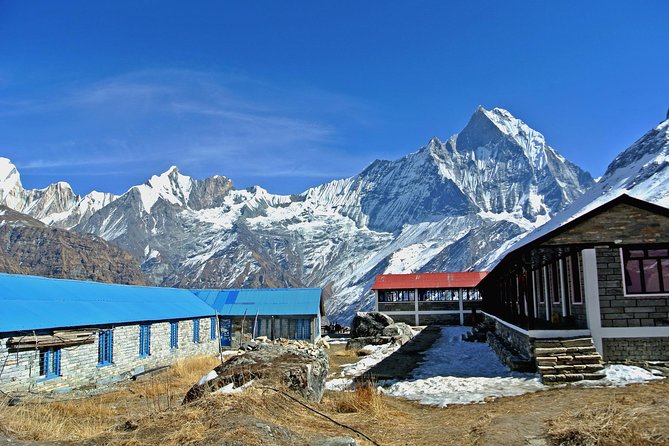
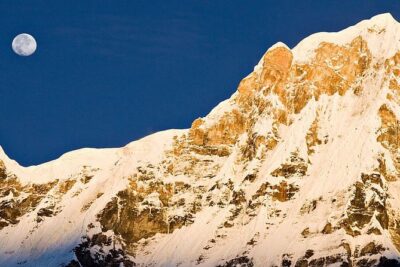
Day 6 starts with a very early climb to Poonhill. It’s known as one of the top sunrise viewpoints, and you’re there for the reason everyone talks about: those panoramic Annapurna views when the light hits the mountains. After sunrise, you descend back to Ghorepani for breakfast, then trek onward to Tadapani.
Tadapani is described as a Gurung village with strong local culture. It’s a great place to practice the “short breaks, steady breathing, no heroics” style of trekking. You’ll also get sightlines toward peaks like Annapurna South and Hiunchuli from this stretch, which keeps motivation high.
Day 7 is where the trek gains some weight. You drop toward Kimrong Khola, then climb through Modi valley forests to reach Chhomrong, one of the largest settlements in the region. Along the way, you pass Gurung settlements like Chulie and Gurjung and stop at Talung for lunch before climbing the staircase into Chhomrong.
Chhomrong matters because it’s a visual and cultural turning point: agriculture and village life are obvious, and it feels like the trail is fully in the high-mountain zone.
From rhododendron forests to Himalaya village and Annapurna Base Camp
Day 8 runs through rhododendron and oak forests, crossing Chhomrong Khola and ascending to Sinuwa before continuing to Bamboo. After lunch in Bamboo, you climb toward the small settlement called Himalaya, which is basically a cluster of lodges and teahouses just before Base Camp.
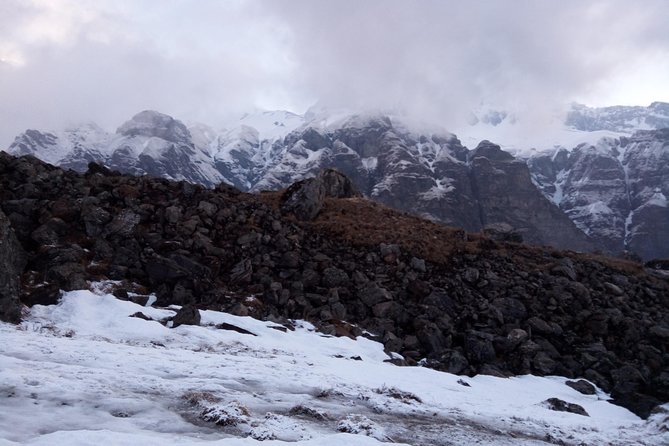
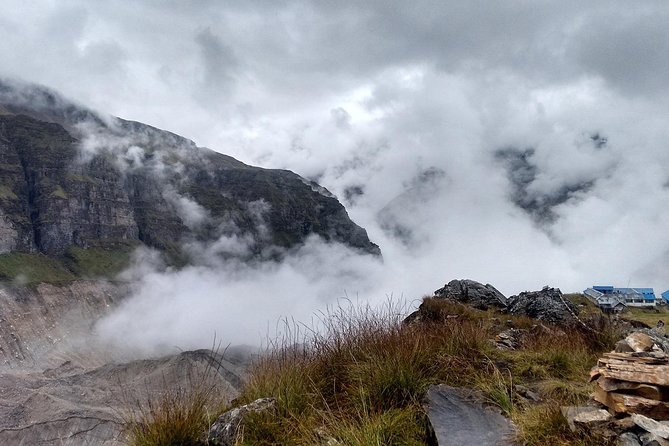
This is also a day where conditions can change. The description notes that the trail becomes rugged and that in some parts snow may be visible. So if you’re planning layers, this is the practical reminder that the “warm day” look can turn into “chill your hands” at higher elevations.
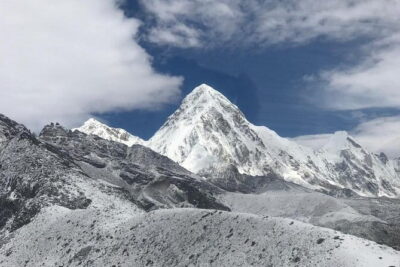
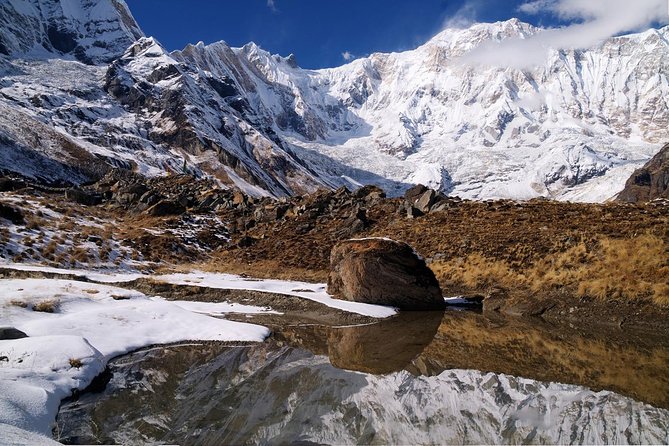
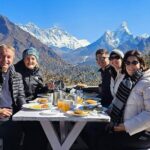
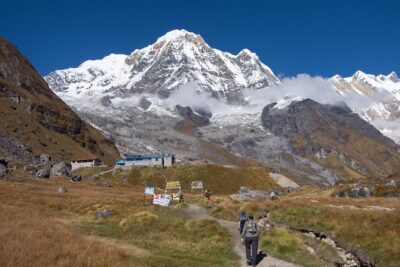
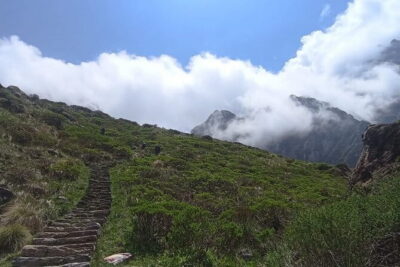
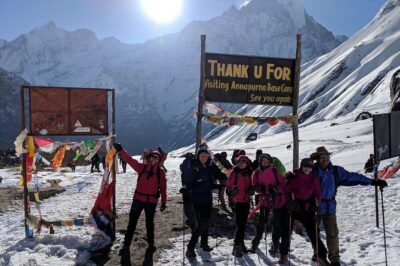
Day 9 is the big highlight: Annapurna Base Camp. As you gain elevation, you’ll notice the vegetation thinning until you’re in alpine scrub and bushes. Along the route you explore the Hinku Cave, then move toward Machhapuchhre Base Camp. From there, Machhapuchhre dominates the view, and you’ll recognize how big the Annapurna range and Dhaulagiri area really are once you’re near the base-camp world.
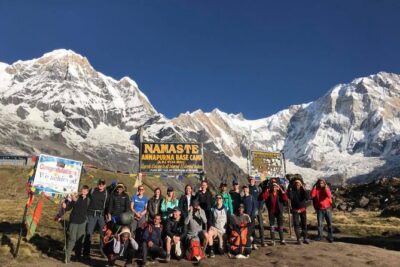
When you arrive at Annapurna Base Camp, you can interact with campers and take in panoramic views of Annapurna, Dhaulagiri, and Manaslu. It’s also a great “you made it” feeling day because the effort finally lines up with the view.
Descending on purpose: Bamboo to Jhinu hot springs
Day 10 is sunrise, then descent. You’ll enjoy early sunrays lighting the Himalayas, then you start walking downhill to Bamboo. The day is described as mostly downhill with lots of downhiking, which is exactly the kind of day that punishes sloppy foot placement. Take it slow here. The goal is smooth steps, not speed.
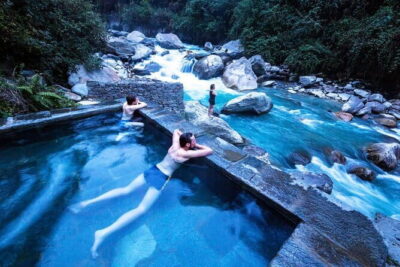
Day 11 brings you back up in short bursts and down in longer ones, landing at Jhinu Danda. You climb to Khuldighar where you can see an experimental sheep farm, then you drop through rhododendron fields to Sinuwa and later climb steeply to Jhinu. And then comes the reward: the natural hot springs in Jhinu.
This hot-spring stop isn’t just a nice extra. It’s a functional recovery tool after several days of leg-load hiking—especially useful after that long downhill from ABC toward Bamboo.
The return: Pokhara viewpoints and Kathmandu Thamel time
Day 12 finishes the trekking portion by descending back to Birethanti and walking on to Nayapul. A representative meets you at Nayapul and takes you back to your Pokhara hotel. It’s a long day on your feet, but the payoff is that you’re back in Pokhara for an actual “rest in a real room” night.
Day 13 is the drive back to Kathmandu, about six hours. On the Kathmandu side, you can continue exploring the valley or simply rest, but Thamel shopping is an easy option for last-minute souvenirs. If you like a gentle closing day, keep it light. You’ll feel it later if you go too hard after the trek.
Day 14 wraps with a final breakfast and an airport drop-off at Tribhuvan International Airport. If you want your last day to stay peaceful, this is a good end structure.
Price and logistics: why $871 can feel fair for what you get
At $871 per person for about 14 days, the value depends on what you’re comparing against. This price includes private transportation, all fees and taxes, an English-speaking guide (plus the guide’s expenses), and an on-hand first aid kit. It also includes sleeping bags and down jackets, which can offset the cost of renting or buying colder-weather gear.
Meals are also part of the deal: breakfast is included on 3 mornings and lunch is included on 11 days. Dinner isn’t listed as included, so plan for that reality on trekking days and in cities.
What’s not included is also clear: travel insurance, Nepal visa fee, and tipping for guides, porters, and drivers. I like when this is transparent, because it helps you avoid surprise budgeting.
The biggest value-add is how much stress the logistics remove. Private transport between Kathmandu and Pokhara, permits arranged by the company, and the trekking schedule laid out day by day means you can focus on walking, resting, and enjoying the mountain culture.
Who this Annapurna Base Camp trek suits best
This is best for you if you want a classic Annapurna Base Camp route with real village days, not just a “walk, sleep, repeat” machine. The itinerary gives you a cultural sequence through Magar and Gurung settlements, then a major mountain milestone at ABC, then a practical recovery stop with Jhinu hot springs.
You’ll also like this if you prefer guided support but still want authentic trail time. The trek days are long enough to feel meaningful, including the early Poonhill morning and the downhike-heavy recovery days.
It may not be the right fit if you hate early starts or you’re not comfortable with prolonged downhill walking. The trip calls for moderate physical fitness, so be honest with your current stamina before you sign on.
Should you book this 14-day ABC trek?
If you want a well-supported Annapurna Base Camp experience that mixes Kathmandu culture, Pokhara scenery, and a proper mountain finale, I’d say this is a solid booking. The combination of included guide support, provided cold-weather gear, and a schedule that hits the big view moments (Poonhill sunrise and ABC) is where the trip earns its place.
Book it if:
- You want English-speaking guidance and help with permits.
- You’d rather pay for organized logistics than manage transportation and planning yourself.
- You like the idea of recovery at Jhinu hot springs after a serious walking week.
Skip it or ask extra questions first if:
- You’re unsure about handling long downhills.
- You expect all meals to be included (lunch and some breakfasts are, dinners are not stated).
- You want a totally self-guided experience.
FAQ
What is the duration of this Annapurna Base Camp trekking trip?
The trip runs for about 14 days.
What is the start time and meeting point?
The start is at Tribhuvan Airport in Kathmandu, with a start time of 7:45 am.
Is pickup included?
Yes. Pickup is offered, including airport transfers at the beginning and end of the trip.
What’s included in the price?
Included items listed are private transportation, all fees and taxes, a first aid kit, complimentary sleeping bags and down jackets, and an English-speaking guide (including the guide’s expenses).
What meals are included?
Breakfast is included for 3 days and lunch is included for 11 days. Dinner is not listed as included.
Do you provide cold-weather gear?
Yes. Sleeping bags and down jackets are provided as complimentary gear for the trek.
Do I need moderate physical fitness?
Yes. The trip notes that travelers should have a moderate physical fitness level.
Does the trip include Kathmandu sightseeing and Pokhara?
Yes. You get Kathmandu valley UNESCO-area sightseeing early on, and you also spend time in Pokhara before and after the trek.
Are hot springs included?
Yes. The itinerary includes Jhinu hot springs as a stop during the trekking return.
What should I plan for that isn’t included?
Travel insurance, Nepal visa fee, and tipping for guides, porters, and drivers are not included.
More Trekking Out of Kathmandu
More Tour Reviews in Kathmandu
Just Reviewed in Kathmandu
- Mountain Bike Tour
★ 5.0 · 3 reviews - Annapurna Panaroma
★ 5.0 · 3 reviews - Mount Everest Scenic Flight 50 Minutes
★ 5.0 · 3 reviews - Kathmandu : Swambhunath & Durbar Square Guided Half Day Tour
★ 3.3 · 3 reviews - Chandragiri Cable Car & Monkey Temple Tour – Private/Group
★ 5.0 · 3 reviews - Kathmandu: Shivapuri National Park Hiking Day Trip
★ 3.3 · 3 reviews
Annapurna Base Camp Treks, compared.
 ★ 5.0Annapurna base camp trek 5 DaysFrom $699252 reviews
 ★ 5.014-Day Private Annapurna Base Camp TrekFrom $1,090180 reviews
 ★ 5.0Annapurna Base Camp TrekkingFrom $1,779116 reviews
 ★ 5.0Annapurna Base Camp TrekFrom $935111 reviews
★ 5.0Annapurna Base Camp TrekFrom $1,350107 reviews
★ 5.0Annapurna Base Camp TrekFrom $935111 reviews
★ 5.0Annapurna Base Camp TrekFrom $1,350107 reviews
 ★ 5.0Kathmandu to Annapurna Base Camp (ABC) 5-Day TrekFrom $99102 reviews
 ★ 5.0Annapurna Base Camp Trek- 11 DaysFrom $99990 reviews
 ★ 5.0Annapurna Base Camp Trek 12 DaysFrom $80085 reviews
Browse the lists this tour appears in