
Review · YOGA & MEDITATION RETREATS
5 Days Hiking, Tour, Meditation and Yoga Retreat in Kathmandu, Nepal
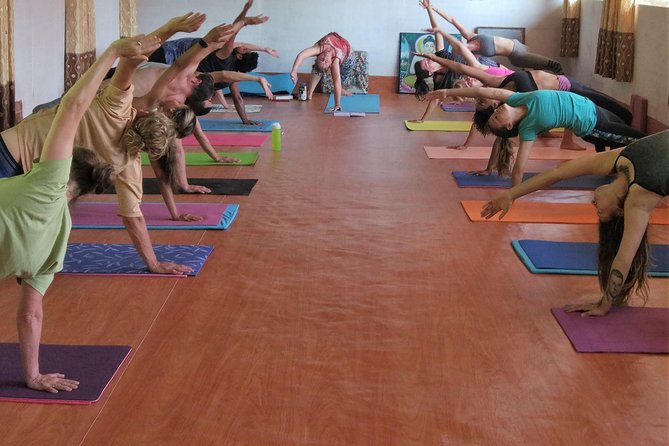
Five days, yoga, and Kathmandu heritage—no rushing. This retreat pairs morning yoga and evening breathing/meditation with guided visits to major spiritual sites like UNESCO-listed Pashupatinath Temple and Boudhanath Stupa, plus other Kathmandu Valley highlights. You get a small-group pace (max 15) that keeps the days structured, but not hectic.
Two things I’d put at the top of the list are the small-group, personalized attention and the rhythm of your day: yoga early, sightseeing midday, then a slower mental reset in the late afternoon. I also like that you’re not just “sightseeing with some stretching”—the schedule gives you regular time to breathe and recover between temples and walks.
One consideration: you’ll be out during prime daylight hours, with scheduled sightseeing running roughly 10:00 to 15:00 on the main days. And since the experience requires good weather, plan to be flexible if conditions affect the active parts of the program.
In This Review
- Key things that make this Kathmandu retreat worth a look
- A calm plan in Kathmandu: yoga first, temples second
- Your home base: Nepal Yoga Home and a straightforward meeting point
- Day-by-day schedule: how the timing actually works
- Day 1: settle in with included meals
- Day 2: Pashupatinath + Boudhanath with morning yoga and evening meditation
- Day 3: Swayambhunath and Buddhanilkhantha with the same mental reset
- Day 4: Patan and Bhaktapur with yoga, breathing, and a full sightseeing window
- Day 5: one last yoga session and check out at noon
- Pashupatinath and Boudhanath: the UNESCO pair and what you’ll feel
- Swayambhunath and Buddhanilkhantha: a day for walking and breathwork
- Patan and Bhaktapur: heritage day with a more local feel
- The hiking part in Kathmandu: what to expect and how to prepare
- Food and recovery: why the included meals matter
- Price and value: what $586.67 is buying you
- Guides and instructors: small details that change the experience
- Who should book this Kathmandu yoga retreat (and who may not love it)
- Should you book it? My decision guide
- FAQ
- How long is the retreat in Kathmandu?
- Where does it start and end?
- How many nights of accommodation are included?
- What meals are included?
- Does the tour include yoga and meditation?
- What sightseeing stops are included?
- What is the group size?
- What costs are not included?
Key things that make this Kathmandu retreat worth a look
- Daily yoga + meditation built into the schedule, with consistent morning sessions and evening breathing practices
- Small-group size (max 15), so questions and pacing don’t disappear in the crowd
- Four nights of included accommodation (2–3 star category) plus most meals
- Big-name heritage stops like Pashupatinath and Boudhanath, plus other Kathmandu Valley sites
- Clear day-to-day timing, including rest blocks you can actually use
- Active hiking component in Kathmandu Valley, described by guests as part of the experience
More trails out of Kathmandu, boots ready
- Everest Base Camp Trek – 14 Days★ 5.0 · 1,499 reviews
- Everest Base Camp Trek★ 5.0 · 842 reviews
- Everest Base Camp Trekking★ 5.0 · 485 reviews
- Nagarkot Sunrise View and Day Hiking from Kathmandu★ 5.0 · 471 reviews
A calm plan in Kathmandu: yoga first, temples second
If Kathmandu feels like information overload, this style of retreat is a smart antidote. The day starts with yoga in the morning, then you head out for heritage sightseeing, and you end with breathing and meditation to help you process what you just saw. That structure matters because it turns a “tour” into a rhythm you can follow.
I like the fact that the schedule doesn’t pretend everyone needs the same pace. Your itinerary includes rest windows on most days, so you’re not constantly switching gears between walking, heat, crowds, and reflection.
Your home base: Nepal Yoga Home and a straightforward meeting point
The tour starts and ends back at Nepal Yoga Home, in Tarkeshwor-5, Kathmandu (44600). That’s helpful because you’re not constantly changing locations mid-trip, and you’re close to public transportation.
Most nights include accommodation in a 2 or 3 star category hotel, which usually means you can expect basic comfort without paying “boutique retreat” prices. Also, because the program ends back at the same point, you’ll have a clear place to regroup on your last day.
Day-by-day schedule: how the timing actually works
This retreat is designed around repetition. Once you experience the flow on Day 2, the rest of the trip feels predictable in a good way.
Day 1: settle in with included meals
Day 1 is your arrival/settling day with lunch and dinner included. You also get four nights total of accommodation across the retreat, so you’re not scrambling for hotels during the first day.
Before you lock this one in, a few Kathmandu alternatives:
Day 2: Pashupatinath + Boudhanath with morning yoga and evening meditation
Your day starts with yoga from 07:30 to 08:30, followed by breakfast (08:30–09:15). Then there’s a rest period (09:15–10:00) before sightseeing (10:00–15:00) covering Pashupatinath Temple and Boudhanath Stupa.
After a longer midday rest (15:00–16:30), you return for breathing and meditation from 17:00 to 18:00, and dinner follows at 19:00. This day is the clearest example of the retreat philosophy: exert a bit, then return to a calmer mind.
Day 3: Swayambhunath and Buddhanilkhantha with the same mental reset
Day 3 repeats the yoga rhythm: 07:30–08:30 yoga, 08:30–09:15 breakfast, and a rest block (09:15–10:00). Sightseeing runs 10:00–15:00, focusing on Swayambhunath and Buddhanilkhantha (Sying Vishnu).
You then get rest (15:00–16:30) and another breathing/meditation session in the 17:00–18:00 window. The repetition helps if you’re new to meditation—each day reinforces the idea that the practice is part of your travel, not a separate activity.
Day 4: Patan and Bhaktapur with yoga, breathing, and a full sightseeing window
Day 4 also runs on the same structure: yoga and breakfast early, rest in between, and sightseeing from 10:00 to 15:00, this time covering Patan and Bhaktapur. You’ll then return for 17:00–18:00 breathing and meditation, with dinner at 19:00 and a night-in (20:00 bed is listed).
This is a good day for photography and cultural “soak time,” but keep expectations realistic: long daylight hours mean you’ll want comfortable walking shoes and a plan for hydration.
Day 5: one last yoga session and check out at noon
On the final day, you have a morning yoga class, and check out is at 12:00 (noon). Because the retreat ends back at the meeting point, you’ll be able to continue your Kathmandu plans without worrying about transfers with this specific activity.
Pashupatinath and Boudhanath: the UNESCO pair and what you’ll feel
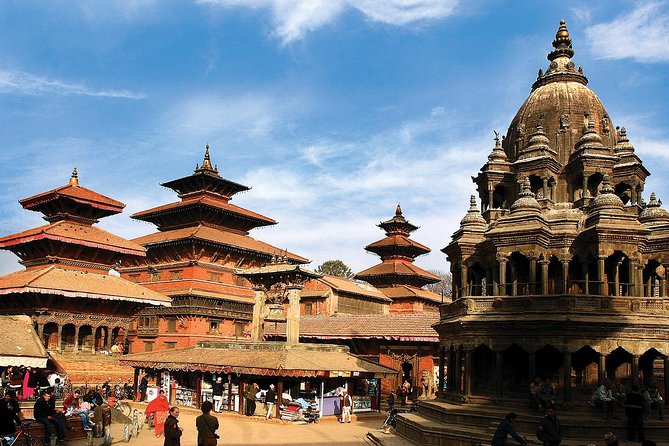
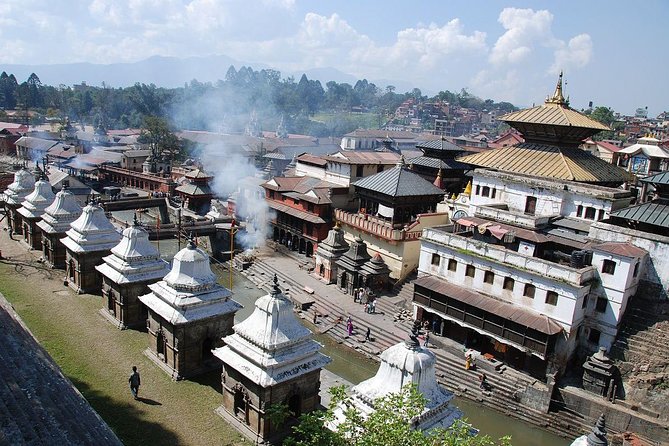
These two stops are the spiritual center of the itinerary. Pashupatinath Temple and Boudhanath Stupa are specifically called out as UNESCO-listed highlights, and they’re scheduled in one full sightseeing block on Day 2 (10:00–15:00).
The practical advantage of this pairing is timing. You start with yoga, so you’re already in a quieter physical state before you enter complex, emotionally intense places of worship. Then breathing and meditation after sightseeing gives your brain somewhere to go besides replaying images and noise all night.
The only caution I’d give is simple: days like this can be physically demanding even if the retreat’s tone is calm. Plan for crowds, uneven walking, and the fact that spiritual sites often come with rules and customs. If you like structured days and clear guidance, this format fits you well.
Swayambhunath and Buddhanilkhantha: a day for walking and breathwork
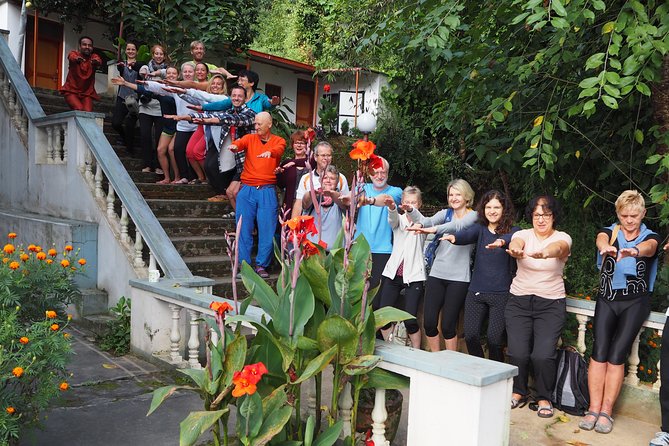
Day 3 shifts from the Day 2 UNESCO pair into other major Kathmandu Valley sites, including Swayambhunath and Buddhanilkhantha (Sying Vishnu). The schedule stays consistent: yoga, breakfast, rest, then sightseeing from 10:00 to 15:00.
What makes this day meaningful is the repeated pattern. You don’t just “see stuff.” You practice yoga in the morning, then after the sightseeing you return for 17:00–18:00 breathing and meditation. That’s useful if you’re trying to break out of the constant-scroll, always-on headspace that many first-time visitors feel when they arrive in a new country.
If you’re sensitive to heat or fatigue, the midday rest window (15:00–16:30) is there for a reason. Use it. Nap, hydrate, or just sit quietly. It’s part of the retreat, not a gap in the program.
Patan and Bhaktapur: heritage day with a more local feel
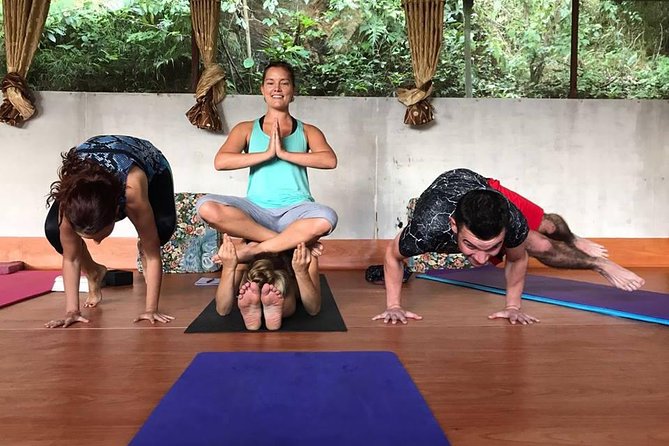
On Day 4, you’ll tour Patan and Bhaktapur during the 10:00–15:00 block. This is the day most likely to satisfy people who want Kathmandu Valley beyond the headline sites. You still get the same daily structure: early yoga, breakfast, rest, then a full sightseeing stretch, followed by breathing/meditation in the evening.
In a lot of heritage-focused tours, you end the day mentally exhausted. Here, you end with breathing and meditation, so you don’t have to rely on your own willpower to switch off. For many people, that’s when the “I needed this” feeling starts.
The hiking part in Kathmandu: what to expect and how to prepare
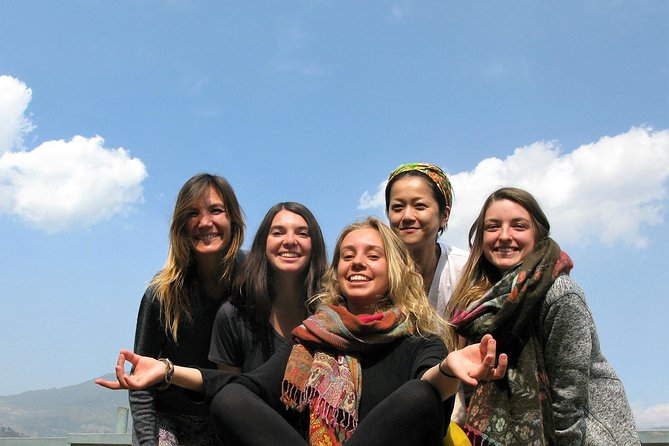
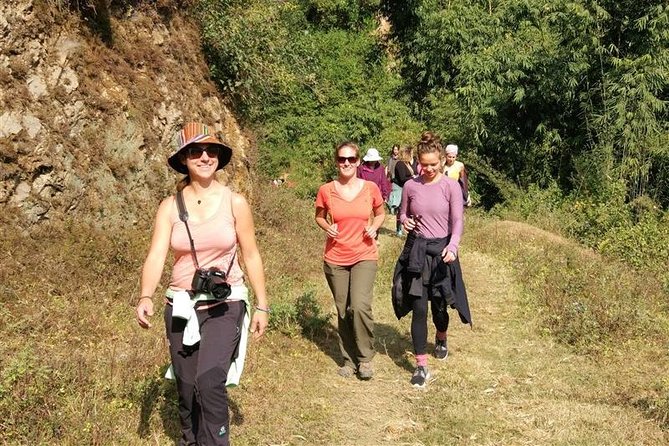
The title promises hiking, and guests explicitly describe enjoyable walking in Kathmandu Valley. One guest calls out the hike from Changunarayan to Telkot, and mentions a complimentary massage after hiking, which suggests at least one active walking day is part of some departures.
Because the detailed day-by-day timing you have here is mostly sightseeing blocks, I’d treat the hiking as “active time,” not a wilderness trek. That’s good news for first-time Nepal visitors who want movement but not a high-stamina, multi-day mountain trek.
What I’d do to prepare:
- Bring shoes you can walk in for hours without thinking about it.
- Expect stairs or uneven surfaces at heritage sites.
- Plan your pace. Yoga helps, but temple walks still demand attention.
Food and recovery: why the included meals matter
Meals are included in a way that supports the schedule instead of fighting it. You’ll have breakfast included every day (5), plus lunch (4) and dinner (4). Day 1 includes lunch and dinner, so you don’t start the retreat hunting for food immediately.
This is one reason the retreat can feel good value. You’re paying for a package that handles daily logistics, and that lowers mental load. In practice, that makes it easier to stick with the yoga routine instead of skipping a class because you’re tired and hungry.
Also, the schedule gives you rest periods after the main sightseeing block (for example 15:00–16:30 on Days 2–4). That recovery time is where you’ll benefit most, especially if you’re not used to Kathmandu’s pace.
Price and value: what $586.67 is buying you
At $586.67 per person, the cost can look high or fair depending on what you compare it to. Here’s the value math that matters: the package includes four nights of accommodation (2–3 star category), yoga and meditation classes with an experienced instructor, and guided sightseeing to multiple major Kathmandu Valley sites. It also covers most meals: 5 breakfasts, 4 lunches, and 4 dinners.
Not included items are fairly typical add-ons: airport transfers are listed as $20 per person, day trips are $100 per person, and laundry is $2 per kg. If you already planned to pay for a hotel and guides, the package cost makes more sense.
My practical take: this is best when you want structure. If you prefer total freedom to plan your own days, you might find cheaper options. But if you want yoga-led calm plus guided heritage time without the hassle, this price can be a straightforward deal.
Guides and instructors: small details that change the experience
One of the standout themes in guest feedback is helpful, caring instruction. Names that come up include Tirtha (described as manager/owner) and Mynos (a guide). Guests also mention Manoj as a yoga teacher and describe the guidance as supportive and clear.
Even if you never meet the same people twice, that kind of continuity matters on a retreat. You’re practicing yoga and meditation daily, so the instructor’s communication style affects whether you feel safe and comfortable. The fact that the retreat is built around small groups (max 15) also makes it easier for staff to notice what you need.
Who should book this Kathmandu yoga retreat (and who may not love it)
This retreat fits well if:
- You’re a first-time Nepal visitor and want a guided introduction to Kathmandu Valley highlights.
- You want daily yoga and meditation without building your own schedule.
- You prefer a group structure with room for rest (not constant motion).
- You like the idea of combining spiritual sites with quieter mental practices at the end of the day.
You might want to think twice if:
- You’re looking for long, strenuous backcountry trekking. The walking seems more like guided active time and city-heritage exploration than a remote mountain expedition.
- You dislike fixed timing. The day has strong anchors (morning yoga, sightseeing blocks, evening breathing).
Should you book it? My decision guide
Book it if you want Kathmandu with a pause button. The daily cycle of yoga → sightseeing → breathing/meditation is exactly the kind of structure that helps most people feel grounded instead of overwhelmed. Add the included accommodation and most meals, and you get fewer logistics headaches.
Skip or compare if your priority is pure free-time exploration or if you’re chasing big adventure trekking. Also, given the good-weather requirement, check your flexibility. If you can handle a schedule that values rest and reflection, this retreat is a strong fit.
FAQ
How long is the retreat in Kathmandu?
The experience runs for 5 days (approx.).
Where does it start and end?
It starts and ends back at Nepal Yoga Home, Tarkeshwor-5, Kathmandu 44600, Nepal.
How many nights of accommodation are included?
Four nights of accommodation are included.
What meals are included?
Breakfast is included 5 times, lunch is included 4 times, and dinner is included 4 times.
Does the tour include yoga and meditation?
Yes. Yoga and meditation classes with an experienced instructor are included, including morning yoga sessions and breathing/meditation in the late afternoon.
What sightseeing stops are included?
The itinerary includes visits to Pashupatinath Temple and Boudhanath Stupa, plus Swayambhunath and Buddhanilkhantha, and also Patan and Bhaktapur.
What is the group size?
The tour is a small-group experience with a maximum of 15 travelers.
What costs are not included?
Airport transfers are listed as $20 per person, day trips are listed as $100 per person, and laundry is listed as $2 per kg per person.
More Trekking Out of Kathmandu
More Tours in Kathmandu


More Tour Reviews in Kathmandu
Just Reviewed in Kathmandu
- Mountain Bike Tour
★ 5.0 · 3 reviews - Annapurna Panaroma
★ 5.0 · 3 reviews - Mount Everest Scenic Flight 50 Minutes
★ 5.0 · 3 reviews - Kathmandu : Swambhunath & Durbar Square Guided Half Day Tour
★ 3.3 · 3 reviews - Chandragiri Cable Car & Monkey Temple Tour – Private/Group
★ 5.0 · 3 reviews - Kathmandu: Shivapuri National Park Hiking Day Trip
★ 3.3 · 3 reviews
Yoga & Meditation Retreats, compared.
 ★ 5.0500 hours Advanced Yoga Teacher Training at Nepal Yoga Home (Every 1st of month)From $2,506185 reviews
 ★ 5.0200 Hours Yoga Teacher Training at Nepal Yoga Home (starts on 1st of everymonth)From $2,000125 reviews
 ★ 4.82 Stupas and Kopan Monastery Spiritual TourFrom $6115 reviews
 ★ 5.03 night 4 Day Yoga & Ayurveda Retreat to Detox the Body & Mind, NepalFrom $30037 reviews
 ★ 5.021 days Himalayan yoga retreat in Nepal in KathmanduFrom $1,28228 reviews
 ★ 5.010 Days Ayurveda & Yoga Retreat in Kathmandu, NepalFrom $1,00024 reviews
 ★ 5.0Everest Base Camp Yoga Trek – 15 DaysFrom $1,69920 reviews
 ★ 5.021 Day Ayurveda & Yoga Retreat in the Himalayan country, NepalFrom $2,10019 reviews
Browse the lists this tour appears in