
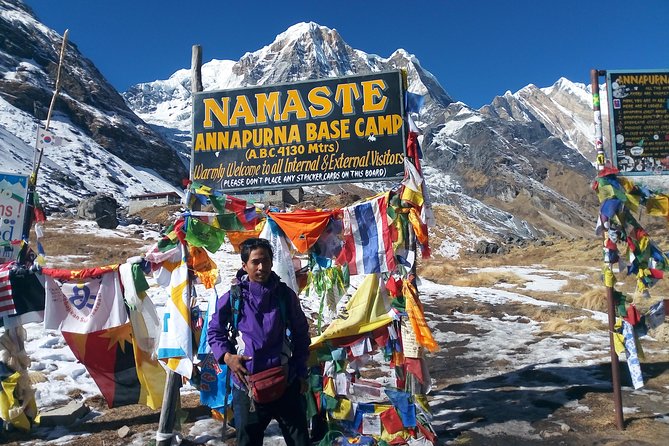
Review · ANNAPURNA BASE CAMP TREKS
Annapurna Base Camp Trek – 10 Days
Four thousand-plus meters, then the stars.
This 10-day Annapurna Base Camp trek blends Himalayan views with village-to-village walking, run with the help of a licensed guide and a support team. I like how the trip is structured enough to feel safe, but still flexible so you can pace yourself. The main thing to plan for is the altitude: you’ll be trekking up to about 4,130m, so you need a calm, steady approach and solid health prep.
I also like the value math. For $699, you’re getting airport and between-city transfers, Kathmandu and Pokhara hotels, six nights in tea houses during the trek, breakfast, dinner(s), and a licensed guide with equipment/transport handled. A couple of costs are on you (mostly lunches/drinks in cities and gratuities), but the package covers the big-ticket items you’d otherwise piece together yourself.
In This Review
- Key things that make this trek work
- Entering Kathmandu: Thamel, Durbar Square, and Pashupatinath
- The Pokhara move: buses, river views, and viewpoint setup
- Chhomrong day: rhododendron trails and the long rhythm
- Sinuwa and the stone-step climb: where effort pays off
- The ABC push to 4,130m: base camp is a weather test
- Returning through bamboo and back to Jhinu Danda
- Pokhara finish: rice farms, Phewa Tal, and Sarangkot views
- Kathmandu wrap-up: Patan Durbar Square plus museum time
- What you actually get for $699 (and what you’ll pay extra)
- Altitude, insurance, and gear: the unglamorous stuff that keeps you safe
- Who should choose this Annapurna Base Camp trek
- Should you book this 10-day Annapurna Base Camp trek?
- FAQ
- What altitude does the trek reach?
- How long is the Annapurna Base Camp portion and where do you stay?
- What’s included in the $699 price?
- What costs are not included?
- Do I need travel insurance?
- How fit do I need to be?
- Is this a private group or shared with strangers?
Key things that make this trek work

- Small-group feel (max 12) with the practical comfort of a “private” group setup
- View-focused highlights like Poon Hill and Sarangkot around your trekking rhythm
- Tea-house overnight planning (6 nights) so you’re not guessing where you’ll sleep
- Licensed guide + first-aid support plus a team that often includes guides such as Santosh and Asok
- Altitude reality handled upfront with advice to talk to your doctor and carry insurance
- You can leave extra luggage behind and pick it up on your way out
More trails out of Kathmandu, boots ready
- Everest Base Camp Trek – 14 Days★ 5.0 · 1,499 reviews
- Everest Base Camp Trek★ 5.0 · 842 reviews
- Everest Base Camp Trekking★ 5.0 · 485 reviews
- Nagarkot Sunrise View and Day Hiking from Kathmandu★ 5.0 · 471 reviews
Entering Kathmandu: Thamel, Durbar Square, and Pashupatinath
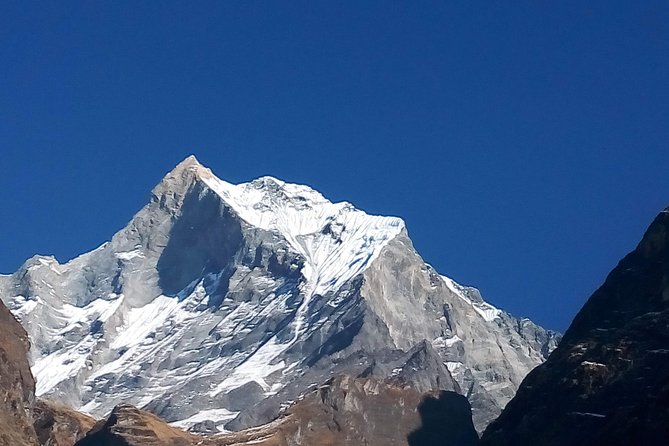
Kathmandu is where you get your bearings fast. You land at Tribhuvan International Airport, get met, and are taken to your hotel. After that, the trip flows into an easy, tourist-friendly base around Thamel, which is handy for last-minute trekking gear and getting used to local street life.
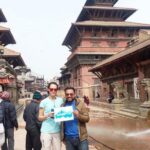
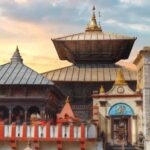
I like that the early sightseeing isn’t random. You’re given time around key spots like Kathmandu Durbar Square and Pashupatinath Temple, both of which help you understand that Nepal isn’t just mountains—it’s temples, daily rituals, and a living culture you pass on your way to the trailhead.
One practical tip: use this first day to sort your essentials—charging devices, hydration needs, and warm layers. If you rush that, the trek will demand your energy later when you’d rather spend it on walking.
The Pokhara move: buses, river views, and viewpoint setup
Day two shifts you toward Pokhara. You’ll be picked up early, then head to the bus park for the schedule bus drive to Nayapul, with the ride described as following the river with scenic views. This matters more than it sounds: the “getting there” part helps you transition from city pace to trekking pace.
Pokhara is also where the trip’s viewpoint pieces start to line up. Stops listed for this segment include Swayambhunath and Chandragiri Hills (both viewpoint spots in the Kathmandu area) and later the itinerary builds toward Poon Hill. In plain terms: the operator is setting you up to see the Himalayas from different angles before you earn the big day at altitude.
If you’re prone to travel jitters, this is the right kind of day. You’re not asked to hike hard; you’re asked to arrive in Pokhara ready for the next days of walking. You’ll do better on the trail when your first few days feel controlled instead of chaotic.
Chhomrong day: rhododendron trails and the long rhythm
Once you start trekking for real, the route works in a classic Annapurna style: steady effort, small villages, frequent visual breaks, and enough ups-and-downs to keep the hike interesting.
A highlight stop is Chhomrong, reached after a climb-and-descent day that goes through lush woodlands and rhododendron-rich paths. Even when the trails are uneven (and they often are), the design of this portion gives you a manageable goal: get to Chhomrong, rest, and be ready for tomorrow.
Why Chhomrong is such a common anchor point for ABC trekkers: it’s a village that helps you feel like you’re part of the region instead of just passing through it. You get a sense of the local way of life in the Annapurna foothills—plus you’ll likely spot people who’ve done this route more than once, which is useful for spotting practical habits like how to organize your daypack.
Drawback consideration: this kind of day can still feel tough if you start too fast. If you keep your steps smooth and don’t race climbs, you’ll arrive more comfortable and your altitude later will thank you.
Sinuwa and the stone-step climb: where effort pays off
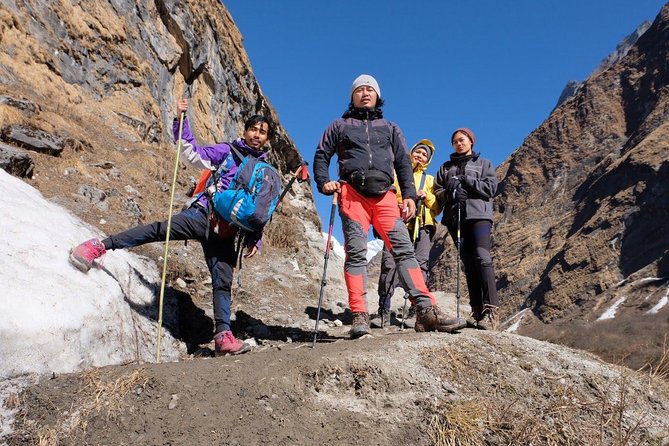
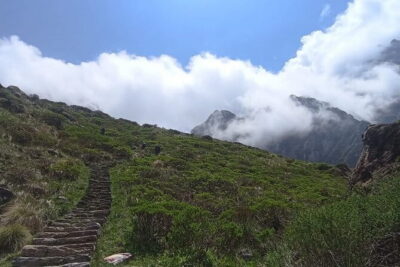
From Chhomrong you work toward Sinuwa, and this segment includes some serious stairs. The description calls out a crossing of the riverbed, then an ascent of about 2,500 stone steps carved into the hillside. That’s the kind of detail you should take seriously because it changes how you hike: you don’t “power up,” you “rhythm up.”
The itinerary also points to mountain viewing opportunities during the climb. It mentions amazing sights of the Machhapuchhre area, which is a big reason people love this region: even when you’re focused on footwork, the scenery pulls you forward.
Sinuwa also signals the trek is getting wetter and more rugged-feeling as you move deeper. It’s a good checkpoint to refuel, reset your layers, and check your gear (especially socks and boots). Small issues become big issues at altitude.
The ABC push to 4,130m: base camp is a weather test
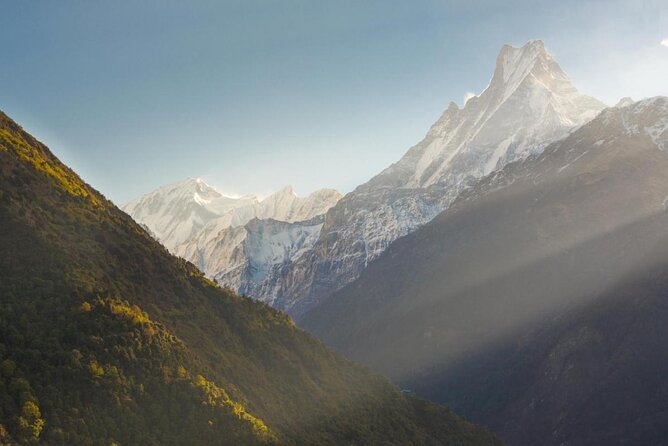
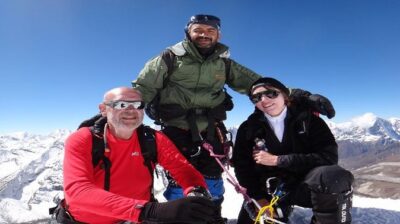
Then comes the star of the show: trekking to Annapurna Base Camp at about 4,130m. The description emphasizes a steady approach, including a gentler climb alongside a riverbed toward Bagar, then onward toward the Machhapuchhre Base Camp area. You should expect a strenuous day, not a casual walk.
This is the part where pacing matters most. At higher altitude, your heart rate goes up for the same effort, and your lungs work harder. If the climb is demanding, it’s not a personal failure—it’s physics.
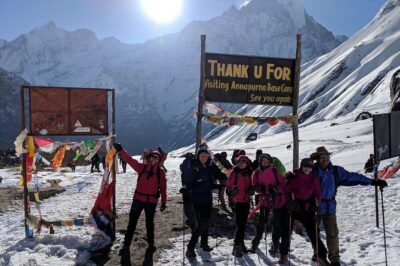
What makes ABC worth it is what you experience once you’re there: the mountains feel close, the air feels thin, and the stillness can be oddly emotional. But the other reality is weather. Even if you’ve planned for clear skies, you may get cloud, wind, or changing visibility. That’s why having a guide who stays focused on safety and timing is key.
Practical approach: when you reach base camp, don’t treat it like a photo booth. Take short breaks, sip water, keep warm, and plan your next step. If you linger too long in cold or wind, you’ll pay for it on the way back down.
Returning through bamboo and back to Jhinu Danda
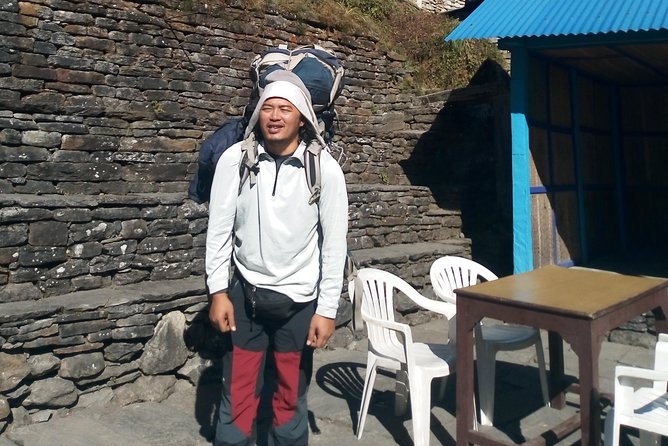
After ABC, you retrace steps—specifically heading back toward bamboo. The route description notes trekking through a sanctuary area with a wetland-like feel and trails passing over smaller features. That tells you the return isn’t just “going downhill and done.” It’s still real walking, just with different terrain cues.
Day seven includes Jhinu Danda, reached after trekking uphill from bamboo toward Kuldighar and then descending again toward the Chhomrong Khola, with climbs back toward Chhomrong along the way. The details read like a “working the valleys” day: you’ll feel the ups and downs more than you might expect.
Why the return days are important: they help your body recover from summit efforts while still keeping the schedule moving. They also reduce your altitude gradually, which matters for how you sleep and how you feel the next morning.
I also like that this trek doesn’t pretend you’ll feel perfect every day. It gives you steady, repeatable trail patterns. That’s helpful if you’re new to high-altitude trekking or if you simply want a plan that doesn’t break your confidence.
Pokhara finish: rice farms, Phewa Tal, and Sarangkot views
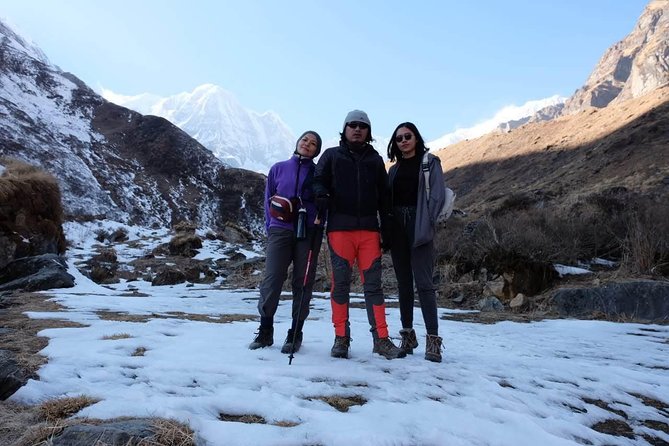
From Jhinu, you head down toward Nayapul and back to Pokhara. The description calls out countryside trekking with distant Annapurna views and rice plantations along the route. This is a mental shift day: you go from high-altitude intensity back to warmer, slower-feeling villages.
Once in Pokhara, the itinerary includes Phewa Tal (a quick stop at the lake) and Sarangkot, which is a classic viewpoint area. This pairs nicely with the earlier mention of Poon Hill. Together, they help you see how the Himalayas can look different depending on light and angle.
After nine days on your feet, the practical win is that your body gets a break without the trip turning into a random vacation. You still get the region’s “big views,” just in a more relaxed way.
Kathmandu wrap-up: Patan Durbar Square plus museum time
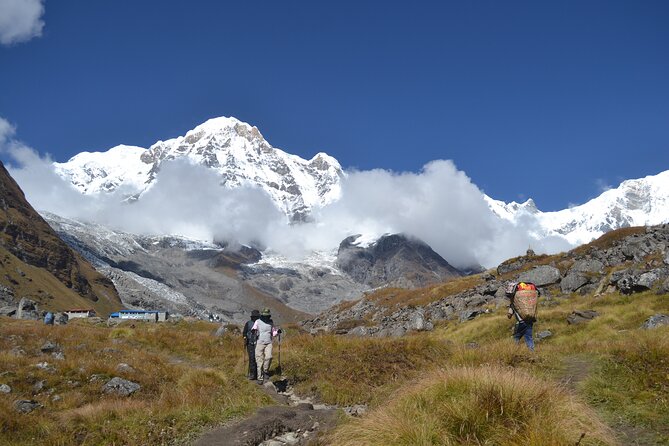
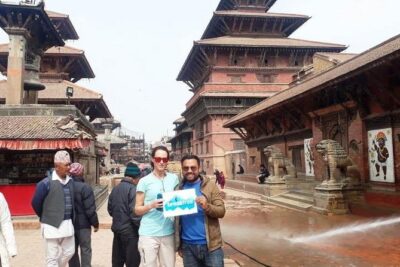
On day nine you drive back to Kathmandu from Pokhara. You also stop at Patan Durbar Square, giving you a different side of Kathmandu Valley’s architectural style and cultural vibe.
Day ten is your final Kathmandu day. You return to the hotel-area life one last time and then you’re dropped at Tribhuvan International Airport. Stops listed include the Garden of Dreams and Narayanhiti Palace Museum, both of which work well as low-effort ways to end the trip. You’ll want that after a trek; nobody likes sightseeing when their legs are still negotiating with gravity.
If you have time at the end, I’d keep it simple: good meal, hot shower, and a careful re-check of any lost items. This helps you avoid the classic “I forgot my charger on day one” regret.
What you actually get for $699 (and what you’ll pay extra)
Let’s talk value like an adult.
Included in the price:
- Airport transfers
- 2 nights in Kathmandu and 2 nights in Pokhara (with breakfast), in hotels described as 3-star start
- 6 nights in tea houses during trekking
- Kathmandu–Pokhara by luxuries tourist bus
- Pokhara–Nayapul–Pokhara by private car
- A government-licensed guide and trekking support details (including the guide’s food, drinks, insurance, salary, equipment, transport, and local tax)
- First-aid kit and a Himalayas Recreation T-shirt
- Farewell dinner with cultural show
- Breakfast (9)
Not included:
- Lunch and drinks in Kathmandu and Pokhara, and dinner in those cities: listed as $150 per person
- Gratuities: $50 per person
So the value case is pretty clear. You’re paying for the parts that are hard to self-plan—tea-house logistics, a licensed guide, and the intercity transport system. If you try to do ABC on your own without guide support, costs can look cheaper at first, but you often end up paying in stress, time, and gear headaches.
One more practical value note: the group is capped at 12 people, and the trip is described as private for your group. Smaller groups usually feel easier to manage, especially when weather or timing changes.
Altitude, insurance, and gear: the unglamorous stuff that keeps you safe
At around 4,130m, altitude isn’t optional. The trip info is blunt: you should talk to your doctor before departure because adverse effects can happen at elevation to anyone, regardless of age or fitness. That’s not meant to scare you—it’s meant to make you plan.
Also required: travel insurance that covers medical expenses and emergency repatriation. You need proof shown to the tour leader on day one.
Gear-wise, the itinerary says trekking gear is available to buy or rent in Kathmandu, and the guide can help arrange it. That’s useful if you don’t own proper layers, boots, or trekking poles yet.
If you’re carrying extra stuff, you can leave luggage at the office or hotel and retrieve it at the end. This is a sanity saver: you won’t drag unnecessary weight while your legs are doing the work.
Who should choose this Annapurna Base Camp trek
This trek fits best if you:
- Want a classic ABC route with tea-house nights and an organized support system
- Prefer a guided experience for safety and pacing, especially at altitude
- Like viewpoint days (Poon Hill, Sarangkot) mixed into trekking rather than a separate side trip
- Are traveling as a couple and want a shared adventure with the operator’s structured support
In the feedback, names like Santosh, Asok, Raju Simkhada (Rash), and porters like Varat and Dibo come up around professionalism and support. That matters because ABC is a demanding itinerary. A caring guide and porter team can turn “hard day” into “hard day I can handle.”
If you’re the kind of traveler who wants full freedom and no schedule at all, this probably won’t feel loose enough. But if you want structure with sensible flexibility, this is a strong match.
Should you book this 10-day Annapurna Base Camp trek?
I’d book it if your top goals are safe, well-run logistics, big Himalayan views, and a trek that balances effort with comfort. The package covers the expensive-to-organize parts: guide support, tea-house planning, and the Kathmandu–Pokhara transfer chain.
I’d think twice if:
- You have health concerns related to altitude and haven’t cleared them with a doctor
- You dislike stairs and uneven trails (there are serious step sections, including a big 2,500-step climb in the Sinuwa approach)
- You want to minimize extra spending, since lunches and drinks in cities plus gratuities are additional
If you’re prepared for high altitude, keep a steady pace, and pack smart, this trek offers real value—and it ends with the kind of Kathmandu-and-Pokhara wrap-up that feels rewarding, not rushed.
FAQ
What altitude does the trek reach?
The itinerary notes trekking up to approximately 4,130m (13,550 feet) at Annapurna Base Camp, with possible weather changes that can affect how you feel.
How long is the Annapurna Base Camp portion and where do you stay?
The trip is about 10 days total, and it includes 6 nights in tea houses during the trek. You start from Pokhara and work through village stops toward Annapurna Base Camp.
What’s included in the $699 price?
Included are airport transfers, hotel stays in Kathmandu and Pokhara with breakfast, tea-house accommodations during the trek, Kathmandu–Pokhara by tourist bus, Pokhara–Nayapul–Pokhara by private car, a government-licensed trekking guide, first-aid kit, farewell dinner with cultural show, and breakfast.
What costs are not included?
Lunch and drinks in Kathmandu and Pokhara (and dinners in those cities) are listed as $150 per person, and gratuities are listed as $50 per person.
Do I need travel insurance?
Yes. The information says travel insurance covering medical expenses and emergency repatriation is required, and proof must be shown to the tour leader on the first day.
How fit do I need to be?
The trip is described for travelers with moderate physical fitness. You’ll be walking at demanding altitudes, so it’s important to be prepared for sustained effort.
Is this a private group or shared with strangers?
The experience is described as private for your group, with a maximum of 12 people per booking.
More Trekking Out of Kathmandu
More Tour Reviews in Kathmandu
Just Reviewed in Kathmandu
- Mountain Bike Tour
★ 5.0 · 3 reviews - Annapurna Panaroma
★ 5.0 · 3 reviews - Mount Everest Scenic Flight 50 Minutes
★ 5.0 · 3 reviews - Kathmandu : Swambhunath & Durbar Square Guided Half Day Tour
★ 3.3 · 3 reviews - Chandragiri Cable Car & Monkey Temple Tour – Private/Group
★ 5.0 · 3 reviews - Kathmandu: Shivapuri National Park Hiking Day Trip
★ 3.3 · 3 reviews
Annapurna Base Camp Treks, compared.
 ★ 5.0Annapurna base camp trek 5 DaysFrom $699252 reviews
 ★ 5.014-Day Private Annapurna Base Camp TrekFrom $1,090180 reviews
 ★ 5.0Annapurna Base Camp TrekkingFrom $1,779116 reviews
 ★ 5.0Annapurna Base Camp TrekFrom $935111 reviews
★ 5.0Annapurna Base Camp TrekFrom $1,350107 reviews
★ 5.0Annapurna Base Camp TrekFrom $935111 reviews
★ 5.0Annapurna Base Camp TrekFrom $1,350107 reviews
 ★ 5.0Kathmandu to Annapurna Base Camp (ABC) 5-Day TrekFrom $99102 reviews
 ★ 5.0Annapurna Base Camp Trek- 11 DaysFrom $99990 reviews
 ★ 5.0Annapurna Base Camp Trek 12 DaysFrom $80085 reviews
Browse the lists this tour appears in