
Review · ANNAPURNA BASE CAMP TREKS
Annapurna Base Camp Trek
A good base camp trek has one big payoff, and this one delivers. You get multiple scenery types in a short window, from forest trails and Gurung village life to the 360° views waiting at Annapurna Base Camp. I also like the human side of the route, with stops in Ghandruk and Chomrong where you actually slow down and meet the people of the Annapurna region.
The main drawback to plan around is effort: the days leading into ABC are the hardest stretch, and the itinerary is built for steady hiking, not easy strolls.
In This Review
- Key highlights worth circling
- Annapurna Base Camp in 12 days: what makes it special
- Price and logistics: what $810 buys you (and what you still handle)
- Kathmandu Day 1: orientation at 7 pm and a smart first-night plan
- Pokhara Day 2: lakeside decompression before the first climb
- From Nayapul to Ghandruk: first trail textures and a real village feel (Day 3)
- Chhomrong and the 2500-step reality check (Days 4–5)
- Bamboo forests, the Himalayan Hotel, and Deurali’s big “feels like altitude” moment (Day 6)
- The hardest day: Bagar to MBC to Annapurna Base Camp (Day 7)
- Recovery day 8: mostly downhill back to Bamboo
- Jhinu Danda hot springs after the Chhomrong climb (Day 9)
- Naya Pul and Pokhara: get the body back on pavement (Days 10–11)
- Who this trek suits best
- Guide and porter support: how to keep the trek feeling manageable
- What to bring and how to plan your energy
- Should you book this Annapurna Base Camp trek?
- FAQ
- What’s included for meals and lodging?
- Do I get a guide and porter?
- Are airport and hotel transfers included?
- Is pickup offered?
- What permits or entry fees do I need?
- What’s not included in the trip price?
- What happens if weather cancels the trek?
Key highlights worth circling
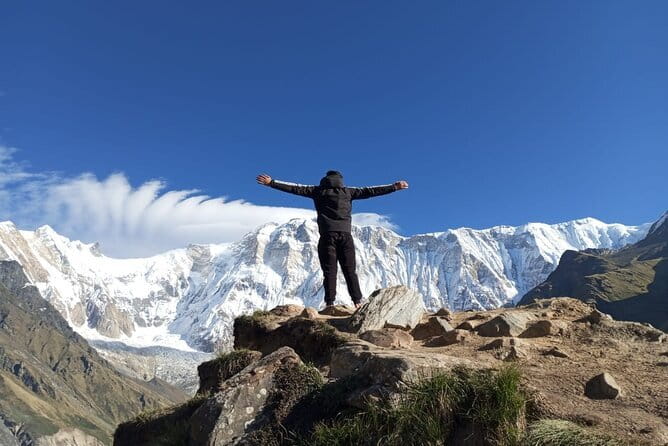
- Annapurna Base Camp’s 360° panorama: the trip’s clear headline moment.
- Ghandruk and Chomrong village time: real community stops, not just pass-throughs.
- Bamboo forest hiking and Himalayan Hotel landmark: you feel the altitude changes in the trail.
- Machhapuchre Base Camp (MBC) en route to ABC: a huge view stop before the final push.
- Jhinu Danda hot springs: a practical recovery moment after long days.
- Guide + shared porter setup: you hike; you don’t carry everything.
More trails out of Kathmandu, boots ready
- Everest Base Camp Trek – 14 Days★ 5.0 · 1,499 reviews
- Everest Base Camp Trek★ 5.0 · 842 reviews
- Everest Base Camp Trekking★ 5.0 · 485 reviews
- Nagarkot Sunrise View and Day Hiking from Kathmandu★ 5.0 · 471 reviews
Annapurna Base Camp in 12 days: what makes it special
This trek is famous for a reason. Annapurna Base Camp sits in a zone where the mountains feel close, and the trail keeps switching scenery so the hike doesn’t get boring. One day you’re moving through forest shades and river valleys; the next you’re walking into sparse vegetation toward open sanctuary views.
I like that the itinerary mixes “wow” views with lived-in village culture. You pass through well-known Gurung settlements like Ghandruk and Chomrong, and you have time to notice how people live at the trail’s edge. That matters because ABC can otherwise turn into a pure climb-and-go checklist. This route keeps you connected to the place.
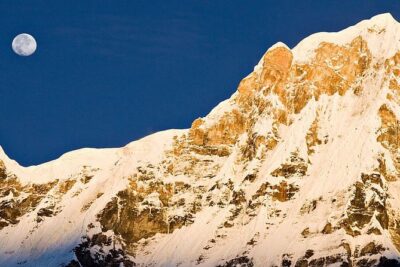
If you’re the type who enjoys sunrise mountain light, you’ll also appreciate the timing built into early starts. Even without chasing every photo, those early departures make the mountains look different than late-day views.
Price and logistics: what $810 buys you (and what you still handle)
At $810 per person for about 12 days, this package is priced like a full service trek, not a “figure it out” adventure. The value comes from four big buckets:
- Lodging and meals on trek days: you get 8 nights in trekking lodges/tea houses, plus breakfast, lunch, and dinner each trekking day.
- Support staff: a government-certified English-speaking trekking guide and a porter on a shared basis (1 porter to 2 trekkers).
- Transfers and major transport: private car transfers around Kathmandu, plus tourist bus transport Kathmandu–Pokhara–Kathmandu.
- Permits/entry fees: trekking permits and entry fees are included, so you’re not doing paperwork mid-trip.
What you’re responsible for is still real, especially in two areas. First, personal expenses like drinks and laundry aren’t covered. Second, trekking insurance must cover helicopter rescue in an emergency. The package includes staff insurance and costs, but your medical/emergency cover is on you.
Also note the trip is “private” in the sense that only your group participates. That’s good for coordination and pacing. But some transport (Kathmandu–Pokhara by tourist bus) is still shared in practice, just not with random strangers in your trek group.
Kathmandu Day 1: orientation at 7 pm and a smart first-night plan
Your first day is straightforward: pickup from Tribhuvan International Airport, hotel drop-off, then a briefing with your trek leader around 7 pm. I like this timing because it gives you one clear chance to ask questions before you’re stuck on the trail with cold water and fewer outlets.
If you land early, you can use the spare time in Thamel or go toward Ason market for an easy taste of Kathmandu street life. You can even watch a Nepali film if that’s your style. The key is not to overdo it. You’ll want sleep, because the trek starts with early days soon after.
Pokhara Day 2: lakeside decompression before the first climb
Pokhara is where the trek starts to feel real. After your drive from Kathmandu, you check in and get a calm introduction: Fewa Lake by boat and a visit to Tal Barahi Temple. If the weather is clear, you may see Mt. Fishtail along with the Annapurna and Dhaulagiri ranges.
This day is valuable because it’s not only sightseeing. It also helps you adapt to Nepal’s travel rhythm: short drives, quick meals, and planning around weather. Lakeside evenings are also good for gear checks—laces, socks, and that one item you forgot you owned.
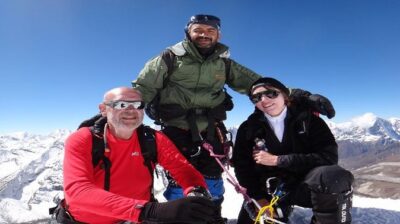
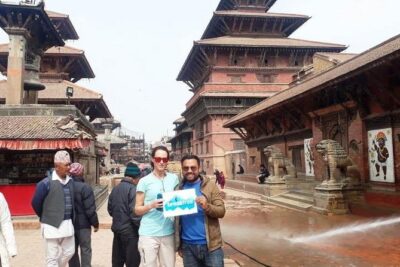
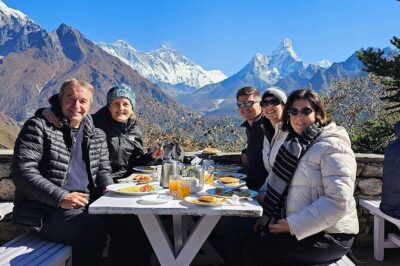
From Nayapul to Ghandruk: first trail textures and a real village feel (Day 3)
On trek day one, you drive to Nayapul, then begin hiking via Birethanti. The trail starts through dense forest and includes steep terrain before you arrive in Ghandruk.
Why this stop works: Ghandruk is a major Gurung settlement, so it feels like a home base rather than a random overnight. If you have time, you can visit the Gurung Museum too. That’s a small add-on, but it helps you understand what you’re seeing on the trail.
The practical tradeoff is your first day includes effort. If you start too fast, you’ll pay for it later. The trick is to find a steady pace early, then let the altitude build.
Chhomrong and the 2500-step reality check (Days 4–5)
Days 4 and 5 are where the itinerary locks in its rhythm: steep ups, steep downs, then a village night.
- Day 4 (toward Chhomrong) runs through segments like Kimrung Danda and Kimrung Khola, then climbs back up toward Chere Danda before easing into Chhomrong. You feel the terrain shift between forest sections and valley views. Overnight is in Chhomrong, which sits well for the Annapurna massif vibe.
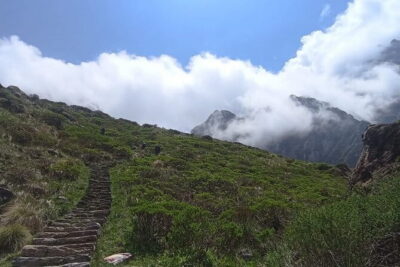
- Day 5 is more specific about legs. You descend around 2,500 steps to Chhomrong Khola, then climb steeply to Sinuwa. Later you pass through forest to Kuldihar and reach Bamboo after an easier downhill section.
That 2,500-step note matters. Going downhill is often harder on knees than going up. If you have any knee sensitivity, bring trekking poles and use a slower downhill cadence.
Chhomrong also tends to set the tone emotionally. Reviews mention friendly locals and the kind of simple moments that happen at village tea houses. Even if you’re not chasing culture every minute, the village nights make the trek feel like a journey, not a workout treadmill.
Bamboo forests, the Himalayan Hotel, and Deurali’s big “feels like altitude” moment (Day 6)
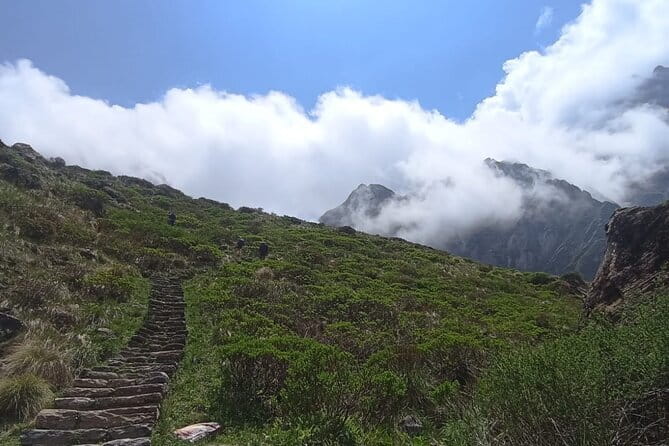
Day 6 moves into a dense, cold, damp bamboo forest. Then the trail ramps up again with steep ascents, leading to the Himalayan Hotel, a known landmark for trekkers.
One thing I like about this section is that it gives you variety in a short distance: forest shade, river glacial views once the trail opens, and then another climb toward places like Hinku Cave. After that, the route trends back toward the river before a gentle ascent lands you in Deurali.
This is a good day to keep your expectations realistic. If you’re chasing big mountain views every hour, you’ll be disappointed. If you like the feel of hiking through different ecosystems, this is a strong day. Reviews also highlight waterfalls and the feeling of mist from water sources along the route, and this region fits that vibe.
The hardest day: Bagar to MBC to Annapurna Base Camp (Day 7)
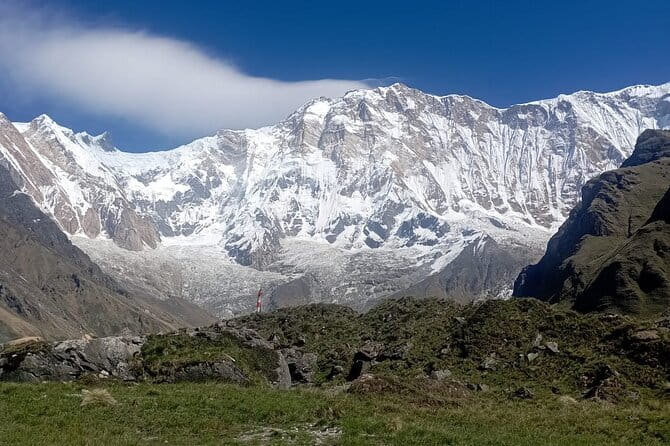
Day 7 is the centerpiece. It’s also the most strenuous day, and the itinerary starts early for a reason. You hike to Bagar, then push on toward Machhapuchre Base Camp (MBC). The effort is real, but you get rewarded with major mountain views along the way.
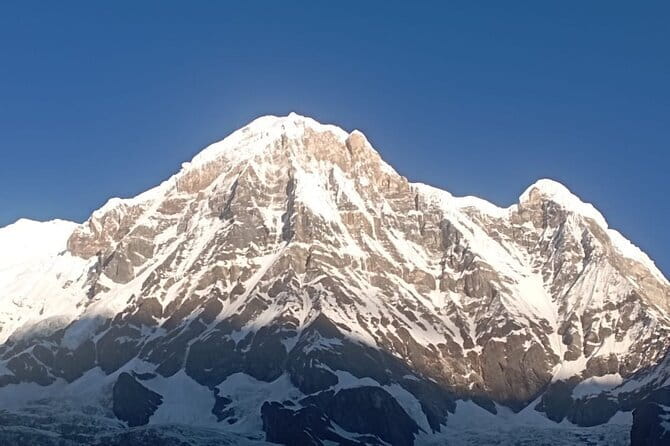
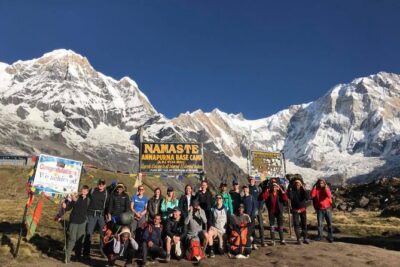
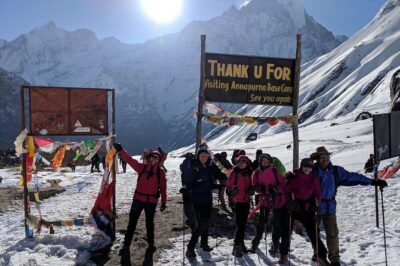
Then comes the final leg to Annapurna Base Camp (ABC). The trail goes through sparse vegetation and wide paths through the Annapurna sanctuary area. When you reach ABC, you’re hit with a phenomenal 360° panorama.
This is where I think the trek earns its reputation. The views aren’t just pretty backdrops; they change how the whole hike feels. The effort turns into something you can point at and remember clearly.
Practical note: because this is your toughest day, treat it like a performance. Eat your breakfast, keep water going, and don’t race the group. You’ll likely share the trail with other trekking teams, and that makes it easy to get caught up in pace.
Recovery day 8: mostly downhill back to Bamboo
You retrace your way back to Bamboo. This day is primarily downhill and described as relatively easy compared with the push to ABC.
Why this day matters: it’s your chance to absorb what you just did without burning more energy. It’s also a useful reset for your feet. If you’re going to have hotspots or toe rubbing, this is when you’ll notice them—so adjust socks and shoe fit earlier rather than waiting for day nine.
Jhinu Danda hot springs after the Chhomrong climb (Day 9)
Day 9 builds again. You trek uphill to Kuldighar, descend to Chhomrong Khola, then climb back up toward Chhomrong using another 2,500-step stretch. After that, you descend to Jhinu Danda.
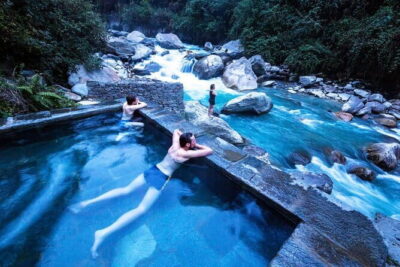
The payoff is what comes next: a short walk from Jhinu Danda to popular natural hot springs, where you can relax and rejuvenate. This is one of the best “I did the work” rewards built into the itinerary. It turns a tough day into a story you’ll tell later.
Naya Pul and Pokhara: get the body back on pavement (Days 10–11)
On Day 10, you go downhill from Jhinu to Nayapul, then drive back to Pokhara and transfer to your hotel. The walking is gentler than uphill days, but it still feels like hiking after a trek. Hydrate and take it slow when you arrive.
Day 11 brings you back to Kathmandu early, then leaves time to explore Thamel and shop for souvenirs and Nepali handmade products.
This last city time is a good chance to organize your photos, check any trekking gear issues, and celebrate without planning a full day of walking.
Who this trek suits best
This Annapurna Base Camp trek is a great fit if you:
- want a shorter, classic ABC route rather than a long expedition
- can handle a “hard day” built around reaching base camp
- enjoy village stops and meeting local communities
- like a mix of forests, riverside views, and open mountain panoramas
It’s also explicitly described as requiring moderate physical fitness. If you’re comfortable hiking daily and you’re okay with steep steps and downhill strain, you’re in the right zone.
Guide and porter support: how to keep the trek feeling manageable
The package includes a professional, government-certified, English-speaking trekking guide. You’re also assigned a porter on a shared basis (1 porter for 1–2 trekkers), plus a duffel bag.
If you’ve seen comments from past trekkers, you may recognize names like Khem and Shree in connection with excellent service. I can’t guarantee you’ll get the same staff, but it’s a sign the company puts effort into the human side of the trek.
For you, the key benefit is mental. With a guide, you’re not guessing routes. With a porter, you can hike instead of hauling. That keeps your focus where it should be: your pace and your views.
What to bring and how to plan your energy
The itinerary includes cold, damp bamboo forest hiking and a day that’s described as very strenuous, plus chilly mountain conditions in the wider experience. So treat this as a “layers” trek, even if your day one feels warm in Kathmandu.
You’ll also spend time in villages and lodge settings, which means you’ll do best with simple comfort items: a spare layer, warm mid-layer for mornings, and gear that dries reasonably. Your lodging is in trekking lodges/tea houses on the trek nights, so you’ll want to pack for that style of travel rather than expecting hotel comforts.
Finally, plan your effort around the big day (Day 7). If you arrive at MBC and ABC feeling rushed, the mountains can blur. If you pace smart, you’ll remember the place instead of just surviving the climb.
Should you book this Annapurna Base Camp trek?
I’d book it if you want the ABC highlight with a structured, supported setup: meals included during the trek, trekking permits handled, a real guide, and a shared porter so you can hike with your energy intact. The itinerary also gives you meaningful non-base-camp moments—Ghandruk and Chhomrong culture, Bamboo nights, and Jhinu Danda hot springs.
I’d think twice if you expect an easy stroll every day. The route includes steep terrain and repeated step climbs, and Day 7 is the hardest stretch. If your knees hate downhill or your schedule only allows for super-flexible pacing, you’ll need to prepare carefully.
If you’re okay with that tradeoff, this trek is one of the best ways to reach Annapurna Base Camp without turning your trip into logistics.
FAQ
What’s included for meals and lodging?
You get 2 nights at standard tourist hotels in Kathmandu and Pokhara on a bed-and-breakfast plan, then 8 nights in trekking lodges/tea houses during the Annapurna trekking area. During the trek days, breakfast, lunch, and dinner are included.
Do I get a guide and porter?
Yes. You’ll have a professional, government-certified English-speaking trekking guide, plus a porter shared on a 1 porter to 2 trekker basis. A duffel bag is also included.
Are airport and hotel transfers included?
Yes. There’s a private car for airport and hotel transfers, plus tourist bus transport for Kathmandu–Pokhara–Kathmandu.
Is pickup offered?
Yes, pickup is offered, including the Kathmandu airport pickup and hotel drop-off on Day 1.
What permits or entry fees do I need?
Trekking permits and entry fees are included in the price.
What’s not included in the trip price?
Not included are travel insurance that must cover helicopter rescue, personal expenses like drinks and laundry, trip cancellation charges, any extension charges, and tips for the guide and porter.
What happens if weather cancels the trek?
This experience requires good weather. If it’s canceled due to poor weather, you’ll be offered a different date or a full refund.
More Trekking Out of Kathmandu
More Tour Reviews in Kathmandu
Just Reviewed in Kathmandu
- Mountain Bike Tour
★ 5.0 · 3 reviews - Annapurna Panaroma
★ 5.0 · 3 reviews - Mount Everest Scenic Flight 50 Minutes
★ 5.0 · 3 reviews - Kathmandu : Swambhunath & Durbar Square Guided Half Day Tour
★ 3.3 · 3 reviews - Chandragiri Cable Car & Monkey Temple Tour – Private/Group
★ 5.0 · 3 reviews - Kathmandu: Shivapuri National Park Hiking Day Trip
★ 3.3 · 3 reviews
Annapurna Base Camp Treks, compared.
 ★ 5.0Annapurna base camp trek 5 DaysFrom $699252 reviews
 ★ 5.014-Day Private Annapurna Base Camp TrekFrom $1,090180 reviews
 ★ 5.0Annapurna Base Camp TrekkingFrom $1,779116 reviews
 ★ 5.0Annapurna Base Camp TrekFrom $935111 reviews
★ 5.0Annapurna Base Camp TrekFrom $1,350107 reviews
★ 5.0Annapurna Base Camp TrekFrom $935111 reviews
★ 5.0Annapurna Base Camp TrekFrom $1,350107 reviews
 ★ 5.0Kathmandu to Annapurna Base Camp (ABC) 5-Day TrekFrom $99102 reviews
 ★ 5.0Annapurna Base Camp Trek- 11 DaysFrom $99990 reviews
 ★ 5.0Annapurna Base Camp Trek 12 DaysFrom $80085 reviews
Browse the lists this tour appears in