
Review · ANNAPURNA BASE CAMP TREKS
Annapurna Base Camp Trek – 11 Days
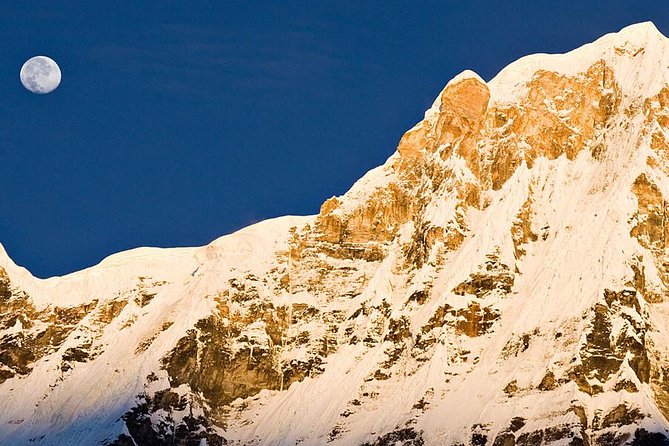
Sunrise over Annapurna feels unreal. This classic route mixes mountain drama with village life, rhododendron forest days, and the kind of high-altitude payoff trekkers plan their whole year around. I also like that the trip is built around solid fundamentals: a licensed English-speaking guide, permits, and route support, so you spend more energy walking and less energy guessing.
What I like most is the safety-and-comfort backbone. You get a down jacket, sleeping bag, and duffel bag, plus an oxymeter check for oxygen saturation, pulse, and heart rate, and first-aid support. The only real drawback to consider is that conditions can shift fast at altitude and on the trail, and one past solo-traveler report complained about an unprofessional-feeling guide—so ask questions early if you care about a specific guide style.
In This Review
- Key highlights you’ll feel on the trail
- What this 11-day trek gives you beyond the postcard
- Day 1: Kathmandu to Pokhara by tourist bus, then a calm start
- Day 2: Nayapul to Birethanti, crossing the Modi River on your first bridge
- Day 3: Rhododendron forests toward Ghorepani, with villages like Banthanti and Nangethanti
- Day 4: The Poon Hill sunrise climb with Annapurna and Dhaulagiri range views
- Day 5: Crossing Kimrong Khola to Jhinu Danda, with hot springs waiting
- Day 6: Rhododendron-and-orchids walking to Sinuwa via Chhomrong Khola
- Day 7: Deurali up to Machhapuchhre Base Camp (3700m) for a panorama-heavy day
- Day 8: Moraine descent from Machhapuchhre Base Camp and trail walking along Modi Khola
- Day 9: Upper Chhomrong and a return stop at Jhinu Danda hot springs
- Day 10: Descent to Nayapul and drive back to Pokhara
- Day 11: Pokhara to Kathmandu, finishing with highway greenery
- Price and value at about $986 per person: what’s covered, what you must plan
- Guides, team vibe, and how to make this trek feel smooth
- Who this trek suits best (and who should think twice)
- Should you book this Annapurna Base Camp trek?
- FAQ
- Where does the trek start and end?
- What time does the experience begin?
- How long is the trek?
- Is transportation included from Kathmandu?
- Are trekking permits and entry fees included?
- What meals are included in the price?
- Do you provide trekking gear?
- Is travel insurance included?
- Is free cancellation available?
Key highlights you’ll feel on the trail
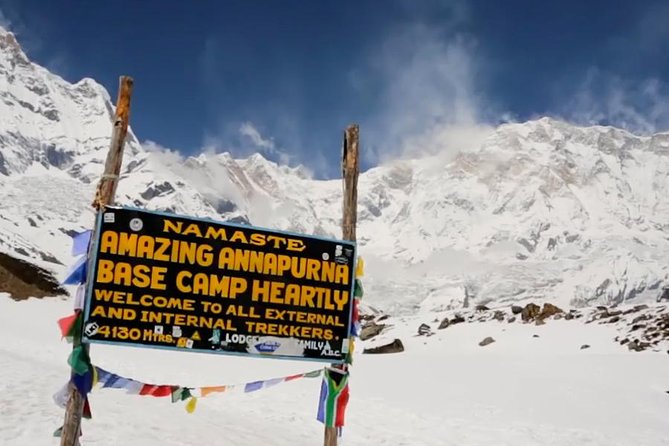
- Poon Hill early ascent for sunrise views across the Annapurna and Dhaulagiri ranges, plus Nilgiri (7061m) and Lamjung Himal (6983m)
- Jhinu Danda hot spring reset after a day of climbing and stair-walking
- Machhapuchhre Base Camp sector (3700m) plus a moraine-route day for big, serious mountain scenery
- Oxygen checks with an oxymeter to monitor oxygen saturation, pulse, and heart rate
- Guest house nights (mostly twin sharing) with daily meals included for most of your trip days
More trails out of Kathmandu, boots ready
- Everest Base Camp Trek – 14 Days★ 5.0 · 1,499 reviews
- Everest Base Camp Trek★ 5.0 · 842 reviews
- Everest Base Camp Trekking★ 5.0 · 485 reviews
- Nagarkot Sunrise View and Day Hiking from Kathmandu★ 5.0 · 471 reviews
What this 11-day trek gives you beyond the postcard
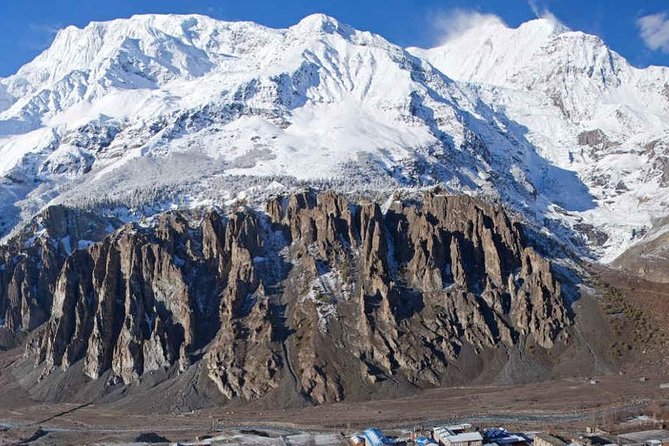
Annapurna Base Camp is popular for a reason: you’re not just walking to a single viewpoint. You’re moving through changing ecosystems and villages, with stone stairs, suspension bridges, and forest trail sections that make every day feel different. Even without fancy add-ons, this kind of trekking structure tends to be more satisfying because the effort builds toward repeated “how did this get real?” moments.
The value here is that logistics are handled. You’re not responsible for trekking permits, entry fees, route mapping, or day-to-day coordination. The package also includes the big-ticket comfort items most people scramble to rent—a down jacket, sleeping bag, and duffel bag—so you can pack smarter and travel lighter.
Your trade-off is that the trek uses guest houses with basic rooms. That’s normal and honest for Nepal trekking, but it means you’ll want to keep expectations realistic: simple beds, shared bathroom setups in many places, and warm layers that actually matter.
Day 1: Kathmandu to Pokhara by tourist bus, then a calm start
Day 1 starts with a drive from Kathmandu to Pokhara along the Prithvi Highway. This is one of those “get your bearings” days. You’ll pass rivers, terraced farms, and villages and towns, which is useful because it gets you used to Nepal’s road rhythm before you switch to foot travel.
You’re also building a practical routine. By the time you reach Pokhara, the next step is usually about rest, water, and early sleep so you can handle morning starts later in the trek. The trip includes surface transfer from and back to Kathmandu, which removes a lot of last-minute hassle.
If you’re sensitive to early mornings and long drives, this day is a good reminder: you’re starting with the clock in mind. The start time is listed as 6:15am, so plan around that.
Day 2: Nayapul to Birethanti, crossing the Modi River on your first bridge
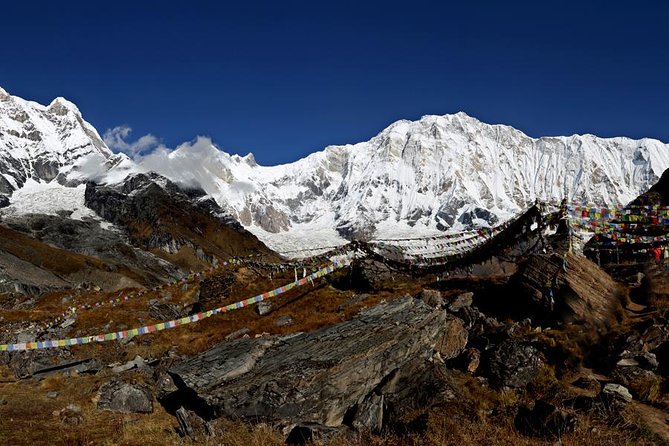
On Day 2, you drive from Pokhara to Nayapul, then begin trekking by crossing the suspension bridge over the Modi River and heading toward Birethanti. The suspension bridge part matters more than it sounds. It’s an immediate mental shift from road travel to trek travel—narrow footing, real wind, and a quick reminder that trail weather can change.
After that first bridge crossing, you head along the early trail toward the villages before continuing deeper into the route. Early days on the Annapurna region are often about rhythm: not crushing yourself on day one, but learning how your legs feel on stone paths and packed dirt.
Practical note: suspension bridges look exciting in photos, but you’ll want stable shoes with good traction and a steady pace. If you’re prone to knee stress, take the bridge crossing slowly and use your arms for balance.
Day 3: Rhododendron forests toward Ghorepani, with villages like Banthanti and Nangethanti
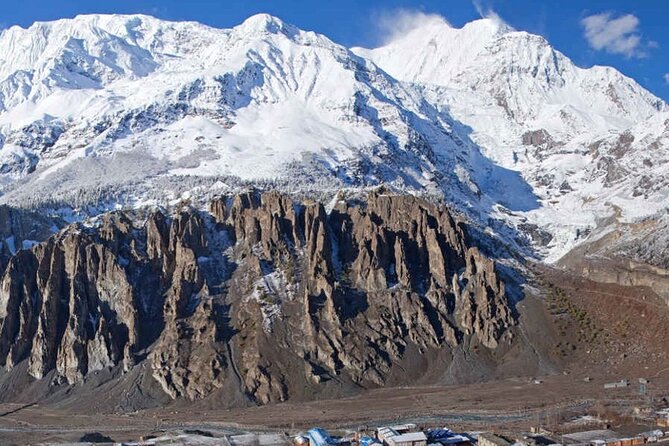
Day 3 turns greener fast. You walk on an easier trail through thick rhododendron forest, cross villages like Banthanti and Nangethanti, and continue toward Ghorepani. This is the “trail breathing” day: enough movement to feel like trekking, but with forest cover that can soften sun and wind.
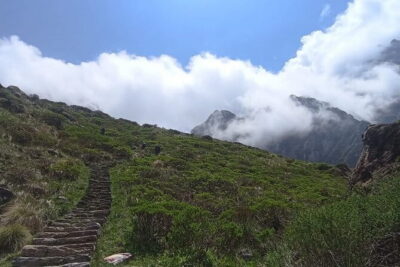
You’ll also start doing more uphill stepping via stone stairs. That’s a theme on this route, and it’s why your footwear choice matters. Stair climbing is different from flat walking because it stresses calves and knees, especially when you’re tired.
If you care about comfort, this is a good day to be disciplined with pacing. You don’t need to sprint uphill to earn the views later. Save energy for mornings that start early.
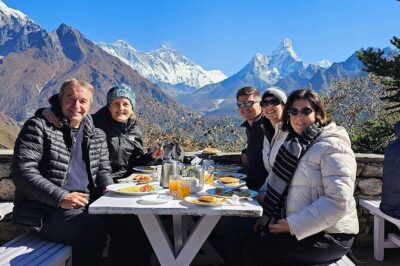
Day 4: The Poon Hill sunrise climb with Annapurna and Dhaulagiri range views
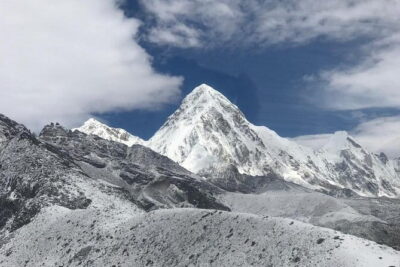
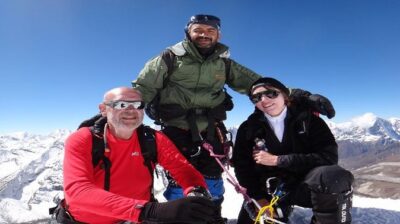
Day 4 is a big one: an early morning ascent to Poon Hill on what’s described as snowy trails, timed for sunrise over the Annapurna and Dhaulagiri ranges. The view also includes Nilgiri (7061m) and Lamjung Himal (6983m). That’s the kind of detail that tells you you’re not just chasing a generic horizon line—you’re going for named peaks.
This is also when trekking feels most emotional. You’ll likely be cold at the start, then warm up as you climb, then feel the bite in the air again when you stop to look. Bring layers that work in motion and while standing still.
The possible downside is the timing and physical demand of the early ascent. If you’re not a morning-person, the trek still starts early because sunrise is the point. If you’re new to long treks, this is a day where keeping your pace steady will pay off.
Day 5: Crossing Kimrong Khola to Jhinu Danda, with hot springs waiting
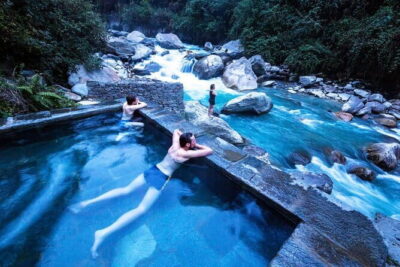
Day 5 has a classic rhythm: ascend and descend on a forested trail, cross the suspension bridge over Kimrong Khola, then head toward Jhinu Danda. The highlight is the hot springs—described as a short rest in the hot spring before you continue.
This is the day your legs will remember. Walking downhill and then uphill again can leave your thighs feeling heavy. A warm soak at Jhinu Danda is a practical recovery tool, not just a fun bonus.
The consideration: hot springs can mean slippery rocks and changing weather. You’ll want grippy footwear you can handle safely around water areas, and you’ll want to keep a towel and dry layer plan in mind (you can do this with what you pack; the trek gear helps, but you still need your basic travel habits).
Day 6: Rhododendron-and-orchids walking to Sinuwa via Chhomrong Khola
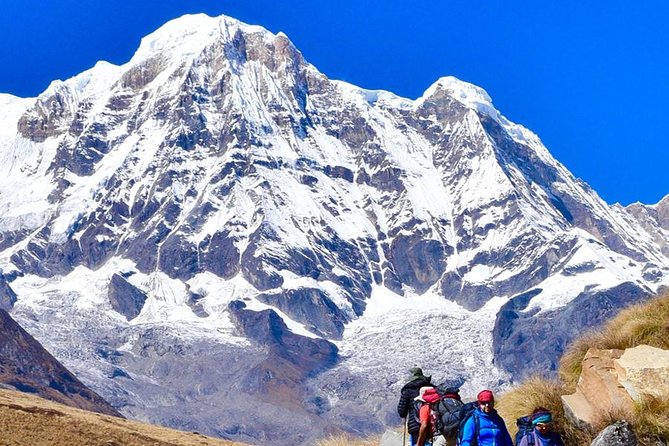
Day 6 is described as an easy walk through rhododendron forest with orchids and ferns. You descend down stone stairs, cross Chhomrong Khola, then ascend to Sinuwa. After that, you descend again through stone stairs.
This day is a lesson in managing ups and downs. Even when the trek calls a day easy, stone stairs still add up. The benefit is that this kind of “steady effort” helps you keep altitude adaptation smoother than a harsh, nonstop grind.
The drawback is that easy does not mean effortless. If you arrive under-rested, you’ll feel it in the legs. You’ll get the most out of this day if you walk steadily, don’t overpack your day bag, and drink water consistently.
Day 7: Deurali up to Machhapuchhre Base Camp (3700m) for a panorama-heavy day
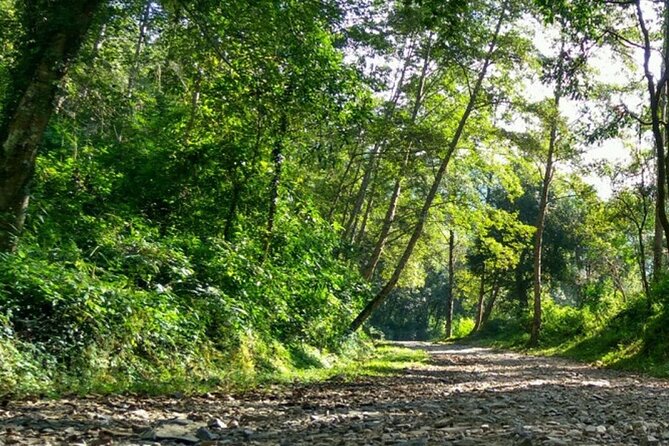
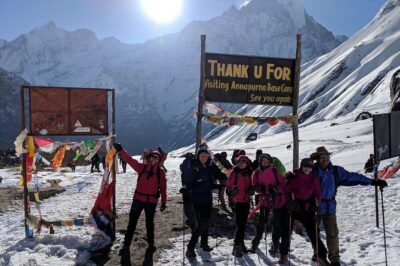
Day 7 starts with an ascent to Deurali and continues along stone stairs. The trail brings you to a scenic area with wide mountain views as you reach Machhapuchhre Base Camp at 3700m. The description includes following the moraines of the route, which hints at a more rugged, high-altitude feel.
This is one of the days you’ll want to pace mentally. At 3700m, you’ll likely feel your breathing change, even if you’re fit. The included oxymeter checks can help you stay aware and make decisions early, rather than guessing.
One more consideration: days with moraine sections and high views often reward you with long pauses. That’s great for photos and awe, but staying too long can cool you down. Walk, stop, look, then keep moving.
Day 8: Moraine descent from Machhapuchhre Base Camp and trail walking along Modi Khola
Day 8 begins by descending to Machhapuchhre Base Camp through the moraine route. Then you follow the trails of Modi Khola through a forest of rhododendron and fir. It’s a nice contrast day: high, open-feeling sections connected to shaded forest walking.
This is the kind of day that balances strain and scenery. If you’ve had big climbing already, the forest stretches can help your mind rest while your legs keep working.
Pay attention to footing on moraine and on any uneven trail. Even good weather can still mean loose rock underfoot. Take small steps and stay consistent. Consistency beats speed when altitude starts to make your legs less cooperative.
Day 9: Upper Chhomrong and a return stop at Jhinu Danda hot springs
Day 9 includes ascending to Sinuwa, descending to Chhomrong Khola, and then ascending to upper Chhomrong via stone stairs. From there, you descend to Jhinu Danda and enjoy a warm dip in the na… (hot-spring rest is clearly the intended highlight).
This is a good day to think of as a second recovery cycle. You get the stair-work and then the reward. It’s also where you’re likely to see the route’s cultural edge more clearly, since village sections typically bring you back toward local life and guest house rhythms.
The main consideration is energy management. By day 9, you’ve already built routine, so slipping into a too-fast pace can lead to late-day fatigue. Keep your pace controlled and let the hot spring do what it’s meant to do.
Day 10: Descent to Nayapul and drive back to Pokhara
Day 10 shifts gears. You descend to Nayapul following the trails of Modi Khola and then drive back to Pokhara. The walking here is less “high quest” and more “finish strong with scenery and momentum.”
You’ll likely feel relief on a day like this, but relief can also make people rush. Keep walking at a comfortable pace until you’re done with the descent, then enjoy the ride to Pokhara without overdoing snacks or drinks if you’re still dehydrated.
In the evening, you have free time in Pokhara. That’s where you can do real recovery: shower, laundry if you choose (not included), and early sleep.
Day 11: Pokhara to Kathmandu, finishing with highway greenery
Day 11 brings the final drive back to Kathmandu on a tourist bus, early in the morning. You’ll pass greenery and villages along the highway, and then you arrive in the capital where the activity ends back at the meeting point.
This is the day that tells you the trek is truly a package, not just walking. You’re given the surface transfers in and out, which matters because getting transportation wrong at the end of a trek can ruin your mood fast.
If you have a same-day flight plans, keep a buffer. Nothing is provided in the data about exact timing beyond the start time and the fact that the trip returns to Kathmandu.
Price and value at about $986 per person: what’s covered, what you must plan
At $986 per person, you’re paying for a lot of the things that usually nickel-and-dime treks: permits and entry fees, accommodation, meals, and staffed coordination. This package also includes trekking essentials that are expensive or annoying to rent or buy for a one-off trip—down jacket, sleeping bag, and duffel bag.
You also get a local government licensed English speaking trekking guide, plus food, lodging, insurance, equipment, medicine, and transportation for trekking staff. That staff support is one of the biggest quality-of-trip drivers, because it reduces the chance of logistical slip-ups when you’re already tired and higher up.
Meals are included with a clear structure: 10 breakfasts, 9 lunches, and 8 dinners. That’s useful because you won’t be hunting for food each day. Still, drinks and snacks are not covered, and laundry isn’t included—so plan your spending.
What’s not included matters:
- Alcoholic and hot/cold drinks
- Travel insurance
- Personal trekking equipment
- International airfare and airport departure tax
- Tips for trekking staff
One more practical value point: you’re not left guessing about altitude safety. The included oxymeter check (pulse and oxygen saturation/heart rate) is a smart touch for many trekkers.
Guides, team vibe, and how to make this trek feel smooth
The trek includes an English-speaking, licensed guide. That’s the baseline for communication and pacing decisions. In the reviews you shared, you can also see names showing up: guides such as Prakash and Dhakal Saroj, plus other support folks like porters Kul and Nishan. One reviewer also credited the owner, Shree, for arranging details and hotels and transfers.
That’s a good sign for service quality, especially for travelers who don’t want to manage every moving piece. Another positive recurring theme is patience and politeness from the guide team, with multiple mentions of having a guide who makes the days feel easier.
But there is one caution flag. A solo traveler on their first Himalayas trek said the guide felt unprofessional compared to what they expected. That doesn’t mean your experience will be the same, but it does mean you should clarify priorities early—pace, time for breaks, and how the guide handles questions about altitude and discomfort.
Who this trek suits best (and who should think twice)
This is aimed at trekkers with moderate physical fitness. It’s not described as a beginner crawl, and the repeated stone stairs plus high-altitude days mean you’ll want basic stamina.
You’ll likely love this trek if you:
- Want a classic Nepal route with forests, villages, and hot spring recovery stops
- Appreciate an organized plan with permits, meals, and accommodation handled
- Care about safety touches like oxymeter checks and first-aid support
- Like sunrise views and are willing to start early
You might want to think twice or do extra planning if:
- You strongly dislike early morning ascents like Poon Hill sunrise
- You’re very sensitive to guide communication style and want clear expectations up front
- You’re traveling with tight timing constraints (because the trek ends in Kathmandu after the final drive)
Should you book this Annapurna Base Camp trek?
If you want the classic Annapurna Base Camp experience with less logistics stress, this package looks like a strong fit. The price includes permits, most meals, guest house nights, and the big gear items (down jacket, sleeping bag, duffel), which is where many treks quietly burn your budget. The included guide and oxymeter checks are also the kind of practical details that reduce uncertainty.
I’d still do one thing before you commit: ask for clarity on the guide assignment and what to expect for your pace and support, especially if this is your first long trek or you’re traveling solo.
If that feels good, the route offers exactly what people come for—repeated scenery hits, forest walking rhythm, the Jhinu hot spring reset, and that Poon Hill morning that puts a smile on your face even when your legs are tired.
FAQ
Where does the trek start and end?
The trek starts at the meeting point in Kathmandu, Nepal (44600) and ends back at the same meeting point.
What time does the experience begin?
The listed start time is 6:15am.
How long is the trek?
The duration is approximately 11 days.
Is transportation included from Kathmandu?
Yes. Surface transfer from and to Kathmandu is included.
Are trekking permits and entry fees included?
Yes. Necessary trekking permits and entry fees are included.
What meals are included in the price?
Breakfast is included for 10 days, lunch for 9 days, and dinner for 8 days.
Do you provide trekking gear?
Yes. A down jacket, sleeping bag, and duffel bag are included.
Is travel insurance included?
No. Your travel insurance is not included.
Is free cancellation available?
Yes. You can cancel up to 24 hours in advance for a full refund, and if it’s canceled due to poor weather, you’ll be offered a different date or a full refund.
More Trekking Out of Kathmandu
More Tour Reviews in Kathmandu
Just Reviewed in Kathmandu
- Mountain Bike Tour
★ 5.0 · 3 reviews - Annapurna Panaroma
★ 5.0 · 3 reviews - Mount Everest Scenic Flight 50 Minutes
★ 5.0 · 3 reviews - Kathmandu : Swambhunath & Durbar Square Guided Half Day Tour
★ 3.3 · 3 reviews - Chandragiri Cable Car & Monkey Temple Tour – Private/Group
★ 5.0 · 3 reviews - Kathmandu: Shivapuri National Park Hiking Day Trip
★ 3.3 · 3 reviews
Annapurna Base Camp Treks, compared.
 ★ 5.0Annapurna base camp trek 5 DaysFrom $699252 reviews
 ★ 5.014-Day Private Annapurna Base Camp TrekFrom $1,090180 reviews
 ★ 5.0Annapurna Base Camp TrekkingFrom $1,779116 reviews
 ★ 5.0Annapurna Base Camp TrekFrom $935111 reviews
★ 5.0Annapurna Base Camp TrekFrom $1,350107 reviews
★ 5.0Annapurna Base Camp TrekFrom $935111 reviews
★ 5.0Annapurna Base Camp TrekFrom $1,350107 reviews
 ★ 5.0Kathmandu to Annapurna Base Camp (ABC) 5-Day TrekFrom $99102 reviews
 ★ 5.0Annapurna Base Camp Trek- 11 DaysFrom $99990 reviews
 ★ 5.0Annapurna Base Camp Trek 12 DaysFrom $80085 reviews
Browse the lists this tour appears in