
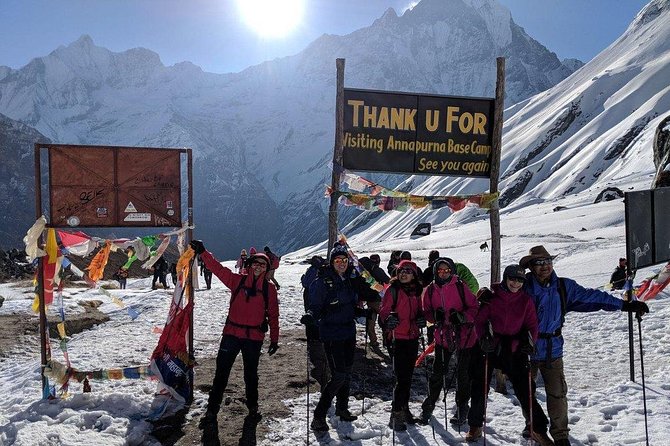
Review · ANNAPURNA BASE CAMP TREKS
Annapurna Base Camp Trek 12 Days
Annapurna Base Camp, minus the chaos. This 12-day trek from Kathmandu and Pokhara is run by Adventure Glacier Treks, with airport pickup and permits handled and daily lodge meals built in. I also love how the plan locks in classic Poon Hill sunrise while still threading through Gurung and Magar village life.
The one thing to watch is altitude. You start feeling it around Deurali, then you keep climbing toward Base Camp at a slow pace, so you’ll want a moderate fitness level before you go.
In This Review
- Key highlights that matter on the trail
- Kathmandu to Pokhara: where the trip starts to feel real
- The warm-up trek: Tikhedhunga, Ulleri steps, and Ghorepani’s rhythm
- Poon Hill sunrise at 3,200m: the payoff day (with real logistics)
- Chhomrong to Dovan: Gurung village life and river-valley hiking
- Deurali and the altitude reality check
- Into avalanche-prone territory: the Base Camp approach and Modi River route changes
- The sunrise return: back toward Doban/Dovan (and why downhill still works your quads)
- Sinuwa lodge day: river sounds, falls, birds, and a gentle finish
- Jhinu hot springs on Day 12: the final reset in Pokhara
- Price and value at $799: what you’re really paying for
- Who this trek suits best (and where it may not)
- Support and professionalism: the human side that people praised
- Should you book Adventure Glacier Treks for Annapurna Base Camp?
- FAQ
- What is included in the $799 price?
- Are meals covered during the trek?
- Does the tour include airport transfers?
- Do I need travel insurance?
- Is Kathmandu accommodation included?
- Is this a private tour?
- Can I cancel for a full refund?
Key highlights that matter on the trail
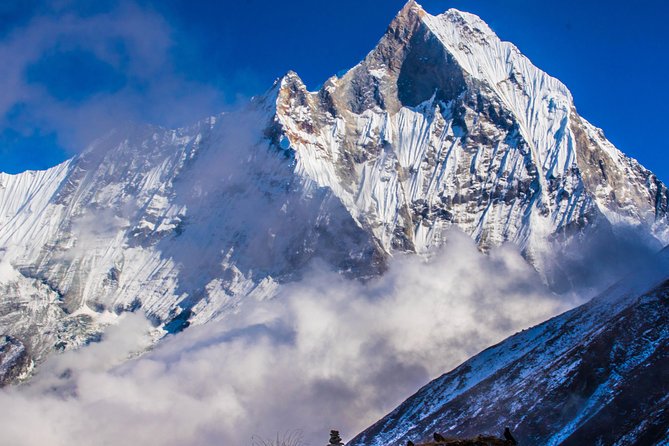
- Private group trekking: only your group participates, so the pace and stops are easier to manage.
- Sunrise timing built in: a pre-dawn push toward Poon Hill at 3,200m for big Himalayan views.
- Permits handled: ACAP plus local permits are included, so you’re not scrambling paperwork before you start.
- Guide-led safety in tricky sections: route may shift across the Modi River in an avalanche-prone area near Base Camp.
- Support that adapts fast: the team has handled disruptions by providing practical solutions when flights change.
More trails out of Kathmandu, boots ready
- Everest Base Camp Trek – 14 Days★ 5.0 · 1,499 reviews
- Everest Base Camp Trek★ 5.0 · 842 reviews
- Everest Base Camp Trekking★ 5.0 · 485 reviews
- Nagarkot Sunrise View and Day Hiking from Kathmandu★ 5.0 · 471 reviews
Kathmandu to Pokhara: where the trip starts to feel real
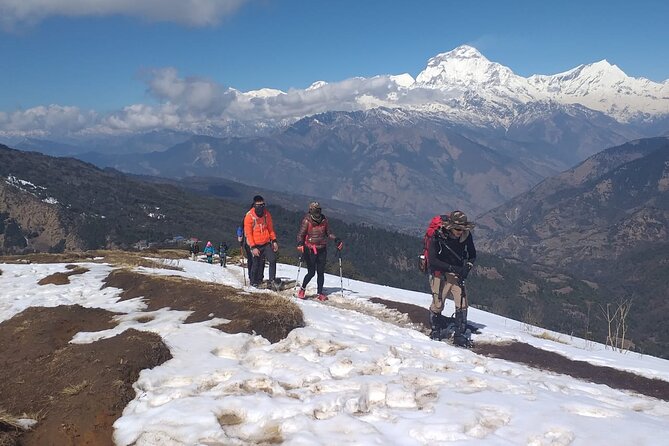
Day 1 begins in Kathmandu’s Thamel area. You’ll meet an airport representative at Tribhuvan International Airport, then transfer to a hotel for briefing and orientation. This is the “get your bearings fast” part: how the trek days flow, what to pack, and who you’ll be trekking with. If you’re the kind of person who likes clarity before stepping into mountains, this setup helps.
What I like here is the emphasis on real prep, not just hand-waving. You’re also given the basics in a calm way—so your first big decision isn’t what to do on Day 1; it’s how much you want to take in during the Kathmandu portion.
By Day 2, you’re moving to Pokhara Lakeside by tourist bus (typically departing around 7:00 a.m. and taking about 6–7 hours depending on road conditions). Pokhara is where you reset. Lodges, lake air, and fewer time pressures make it easier to come into the trek days with energy instead of exhaustion.
One practical note: Kathmandu accommodation isn’t listed as included, so you should plan your budget for those nights unless your package states otherwise. The transfer and briefing are covered, but lodging in Kathmandu is the part that can surprise people.
The warm-up trek: Tikhedhunga, Ulleri steps, and Ghorepani’s rhythm
The first trekking push starts after you reach the trailhead near Nayapul. Day 3 has you travel from Pokhara by private vehicle for around 2 hours, then step onto the trek route through countryside scenes and rivers. This day matters more than it looks on paper: it’s where your body learns the walking cadence—consistent effort, not sudden sprinting.
On Day 4, you climb to Ulleri via about 3,000 stone steps (roughly a 2-hour climb). That’s a very specific kind of work: steady uphill, repetitive steps, and a need to pace smartly. If you go out too hard early, your legs won’t forget it later. The upside is that you’ll also get that sense of altitude-building momentum—slowly trading city air for thinner mountain air.
From Ulleri onward, you continue toward Ghorepani. Ghorepani is a classic base for seeing the peaks and setting up the morning sunrise day. Even if you’re not obsessed with photography, this is the part of the trek where you’ll start noticing how the clouds and light change over the ridgelines.
Poon Hill sunrise at 3,200m: the payoff day (with real logistics)
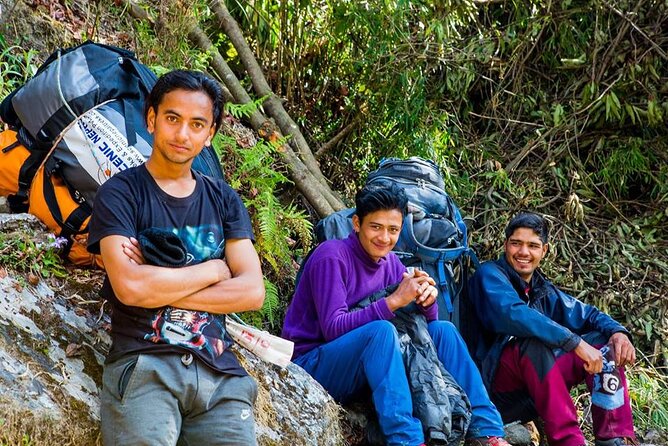
Day 5 is your Poon Hill sunrise day. You’ll walk about 50 minutes up to Poon Hill at 3,200m. The goal is simple: catch the sunrise and see a broad spread of peaks—often described as roughly 15 visible peaks depending on conditions.
Here’s why this stop is such a big deal. Poon Hill isn’t just a view; it’s a rhythm-maker. You’ll likely be hiking in low light, then suddenly everything clarifies as the sun rises. That shift does something psychological: it turns the trek from effort into reward.
Also, it’s not an all-day grind. Because you’re not trekking deep into Base Camp territory on this day, it gives you energy management. You get the dramatic early-morning moment, then you can settle into the rest of the day with less pressure than a full summit-style push.
Chhomrong to Dovan: Gurung village life and river-valley hiking
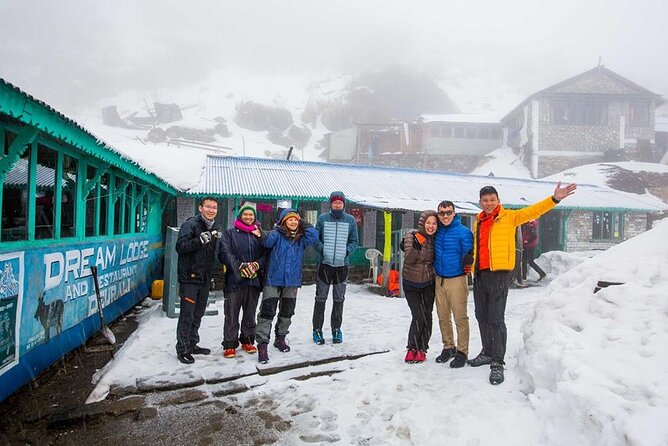
By Day 6 you’re heading into the Annapurna region’s heartland villages. The trek takes you from Tadapani down around 900 meters to the Gurjung River valley, then gradually up along the ridge to Chhomrong. Chhomrong is a large Gurung village, so you’re not only moving through scenery—you’re moving through people, culture, and daily mountain routines.
This is one of the tour’s core strengths: cultural connection. The trip is designed to include genuine experiences with Gurung and Magar communities, not just passing through on the way to snow.
On Day 7, you’re in the river-valley mode. You’ll descend Chhomrong Khola, then climb toward Sinwa for about 3 hours. After that, you enter a steeper valley trending toward Annapurna Sanctuary at the foothills of Annapurna South and Fishtail.
If you want a simple way to judge this day: you’re trading flat village trails for higher-effort valley terrain. It can feel more “serious” even when you’re not at extreme altitude yet. Expect to pay attention to hydration and breathing, because that valley hiking tends to catch people who think the trek is only about big peak views.




Deurali and the altitude reality check
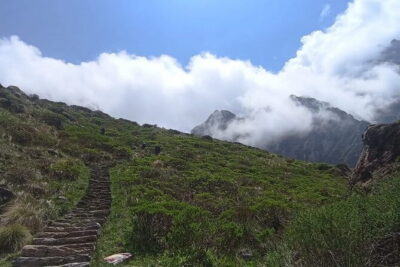
Day 8 is where altitude starts becoming more noticeable. After Dovan, you reach the area where the altitude effect is felt. The plan keeps things slow and steady, ascending to another Himalayan hamlet in about 2 hours. The trail is described as peaceful, with lush green forest.
This day is a gift if you take it seriously. It’s not just “another stop.” It’s a reminder to slow down, stop rushing, and let your body adapt. If you’ve ever wondered why some trekkers seem fine at 3,000m and others suffer, it often comes down to pacing—and this part of the trek is where pacing becomes a skill you practice.
Also, the calm forest walking can help you mentally reset. Mountains aren’t only about stamina; they’re about staying relaxed so your body performs better.
Into avalanche-prone territory: the Base Camp approach and Modi River route changes
Day 9 is your Annapurna Base Camp trek day. This is the part of the story where safety planning becomes more than a policy statement.
The route from Deurali toward the Base Camp area includes an avalanche-prone section, and the team may change the route across the Modi River depending on situation and season. Practically, this means your guide is watching conditions and making smart calls rather than forcing a single fixed path at all costs.
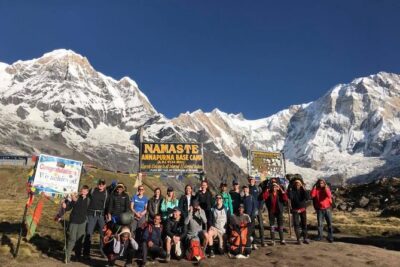
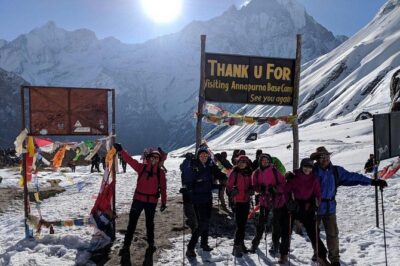
You’ll reach the Fishtail Base Camp area in about 2 hours (as described). From there, you’re in the sanctuary zone with views that feel closer and larger than what you saw earlier. It’s also the day where you’ll feel like the trek’s “real destination” is within reach, not just a concept on a brochure.
Here’s the balanced take: flexible routing can be reassuring because it signals experience with changing conditions. It can also mean you shouldn’t expect every timing detail to be identical on every day. But the trade-off is usually worth it—especially in an area noted as avalanche-prone.
The sunrise return: back toward Doban/Dovan (and why downhill still works your quads)
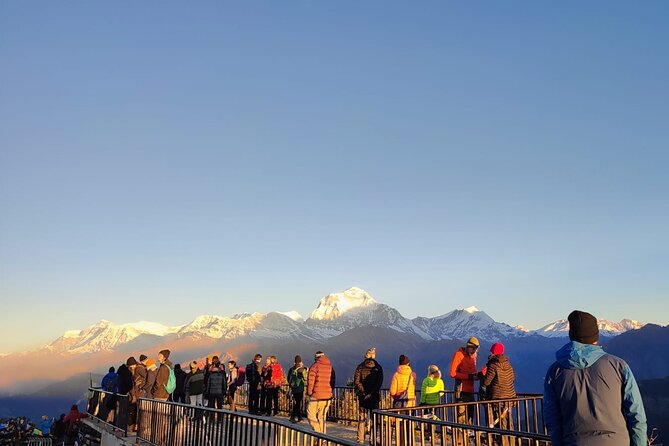
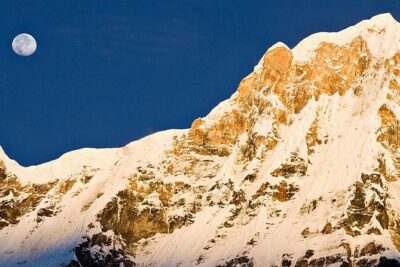
Day 10 starts with sunrise over the Annapurnas, then you hike back toward Doban/Dovan. The first part is steep, then the trail shifts into more gradual downhills. Dovan is described as a river junction of two streams, which usually means a quieter feeling and lots of birdsong once you’re settled in.
Even though this is a “return” day, don’t treat it like an easy victory lap. Steep downhill can beat up your knees if you use bad form or walk too fast. If you’re smart, you’ll keep strides shorter, stay controlled, and let your legs do steady work rather than hammering.
Sinuwa lodge day: river sounds, falls, birds, and a gentle finish
On Day 11, you follow a path along the river and through peaceful forest with waterfalls sounds and birds. You’ll take an easy hike up toward Sinuwa Hill, then overnight at the trekking lodge at Sinuwa (including the Hilltop Lodge and Restaurant stop described).
This is a good day for two reasons. First, it’s a mental cooldown before the last day. Second, it gives you a chance to enjoy the sounds and smaller details of the Annapurna region rather than only chasing big vistas.
Jhinu hot springs on Day 12: the final reset in Pokhara
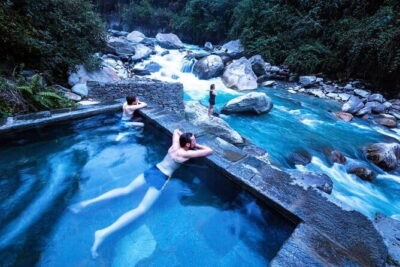
Day 12 mixes a short hike with a proper reward. You trek about 2 hours to Jhinu, the natural hot spring. The plan is to spend time bathing there, then have lunch. After that, you drive back to Pokhara. There’s also an option to trek further before returning to Pokhara, depending on how you feel and how your group wants to pace the last hours.
This last day is where the trek’s physical stress finally turns into a tangible payoff. Hot springs are not a magic fix, but they do make you feel human again. And because this is a shorter walk, you’re more likely to enjoy the scenery and not just count steps.
Price and value at $799: what you’re really paying for
At $799 per person, this Annapurna Base Camp trek positions itself as good value mainly because many of the cost items that often add up elsewhere are handled for you.
Included items that actually matter on a trek:
- Accommodation at lodges en route
- Three meals a day (breakfast, lunch, dinner) with tea/coffee en route
- Professional guide plus guide insurance and equipment expenses
- Airport pickup/drop
- Ground transportation (including Kathmandu to Pokhara and onward transfers)
- Permits and fees including ACAP and local permits
That’s a lot of friction removed. You’re not managing permits, not booking intercity transfers, and you have a guide who is actively making route choices in sensitive areas. For a Base Camp trek, those details are not small—they reduce risk and stress.
What’s not included, and you should plan for it:
- Beverages and tips
- Your travel insurance
- A trekking porter if you want one
- Food in Kathmandu and Pokhara beyond daily breakfast
- Accommodation in Kathmandu
So is it a bargain? It’s competitive because you get the structure and essential services bundled in. If you’re already the type of traveler who hates paperwork and prefers a clear plan, this price starts looking like less of a gamble.
Who this trek suits best (and where it may not)
This is best for you if:
- You have moderate fitness and are comfortable with daily hiking plus altitude effects starting around Deurali.
- You want a guided, structured experience with lodge stays and meals handled.
- You care about cultural contact with the Gurung and Magar communities, not only summit views.
You might think twice if:
- You’re hoping for a totally gentle walk every day. There are uphill days (like the Ulleri steps) and steep downhill sections on the return.
- You have zero interest in altitude management. The slow pace is built into the plan, but you still need to take it seriously.
- You want Kathmandu hotel nights included automatically. That part isn’t listed in the inclusions.
Support and professionalism: the human side that people praised
Several names came up in the positive experiences: Dil Prasad Sapkota (director-style support), guides like Arjun and Sudip, and support staff including Krishna (porter) and Ram (porter-guide). What those credits suggest, from an outsider’s standpoint, is that the company leans on people who handle both hiking logistics and real-life travel problems.
That’s valuable. Trekking days go fine until they don’t—like weather disrupting flights. In at least one experience shared with the team, the company stepped in with practical solutions to ensure the traveler still reached Pokhara.
Should you book Adventure Glacier Treks for Annapurna Base Camp?
I’d recommend booking if you want a Base Camp trek that’s structured, safety-aware, and not just focused on reaching a marker on a map. The big reasons: permits are included, lodge meals are included, and the guide team is used to adapting routes near sensitive sections like the avalanche-prone area by the Modi River.
I’d be cautious if you’re expecting unlimited flexibility on every schedule detail or you need Kathmandu hotel costs wrapped into the same number. Also, if altitude scares you, don’t ignore that feeling. This route starts altitude effects around Deurali, and it’s built for slow acclimatization rather than fast fixes.
If your priority is a guided, well-paced walk with sunrise drama and real village encounters, this is a strong match.
FAQ
What is included in the $799 price?
Your package includes lodge accommodation en route, three meals a day with tea/coffee during the trek, ground transportation, airport pickup and drop-off, and professional guide support. It also includes permits and fees (ACAP and local permits).
Are meals covered during the trek?
Yes. The trip includes three meals a day (breakfast, lunch, dinner) with cup of tea/coffee en route. Meals in Kathmandu and Pokhara are not included except daily breakfast.
Does the tour include airport transfers?
Yes. There is airport pickup and drop-off included, with an airport representative meeting you at Tribhuvan International Airport (TIA).
Do I need travel insurance?
Travel insurance is not included. The listing specifically notes that your insurance is not part of the package.
Is Kathmandu accommodation included?
Accommodation in Kathmandu is not included, even though you’ll be transferred to a hotel after arrival on Day 1.
Is this a private tour?
Yes. It’s described as a private tour/activity, so only your group will participate.
Can I cancel for a full refund?
Free cancellation is available. You can cancel up to 24 hours in advance for a full refund. If you cancel less than 24 hours before the experience’s start time, the amount paid is not refunded.
More Trekking Out of Kathmandu






More Tour Reviews in Kathmandu




Just Reviewed in Kathmandu
- Mountain Bike Tour
★ 5.0 · 3 reviews - Annapurna Panaroma
★ 5.0 · 3 reviews - Mount Everest Scenic Flight 50 Minutes
★ 5.0 · 3 reviews - Kathmandu : Swambhunath & Durbar Square Guided Half Day Tour
★ 3.3 · 3 reviews - Chandragiri Cable Car & Monkey Temple Tour – Private/Group
★ 5.0 · 3 reviews - Kathmandu: Shivapuri National Park Hiking Day Trip
★ 3.3 · 3 reviews
Annapurna Base Camp Treks, compared.
 ★ 5.0Annapurna base camp trek 5 DaysFrom $699252 reviews
 ★ 5.014-Day Private Annapurna Base Camp TrekFrom $1,090180 reviews
 ★ 5.0Annapurna Base Camp TrekkingFrom $1,779116 reviews
 ★ 5.0Annapurna Base Camp TrekFrom $935111 reviews
★ 5.0Annapurna Base Camp TrekFrom $1,350107 reviews
 ★ 5.0Kathmandu to Annapurna Base Camp (ABC) 5-Day TrekFrom $99102 reviews
 ★ 5.0Annapurna Base Camp Trek- 11 DaysFrom $99990 reviews
 ★ 5.0Annapurna Base Camp Trek 12 DaysFrom $80085 reviews
Browse the lists this tour appears in