
Review · ANNAPURNA BASE CAMP TREKS
Annapurna Base Camp Trek- 12 Days
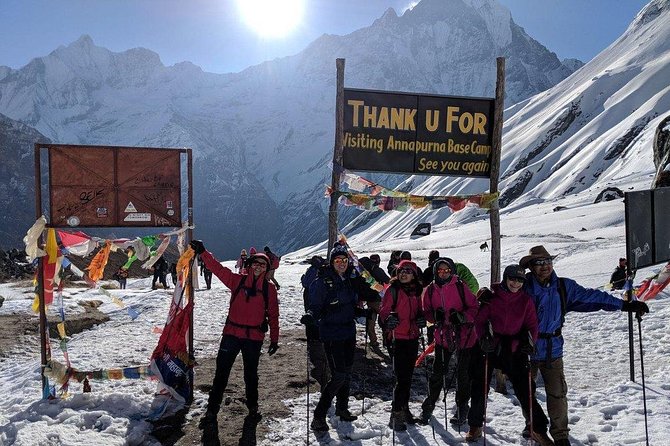
This trek is a fast ticket to Annapurna Base Camp and Poon Hill without feeling rushed off the trail. I like that it’s built for limited time, yet still strings together classic high-country days up to 4,130m, with overnight tea-house stays and daily meals handled from Pokhara to Pokhara. I also like the people-side: an experienced government-licensed English-speaking guide, plus porters’ support, which matters a lot when your group spans ages and fitness levels. The one drawback to plan for is the altitude push in a shortened schedule, with several 7–8 hour trekking days and an early start time around 6:15am for the overall trip.
One more thing I appreciate: you don’t just walk through scenery—you pass through villages tied to Gurung, Magar, and Tibetan communities. That cultural texture is part of why this route feels more meaningful than a simple point-to-point hike. Still, if you want lots of slack time for acclimatization or slow mornings, this 12-day format may feel like a steady workout rather than a leisurely stroll.
In This Review
- Quick take: the highlights and a key consideration
- Key Reasons This 12-Day ABC + Poon Hill Plan Gets Strong Love
- Why Annapurna Base Camp in a Short 12-Day Format Feels Worth It
- Price and Logistics: What You Pay for (and Where Extra Costs Show Up)
- The Trek at a Glance: Day-by-Day Route Notes That Actually Help
- Day 01: Arrival in Kathmandu
- Day 02: Fly to Pokhara, drive to Naya Pul, then trek to Ulleri (2050m)
- Day 03: Ulleri to Ghorepani (2750m)
- Day 04: Ghorepani to Poon Hill to Chiule (2700m) ~7 hours
- Day 05: Chiule to Sinuwa (2340m) ~7–8 hours
- Day 06: Sinuwa to Deureli (3230m) ~7 hours
- Day 07: Deureli to ABC (4130m) 7–8 hours
- Day 08: ABC back to Sinuwa (2340m) ~7 hours
- Day 09: Sinuwa to Kyumi (1340m) ~7 hours
- Day 10: Kyumi to Nayapul (4–5 hours) and drive back to Pokhara
- Day 11: Drive Pokhara to Kathmandu
- Day 12: Final departure
- Tea-Houses, Meals, and the Duffel Bag System (How It Makes Trekking Easier)
- Guides, Safety, and Comfort: The Human Side of the Trek
- Cultural Encounters Along the Way (Not Just Peak Photos)
- Altitude Reality: How to Prepare for a Short Route
- Who Should Book This 12-Day ABC + Poon Hill Trek?
- Should You Book Scenic Nepal Treks for This Short ABC Plan?
- FAQ
- How long is the Annapurna Base Camp and Poon Hill trek?
- Where does the tour start and what time is the meeting point?
- What is the price per person?
- Is the flight from Kathmandu to Pokhara included?
- Are meals included during the trekking days?
- Where do we sleep during the trek?
- Is a guide included?
- How are hotels handled before and after the trek?
- Is travel insurance included?
- What about tipping and personal expenses?
Quick take: the highlights and a key consideration
- Strong short-trek structure for people who have a limited holiday window
- Clear focus on ABC + Poon Hill rather than skipping one or the other
- Main consideration: expect long hiking days and altitude, so bring good trekking stamina and good judgment with pacing
More trails out of Kathmandu, boots ready
- Everest Base Camp Trek – 14 Days★ 5.0 · 1,499 reviews
- Everest Base Camp Trek★ 5.0 · 842 reviews
- Everest Base Camp Trekking★ 5.0 · 485 reviews
- Nagarkot Sunrise View and Day Hiking from Kathmandu★ 5.0 · 471 reviews
Key Reasons This 12-Day ABC + Poon Hill Plan Gets Strong Love
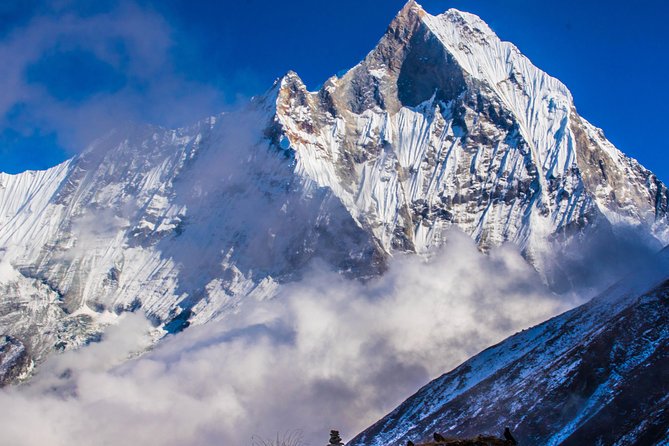
- Licensed English guide and attentive team support help keep the whole trek feeling organized and safer
- Tea-house lodge nights make it practical: you sleep where hikers actually live and eat where the trail crowd eats
- Daily meals included (breakfast, lunch, dinner) reduce decision fatigue on the mountain
- Duffel bag from the company means you pack smart for porters and don’t overload yourself
- A tight itinerary that hits both Poon Hill and ABC without stretching the trip too long
Why Annapurna Base Camp in a Short 12-Day Format Feels Worth It
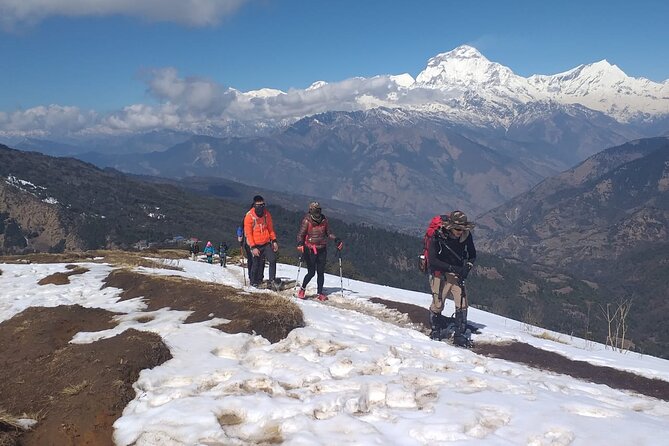
The Annapurna Base Camp trek has a reputation for being long and demanding. This version is designed for the reality that most of us don’t get weeks and weeks in Nepal. In 12 days you still get the core story: walk into the Annapurna region, pass through village rhythms, and reach base camp at 4,130m—the high point of the route.
What makes this format work is the way it stacks classic segments. You get the foothill-to-ridge feel first, then you gradually ratchet up altitude, and then you make the run to ABC. You’re not skipping the important pieces; you’re compressing them.
Also, this area isn’t just about peaks. The Annapurna mountain is described locally as spiritual—worshiped by locals as a goddess of harvesting. Along the way, you can see that mountain-reverence mindset in how villages live with the seasons and with the trail. If you enjoy the blend of high altitude plus human scale culture, this trek fits.
Price and Logistics: What You Pay for (and Where Extra Costs Show Up)
The trip price is $828 per person, and it covers a lot of the “hard parts” that often surprise people on trekking trips.
Here’s what you should consider part of the value:
- Hotels in Kathmandu and Pokhara with breakfast (sharing rooms)
- Good tea-house lodge stays during the trek
- Everyday meals on trek: breakfast, lunch, dinner from Pokhara to Pokhara
- A government-licensed English-speaking guide plus guide expenses
- A first aid kit (you’re still advised to use your own recommended meds)
- Air-conditioned vehicle included for the non-bus parts of transport
- Company duffel bag (you need to return it)
- An adventure certificate
Now the extra costs that you should budget for:
- Flight Kathmandu to Pokhara: listed as US$120
- Travel/trekking insurance (not included, and you’re specifically told you need good insurance)
- Personal expenses like bottled water, hot shower, Wi-Fi, charging, and any extra snacks or drinks
- Tips for staff are expected
- Extra nights in Kathmandu if your schedule changes due to early arrival, late departure, or early return
My practical advice: treat this trek like a package where your money buys planning + food + guiding + sleeping options. Then separately budget daily incidentals (water, charging, hot showers if you want them) and the tip factor. If you do that, the pricing feels fair instead of mysterious.
The Trek at a Glance: Day-by-Day Route Notes That Actually Help
You’ll be trekking with a private group, with a maximum of 10 people per booking. Minimum age is 10 years, and the activity requires at least one person in the booking. Start time for the overall experience is listed as 6:15am, so plan on an early-morning start mindset.
Also, the tour uses a mobile ticket, and you get hotel pickup offered.




Day 01: Arrival in Kathmandu
You arrive in Kathmandu, then settle into your first included hotel night with breakfast. This is not a “hit the streets for hours” day. It’s your buffer day—use it to hydrate, sort your gear, and avoid major over-scheduling.
What to watch: Kathmandu can feel busy and high-energy. Keep dinner light and sleep early so tomorrow’s flight and trekking days don’t kick your legs out from under you.
Day 02: Fly to Pokhara, drive to Naya Pul, then trek to Ulleri (2050m)
You fly early from Kathmandu to Pokhara (listed as about 25 minutes), then drive to Naya Pul. From there, you hike to Ulleri. Expect about 1 hour drive + 5–6 hours trekking.
Why this day matters: it’s your first real leg work, but not the highest altitude yet. Ulleri sits at 2,050m, so you’re getting altitude exposure without going straight to the big numbers.
Potential drawback: 5–6 hours on day two, after travel. If you’re coming in with jet lag, you’ll feel it—so pace and keep your effort smooth.
Day 03: Ulleri to Ghorepani (2750m)
Today is about 4–5 hours to Ghorepani at 2,750m. This is a classic trekking village-to-village rhythm day—enough walking to warm up your body, with a solid altitude step.
Why you’ll like it: it builds confidence. You’ll learn how your pack feels and how your breathing holds up on uphill grades.
Day 04: Ghorepani to Poon Hill to Chiule (2700m) ~7 hours
This is a longer day (about 7 hours) and includes Poon Hill before continuing to Chiule at 2,700m.
Why it’s special: Poon Hill is the “extra” that makes this trek different from a straight ABC grind. It gives you a second peak experience in a shorter timeframe.
Consideration: even if the altitude isn’t the highest today, you’ll still cover time on your feet. You’ll want steady trekking shoes and a plan for foot care.
Day 05: Chiule to Sinuwa (2340m) ~7–8 hours
You drop a bit in altitude (to 2,340m) but you hike for 7–8 hours. That combo—going down slightly while still walking long—can be tricky. Your legs can feel fine early, then get tired as the day drags.
Practical tip: don’t assume a lower number means easy mode. The hours still count.
Day 06: Sinuwa to Deureli (3230m) ~7 hours
Today climbs to 3,230m, with about 7 hours trekking. This is where the “short trek” format starts to feel real. You’re moving into the higher zone where fatigue and breathing start to show up.
What to focus on: slow, consistent steps. You’re aiming for steady progress, not speed.
Day 07: Deureli to ABC (4130m) 7–8 hours
This is the summit-of-effort day, reaching Annapurna Base Camp at 4,130m after about 7–8 hours.
If you’re doing this trek because base camp is your big life goal, this is the day that turns it from a plan into a memory.
Reality check: at 4,130m, walking can feel harder than you expect even if you’re fit. Keep your pacing conservative and be ready for altitude to affect appetite and sleep.
Day 08: ABC back to Sinuwa (2340m) ~7 hours
After ABC, you descend back to Sinuwa (2,340m) for about 7 hours.
Why this is valuable: it lets you recover while still keeping momentum. You don’t just celebrate and then stop. You walk back through the same high-country air, giving your body a better chance to reset.
Good to know: descent isn’t automatically easy on knees and shins. Take your time on downhills.
Day 09: Sinuwa to Kyumi (1340m) ~7 hours
Today goes down to Kyumi at 1,340m, and it’s still about 7 hours.
This can feel like a relief day altitude-wise. Still, it’s a long trek day, so keep your steps controlled.
Day 10: Kyumi to Nayapul (4–5 hours) and drive back to Pokhara
You hike 4–5 hours to Nayapul, then drive back to Pokhara.
This is a day where you’ll appreciate a clean finish. It’s also a good time to plan your energy so you don’t crash too hard on arrival.
Day 11: Drive Pokhara to Kathmandu
You drive back to Kathmandu.
This is more about repositioning than hiking. After the trek, even a comfortable vehicle ride can feel like a transition day rather than a relaxing one.
Day 12: Final departure
Your final departure day. The trip is designed to end cleanly after you’ve returned to Kathmandu.
Tea-Houses, Meals, and the Duffel Bag System (How It Makes Trekking Easier)
On this route you’ll use tea-house lodges. That means you’re sleeping in basic but functional places run for hikers, not camping setups. For most people, that choice is what keeps a short trek enjoyable instead of exhausting.
Meals are a big deal here because everyday meals on trek are included: breakfast, lunch, and dinner from Pokhara to Pokhara. When food decisions are handled, you can focus on pacing, hydration, and rest.
You’re also provided a duffel bag by the company—and it needs to be returned at the end. In practice, that setup helps you pack smart for porter support. Bring a daypack for essentials and keep the rest in the duffel so your body isn’t carrying more than it needs to.
What I’d bring if I were going: layers for cool mornings, a good headlamp, and small essentials for foot care. The data doesn’t list gear, so you’ll need to bring what works for you—but the duffel system is there to support lighter carrying.
Guides, Safety, and Comfort: The Human Side of the Trek
One of the most praised parts of this experience is how safe it feels, especially for groups that include people in their 40s to 60s. The key is the guide’s attention and the team’s organization, not fancy gear.
This trek includes an experienced, government licensed English-speaking guide. The names that show up as standout leaders include Mr. Kumar, KK, and Rajan, with a consistent theme of professionalism and care. It’s also noted that Dipendra is responsive during planning and supportive around pickups and advice.
I like this setup because Annapurna is serious terrain. You want a guide who can manage pace, check on how you’re feeling, and keep logistics running so your brain isn’t juggling details.
Comfort factor: porters and teamwork matter more than most people think. When your group’s well-being is watched—especially with mixed ages—you can spend your energy on the trail instead of on problem-solving.
Cultural Encounters Along the Way (Not Just Peak Photos)
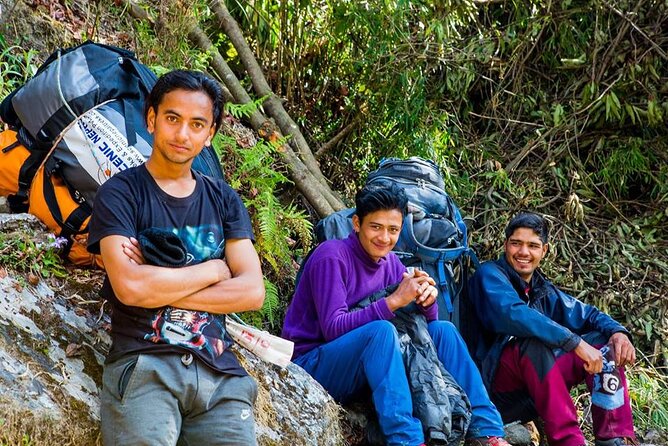
The route is built through a living part of Nepal. The trek description highlights opportunities to witness culture and traditions tied to Gurung, Magar, and Tibetan communities. That matters because you’re not hiking through empty space. Villages, lodge life, and everyday patterns bring texture to every rest stop.
Even when the itinerary is tight, these cultural moments tend to happen naturally: where people live, what’s stocked in lodge areas, and how local communities greet hikers.
If you like meeting everyday Nepal—rather than only chasing summit angles—this trek delivers.
Altitude Reality: How to Prepare for a Short Route
The big altitude numbers on this plan are:
- Deureli (3,230m)
- Annapurna Base Camp (4,130m)
Since the trek is shortened, you should take acclimatization seriously. The plan does include a descent day after ABC (ABC to Sinuwa), which helps you recover before dropping further.
Practical approach:
- Stick to the slow pace your guide recommends.
- Don’t treat this like a fitness challenge where you push hard each day.
- Plan to rest and hydrate even when you feel okay.
The data also emphasizes that you should have moderate physical fitness and good insurance. That’s a hint: altitude and remote trail logistics aren’t where you want to cut corners.
Who Should Book This 12-Day ABC + Poon Hill Trek?
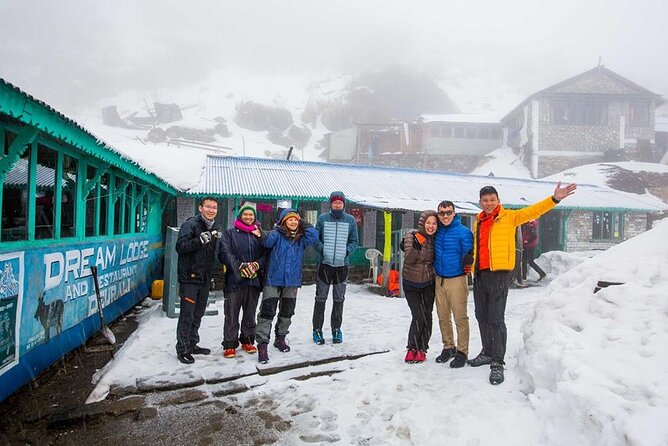
This trek is best for you if:
- You want Annapurna Base Camp plus Poon Hill but don’t have weeks
- You like a guided setup where meals, lodges, and daily logistics are handled
- Your group includes people who benefit from attentive guidance and steady organization
It might not be your best match if:
- You want lots of free time for acclimatization and slow wandering
- You dislike long trekking days around 7–8 hours
- You’re not comfortable with altitude exposure as the trip moves quickly toward 4,130m
This is also a great fit for first-time visitors to Nepal who want an experienced team and a clear plan from the moment you land in Kathmandu.
Should You Book Scenic Nepal Treks for This Short ABC Plan?
Yes—if your goal is a high-reward route that still feels well-managed. The strongest reasons to book are the practical ones: licensed English-speaking guide, included meals, tea-house lodging, and a team approach that prioritizes safety and comfort for mixed-age groups.
Just go in with the right mindset. This is not a slow walk in the clouds. It’s a smart 12-day plan with long days, altitude pressure, and some costs outside the base price (insurance, tipping, and the Kathmandu–Pokhara flight).
If you can handle steady trekking and you want ABC plus Poon Hill in one trip, this one makes sense.
FAQ
How long is the Annapurna Base Camp and Poon Hill trek?
The trek duration is about 12 days.
Where does the tour start and what time is the meeting point?
The experience meeting/start time is 6:15am, and it operates from Kathmandu, Nepal.
What is the price per person?
The price listed is $828.00 per person.
Is the flight from Kathmandu to Pokhara included?
No. The flight is not included, and the extra cost is listed as US$120.
Are meals included during the trekking days?
Yes. Breakfast, lunch, and dinner are included during the trekking portion from Pokhara to Pokhara.
Where do we sleep during the trek?
You stay in good tea-house lodges during the trekking.
Is a guide included?
Yes. The package includes an experienced, government licensed English-speaking guide and the guide’s expenses.
How are hotels handled before and after the trek?
It includes sharing tourist good hotels in Kathmandu and Pokhara with breakfast (sharing rooms). Extra nights may be needed in Kathmandu depending on schedule changes.
Is travel insurance included?
No. Travel/trekking insurance is not included, and you’re advised to have good insurance for the trek.
What about tipping and personal expenses?
Tips for staff are expected, and personal expenses (like bottled water, hot showers, Wi-Fi, charging, and other extras) are not included.
More Trekking Out of Kathmandu






More Tour Reviews in Kathmandu




Just Reviewed in Kathmandu
- Mountain Bike Tour
★ 5.0 · 3 reviews - Annapurna Panaroma
★ 5.0 · 3 reviews - Mount Everest Scenic Flight 50 Minutes
★ 5.0 · 3 reviews - Kathmandu : Swambhunath & Durbar Square Guided Half Day Tour
★ 3.3 · 3 reviews - Chandragiri Cable Car & Monkey Temple Tour – Private/Group
★ 5.0 · 3 reviews - Kathmandu: Shivapuri National Park Hiking Day Trip
★ 3.3 · 3 reviews
Annapurna Base Camp Treks, compared.
 ★ 5.0Annapurna base camp trek 5 DaysFrom $699252 reviews
 ★ 5.014-Day Private Annapurna Base Camp TrekFrom $1,090180 reviews
 ★ 5.0Annapurna Base Camp TrekkingFrom $1,779116 reviews
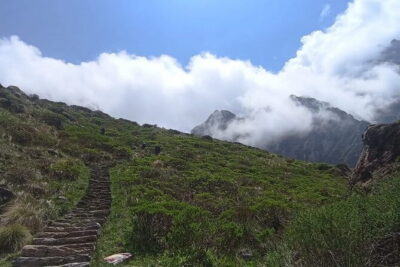 ★ 5.0Annapurna Base Camp TrekFrom $935111 reviews
★ 5.0Annapurna Base Camp TrekFrom $1,350107 reviews
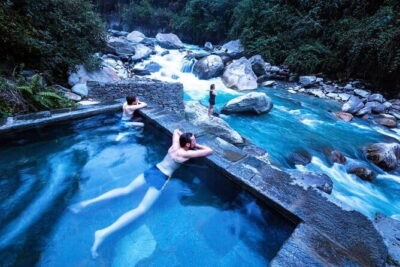 ★ 5.0Kathmandu to Annapurna Base Camp (ABC) 5-Day TrekFrom $99102 reviews
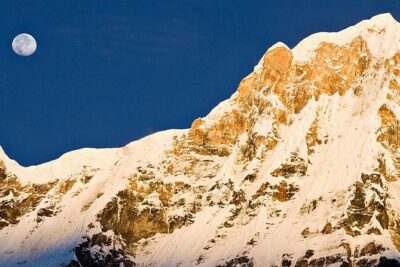 ★ 5.0Annapurna Base Camp Trek- 11 DaysFrom $99990 reviews
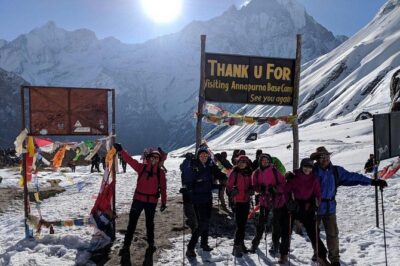 ★ 5.0Annapurna Base Camp Trek 12 DaysFrom $80085 reviews
Browse the lists this tour appears in