
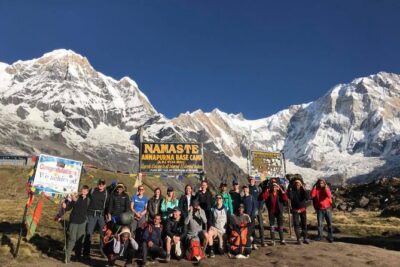
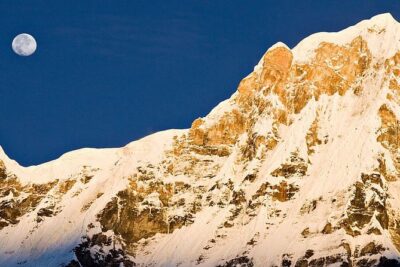
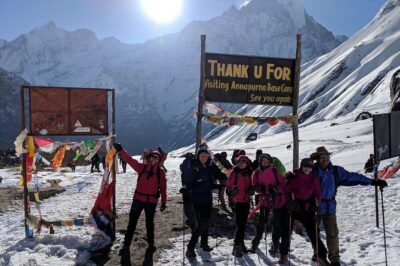
That first mountain light is the whole point. This Annapurna Base Camp Trek takes you through classic Gurung villages, forests, and big Himalayan panorama toward the Annapurna Sanctuary. I like how the trip blends scenery with comfort—lodges, meals, and good logistics—so you can focus on the walk.
Two things I really liked: the English-speaking guide plus supportive porters (you’ll feel it on steep days), and the way the route is built around viewpoints—Ghandruk’s mountain framing and that one-night base camp payoff. One consideration: the package does not include altitude sickness insurance, so you should plan coverage for high altitude before you go.
In This Review
- Key Highlights You’ll Actually Care About
- Annapurna Base Camp: What This Trek Really Delivers
- Days in the Clouds: Your Walking Schedule, Explained Simply
- Day 1: Land in Kathmandu, Get Oriented
- Day 2: Kathmandu to Pokhara, Then Ghandruk With Mountain Framing
- Day 3: Ghandruk to Chhomrong—Gradual Climb, Big Relief, Repeat
- Day 4: The Stair Day to Chhomrong Khola, Then Up Through Forests
- Day 5: Higher Altitude Effort With Fishtail in View
- Day 6: Annapurna Range Views and a Lodge Sunset If Skies Cooperate
- Day 7: Sunrise Over Annapurna, Then Back Toward Dovan or Bamboo
- Day 8: Forest Walks, Local Life, Hot Springs Option, and Another Stair Session
- Day 9: Suspension Bridge, Then Drive to Pokhara
- Day 10: Pokhara to Kathmandu, Farewell Dinner
- Day 11: Last-Minute Shopping, Then Fly Out
- Price and Value: What $1,250 Covers (and What It Doesn’t)
- What Included Gear Means for Your Comfort
- The Human Team Factor: Guides, Porters, and Pace
- Weather, Altitude, and How to Not Make It Harder Than It Needs to Be
- Who This Trek Fits Best
- Should You Book This Annapurna Base Camp Trek?
- FAQ
- What is the start time and meeting point for this trek?
- How long is the Annapurna Base Camp trek?
- What does the tour include for transportation?
- Are permits included?
- What meals are included during the trekking days?
- Are meals in Kathmandu and Pokhara included?
- What trekking gear is provided?
- What is not included in the price?
- What group size should I expect?
Key Highlights You’ll Actually Care About
- Sunrise and sunset viewpoints are built into the walking rhythm, not just left to chance.
- Small-group feel with a max of 15 travelers helps keep things organized on the trail.
- Gurung culture stop in Ghandruk gives context to what you’re seeing, not just photos.
- Lodge-based trekking means you’re not hauling camping gear up steep stairs.
- Down jacket, sleeping bag, and trekking pole are provided, which can save you packing stress.
- Long stair days and a high suspension bridge are part of the experience, so train your legs.
More trails out of Kathmandu, boots ready
- Everest Base Camp Trek – 14 Days★ 5.0 · 1,499 reviews
- Everest Base Camp Trek★ 5.0 · 842 reviews
- Everest Base Camp Trekking★ 5.0 · 485 reviews
- Nagarkot Sunrise View and Day Hiking from Kathmandu★ 5.0 · 471 reviews
Annapurna Base Camp: What This Trek Really Delivers
The Annapurna Base Camp Trek is one of Nepal’s true “classic” routes for a reason. You walk from subtropical valleys into higher, colder terrain while the Annapurna massif grows bigger every day. If you like forests, village life, and cold-air views, this is a strong match.
One of the smartest parts of this trek is its pacing. Some days are longer and steeper (hello, thousands of steps), then you get breaks with shorter walking segments and serious viewpoint time. That balance matters because Annapurna isn’t just about distance—it’s about energy management.
Another practical win: this trip is designed around lodges and meals along the route. That means fewer decisions each morning. You still need to pace yourself, but you’re not trying to run a camping operation at 3,000+ meters.
Days in the Clouds: Your Walking Schedule, Explained Simply
Day 1: Land in Kathmandu, Get Oriented
You arrive at Tribhuvan International Airport and head straight to a hotel with a warm welcome. Then you get a briefing for your Annapurna Base Camp Trek and a low-pressure day to settle in.
This first day is about logistics and rest. Even if you feel fine, Kathmandu air and jet lag can hit later, so treat Day 1 like day-zero training.
Day 2: Kathmandu to Pokhara, Then Ghandruk With Mountain Framing
Day 2 starts with a quick flight—about 25 minutes—from Kathmandu to Pokhara, then a drive to Ghandruk Village. You’ll spend time exploring the Gurung culture and the village atmosphere that’s shaped by generations of trekkers passing through.
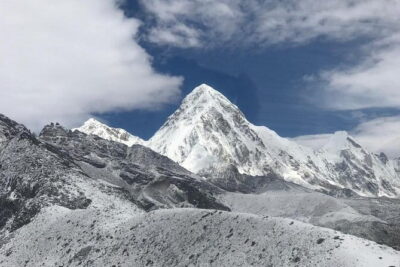
Ghandruk is famous for views, and the package leans into that. You get the scene with Mt. Fishtail, Annapurna South, Himchuli, and surrounding peaks looking right into your day. It’s the kind of first “wow” that makes the rest of the climb feel real.
What you’ll feel: easier walking energy mixed with photo-hungry excitement.
What to watch: don’t overdo it. You’re still preparing for stair-heavy days.
Day 3: Ghandruk to Chhomrong—Gradual Climb, Big Relief, Repeat
You walk from Ghandruk toward Koth Danda and Gurjung Khola, with a trail that gradually climbs and then works you downhill before bringing you back up to Chhomrong Village. It’s not one brutal wall; it’s more like multiple segments of effort.
Chhomrong is where you start feeling the trek’s altitude mood. It’s also a key staging point for the Annapurna Sanctuary approach.
The value here: you’re not thrown into steepness instantly—you earn it.
The drawback: even “gradual” hiking adds up when you’re carrying layers and water.
Day 4: The Stair Day to Chhomrong Khola, Then Up Through Forests
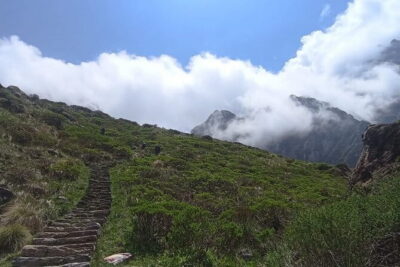
Today includes a major downhill effort: you walk down with more than 3,000 steps to Chhomrong Khola, then climb again toward upper Sinuwa. The route also runs through areas described as oat and bamboo forest, plus river crossings.
This is the day to be smart with your legs. Downhills are where knees complain. Walk slow, keep a steady rhythm, and let your guide set your pace.
If weather is changing, you’ll also notice why packing matters. Layers help you avoid sweating yourself into misery.
Day 5: Higher Altitude Effort With Fishtail in View
Day 5 is described as a longer climbing day at higher altitude. The message is simple: walk slowly, drink warm water, and keep your body warm. The trail continues through forests and river views, and it’s designed to keep major peaks like Mt. Fishtail in your visual mix.
This is where trekking poles and a practiced pace pay off. Your guide’s job here is not just directions—it’s keeping you moving safely without burning out too early.
Day 6: Annapurna Range Views and a Lodge Sunset If Skies Cooperate
Day 6 is shorter—about 3 hours—and it’s geared toward enjoying the Annapurna range with time to breathe. If the weather is clear, you’ll get an impressive sunset from your lodge, which is one of those moments that makes the hard days feel worth it.
Short walking days on Annapurna are not “easy days.” They’re recovery days with a view. You’ll still need to manage altitude and stay layered.
Day 7: Sunrise Over Annapurna, Then Back Toward Dovan or Bamboo
You start early to catch sunrise over the Annapurna range. After breakfast, you trek back to Dovan or Bamboo, depending on conditions and timing.
Early starts aren’t everyone’s favorite thing, but the logic is sound: cooler air, better visibility, and calmer trail movement. Plus, breakfast afterward turns it from pain into a routine.
You’ll love this if: you enjoy crisp mountain mornings and don’t mind waking up before the sun wins.
Day 8: Forest Walks, Local Life, Hot Springs Option, and Another Stair Session
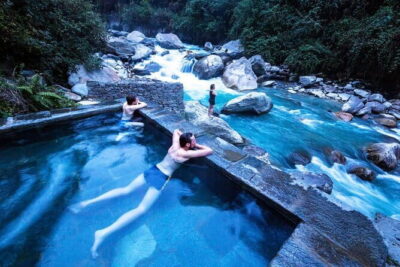
Day 8 includes forest sections and time to see local life style in the high mountain areas. The trek again mentions climbing about 3,000 steps and then walking down. There’s also an option for hot spring water at the river side—about 20 minutes walking from your lodge.
This is where the body benefits from recovery. If you’ve got sore legs, that hot spring option can be the best “treatment” you’ll get on the whole trip—assuming it fits your energy and weather.
Day 9: Suspension Bridge, Then Drive to Pokhara
After breakfast you cross a long, high suspension bridge, then you transfer—about 3 hours drive—to Pokhara. You check into a hotel, have lunch, and spend time exploring the Pokhara valley.
Pokhara feels like a reset button. You go from altitude trekking routine back to city comfort. It’s also a good moment to eat like a normal human before your final flight.
Day 10: Pokhara to Kathmandu, Farewell Dinner
Breakfast first, then a flight from Pokhara to Kathmandu (about 25 minutes), hotel transfer, and a farewell Nepali culture dinner. You end with a social dinner instead of rushing directly to packing.
It’s a nice finish because trekking can feel intense and quiet. Sharing a final meal helps the whole thing land.
Day 11: Last-Minute Shopping, Then Fly Out
This is a lighter day for last purchases for family and friends. Then you depart for your flight.
The practical tip: keep room in your daypack for snacks and any warm layers you might not want to pack into luggage right away.
Price and Value: What $1,250 Covers (and What It Doesn’t)
At $1,250 per person, the value here comes from what’s bundled. You’re not just buying a route—you’re buying transportation, hotels, permits, and daily food, plus trekking support.
Included value highlights:
- 2 nights in Kathmandu with breakfast, and 1 night in Pokhara with breakfast
- All comfortable lodges during the trek and meals on trekking days (breakfast, lunch, dinner, tea/coffee)
- Trekking permit and TIMS cards
- A guide (English-speaking) and porters
- Warm down jacket and sleeping bag
- Trekking pole (provided, then returned)
- A medical kit bag during the trek
- Private transport segments, including drives to/from key trailheads
What you should budget for or plan separately:
- Cold drinks and bottled water, plus hot shower costs (not included)
- Battery charging, phone calls, and laundry
- Tips for guide and porters
- Altitude sickness insurance (not included)
- Kathmandu and Pokhara lunch and dinner (not included)
- Your international flight and Nepal entry visa fee
My take: the price is fair if you want a guided, structured trek without the headache of permits, meal planning, and figuring out lodge logistics. If you already have gear, strong trekking experience, and you’re comfortable organizing everything yourself, you could potentially find cheaper options elsewhere. But for most people, this kind of structure is what makes the trek feel doable.
What Included Gear Means for Your Comfort
This package provides the big-ticket cold-weather items: a warm down jacket and a sleeping bag, plus a waterproof trek duffel bag and a T-shirt. You’ll also get a walking pole for the trek (then return it).
That matters because altitude cold is not only about temperature. It’s wind, dampness, and the timing of when you’re resting versus walking. With the provided insulation, you can pack less and react faster to weather shifts.
Still, follow their packing guidance. Bring gloves, a hat or cap, sunglasses, sunscreen, and lip balm. Sun at altitude can burn faster than you expect.
The Human Team Factor: Guides, Porters, and Pace
Strong organization is more than paperwork. It’s how you feel each day when your energy runs low.
Many past participants have specifically praised Mr. Urja and his team for making the experience smooth and safe. They also mentioned getting helpful guidance on details like daily clothing choices as conditions changed, plus support with meals and comfort along the way. In other words: you’re not left to figure it out alone.
A guide’s real value shows up on days like Day 4 and Day 8, when steps stack up and your brain starts negotiating. Good pacing advice keeps you from turning a multi-day effort into a single-day disaster.
Weather, Altitude, and How to Not Make It Harder Than It Needs to Be
The trekking plan depends on conditions. Cloud cover can affect sunrise, and rain can make trails slick. The route description mentions early mornings and afternoons with changing weather, and it specifically warns about keeping warm on climbing days.
So here’s your practical checklist:
- Start early when required, and don’t skip breakfast.
- Walk slower than you think you need to. Your legs will repay you later.
- Use warm water. It’s a small thing, but it helps.
- Keep layers ready. You’ll warm up climbing and cool down quickly when you stop.
Most importantly: because altitude sickness insurance isn’t included, plan that coverage before you commit. Also consider travel insurance that covers trekking at high altitude.
Who This Trek Fits Best
This Annapurna Base Camp experience is a good fit if you want:
- A classic Annapurna route with Gurung culture stops
- Lodge-based trekking and included meals
- A plan that balances harder stair days with shorter scenic segments
- Support from an English-speaking guide and porters
It’s especially well matched for people who have at least moderate fitness. You don’t need to be a mountain athlete, but you should be comfortable with repeated stair sections and long hiking days.
If you hate early mornings, you might find sunrise days annoying. If you love them, you’ll feel rewarded fast.
Should You Book This Annapurna Base Camp Trek?
Book it if you want a structured, well-supported trek where most hard logistics are handled for you—permits, daily meals, lodges, guides, and key transport links. This is also a strong choice if you prefer not to source cold-weather trekking gear, since the down jacket and sleeping bag are included.
Think twice or plan extra carefully if you:
- Don’t already have altitude sickness coverage
- Know you’re sensitive to long stair descents (like the big step day)
- Expect hot showers, charging, and bottled water to be included (they’re not)
If you’re ready for stairs, big views, and a village-to-sanctuary walking story, this trek is the kind that can stick with you long after the packing bags are put away.
FAQ
What is the start time and meeting point for this trek?
The meeting point is in Kathmandu Valley, Bagmati Zone, Central Region, and the start time is 7:00 am.
How long is the Annapurna Base Camp trek?
It’s listed as 11 days (approx.).
What does the tour include for transportation?
It includes arrival until departure transportation, plus a flight from Kathmandu to Pokhara and a flight from Pokhara back to Kathmandu, along with private drives to and from trail areas.
Are permits included?
Yes. The trekking permit and TIMS cards are included.
What meals are included during the trekking days?
All comfortable lodges are included, along with breakfast, lunch, dinner, and tea/coffee during the trek.
Are meals in Kathmandu and Pokhara included?
Kathmandu and Pokhara lunch and dinner are not included.
What trekking gear is provided?
You receive a warm down jacket and sleeping bag, plus a walking pole after returning it to the company after the trek. You also get a waterproof trekking duffel bag and a T-shirt.
What is not included in the price?
Cold drinks, mine water, hot shower, battery charging, phone calls, laundry, bar bills, tips for guide and potters, altitude sickness insurance, Kathmandu and Pokhara lunch and dinner, and your international flight plus Nepal entry visa fee.
What group size should I expect?
This experience has a maximum of 15 travelers.
More Trekking Out of Kathmandu
More Tour Reviews in Kathmandu
Just Reviewed in Kathmandu
- Mountain Bike Tour
★ 5.0 · 3 reviews - Annapurna Panaroma
★ 5.0 · 3 reviews - Mount Everest Scenic Flight 50 Minutes
★ 5.0 · 3 reviews - Kathmandu : Swambhunath & Durbar Square Guided Half Day Tour
★ 3.3 · 3 reviews - Chandragiri Cable Car & Monkey Temple Tour – Private/Group
★ 5.0 · 3 reviews - Kathmandu: Shivapuri National Park Hiking Day Trip
★ 3.3 · 3 reviews
Annapurna Base Camp Treks, compared.
 ★ 5.0Annapurna base camp trek 5 DaysFrom $699252 reviews
 ★ 5.014-Day Private Annapurna Base Camp TrekFrom $1,090180 reviews
 ★ 5.0Annapurna Base Camp TrekkingFrom $1,779116 reviews
 ★ 5.0Annapurna Base Camp TrekFrom $935111 reviews
★ 5.0Annapurna Base Camp TrekFrom $1,350107 reviews
★ 5.0Annapurna Base Camp TrekFrom $935111 reviews
★ 5.0Annapurna Base Camp TrekFrom $1,350107 reviews
 ★ 5.0Kathmandu to Annapurna Base Camp (ABC) 5-Day TrekFrom $99102 reviews
 ★ 5.0Annapurna Base Camp Trek- 11 DaysFrom $99990 reviews
 ★ 5.0Annapurna Base Camp Trek 12 DaysFrom $80085 reviews
Browse the lists this tour appears in