
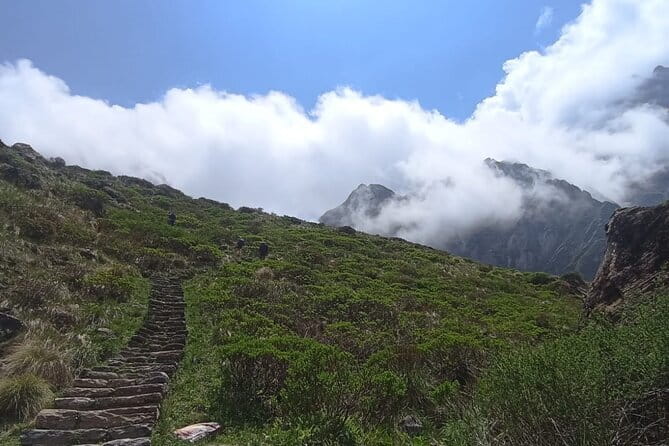
Review · ANNAPURNA BASE CAMP TREKS
Annapurna Base Camp Trek
A ten-day walk into the Annapurna wilderness is a big dream. This one is interesting because it combines local, region-rooted guidance with a steady, safety-minded pace—plus you get classic viewpoints like Poon Hill sunrise before the full push toward Annapurna Base Camp.
I especially like that Touch The Himalaya Treks and Expedition leans on local experts from the Annapurna area and supports you with high-altitude know-how. In the real world, that means the plan pays attention to acclimatization and keeps logistics from turning into a stress-fest.
One possible drawback: days are long and the trek is physically demanding, so you’ll want to come in with moderate fitness and be ready for cold, variable mountain weather as you climb higher.
In This Review
- Key things I’d note before you go
- Touch The Himalaya and your Annapurna Base Camp team
- Day-by-day: Kathmandu to Pokhara, then Ulleri along the river villages
- Poon Hill sunrise and the Ghorepani–Tadapani rhythm
- Deurali and the glacier-crossing day: how to pace hard terrain
- Annapurna Base Camp day: reaching the milestone with Machapuchare along the way
- Day 8 descent to Sinuwa, Day 9 Jhinu hot springs, and your Pokhara-to-Kathmandu unwind
- Price and logistics: what $700 really buys you on this route
- Food on the trail: included meals, plus tea-house snacking for the moments you need
- What to pack and how to handle long, cold mountain days
- Who this Annapurna Base Camp trek fits best
- Should you book Touch The Himalaya for Annapurna Base Camp?
- FAQ
- What is the meeting point and start time for the trek?
- Is this tour private?
- How do I get from Kathmandu to Pokhara?
- Do I need to buy permits for the trek?
- Are meals included during the trek?
- What kind of guide will I have?
- Do porters come with us?
- Is accommodation provided in Kathmandu?
- What fitness level do I need?
- What is the cancellation policy?
Key things I’d note before you go
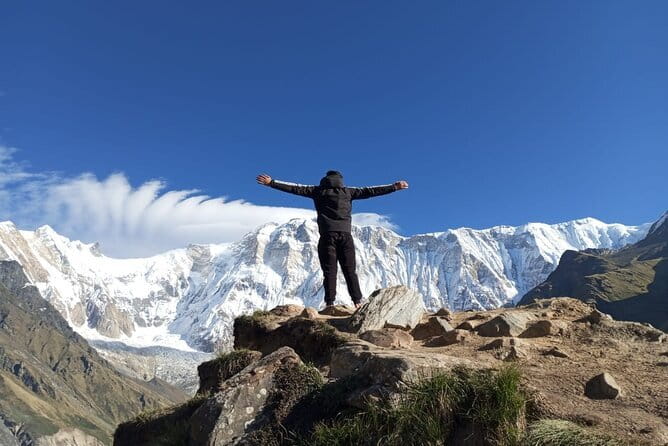
- Local guide team in the Annapurna region: You’re not just getting directions; you’re getting trail sense from people who know how these routes behave.
- Sunrise at Poon Hill built into the rhythm: It’s an early start, but it’s a powerful way to break up the trek.
- Safety and first-aid included: You travel with an English, Hindi, or Chinese government-licensed guide who’s first-aid trained, plus a basic first-aid kit.
- Meals and permits handled: Breakfast, lunch, and dinner during the trek are included, along with necessary permits and fees.
- Private trek for your group: Only your group participates, which makes pacing and comfort easier to manage.
More trails out of Kathmandu, boots ready
- Everest Base Camp Trek – 14 Days★ 5.0 · 1,499 reviews
- Everest Base Camp Trek★ 5.0 · 842 reviews
- Everest Base Camp Trekking★ 5.0 · 485 reviews
- Nagarkot Sunrise View and Day Hiking from Kathmandu★ 5.0 · 471 reviews
Touch The Himalaya and your Annapurna Base Camp team
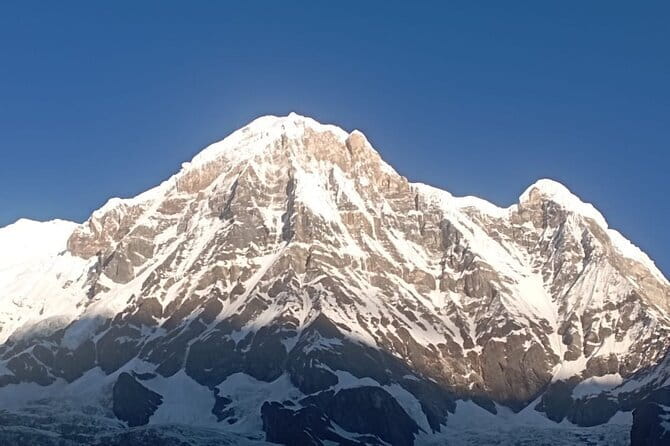
Your trek works best when you trust the people running it—and this operator’s strength is its hands-on local team. Guides are described as native to the Annapurna region, and they bring years of experience for challenging terrain and altitude conditions. That matters because Annapurna punishes sloppy pacing more than it punishes ambition.
In practice, this kind of guidance can make a huge difference if you’re traveling solo. One solo traveler specifically called out feeling safe and supported as a woman, and that responsiveness is a big deal when you’re far from home. I also like that the company names real staff in their customer stories: Madan Neupane arranging the trip, guides like Rishi and Roshan Pandey leading the way, and porters such as Arjun and Ganesh assisting on the ground.
You’ll start from Thamel in Kathmandu at 6:15 am and you’ll travel with a guide who can explain what’s coming next—permits, route flow, and how to handle day-to-day choices. You also get a first-aid kit carried by the trekking guide, which is exactly the kind of practical layer you want in the mountains.
Day-by-day: Kathmandu to Pokhara, then Ulleri along the river villages
Day 1 focuses on getting you set up in motion. You’ll travel from Kathmandu to Pokhara by tourist bus, car, or flight. The road route takes about 7 hours and follows the Trishuli River side with scenery along the way, which is a nice “warm-up” before real trekking starts.
After that, Day 2 starts the trek at Nayapul and climbs to Ulleri. It’s about 5 hours, and the path follows the Modi Khola River through villages. This is one of the smartest parts of an Annapurna Base Camp journey because it teaches your body the rhythm: steady movement, breaks when you need them, and easy cultural immersion.
A practical note: even on “moderate” trek days, you’ll still feel altitude pressure over time. Starting with village trails helps your legs adjust before you’re committed to steeper climbs later.
Poon Hill sunrise and the Ghorepani–Tadapani rhythm
Day 3 takes you from Ulleri to Ghorepani in about 5 to 7 hours. You’ll pass through lush forest sections and open views as you gain elevation toward the Annapurna range. Ghorepani is a classic base for a reason: it sets you up for a sunrise you’ll remember even after you’re back in Kathmandu.
Day 4 is the sunrise day. You’ll hike early to Poon Hill to watch the sun come up over Annapurna and Dhaulagiri. After breakfast back in Ghorepani, you continue toward Tadapani. This is about 4 hours on the trek segment, and it gives your trip a satisfying rhythm: wake early, earn big views, then keep moving without burning yourself out.
The main consideration here is the early wake-up. Sunrise treks sound magical—and they are—but you’ll feel it if your sleep is already light. Bring warm layers you can layer fast, and keep your focus on steady pace rather than trying to race other hikers.
Deurali and the glacier-crossing day: how to pace hard terrain
Day 5 runs from Tadapani to Sinuwa, about 6 to 7 hours. You descend through forest and pass small villages. This kind of down-and-up terrain can be mentally tricky because you might feel good on the way down, then pay for it later when the trail changes direction.
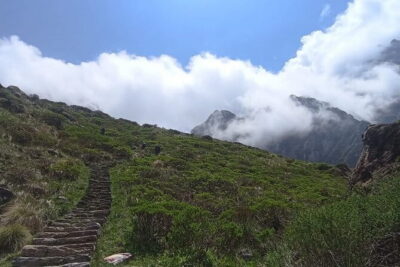
Day 6 continues from Sinuwa to Deurali in about 5 to 6 hours. The route ascends steadily through forests, you cross the Khumbu Glacier area, and the landscape becomes more rugged as you approach Deurali. This is the day where you should take acclimatization seriously, even if you feel strong.
Here’s what I’d advise: don’t treat the trek like a gym session. You want to save energy for altitude adaptation, not prove toughness. If you ever find yourself breathing harder than expected, slow down immediately. That’s how you make sure Day 7 is enjoyable, not exhausting.
Annapurna Base Camp day: reaching the milestone with Machapuchare along the way
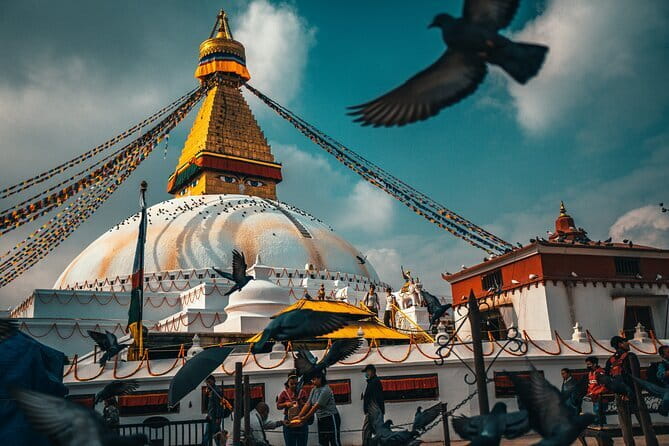
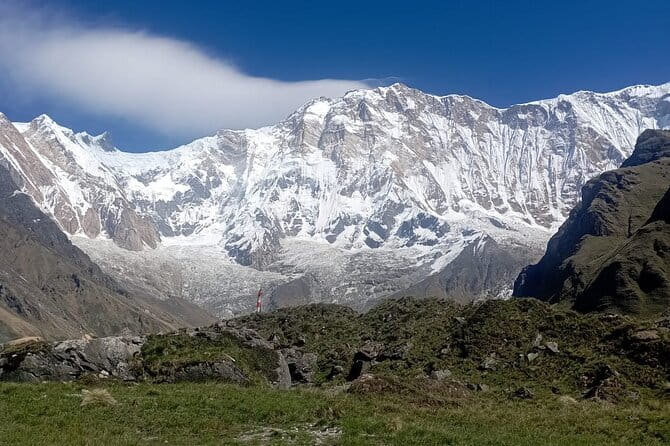
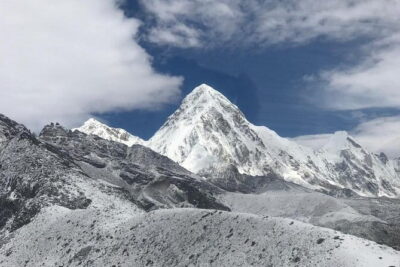
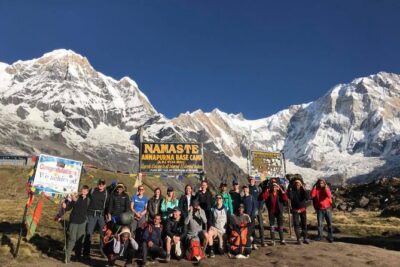
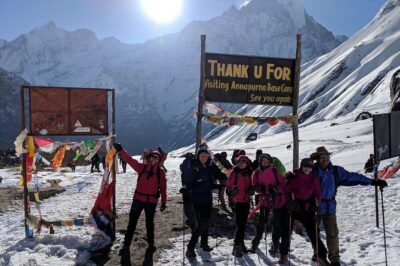
Day 7 is your push to Annapurna Base Camp. You’ll trek from Deurali to Annapurna Base Camp in about 6 to 7 hours, with a stop-by passing point at Machapuchare Base Camp along the way. The payoff is described as stunning views as you ascend, and then you arrive at Annapurna Base Camp.
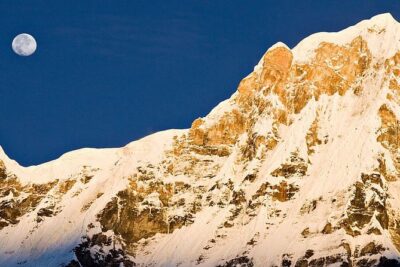
This is the emotional centerpiece of the entire route. Even if you’ve seen photos, the real thing hits different: you’re on a high mountain stage where weather can shift fast and the scale feels enormous.
One practical strategy: plan your energy like a budget. Don’t blow it all on picture-taking at the first good viewpoint. Instead, keep enough in reserve so you can still enjoy the base camp area without rushing through it.
Day 8 descent to Sinuwa, Day 9 Jhinu hot springs, and your Pokhara-to-Kathmandu unwind
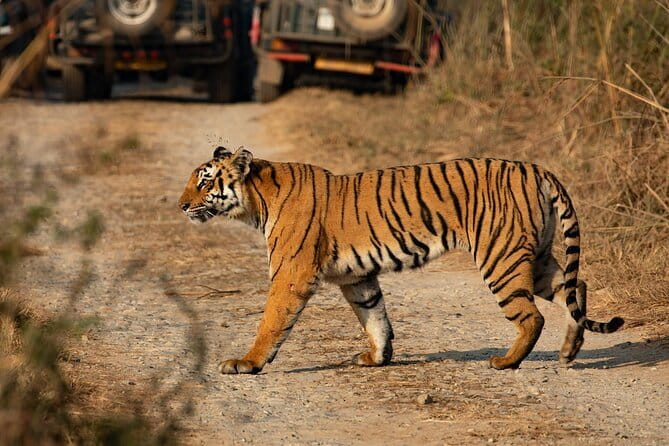
Day 8 is the descent from Annapurna Base Camp back to Sinuwa, about 5 to 7 hours. It’s a long day, but it’s also a breather in a different way: your body shifts from high-energy climbing to controlled downhill steps. You’ll get time to reflect while walking familiar terrain.
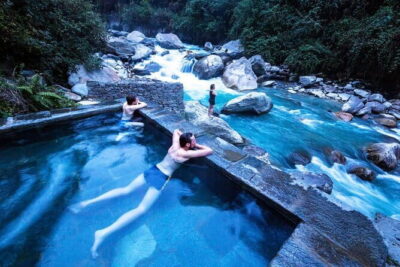
Day 9 takes you from Sinuwa to Jhinu in about 5 to 6 hours. After reaching Jhinu, the plan includes relaxing at natural hot springs nearby. Then in the afternoon you drive back to Pokhara (about 1 to 2 hours) and get more recovery time.
This is where the value of route design shows. Hot springs can’t magically fix sore muscles, but they do help you decompress. And when you’re done with trekking, you’ll still feel the mountain “afterglow,” not just exhaustion.
Day 10 is return to Kathmandu. You can choose a scenic drive of around 7 to 8 hours or a short flight. Once in Kathmandu, you’ll have free time for shopping or exploring before you depart.
Price and logistics: what $700 really buys you on this route
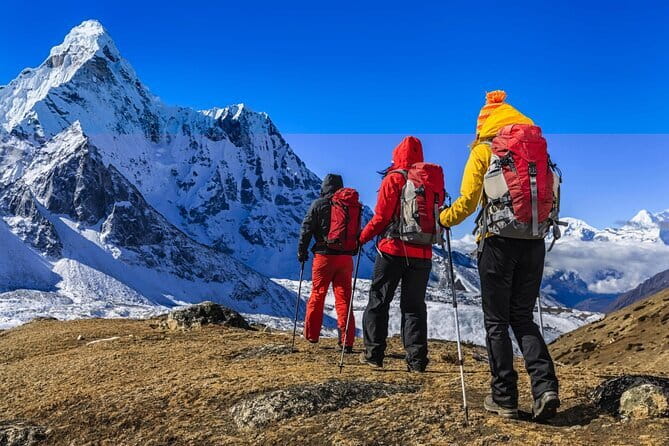
At $700 for approximately 10 days, the big question is what you’re paying for beyond the walking. In this case, the price is built around you not having to manage the hard parts.
Included highlights:
- Airport pickup and drop, plus two nights of accommodation in Kathmandu before and after the trek
- Breakfast, lunch, dinner during the trek
- Necessary trekking permits and fees
- A government-licensed first-aid trained guide (English, Hindi, Chinese)
- Guide and porter costs, including salary, insurance, equipment, transport, food, and accommodation
- A duffel bag you return after the trip, plus complementary trekking maps
- A basic first-aid kit carried by the trekking guide
That’s a lot of operational cost folded in. Many “cheap” treks cut corners by leaving permits, meals, or staffing for you to figure out. Here, your payment supports a full support structure—especially helpful if this is your first serious Himalayan trek.
Not included: tips and gratitude for your guide and porter. That part is normal in Nepal and it matters because your team is the whole experience.
Food on the trail: included meals, plus tea-house snacking for the moments you need
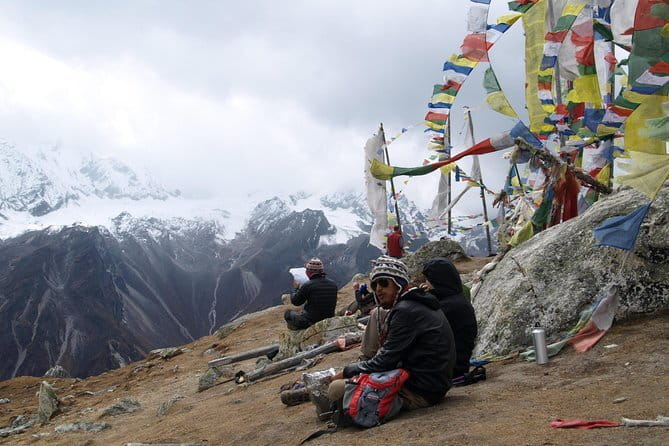
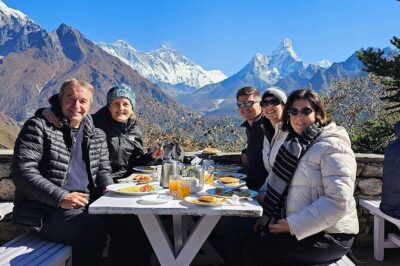
Your trek includes breakfast, lunch, and dinner during the journey. That’s key because it reduces the mental load: you’re not hunting for meals, negotiating costs, or timing every snack.
At the same time, you can buy meals in tea houses during the trek. In other words, you’re not locked into only one option. I like that flexibility, because sometimes you want something familiar—like extra warm drinks—especially on chilly mornings and colder ridge sections.
Also, pack like a realist. The practical advice shared for this trek is to carry light snacks and chocolate for energy on long days, plus water bottles, sunglasses, and a charger. Bring small comforts. They don’t add weight you can feel after a few hours, but they can keep your mood steady when the day drags.
What to pack and how to handle long, cold mountain days
Even with included meals and support, your body is the equipment. So I’d take the packing hints seriously:
- Bring sunglasses. High-altitude light can be brutal.
- Carry water bottles and keep hydration simple and consistent.
- Pack chargers you can actually use (and keep them accessible when you stop).
- Bring lite snacks and chocolate for energy.
- Expect you’ll need layers. Mountain weather can change fast, and tea-house warmth is never guaranteed.
If you’re thinking about footwear, focus on comfort and traction. This route includes forest trails, village paths, and more rugged terrain near Deurali, so you want shoes that handle different surfaces without breaking your feet down.
And one more small detail that matters: a duffel bag is part of the support plan, and you’ll get it back after completion. That’s great for carrying your main stuff while you hike with a smaller day pack.
Who this Annapurna Base Camp trek fits best
This trek is listed for people with moderate physical fitness. That doesn’t mean it’s casual. It means you can handle daily trekking hours, long days, and the emotional grind that comes from being away from comfort. If you’re comfortable walking uphill and you don’t mind early mornings, you’ll likely enjoy this format.
It’s also a strong fit if you want a guided, private experience. Since it’s private, it’s easier for your guide to adjust pace for your group and keep the plan feeling human rather than assembly-line.
If you’re traveling solo, this is especially appealing based on what you’ll hear from people who booked this company. The guide support and steady communication can help you feel less like you’re “managing” the trek and more like you’re doing it with a team.
Should you book Touch The Himalaya for Annapurna Base Camp?
I’d book this if your priorities are real local guidance, included permits and meals, and a plan that takes the hard parts off your plate. The included staffing (guide and porters with insurance and support) makes the trek feel like a well-run mountain operation, not just a ticket to a trail.
I’d think twice if you hate early starts, dislike cold weather, or aren’t ready for a serious daily walking commitment. The route is designed around long trekking days, and Annapurna rewards consistency, not speed.
If you want the classic Annapurna experience—Poon Hill sunrise, steady movement through villages, a true base-camp milestone, and that hot springs unwind—this is one of the more straightforward ways to get it without turning your trip into logistics homework.
FAQ
What is the meeting point and start time for the trek?
The trek starts in Thamel, Kathmandu 44600, Nepal, with a start time of 6:15 am.
Is this tour private?
Yes. It is a private tour/activity, and only your group participates.
How do I get from Kathmandu to Pokhara?
You’ll travel from Kathmandu to Pokhara by tourist bus, car, or flight. The drive is about 7 hours.
Do I need to buy permits for the trek?
No. All necessary trekking permits and fees are included.
Are meals included during the trek?
Yes. Breakfast, lunch, and dinner during the trek are included. You can also buy additional meals in tea houses during the trek.
What kind of guide will I have?
You’ll have an English, Hindi, or Chinese government-licensed guide who is first aid trained.
Do porters come with us?
Yes. Guide and porter costs are included, including salary, insurance, equipment, transport, food, and accommodation.
Is accommodation provided in Kathmandu?
Yes. Airport pickup and drop are included, along with two nights accommodation in Kathmandu before and after the trek.
What fitness level do I need?
The trek is recommended for travelers with moderate physical fitness.
What is the cancellation policy?
You can cancel up to 3 days in advance for a full refund. If you cancel less than 3 days before the start time, it’s not refunded.
More Trekking Out of Kathmandu
More Tour Reviews in Kathmandu
Just Reviewed in Kathmandu
- Mountain Bike Tour
★ 5.0 · 3 reviews - Annapurna Panaroma
★ 5.0 · 3 reviews - Mount Everest Scenic Flight 50 Minutes
★ 5.0 · 3 reviews - Kathmandu : Swambhunath & Durbar Square Guided Half Day Tour
★ 3.3 · 3 reviews - Chandragiri Cable Car & Monkey Temple Tour – Private/Group
★ 5.0 · 3 reviews - Kathmandu: Shivapuri National Park Hiking Day Trip
★ 3.3 · 3 reviews
Annapurna Base Camp Treks, compared.
 ★ 5.0Annapurna base camp trek 5 DaysFrom $699252 reviews
 ★ 5.014-Day Private Annapurna Base Camp TrekFrom $1,090180 reviews
 ★ 5.0Annapurna Base Camp TrekkingFrom $1,779116 reviews
 ★ 5.0Annapurna Base Camp TrekFrom $935111 reviews
★ 5.0Annapurna Base Camp TrekFrom $1,350107 reviews
★ 5.0Annapurna Base Camp TrekFrom $935111 reviews
★ 5.0Annapurna Base Camp TrekFrom $1,350107 reviews
 ★ 5.0Kathmandu to Annapurna Base Camp (ABC) 5-Day TrekFrom $99102 reviews
 ★ 5.0Annapurna Base Camp Trek- 11 DaysFrom $99990 reviews
 ★ 5.0Annapurna Base Camp Trek 12 DaysFrom $80085 reviews
Browse the lists this tour appears in