
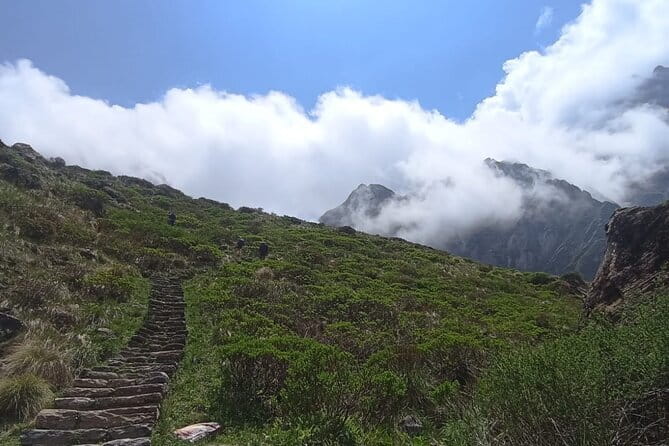
Review · ANNAPURNA BASE CAMP TREKS
Annapurna Base Camp Trek
Trekking toward Annapurna Base Camp feels almost mythic, even before you leave Nepal’s cities. This route strings together hilltop villages, forest walks, and dramatic gorge views, then lands you at 13,550 feet where locals treat the place like something divine.
What I like most is the pacing: you go up gradually, with high points like Poon Hill built into the trek so your body has time to adjust. The second big win is the human support—local government-licensed guides and porters mean you’re not juggling logistics with a pack on your back.
One consideration: the trek still asks for leg stamina. Even if many days sit in the lower Himalayas, you’ll climb for hours and you’ll spend time above 10,000 feet.
In This Review
- Key highlights worth your attention
- Annapurna Base Camp: what this 14-day trek really feels like
- Kathmandu Valley setup: the first “trek day” is getting organized
- Pokhara to Nayapool: turning from city into trail
- Tikhedhunga to Ghorepani: forests, stair climbs, and first real views
- Poon Hill day: the payoff hike before the deeper climbs
- Chomrong to Himalaya Hotel: where the trail feels steeper
- The base camp day (13,550 feet): your big goal, not a sprint
- Bamboo and Jhinu: descent that still demands careful steps
- Back to Nayapool, then Pokhara: finishing strong without overdoing it
- Porters and licensed guides: the support system that makes value real
- Difficulty and altitude: who should feel comfortable, and who should plan harder
- Price and value: what $1,300 includes (and what you must bring)
- Itinerary pacing, day-by-day: what each stop is doing for you
- Should you book this Annapurna Base Camp trek?
- FAQ
- What does the tour include during the trek?
- Where do you stay in Kathmandu, and is breakfast included?
- How is transport handled to Pokhara and back?
- What is the highest altitude on this trek?
- How difficult is the trek?
- What trekking equipment do I need to bring?
- Is travel insurance included?
- Does the trip include Kathmandu and Pokhara sightseeing?
- Is free cancellation available?
Key highlights worth your attention
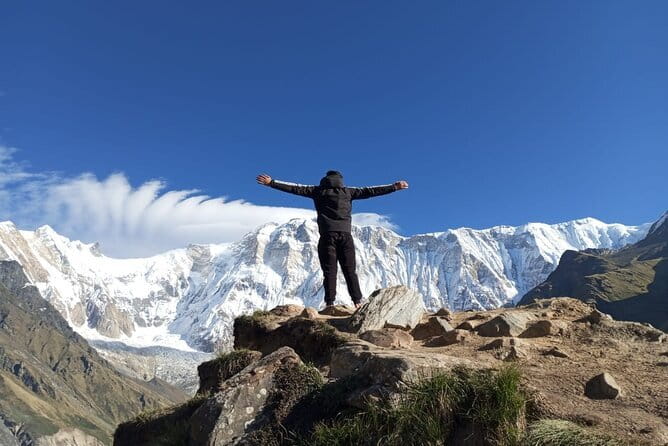
- Poon Hill sunrise hike (10,535 feet) as a morale booster before heading deeper into the Annapurna region
- Village-to-village trekking with real stops in Tikhedhunga, Ghorepani, Chomrong, and more
- Licensed guiding and porter support designed for comfort and safety on a multi-day trek
- Base Camp day at 13,550 feet, including an overnight near the endpoint so you’re not rushing
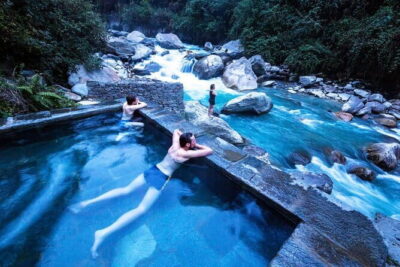
- Jhinu Hot Springs (5,840 feet) for a reset day after the high trekking effort
More trails out of Kathmandu, boots ready
- Everest Base Camp Trek – 14 Days★ 5.0 · 1,499 reviews
- Everest Base Camp Trek★ 5.0 · 842 reviews
- Everest Base Camp Trekking★ 5.0 · 485 reviews
- Nagarkot Sunrise View and Day Hiking from Kathmandu★ 5.0 · 471 reviews
Annapurna Base Camp: what this 14-day trek really feels like
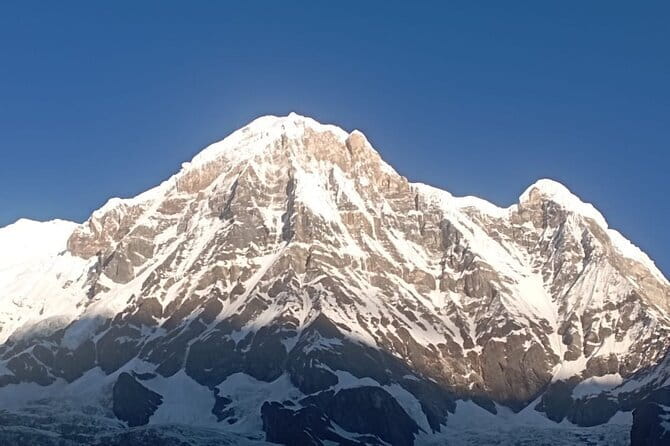
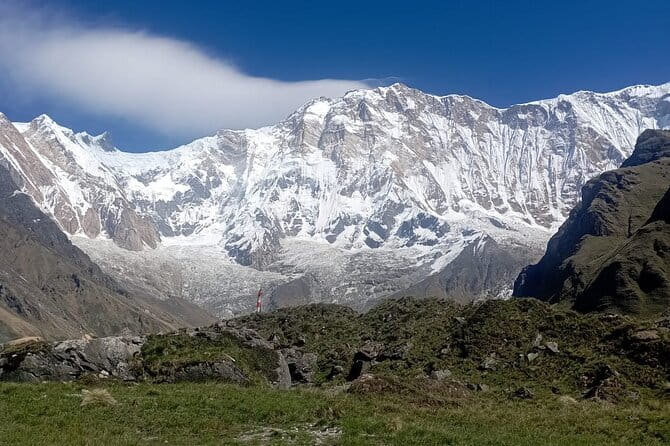
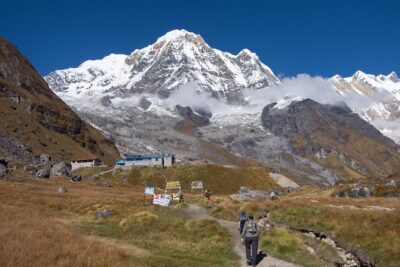
Annapurna Base Camp is the kind of goal that changes how you see the map. On paper, it’s a destination at 13,550 feet. In real time, it’s a slow build—town, trail, forest edge, cliffside path—until the Annapurna massif dominates your horizon and the air turns thinner.
This version of the trek also adds a classic Nepal rhythm: Kathmandu for culture and orientation, Pokhara as the adventure hub, then the walking days in the Annapurna region, and finally an easier landing back in the cities. That matters because you don’t want a trek that starts cold right off the plane.
You’ll start in Kathmandu (at about 4,600 feet), then spend a few days moving into the trek zone. By the time you reach base camp, you’re high enough that you’ll feel every slow step. And because the route runs through villages and guesthouses, you’re not stuck doing long, unsupported days—there’s a steady structure to each day.
Kathmandu Valley setup: the first “trek day” is getting organized
Day 1 is arrival, with an overnight at a hotel in Kathmandu on a twin-sharing basis (breakfast included). Even if you don’t feel like doing much, this is smart. You’re saving your energy for later, and you’ll sleep in proper beds rather than rushing straight into trail life.
Day 2 is where the trip starts to click for many people. You’ll do sightseeing around the Kathmandu Valley and then attend a pre-trip meeting. That meeting is underrated value. You’ll get your basics lined up before you head to Pokhara and start walking for real.
A practical note: your start time for the experience is listed as 7:45 am, and the overall schedule runs day by day with drives and hikes. If you’re the type who hates surprise timing, take comfort here—your week won’t be random.
Pokhara to Nayapool: turning from city into trail
On Day 3 you drive to Pokhara by tourist bus, and the trek zone begins to feel closer. Day 4 continues the transition: another drive to Nayapool (listed at 3,477 feet), then hiking begins.
This is a good setup because you’re not doing the hardest climbs on day one. You start with a manageable elevation step: trek from Nayapool area to Tikhedhunga (5,060 feet). The route gives your legs time to wake up, and it helps you learn how you’ll pace yourself as your breathing changes.
If you’re worried about altitude, the logic here is solid. You’re already moving upward through the Kathmandu-to-Pokhara-to-Nayapool ladder, and the first hike is not a shock sprint. Your body gets a chance to adapt before you hit the bigger altitude days.
Tikhedhunga to Ghorepani: forests, stair climbs, and first real views
Day 4 ends at Tikhedhunga. Day 5 continues to Ghorepani (9,416 feet). This is where the trek starts shifting from “getting used to hiking” into “real Himalayan trekking.”
Ghorepani is a key stop for a reason: it positions you for the signature sunrise hike. The altitude here is high enough that your pace will feel slower than normal, but it’s also high enough that the next day’s scenery tends to be worth the early start.
One thing I’d keep in mind on days like this: guesthouses are your rhythm anchors. You’ll rely on them for overnight recovery (twin-sharing), which helps you keep moving with fewer decisions. That’s part of why this style of trek is popular with first-timers and mixed-experience groups.
Poon Hill day: the payoff hike before the deeper climbs
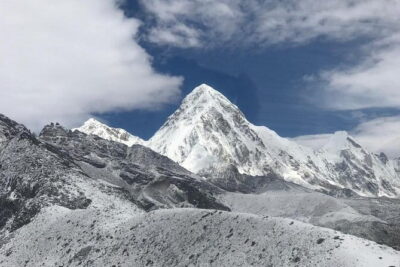
Day 6 is your Poon Hill hike to 10,535 feet, then trekking onward to Tadapani (8,628 feet). This is a classic Annapurna move: go high early for a visual reward, then continue to a lower village for an overnight.
Even if the weather is mixed, Poon Hill is usually one of the best morale days on the entire route. You’re working for a view, and then you’re not stuck hanging around forever—you move on to Tadapani, where you can recover and keep the journey going.
This is also where you learn a smart trekking habit. Don’t chase speed. Instead, maintain steady effort on the climbs, because you’ll do more uphill later. If you treat this day as a training session for pacing, you’ll feel better at higher elevations.
Chomrong to Himalaya Hotel: where the trail feels steeper
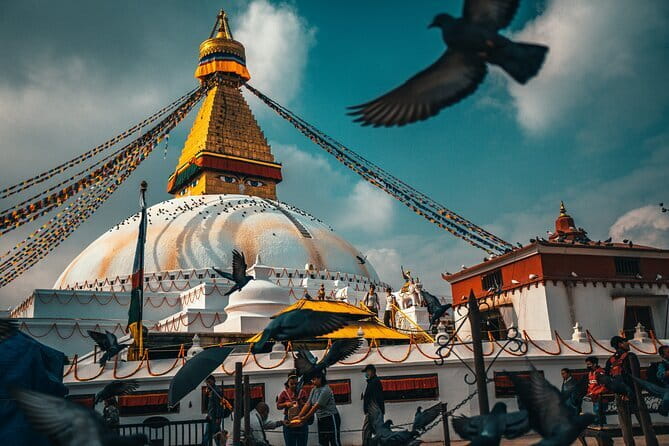
Day 7 takes you to Chomrong (7,120 feet). Day 8 continues to Himalaya Hotel (9,678 feet). This stretch tends to feel more demanding because you’re repeatedly climbing and because the Annapurna massif becomes less of a background and more of a presence.
Chomrong is often a turning point psychologically. You can feel like you’re officially “in the Annapurna zone” rather than just traveling through it. Then the move to Himalaya Hotel sets you up for the real high day: base camp.
Also, pay attention to how your body reacts around 9,000–10,000 feet. It’s not just about breath. It’s about how your muscles feel when you start climbing after dinner and when you wake up. The structure of this itinerary gives you a couple of nights in the higher middle zone before you push all the way up.
The base camp day (13,550 feet): your big goal, not a sprint
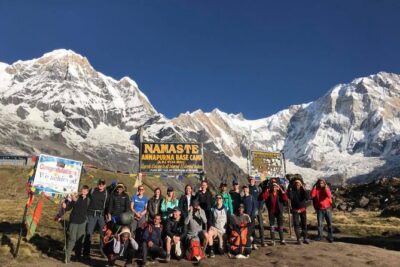
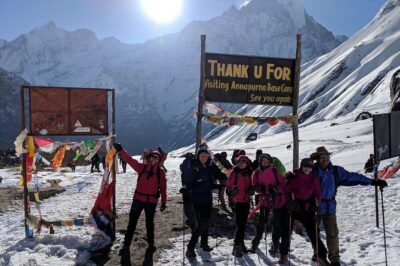
Day 9 is the trek to Annapurna Base Camp at 13,550 feet. That is the core event of this trip, and it comes after several nights where you’ve built acclimatization through incremental elevation steps.
What stands out here is how the itinerary treats base camp as a place you arrive to, not a checkbox. You overnight at a guesthouse near the endpoint, so you’re not immediately forced to descend right away. That extra night helps you manage how you feel at altitude.
Locals describe Annapurna Base Camp as the home of the gods, and you’ll likely understand why once you’re there. Even from a practical view, that “divine” feeling is tied to what your senses do at altitude: the scale is bigger, the silence is sharper, and the mountain’s presence feels close.
One caution: your body is still the boss. If you feel off—headache, unusual fatigue, dizziness—follow the guidance of your licensed guide and don’t push macho pace. On a trek like this, smarter beats tougher.
Bamboo and Jhinu: descent that still demands careful steps
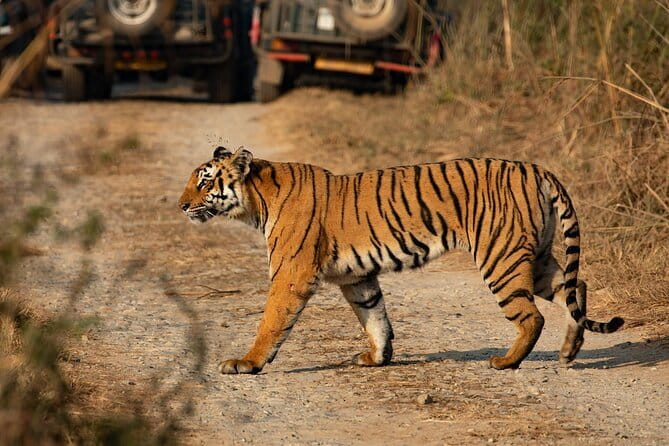
After base camp, Day 10 takes you to Bamboo (7,695 feet). Day 11 continues to Jhinu Hot Spring (5,840 feet). Descents can trick you. Your heart rate may feel calmer, but your knees and calves work hard on uneven trails.
This is why Jhinu Hot Springs is such a nice design element. It’s a relief day built into the route, and soaking in hot water can help you recover—especially after a big altitude push. Whether you soak for a few minutes or longer, this is one of those moments that can make the last stretch feel worth it.
Also, note the emotional pattern. After the peak day, your mind relaxes. You’re grateful, you’re tired, and you want the next step to be easier. The itinerary’s move from base camp to Bamboo to Jhinu gives you that gradual easing.
Back to Nayapool, then Pokhara: finishing strong without overdoing it
Day 12 takes you back to Nayapool (3,477 feet) and then drives you to Pokhara. You’ll also do sightseeing in Pokhara and spend the night at a hotel.
This is a good landing plan because it gives you a day where your legs finally get rest, but you still get to enjoy the region. Pokhara is often a “breath” city after mountain trekking—your body notices the difference right away.
Day 13 drives you back to Kathmandu and includes a farewell dinner plus an overnight at a hotel. Day 14 is final departure.
Porters and licensed guides: the support system that makes value real
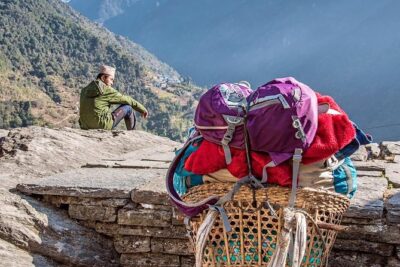
This trek includes local government-licensed guides and porters—one each for a pair of travelers—plus local support staff. That changes the trip from “walk and hope” to “walk with a plan.”
What you should expect from a good guide on this route:
- Route pacing that accounts for altitude, not just distance
- Practical adjustments if trail conditions change
- Knowledge of village stops and what to expect each day
In the experience feedback, guides such as Kumar and Jeevan are praised for being excellent and respectful, with humor and patience, and for stepping in quickly when issues pop up beyond anyone’s control. That kind of attitude matters because treks aren’t mechanical. Weather, timing, and small disruptions happen.
Also, this is a private tour/activity, so only your group participates. That typically means less waiting and fewer “everyone stay together” delays compared with big open groups.
Difficulty and altitude: who should feel comfortable, and who should plan harder
The trek is described as moderate overall. Many days are spent in the lower Himalayas, but you still go over 10,000 feet and climb for hours on end, which tests your legs and grit.
A useful way to interpret the difficulty:
- If you’re comfortable hiking uphill for several hours and you recover well at night, you’ll likely handle it.
- If you’re usually short of stamina, you’ll need to focus on conditioning before you come.
- If you’re sensitive to altitude, you should talk to your doctor and plan extra conservatism.
You’ll move from around 4,600 feet in Kathmandu to 13,550 feet at base camp. That’s a big jump, even with the gradual routing. Treat the itinerary as intentional training for acclimatization, not as a reason to ignore how you feel.
Price and value: what $1,300 includes (and what you must bring)
At $1,300 per person for about 14 days, you’re paying for more than the trek itself. Included items cover:
- A three-star Kathmandu hotel stay on a twin-sharing basis, with breakfast
- Guesthouse twin-sharing during the trek
- Licensed local guides
- Porters and local support staff
You also get practical operational support like pickup offered and a mobile ticket. Those aren’t glamorous, but they reduce friction, especially after flights.
What isn’t included is equally important:
- Travel insurance (not optional—emergency rescue/evacuation coverage is mandatory)
- International airfare to and from Kathmandu
- Nepal visa fees
- Trekking equipment
This is where value thinking helps. You don’t want to “shop cheap” on gear or insurance. The trip’s structure assumes you’ll arrive prepared with proper trekking items and coverage.
If you need to rent or buy equipment, you can do so in Kathmandu for a small fee. That’s helpful, but it’s still better to arrive with what you know you’ll use.
Itinerary pacing, day-by-day: what each stop is doing for you
Here’s the job each segment performs, beyond just where you sleep:
- Kathmandu (arrival + valley sightseeing): gets you oriented and ready for the pre-trip meeting.
- Drive to Pokhara and onward to Nayapool: transitions you into the trek environment without exhausting climbs immediately.
- Tikhedhunga and Ghorepani: builds altitude gradually and places you well for a sunrise payoff.
- Poon Hill and Tadapani: gives you a signature view moment, then moves you into the next acclimatization zone.
- Chomrong and Himalaya Hotel: increases seriousness of the climbs and sets up base camp day.
- Annapurna Base Camp: the goal day at 13,550 feet, with an overnight nearby so you can recover and absorb the experience.
- Bamboo and Jhinu: manages descent stress and adds hot springs recovery.
- Nayapool, Pokhara, Kathmandu: transitions from trail fatigue back to city comfort with sightseeing and a farewell dinner.
This route feels well planned for first-timers who want a classic Annapurna experience, and also for repeat trekkers who still want structure and support rather than doing everything solo.
Should you book this Annapurna Base Camp trek?
If you want an organized Annapurna Base Camp trek with real support (licensed guides, porters, and guesthouse overnights) and you like the idea of mixing mountains with Kathmandu and Pokhara, this is a solid match. It also looks especially good for mixed groups—people with different trekking comfort levels—because the trip is structured day by day.
I’d reconsider if you hate altitude or struggle with long uphill days. The trek goes above 10,000 feet and includes hours of climbing, so you’ll need preparation and a calm pace.
If you decide to go, do two things early: get travel insurance with emergency evacuation coverage before you arrive, and pack your trekking equipment so you’re not scrambling in Kathmandu.
FAQ
What does the tour include during the trek?
You’ll get overnight stays at guesthouses during the trek (twin-sharing), plus a local government-licensed guide, porters (one each for a pair of travelers), and local support staff.
Where do you stay in Kathmandu, and is breakfast included?
You stay at a three-star hotel in Kathmandu on a twin-sharing basis, and breakfast is provided.
How is transport handled to Pokhara and back?
The itinerary includes drives by tourist bus from Kathmandu to Pokhara and from Pokhara back to Kathmandu, plus a drive to Nayapool during the trekking start.
What is the highest altitude on this trek?
The trek reaches Annapurna Base Camp at 13,550 feet.
How difficult is the trek?
Most days are in the lower Himalayas, but you will go over 10,000 feet and climb for hours on end, which tests leg stamina and endurance.
What trekking equipment do I need to bring?
You have to bring all your trekking equipment by yourself. If you forget something, you can purchase or rent it in Kathmandu for a small fee.
Is travel insurance included?
No. Travel insurance is not included and is mandatory. It must be arranged before arriving in Nepal.
Does the trip include Kathmandu and Pokhara sightseeing?
Yes. There is sightseeing around Kathmandu Valley on Day 2, and sightseeing in Pokhara on Day 12.
Is free cancellation available?
Yes. You can cancel up to 24 hours in advance for a full refund. If you cancel less than 24 hours before the start time, the amount paid will not be refunded.
More Trekking Out of Kathmandu
More Tour Reviews in Kathmandu
Just Reviewed in Kathmandu
- Mountain Bike Tour
★ 5.0 · 3 reviews - Annapurna Panaroma
★ 5.0 · 3 reviews - Mount Everest Scenic Flight 50 Minutes
★ 5.0 · 3 reviews - Kathmandu : Swambhunath & Durbar Square Guided Half Day Tour
★ 3.3 · 3 reviews - Chandragiri Cable Car & Monkey Temple Tour – Private/Group
★ 5.0 · 3 reviews - Kathmandu: Shivapuri National Park Hiking Day Trip
★ 3.3 · 3 reviews
Annapurna Base Camp Treks, compared.
 ★ 5.0Annapurna base camp trek 5 DaysFrom $699252 reviews
 ★ 5.014-Day Private Annapurna Base Camp TrekFrom $1,090180 reviews
 ★ 5.0Annapurna Base Camp TrekkingFrom $1,779116 reviews
 ★ 5.0Annapurna Base Camp TrekFrom $935111 reviews
★ 5.0Annapurna Base Camp TrekFrom $1,350107 reviews
★ 5.0Annapurna Base Camp TrekFrom $935111 reviews
★ 5.0Annapurna Base Camp TrekFrom $1,350107 reviews
 ★ 5.0Kathmandu to Annapurna Base Camp (ABC) 5-Day TrekFrom $99102 reviews
 ★ 5.0Annapurna Base Camp Trek- 11 DaysFrom $99990 reviews
 ★ 5.0Annapurna Base Camp Trek 12 DaysFrom $80085 reviews
Browse the lists this tour appears in