
Review · ANNAPURNA BASE CAMP TREKS
Annapurna base camp trek
This trek has big views, fast. What makes it fun is the mix of Pokhara lake time and Poon Hill sunrise before you head into Annapurna’s real high-country drama. I especially like the cultural stop-and-talk energy with Gurung and Magar communities, plus the way the trek keeps offering sharp views of Machhapuchhre and the Annapurna region. One drawback to plan for: the altitude is real, and if you go in busier months, you may find yourself sharing popular moments with lots of other hikers.
What I think makes this experience worth your money is that it’s not just a “walk to a number.” You also get a chance at a Machhapuchhre Base Camp bonus experience, and you end with the relief of hot water springs near Jhinu to help your muscles come down off the mountain. The Annapurna Conservation Area is another big reason to care: you’re trekking through habitat where rare species exist, so slow down sometimes and look around, not only up.
On the practical side, I like that it’s capped at 15 travelers, and that you’re dealing with a driver/guide plus hotel pickup/drop-off. You do need the right mindset for moderate walking, and you must follow the dress code for temples and selected museums (knees and shoulders covered, no sleeveless tops or shorts). If you’re expecting totally hands-off comfort every step, temper that expectation.
In This Review
- Key Highlights You’ll Feel on the Trail
- Pokhara First: Lakes, Caves, and the Easiest Way to Start
- From Nayapool to Poon Hill: Sunrise Setup at 3,210m
- Cultural Villages and the Himalayan Belt Mood Shift
- Annapurna Base Camp at 4,130m: The Moment You Came For
- Machhapuchhre Base Camp Bonus + Jhinu Hot Springs Recovery
- Price and What You’re Actually Getting for $999
- Group Size, Daily Walking, and Staying Flexible
- Permits, Dress Code, and Packing Notes That Save Trouble
- Should You Book This Annapurna Base Camp Trek?
- FAQ
- Where is the meeting point in Kathmandu?
- How long is the trip?
- What is the highest elevation on the trek?
- What fitness level do I need?
- What is included in the $999 price?
- Are meals and drinks included?
- Is there a dress code?
- How large is the group?
Key Highlights You’ll Feel on the Trail
- Pokhara first, with real Nepal fun: lakes, caves, eateries, and popular adventure add-ons like paragliding and zip flyer
- Poon Hill at 3,210m: sunrise and sunset timing can make your first big Himalaya payoff
- Cultural villages en route: Gurung and Magar communities with Hindu-Buddhist life, food, and hospitality
- Annapurna Base Camp at 4,130m: iconic views, plenty of photo time at the top
- Machhapuchhre Base Camp bonus: an extra win if conditions and route timing allow
- Jhinu hot springs: a practical recovery moment after days of climbing and descent
More trails out of Kathmandu, boots ready
- Everest Base Camp Trek – 14 Days★ 5.0 · 1,499 reviews
- Everest Base Camp Trek★ 5.0 · 842 reviews
- Everest Base Camp Trekking★ 5.0 · 485 reviews
- Nagarkot Sunrise View and Day Hiking from Kathmandu★ 5.0 · 471 reviews
Pokhara First: Lakes, Caves, and the Easiest Way to Start
Most Annapurna trips feel intense right away. This one starts by letting you land in Pokhara, the lake city that’s Nepal’s main tourism base after Kathmandu. That order matters. You get a buffer day vibe before you start walking uphill all day.
Pokhara is also where you can scratch the “I’m in Nepal, what should I do right now?” itch. You’re surrounded by caves, lakes, places to eat and drink, small museums, and paragliding spots. If you want extra action, the tour package itself explicitly suggests add-ons like hot air ballooning, paragliding, and zip flyer in Pokhara. Even if you skip the adrenaline, this is a good place to buy trekking basics and get your bearings fast.
Practical tip: Pokhara is also where you can take care of the admin you’ll need later. The trip data and the hiking feedback both point to getting trekking permits in Kathmandu or Pokhara, so plan to handle that while you’re still in the low-elevation comfort zone.
From Nayapool to Poon Hill: Sunrise Setup at 3,210m
The walking officially begins from Nayapool, about a 2-hour drive from Pokhara. That short transfer is one of the quiet strengths of the route. You don’t waste the first day marinating in logistics. You get moving, then you get rewarded.
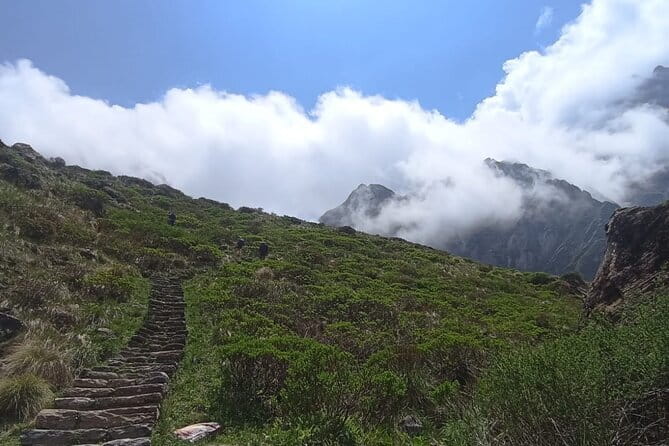
The first phase aims for Poon Hill (3,210m). This is the altitude ladder that helps you adapt. You’ll trek through green woods and rhododendron areas, and you’ll notice the plant mix change as you go higher. The route description highlights rhododendron, fig, bamboo, juniper, and other trees—so expect a walk that feels more like a changing forest than a straight line through rocks.
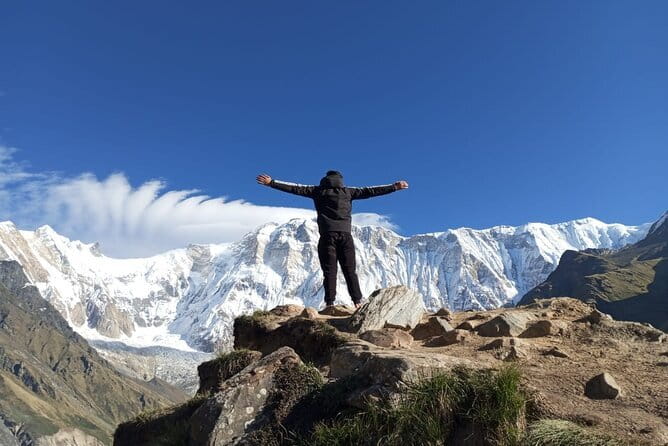
And yes, the big reason to do Poon Hill is the views. You’re there for sunrise (and often sunset), when the mountains can look sharp and layered. From your higher viewpoint, you can catch the Himalayan belt atmosphere and start spotting the peaks that will dominate later on.
Real talk: sunrise hikes can be cold and a little early. Dress for the start time, not the mid-day warmth you feel back in town.
Cultural Villages and the Himalayan Belt Mood Shift
Once you leave the Poon Hill focus, the trek shifts into a more “human Nepal” rhythm. You’ll move through cultural villages tied to Gurung and Magar communities, and you’ll experience their Hindu and Buddhist lifestyle in everyday form—housing styles, local cuisines, and hospitality.
This matters because Annapurna can feel overwhelming if you only chase the skyline. Cultural stops give the trek a narrative. You’re not just stacking elevation for a summit photo. You’re walking through communities shaped by the mountains for generations.
The route also mentions encountering people of Tibetan origin as you travel through the Himalayan belt. That’s not just a cultural note—it changes what you notice day to day. You’ll likely see different influences in the way life is organized, in how people talk about the seasons, and in the rhythm of the tea houses and small stops along the way.
Small advice: take time to eat slowly and ask simple questions about food and daily life. With a moderate walking schedule, these pauses don’t ruin the pace. They make the day feel complete.
Annapurna Base Camp at 4,130m: The Moment You Came For
Reaching Annapurna Base Camp is the headline, and the key detail is the elevation: 4,130m. At that altitude, the air feels different, and you’ll notice that even simple effort costs more. This is one of those treks where “moderate walking” still means you must respect your body.
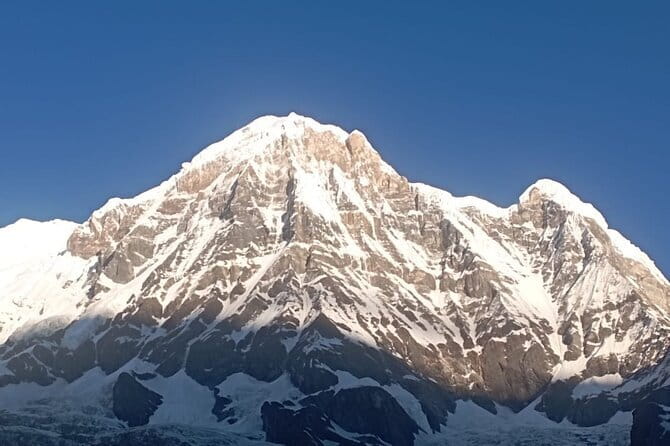
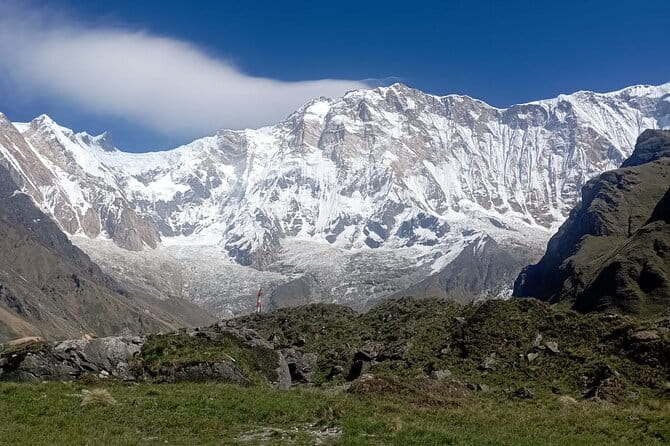
The scenery build-up is part of the payoff. The route description calls out frequent views of Machhapuchhre and the Dhaulagiri massif, plus the Annapurna series. It also mentions other peaks you may see along the way, like Neelgiri and Himchuli. The result is that you’re not waiting until the last day to see big mountains. Even earlier, the skyline keeps showing up around bends and ridgelines.
Base camp time is also about stopping. The plan encourages you to take as many pictures as possible while you’re at base camp. That’s practical advice, too: cloud cover and light can change quickly, and you won’t always get a second perfect window.
Wildlife note you’ll care about: this trek goes through the Annapurna Conservation Area, and the description emphasizes rare species. You won’t be guaranteed animal sightings, but you can expect a trek where the environment matters. Keep your eyes open, move calmly, and don’t treat the trail like a conveyor belt.




Machhapuchhre Base Camp Bonus + Jhinu Hot Springs Recovery
If conditions and timing work out, you get a Machhapuchhre Base Camp experience as a bonus. Machhapuchhre—also called Fishtail Mountain—is one of the region’s most recognizable silhouettes, and having a specific bonus toward its base area is a smart way to add meaning to your time in the Annapurna region.
Then comes the recovery payoff near the end: hot water natural springs close to Jhinu. This isn’t just a nice-to-have. After days of stair-stepping up and down, warm water can help your muscles feel less angry. It’s also psychologically helpful: you move from “survival mode on the trek” into “okay, I can relax again” mode.
One consideration: springs and cold evenings don’t mix if you’re under-dressed. If you’re prone to getting cold, plan for warm layers for after dipping your legs or bathing.
Price and What You’re Actually Getting for $999
At $999 per person, the value question is simple: what’s included, and what’s not. Here’s the straight list from the tour package details.
Included:
- Accommodation as per itinerary
- Entrance fees
- Breakfast
- Driver/guide
- Hotel drop-off and hotel pickup
Not included:
- Food and drinks
- Alcoholic drinks (with a stated minimum drinking age of 18)
So the package is paying for the “moving parts” that make treks hard: lodging logistics, a guide/driver, and basics like entrance fees and at least one meal (breakfast). What you’ll still manage yourself is most of the daily food and all drinks beyond breakfast.
How I’d think about value:
- If you prefer fewer decisions, a guided setup and pickup/drop-off can be worth a lot.
- If you’re comfortable handling logistics and you’re disciplined about packing your own snacks, you might spend less outside the package. But you’ll trade convenience for effort.
- Either way, plan a real budget for daily meals on the trail. This trek description explicitly says food and drinks aren’t included, so don’t build your trip math around the idea that every meal is covered.
Also, the tour mentions a mobile ticket, which can reduce the stress of printed vouchers, especially on arrival days.
Group Size, Daily Walking, and Staying Flexible
This trek runs with a maximum of 15 travelers. That’s a practical comfort level. Big groups can slow you down. Tiny groups can feel too quiet and stop you from meeting people. This size usually lands in the middle where you can keep a steady pace without feeling like you’re in a crowd-control line.
You should also assume a moderate hiking rhythm. The tour info calls it moderate physical fitness, with a moderate amount of walking. One feedback detail in the provided material describes day walking around 5–6 hours in many trek days. That lines up with a trek where you’ll likely be tired every evening, but not wrecked every hour.
Season matters, and the provided information flags that October can require flexibility. In busier times, you may share popular trail moments with many other trekkers. Winter trekking can also be tougher for comfort if you’re warmth-focused, so if you pick a colder season, pack with that in mind and don’t rely on good intentions.
My advice: pick the season you can handle, but also pick the pace you can maintain. This is a trek where patience beats heroics.
Permits, Dress Code, and Packing Notes That Save Trouble
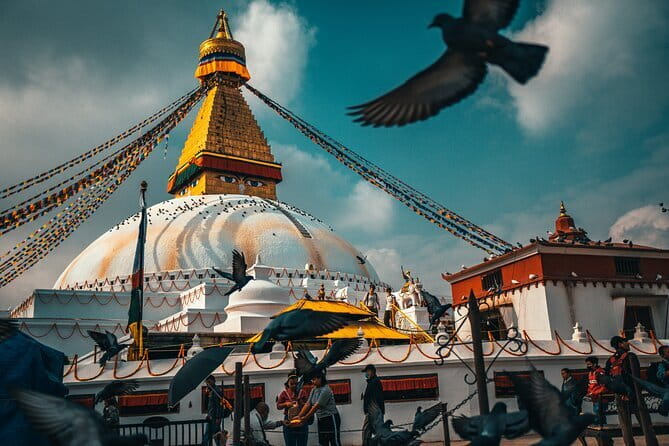
A few practical rules can make the difference between a smooth trek and unnecessary frustration.
Dress code for worship and select museums: the tour data is clear. You must cover knees and shoulders for both men and women. That means no shorts or sleeveless tops where the dress code is enforced, and you may be refused entry if you ignore it.
Trekking permits: the provided material indicates you may need to buy your trekking permit in Kathmandu or Pokhara. Build time into your start days to handle this, so you’re not rushing once you’re already in motion.
What to pack (based on what the trek demands, not guesswork):
- Warm layers for early-morning starts (especially for Poon Hill sunrise)
- Clothing that follows the cover rules for temples and museums
- Comfort for repeated walking hours (your feet will notice everything)
- A realistic approach to altitude at 4,130m (go steady and drink enough)
And one more small thing: pace yourself around photo stops. You’ll want pictures at base camp and at view points. That’s normal. Just don’t turn every stop into a full break. Keep moving enough that your body stays warm and your hiking rhythm stays steady.
Should You Book This Annapurna Base Camp Trek?
If you want an Annapurna trip that mixes big scenery with real cultural village life, this package fits the bill. I’d book it if you appreciate having a guide and pickup/drop-off handled, and if you like the idea of structure: Pokhara first, Poon Hill for sunrise views, then the climb to Annapurna Base Camp at 4,130m, with a Machhapuchhre bonus and the Jhinu hot springs finish.
I’d think twice if:
- you’re expecting meals and drinks to be included beyond breakfast,
- you hate cold starts,
- or you’re not ready for altitude and the reality of days that can feel like 5–6 hours of steady walking.
FAQ
Where is the meeting point in Kathmandu?
The tour starts at the TIA Domestic Terminal parking lot in Kathmandu, Nepal, and ends back at the same meeting point.
How long is the trip?
The duration is listed as about 15 days, with itinerary options mentioned that range from shorter formats like 7 days up to longer options around 14 days for convenience.
What is the highest elevation on the trek?
The trek reaches Annapurna Base Camp at about 4,130 meters.
What fitness level do I need?
The tour states you should have moderate physical fitness. It also notes a moderate amount of walking is involved.
What is included in the $999 price?
Accommodation as per itinerary, entrance fees, breakfast, a driver/guide, and hotel pickup and drop-off are included.
Are meals and drinks included?
Food and drinks are not included in the package (breakfast is included). Alcoholic drinks are also not included, and the minimum drinking age is 18.
Is there a dress code?
Yes. For places of worship and selected museums, you must cover knees and shoulders. No shorts or sleeveless tops are allowed, and you may be refused entry if you don’t comply.
How large is the group?
The group size has a maximum of 15 travelers.
More Trekking Out of Kathmandu






More Tour Reviews in Kathmandu




Just Reviewed in Kathmandu
- Mountain Bike Tour
★ 5.0 · 3 reviews - Annapurna Panaroma
★ 5.0 · 3 reviews - Mount Everest Scenic Flight 50 Minutes
★ 5.0 · 3 reviews - Kathmandu : Swambhunath & Durbar Square Guided Half Day Tour
★ 3.3 · 3 reviews - Chandragiri Cable Car & Monkey Temple Tour – Private/Group
★ 5.0 · 3 reviews - Kathmandu: Shivapuri National Park Hiking Day Trip
★ 3.3 · 3 reviews
Annapurna Base Camp Treks, compared.
 ★ 5.0Annapurna base camp trek 5 DaysFrom $699252 reviews
 ★ 5.014-Day Private Annapurna Base Camp TrekFrom $1,090180 reviews
 ★ 5.0Annapurna Base Camp TrekkingFrom $1,779116 reviews
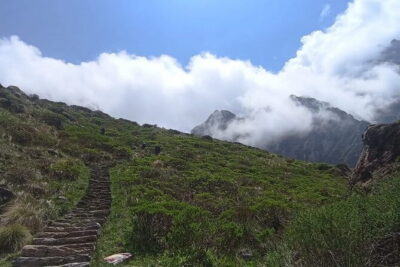 ★ 5.0Annapurna Base Camp TrekFrom $935111 reviews
★ 5.0Annapurna Base Camp TrekFrom $1,350107 reviews
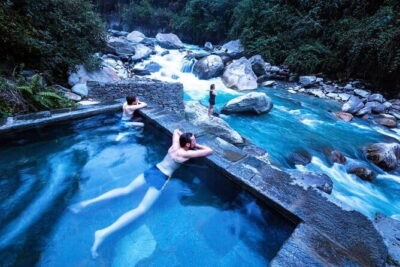 ★ 5.0Kathmandu to Annapurna Base Camp (ABC) 5-Day TrekFrom $99102 reviews
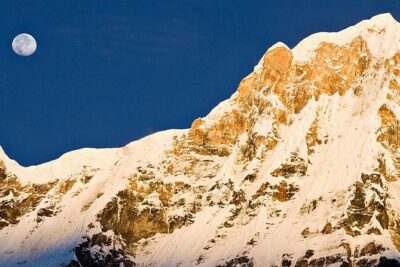 ★ 5.0Annapurna Base Camp Trek- 11 DaysFrom $99990 reviews
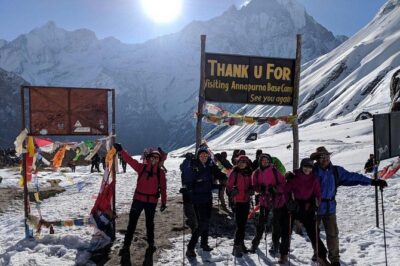 ★ 5.0Annapurna Base Camp Trek 12 DaysFrom $80085 reviews
Browse the lists this tour appears in