
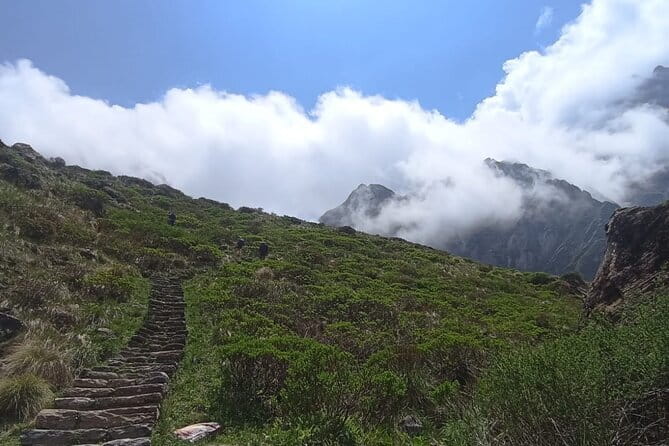
Review · ANNAPURNA BASE CAMP TREKS
Annapurna Base Camp Trek
One of the best ways to understand the Himalaya is up close. This Annapurna Base Camp trek links Kathmandu and Pokhara with a structured hike through classic villages, then lifts you to the base camp area at 4130m.
I like how clearly the route is paced: you move from the low streets of Pokhara (820m) into higher villages step by step, with overnight stops that make the climb feel manageable. I also like the human side built into the plan—an English-speaking guide and a porter system (a porter between two people) means you get help without turning the experience into a machine.
One consideration: this itinerary still asks for real uphill days, and the altitude at Annapurna Base Camp can be tough if you are not used to hiking or you arrive with limited fitness. Also, tips are expected, and things like travel insurance and visa fees are not included.
In This Review
- Quick reasons to go
- Entering the Annapurna Base Camp rhythm (11 days of steady altitude)
- Day 1 and Day 2: Kathmandu prep and the Pokhara handoff
- Ghandruk and Chomrong: where the trek starts to feel real
- Deurali at 3230m and the push toward ABC (4130m)
- Bamboo (2310m) and Jhinu Danda (hot springs): recovery on the way down
- Backtracking to Nayapul, then Pokhara and Kathmandu
- Price and logistics: what $1,099 really covers
- Accommodation and food: tea houses plus small treats
- Who this trek suits best (and who should rethink it)
- The human factor: guide and porter energy you notice
- Practical tips before you go (based on what’s included and not)
- Should you book this Annapurna Base Camp Trek?
- FAQ
- How long is the Annapurna Base Camp trek?
- Where does the trek start and when is the meeting time?
- Is airport pick-up included?
- What is the highest altitude on this itinerary?
- What kind of accommodation do you use during the trek?
- Are trekking permits included?
- How are meals handled?
- Do I need travel insurance or a visa fee?
Quick reasons to go
- Tea-house trekking is included, so you’re not hunting hotels mid-route.
- Permits and TIMS are handled (Annapurna conservation area entry + Trekkers Information Management System).
- A guide + porter setup keeps the trip practical, especially on heavier days.
- Annapurna massif views are a highlight, with multiple clients calling out the panoramic payoff.
- Hot springs time at Jhinu Danda helps your legs recover on the way down.
More trails out of Kathmandu, boots ready
- Everest Base Camp Trek – 14 Days★ 5.0 · 1,499 reviews
- Everest Base Camp Trek★ 5.0 · 842 reviews
- Everest Base Camp Trekking★ 5.0 · 485 reviews
- Nagarkot Sunrise View and Day Hiking from Kathmandu★ 5.0 · 471 reviews
Entering the Annapurna Base Camp rhythm (11 days of steady altitude)
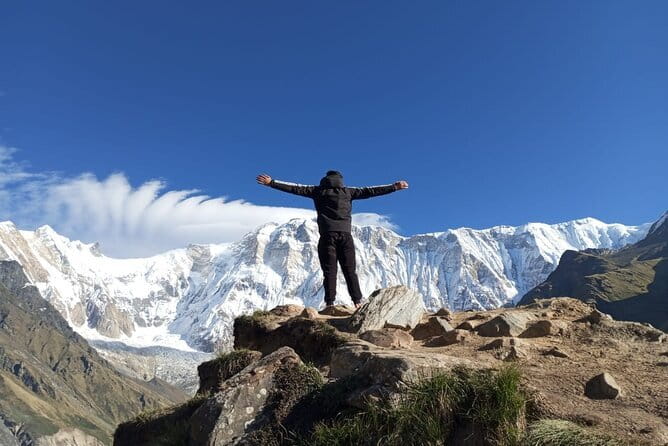
This trek is built around a classic idea: you don’t just hike high—you transition into it. Day to day, the altitude increases, then decreases, with overnight stays designed to help you keep going. You start at Kathmandu, sleep there to prepare, ride to Pokhara, then begin the trekking section in earnest.
The overall flow matters. Long treks feel less intimidating when the itinerary gives you frequent chances to regroup—arriving in villages at set elevations, sleeping in tea houses, and eating meals that are part of the plan. That kind of structure is one reason people describe the trip as well organized.
Day 1 and Day 2: Kathmandu prep and the Pokhara handoff
Your first day is all about getting set up. You arrive in Kathmandu and transfer to a hotel for overnight, then plan the next day’s move into trekking mode. Airport pick-up and drop are included, and you also get a TIMS-related packet handled by the organizer as part of the broader permit setup.
Day 2 is your transfer day. You go from Kathmandu to Pokhara by tourist bus and spend the night in Pokhara (820m). This isn’t just transportation—it’s the breathing space before the trail. Pokhara is lower and easier on the body, which helps you get your legs and head ready for walking days ahead.
Ghandruk and Chomrong: where the trek starts to feel real
Day 3 brings your first hike with a clear shift in scenery. You travel from Pokhara to Nayapul by private transport (about 1:30), then trek to Ghandruk (1940m). Ghandruk sits at a height where you start feeling the mountains more clearly, and village life becomes part of the experience.
Day 4 continues into Chomrong (2230m), or possibly Sinuwa depending on conditions. This is an important day because it often becomes a turning point mentally: your legs understand the job now, and the views start to feel less like scenery and more like the reason you’re here.
A practical note: the itinerary includes overnight tea-house accommodation, so you’re not required to find lodging mid-day. That matters when the day has its own pace and weather.
Deurali at 3230m and the push toward ABC (4130m)
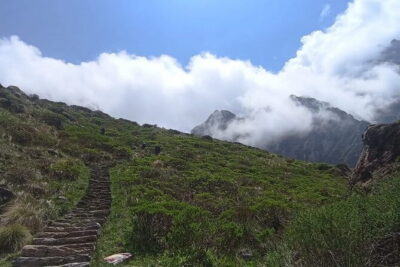
Day 5 is a climb from Sinuwa to Deurali (3230m). This is where the hike starts asking for consistency: steady effort, careful breathing, and pacing that doesn’t sprint ahead of your stamina. You sleep higher now, which helps make the final push feel less like a sudden leap.
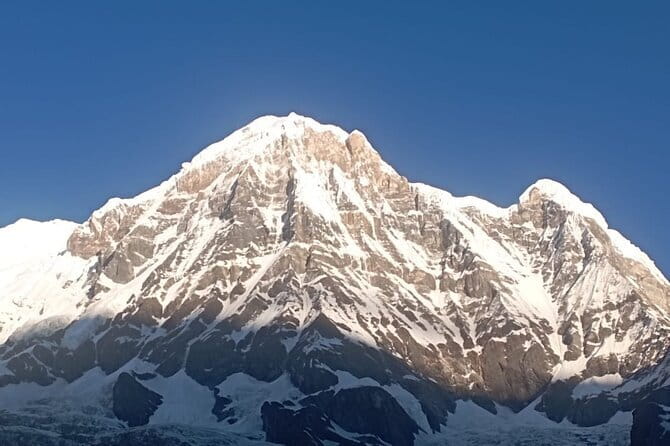
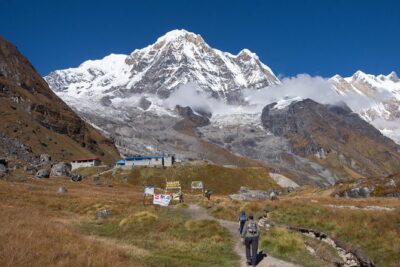
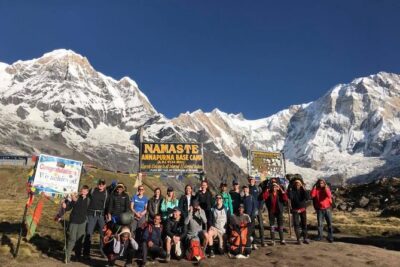
Day 6 is the big moment. You trek from Deurali up to Annapurna Base Camp (ABC) at 4130m. This is the day with the headline altitude, and it’s why the trek earns its reputation. In client feedback, the Annapurna massif panorama gets called out again and again as the payoff—big, broad, and the kind of view you remember long after you’re back down.
Even if you’re not chasing summit-style extremes, ABC at this height can still be tiring. Bring patience for the last stretch. The route itself is demanding, and the best strategy is staying smooth rather than aggressive.




Bamboo (2310m) and Jhinu Danda (hot springs): recovery on the way down
After ABC, the itinerary starts moving you back down in a way that still keeps momentum. Day 7 treks from ABC to Bamboo (2310m). This is a relief day compared to the climb, but your legs still feel every step. Expect walking to remain active even when the altitude is easing.
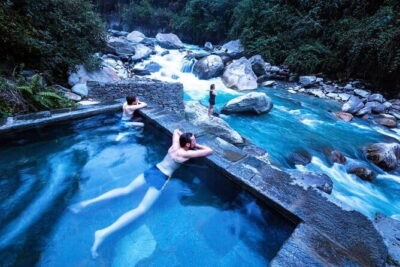
Day 8 goes from Bamboo to Jhinu Danda (1780m), including hot springs time. If you’ve ever hiked and wished for a simple, no-fuss recovery tool, this is that moment. It’s also a nice change of tone: instead of looking for the next view point every hour, you get a built-in reward to reset your body.
Backtracking to Nayapul, then Pokhara and Kathmandu
Day 9 takes you from Jhinu Danda back to Nayapul, then by transport to Pokhara for an overnight stay. That brings you back to the comfort zone of lower elevation and easier logistics.
Day 10 is Pokhara to Kathmandu by tourist transport (the itinerary notes tourist transport, and Kathmandu altitude is listed at 1336m). Day 11 is departure time. If you want extra days, the plan allows for relaxing, shopping, or sightseeing in Kathmandu before you fly home.
This finish matters because it changes how the trek feels. You don’t just end with a random travel scramble—you end with a step back into everyday life.
Price and logistics: what $1,099 really covers
At $1,099, the value is tied to what’s included rather than just the number. Here’s what you’re getting that reduces your planning stress:
- Permits are included, including Annapurna conservation area trekking entry permits.
- TIMS Card is included (Trekkers Information Management System).
- Tea house accommodation during the trek is included, plus nights in Kathmandu and Pokhara (two nights each) with breakfast.
- English-speaking guide is included.
- Porter service is included with a ratio of 1 porter between 2 people (so you’re not carrying everything alone, if the group setup follows that standard).
- All ground transportation is included, including Kathmandu to Pokhara and Pokhara to Nayapul.
- A medical kit is included, and there’s trip certification.
- You also get a company duffel bag and a t-shirt, plus small snack and fruit extras like one Snickers per person during the trek and snack/fruit-style meal add-ons.
Meals are partly included too: breakfast is listed as 10, lunch as 8, and dinner as 7. That structure helps you stay fed without negotiating food stops every day. It also supports steady pacing—you can focus on hiking rather than route hunting.
What’s not included matters for budgeting. You’ll need to plan for:
- Nepal entry visa fee, plus international airfare
- Travel insurance and emergency evacuation
- Lunch and dinner in Kathmandu and Pokhara
- Personal equipment and a water bottle (listed as not included)
- Tips for guide and porter (tipping is expected)
- Items like hot water battery charge and any donations
If you prefer to arrive with fewer surprises, this package is set up to help—just remember the big “not included” items.
Accommodation and food: tea houses plus small treats
During trekking days, accommodation is tea house style. That usually means simple rooms, basic comforts, and the comfort of knowing you have a bed lined up each night.
Food is handled in the package rather than left open-ended. The meal counts (breakfast, lunch, dinner) show the plan isn’t just about lodging—it’s about keeping you powered. The snack list is also specific: biscuits/cookie-style snacks like Oreo and peanut snacks are mentioned, plus fruit options such as apple or pomegranate as dessert. One standout detail people repeat is the trip feels fun and well cared for, helped by the guide and porter staying upbeat.
Who this trek suits best (and who should rethink it)
This trek is described as needing moderate physical fitness. That’s a good sign if you can hike several hours a day, keep a steady pace, and handle changing altitude without panicking.
It’s also a private tour/activity, meaning only your group participates. If you like having a defined plan with your own group, that’s a plus. If you prefer total freedom with no structure, you might find the route pacing and included meals a little too guided.
The altitude ceiling at 4130m makes it a “real trek,” not a casual walk. If you’ve never done high altitude hiking before, build your fitness first and plan to move slower than you think you should.
The human factor: guide and porter energy you notice
The best trekking reviews tend to point to the same thing: people make the difference on hard days. In one account, the trip is credited to Nick and his guides and porters, with emphasis on professionalism and a smooth-running experience. Another feedback note highlights a guide and porter who were always helping, full of energy, friendly, and focused on good service.
Even when the itinerary is strong, a guide helps translate it into something workable day after day. A porter also changes how it feels to descend and how much you can enjoy the views without constantly worrying about weight and fatigue.
Practical tips before you go (based on what’s included and not)
Because personal equipment and water are not included, I’d plan around that early. Bring:
- A water bottle that you trust
- Basic personal trekking equipment
- Enough layers for a wide temperature swing (especially as you climb toward ABC)
Also budget for:
- Tipping for your guide and porter
- Anything you might want for comfort like battery charging costs (hot water battery charge is specifically listed as not included)
- Travel insurance and potential evacuation coverage
For timing, note the meeting start time is 6:45 am, and the ticket redemption point is at Serene Himalaya Treks & Expedition in Kathmandu. Get to the meeting point early so you’re not rushed right before the bus and trail start.
Should you book this Annapurna Base Camp Trek?
Book it if you want a structured Annapurna Base Camp route with permits, TIMS, guide, porter support, and tea-house trekking accommodation handled. It’s also a solid fit if you want the classic ABC payoff—especially the panoramic Annapurna massif view—without having to piece together transport and lodging yourself.
Consider other options if you want fully independent trekking, or if you still need to iron out your fitness and high-altitude readiness. The height at ABC is real, and the itinerary still has uphill work every day after you start trekking.
FAQ
How long is the Annapurna Base Camp trek?
The duration is listed as 11 days (approx.).
Where does the trek start and when is the meeting time?
Meeting start time is 6:45 am. The ticket redemption point is Serene Himalaya Treks & Expedition, P896+27M, Chaksibari Marg, Kathmandu 44600, Nepal.
Is airport pick-up included?
Yes. Airport pick up and drop are included by car/van/bus, and pickup is also mentioned as a feature offered.
What is the highest altitude on this itinerary?
The itinerary lists Annapurna Base Camp at 4130m.
What kind of accommodation do you use during the trek?
During the trek you stay in tea house accommodation.
Are trekking permits included?
Yes. Annapurna conservation area trekking entry permits are included, along with the TIMS card.
How are meals handled?
The package includes breakfasts (10), lunches (8), and dinners (7). Meals in Kathmandu and Pokhara are not included.
Do I need travel insurance or a visa fee?
Yes. Travel insurance and emergency evacuation costs are not included, and the Nepal entry visa fee is not included either.
More Trekking Out of Kathmandu






More Tour Reviews in Kathmandu




Just Reviewed in Kathmandu
- Mountain Bike Tour
★ 5.0 · 3 reviews - Annapurna Panaroma
★ 5.0 · 3 reviews - Mount Everest Scenic Flight 50 Minutes
★ 5.0 · 3 reviews - Kathmandu : Swambhunath & Durbar Square Guided Half Day Tour
★ 3.3 · 3 reviews - Chandragiri Cable Car & Monkey Temple Tour – Private/Group
★ 5.0 · 3 reviews - Kathmandu: Shivapuri National Park Hiking Day Trip
★ 3.3 · 3 reviews
Annapurna Base Camp Treks, compared.
 ★ 5.0Annapurna base camp trek 5 DaysFrom $699252 reviews
 ★ 5.014-Day Private Annapurna Base Camp TrekFrom $1,090180 reviews
 ★ 5.0Annapurna Base Camp TrekkingFrom $1,779116 reviews
 ★ 5.0Annapurna Base Camp TrekFrom $935111 reviews
★ 5.0Annapurna Base Camp TrekFrom $1,350107 reviews
 ★ 5.0Kathmandu to Annapurna Base Camp (ABC) 5-Day TrekFrom $99102 reviews
 ★ 5.0Annapurna Base Camp Trek- 11 DaysFrom $99990 reviews
 ★ 5.0Annapurna Base Camp Trek 12 DaysFrom $80085 reviews
Browse the lists this tour appears in