
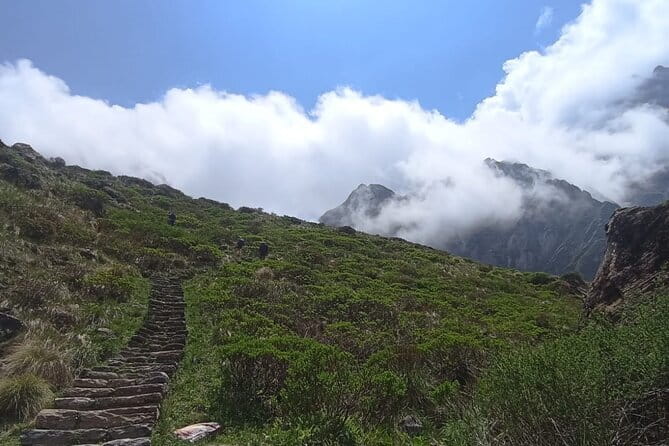
Review · ANNAPURNA BASE CAMP TREKS
Annapurna Base Camp Trek
Low altitude is not your friend here. This 12-day Annapurna Base Camp route earns its fame with mountain mornings and a real trek through villages, forests, and river valleys. You hike clockwise from Nayapul toward Tikhedhunga, Ghorepani, Tadapani, Chhomrung, Deurali, and finally Annapurna Base Camp, with a stop for Poon Hill.
I especially like two things about this experience: the way the itinerary is paced with overnight lodge stays that keep your day goals realistic, and the focus on local culture along the way, including Gurung-area hospitality and village scenery around places like Chhomrong and Bamboo. One possible drawback is the altitude grind and the footing: you’re heading to around 4,130m, and the classic sections can be slippery when conditions are wet.
In This Review
- Key highlights I think are worth your attention
- Annapurna Base Camp Trek: the real altitude and trail picture
- Getting started in Kathmandu: briefing, pickup, and a clean handoff
- Pokhara to Nayapul to Ulleri: your first trekking day is a gradient lesson
- Ghandruk to Chhomrong: village culture and suspension-bridge drama
- Bamboo to Deurali: bamboo dampness, glacial river views, and Hinku Cave
- Up to Annapurna Base Camp via Machhapuchhre Base Camp: your payoff day
- Base camp morning, then down to Bamboo: why retracing can be smart
- Jhinu Danda hot springs: the recovery reward built into the route
- Siwai to Pokhara, then Kathmandu culture: don’t waste your landing days
- Value and price: what $1,440 buys you (and what it doesn’t)
- Guides and human support: Aneel, Machhindra, and Radhika
- What to pack for Annapurna’s cold bamboo days and high-altitude nights
- Trek difficulty: who this suits best, and who should think twice
- Should you book this Annapurna Base Camp trek with Oriental Journeys?
- FAQ
- How long is the Annapurna Base Camp trek?
- Where does the trek start and what time does it begin?
- Is domestic flight included in the price?
- What meals are included during the trek?
- Is a porter included?
- Do you get hot showers during the trek?
- What is the highest altitude on this route?
Key highlights I think are worth your attention
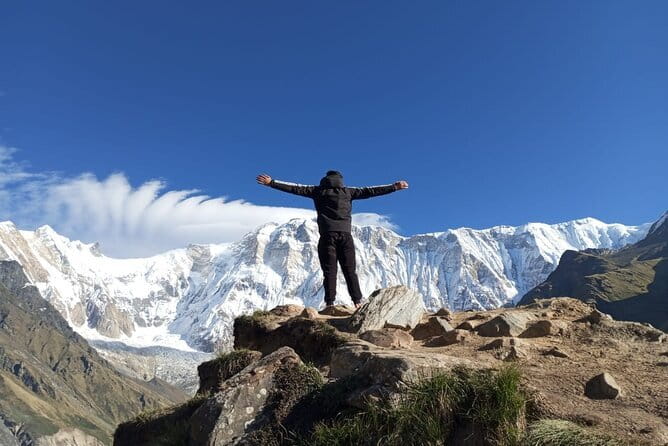
- Annapurna Sanctuary walking route: deep gorges, glacier-fed valleys, and constant scenery shifts
- Machhapuchhre viewpoints en route: you get mountain focus before you even reach base camp
- Poon Hill add-on: a classic early-morning viewpoint stop built into the route direction
- Teahouse rhythm: lodge nights like Chhomrong, Bamboo, Deurali, and then ABC
- Jhinu Danda hot springs day: a practical recovery break after the ups and downs
- A human guide experience: Oriental Journeys support, with guides like Aneel mentioned in past feedback
More trails out of Kathmandu, boots ready
- Everest Base Camp Trek – 14 Days★ 5.0 · 1,499 reviews
- Everest Base Camp Trek★ 5.0 · 842 reviews
- Everest Base Camp Trekking★ 5.0 · 485 reviews
- Nagarkot Sunrise View and Day Hiking from Kathmandu★ 5.0 · 471 reviews
Annapurna Base Camp Trek: the real altitude and trail picture
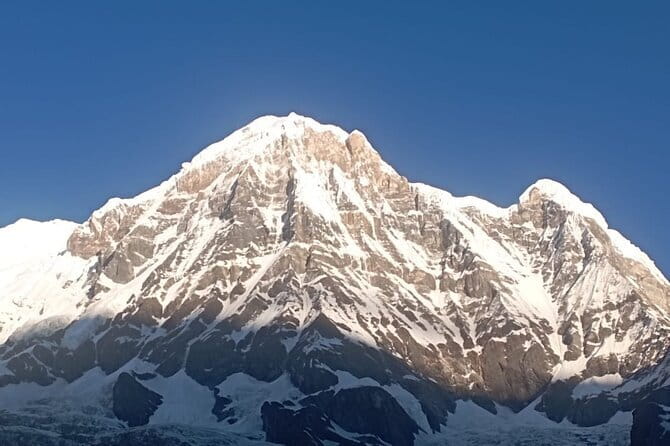
Annapurna Base Camp is sold as a once-in-a-lifetime trek. What matters for you is not the hype, it’s the daily mechanics: long stair sections, steep angles at times, and a gradual climb to thin air.
This route reaches Annapurna Base Camp at 4,130m / 13,545ft. That’s high enough that you should plan for slower hiking and take breathing seriously. Even if you’re fit, you can still feel altitude. The good news is the days are built around steady progress with nights in villages and lodges, not endless all-day slogs from one endpoint to another.
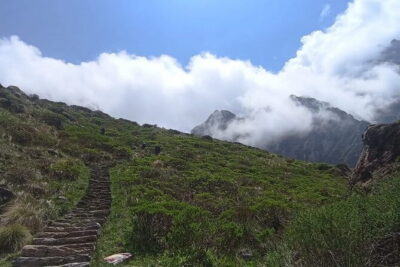
There’s also the trail surface issue. The route can be slippery, especially if weather turns damp. That means good footwear matters more than you think. A trekking boot you trust beats improvising.
Getting started in Kathmandu: briefing, pickup, and a clean handoff
Your trek begins in Kathmandu after you land at Tribhuvan International Airport (1,300m / 4,264ft). An Oriental Journeys representative meets you and you’re taken to a hotel in Thame for a briefing and guide introduction.
Why that first briefing matters: Annapurna isn’t just a hike, it’s logistics plus self-management. You’ll want to understand what pace looks like, what clothing you’ll need, how nights in lodges work, and what to do if you’re feeling the altitude.
Then you move into the transfer day rhythm: pickup covers your international arrival and departure, and your trek support stays coordinated. That reduces stress on day one, when it’s easiest to make dumb mistakes with timing, bags, and clothing.
Pokhara to Nayapul to Ulleri: your first trekking day is a gradient lesson
On day 2, you fly from Kathmandu to Pokhara (about 30 minutes). From Pokhara you have private vehicle arrangement to Nayapul, then a local vehicle ride to Ulleri for about an hour before you start walking.
This is your “wake up your legs” day. You’re going uphill on the trail until you reach Fat Ghandruk (1,940m / 6,360ft). Expect that first day to feel like stairs plus steady effort. It’s not the toughest terrain on the itinerary, but it sets the tone for the rest of the trip.
For context on value: the included transport choices here are doing something useful. You get the time savings of flying to Pokhara, and then you still get the local feel via Nayapul and the Ulleri staging. You’re not just being shuttled without experiencing Nepal’s trekking start.
Ghandruk to Chhomrong: village culture and suspension-bridge drama
Day 3 focuses on walking through communities and village life. The Gurung culture in this region shows up in daily interactions—smiling faces, friendly conversations, and the sense that the trek passes through inhabited landscapes, not just scenery.
You end the day at Chhomrong for the night. Chhomrong is one of those places where the trail feels connected to real homes and routines. It also positions you well for what comes next: the terrain starts cycling between descend and ascend.
Then day 4 gets your camera going. You descend out of Chhomrong via about 2,500 stone steps, cross the Chhomrong Khola on a swaying suspension bridge, and then start climbing near Sinuwa. You’ll pass through a forest and reach Kuldihar, then continue with an easier downhill walk to Bamboo.
Practical note: suspension bridges are part of the fun, but they’re also a gentle reminder that you’re in working terrain. Go slow, keep your balance, and don’t rush for photos.




Bamboo to Deurali: bamboo dampness, glacial river views, and Hinku Cave
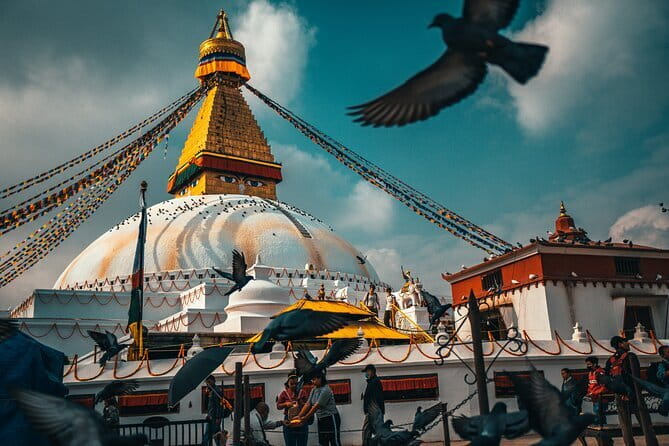
Day 5 starts in a bamboo forest that’s described as damp and cold. That matters. Bamboo corridors can feel chilly even when lower villages feel mild, and you’ll appreciate layers and gloves more here than you expect.
The day’s big draw is the glacial river scenery and the way the trek keeps changing what you look at. The trail passes closer to the river before climbing again toward Deurali. You’ll also have an option to visit Hinku Cave along the way.
You end in Deurali. This is a turning point: from here, you’re not just walking through the sanctuary, you’re building toward the high wall of altitude and viewpoints.
One more reality check: day 5 includes rock face cliffs and wispy waterfalls. That’s beautiful, but it also suggests moisture and slick sections can happen. Your day should be set up for careful steps, not speed.
Up to Annapurna Base Camp via Machhapuchhre Base Camp: your payoff day
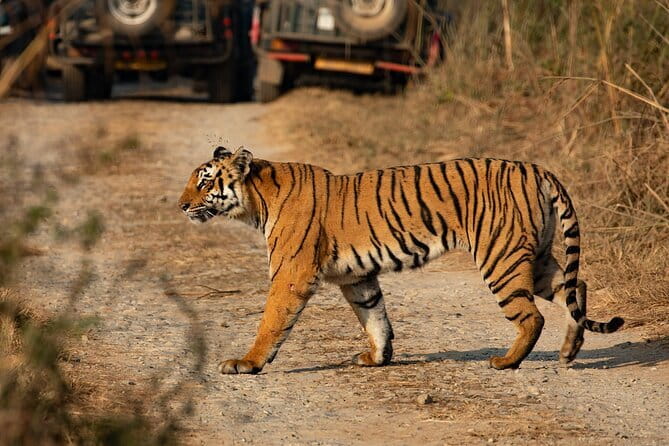
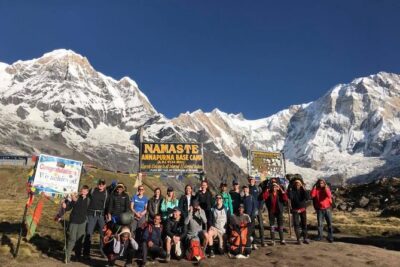
Day 6 is the showstopper: Deurali to Annapurna Base Camp via Machhapuchhre Base Camp. It’s listed as 5–6 hours, with a “gentle climb” feel at times, but also steep trail segments.
The description tells you what to expect physically: you climb gently through a river bed and then hike steep sections on the mountain side. Even when a hike is “only” 5–6 hours, altitude can make it feel longer. Keep your effort smooth.
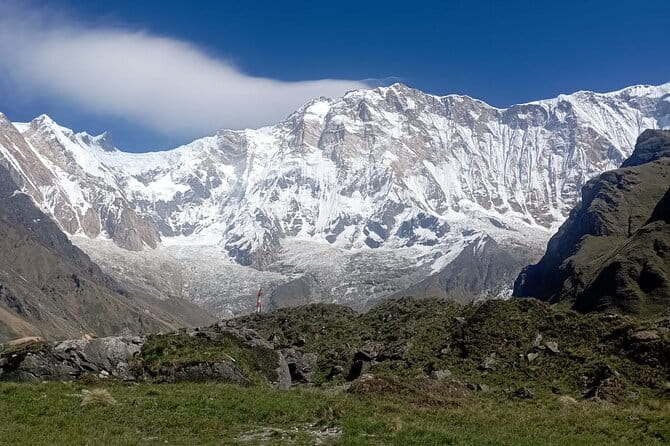
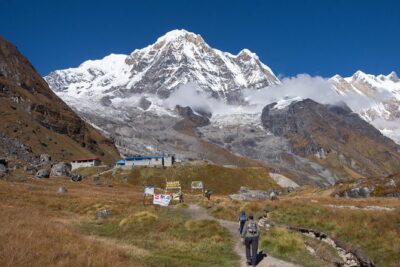
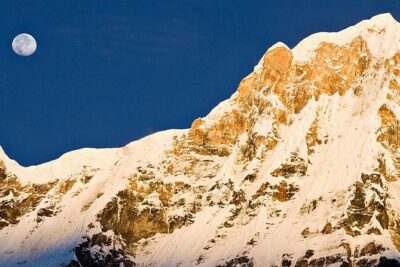
This is also the day for the mountain moment you came for. With Machhapuchhre Base Camp as your route feature, you’ll get views of Machhapuchhre and a set of peaks that’s basically a greatest-hits list: Hiunchuli, Annapurna South, Annapurna I, Annapurna III, Gandharvachuli, and Gangapurna.
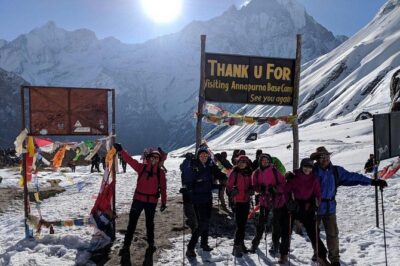
Then you sleep at Annapurna Base Camp.
Practical advice: once you get there, don’t burn all your energy chasing photos. Take a few minutes, breathe, hydrate, and let your body settle. The views aren’t going anywhere.
Base camp morning, then down to Bamboo: why retracing can be smart
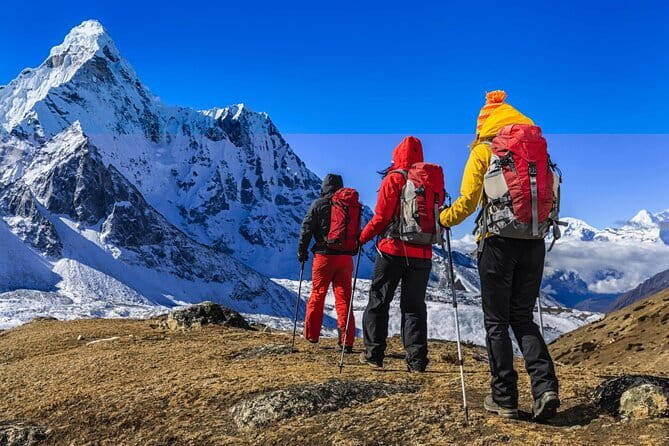
Day 7 is a classic move: morning photos after sunrise atmosphere, then retrace your route back to Bamboo. It’s described as an easier downhill walk.
This works for two reasons. First, it gives you time to enjoy ABC without rushing. Second, retracing helps with navigation and reduces decision fatigue when you’re already high.
If you’re thinking about altitude strategy, this “down then sleep” approach is doing something useful: you’re going back to a lower elevation so your body can recover before the next big day of ups and downs.
Jhinu Danda hot springs: the recovery reward built into the route
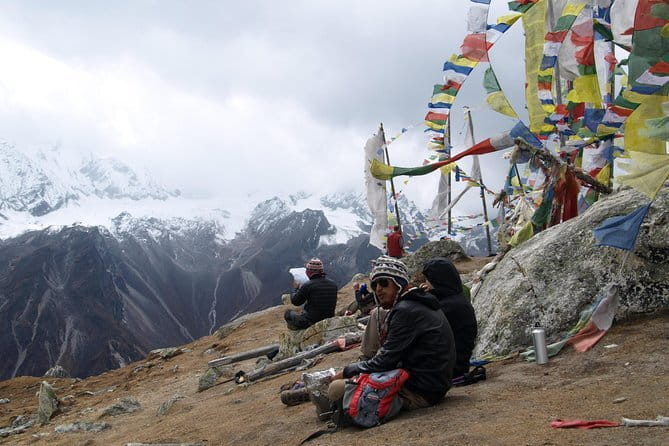
Day 8 is the mixed terrain day. You walk up and down all day: Bamboo to Kuldighar uphill, downhill to Chhomrong Khola, back up to Chhomrong, and then descend to Jhinu Danda.
That’s not a complaint. It’s actually a helpful training shape for Annapurna: rolling effort beats one long wall. Plus, the variety keeps your brain engaged when your legs get tired.
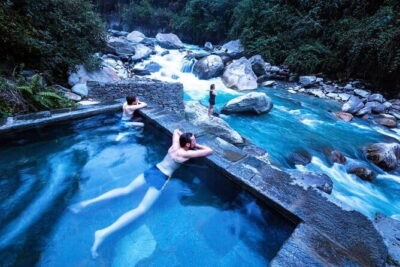
After checking in at your lodge, you can walk a few minutes to enjoy hot spring bath at Jhinu Danda. This is one of those logistics wins that makes the trek feel like a well-built human plan instead of a raw survival challenge.
Siwai to Pokhara, then Kathmandu culture: don’t waste your landing days
Day 9 takes you down to Siwai, then you catch a vehicle to Pokhara. Day 10 moves to Kathmandu.
Day 10 gives you a choice in pacing. If you fly, you can squeeze in Kathmandu sights the same day. If you drive, it’s 5–6 hours, which is a good reminder that Nepal distances add up quickly.
Day 11 is a full Kathmandu Valley tour with an English-speaking guide from Oriental Journeys, hitting UNESCO listed sites: Pashupatinath, Boudhanath, Swayambhu, and Kathmandu Durbar Square.
Why this matters at the end: you’re returning from high altitude. Culture days are low-impact compared to the trek, and they give your trip a fuller shape—temples and heritage instead of just mountain fatigue.
Value and price: what $1,440 buys you (and what it doesn’t)
At $1,440 per person for a ~12-day trek, you’re paying for guided support plus a meaningful bundle of mountain logistics.
Included highlights that affect your wallet:
- lodge-style accommodations during the trek
- 2 nights in Kathmandu on bed and breakfast
- an English-speaking guide
- Annapurna Conservation Area fees and the TIMS card
- guide salary and insurance, plus an agency first aid kit note
Included meal counts are partial, not every single meal:
- Breakfast: 7
- Lunch: 2
- Dinner: 4
That means you should expect to pay for some meals along the way. Also, tea/coffee with meals is listed under what’s not included, so budget for a few extra drink purchases at tea houses.
Not included items you should plan for:
- Domestic flights (the package covers international airport pickup/drop, but not domestic legs)
- trekking equipment and personal expenses
- Porter arrangement is listed under not included (standard approach is one porter for two people, up to 30kg each porter can carry)
- hot shower during the trek
- entrance fees for temples/monasteries
- tips and gratuities
- travel insurance and emergency rescue coverage (not included)
So is it good value? For most trekkers, the value comes from paying for the stuff that prevents mistakes: permits/fees handled, guide support, and a structured lodge-and-transport plan. The cost may feel higher than a DIY approach, but DIY usually costs you time, stress, and sometimes wrong-day decisions.
If you’re the kind of person who likes certainty—route order, stop planning, and a guide to keep you safe—this package tends to make sense.
Guides and human support: Aneel, Machhindra, and Radhika
Past traveler feedback highlights specific people at Oriental Journeys. One guide named Aneel is praised for keeping trekkers safe while delivering a great experience. The company’s Machhindra Achary (mentioned as director in feedback) also gets credit for making the trip feel like a dream come true, with Machhindra and Radhika responding to reviews and staying present after the trip.
That’s not a guarantee of your exact experience, but it is a useful signal: you’re not just paying for a credential. You’re hiring a team that’s used to handling real trekking anxieties like pace, altitude concerns, and getting you back down safely.
What to pack for Annapurna’s cold bamboo days and high-altitude nights
The operator’s dress guidance is solid. You’ll do best if your kit is warm, layered, and built for changing conditions.
Pack warm clothes such as:
- down jacket
- sleeping bag
- full sleeve tops, warm hat
- gloves, warm socks
- trekking boots and slippers
- thermal undergarments
- fleece jacket
- goretex jacket
- sun glasses and head light
- water bottle and a day bag
This is also where I think trekkers get sloppy: they bring one warm thing and hope for the best. Here, you can hit damp cold bamboo forest on day 5 and frigid air as you go higher. Layers let you adjust instead of suffering.
Trek difficulty: who this suits best, and who should think twice
This package is listed as moderate grade, but moderate still means long days and real altitude.
Not recommended based on the provided info:
- people with back problems
- people with heart complaints or other serious medical conditions
- pregnant women
- anyone needing wheelchair accessibility (the trail is not accessible for wheel chair users)
If you’re generally healthy, used to walking, and you can commit to slower pacing at altitude, you’ll likely find it manageable. The biggest performance limiter is rarely age or fitness rank. It’s altitude patience and careful foot placement on slipperier sections.
Also note: the trek operates in all weather conditions. You should plan to dress appropriately and accept that you’re trekking in Nepal, not in a brochure.
Should you book this Annapurna Base Camp trek with Oriental Journeys?
If you want a guided trek that handles permits and route structure, this is a strong fit. I like that you get lodge-based days, a route that includes Poon Hill, and a finish that doesn’t leave you stranded at the trail end—Pokhara and then Kathmandu culture make the trip feel complete.
Book it if:
- you want an English-speaking guide and a planned route from Nayapul through ABC
- you’re okay paying for some meals beyond the included counts
- you can pack warm layers and handle altitude up to around 4,130m
Consider a different option if:
- you’re worried about the cold bamboo-to-high climb reality
- you have medical limits listed in the trip’s guidance
- you’re expecting hot showers during trekking (they’re not included)
If you’re deciding based on risk control, a key advantage here is the structured pacing and the support team. This route can be done. Your job is to walk it smart.
FAQ
How long is the Annapurna Base Camp trek?
The trek is listed as 12 days (approx.).
Where does the trek start and what time does it begin?
The meeting/start time is listed as 7:00 am.
Is domestic flight included in the price?
Domestic flights are listed as not included. The itinerary includes a Kathmandu to Pokhara flight, so you should expect to pay for it separately.
What meals are included during the trek?
The package includes breakfast 7 times, lunch 2 times, and dinner 4 times. It also notes that not all meals are covered (including tea/coffee with meals).
Is a porter included?
A porter is listed under not included, with a standard approach mentioned as one porter for two guests, carrying up to 30kg maximum.
Do you get hot showers during the trek?
Hot shower is not included during the trek.
What is the highest altitude on this route?
Annapurna Base Camp is listed at 4,130m / 13,545ft.
More Trekking Out of Kathmandu






More Tour Reviews in Kathmandu




Just Reviewed in Kathmandu
- Mountain Bike Tour
★ 5.0 · 3 reviews - Annapurna Panaroma
★ 5.0 · 3 reviews - Mount Everest Scenic Flight 50 Minutes
★ 5.0 · 3 reviews - Kathmandu : Swambhunath & Durbar Square Guided Half Day Tour
★ 3.3 · 3 reviews - Chandragiri Cable Car & Monkey Temple Tour – Private/Group
★ 5.0 · 3 reviews - Kathmandu: Shivapuri National Park Hiking Day Trip
★ 3.3 · 3 reviews
Annapurna Base Camp Treks, compared.
 ★ 5.0Annapurna base camp trek 5 DaysFrom $699252 reviews
 ★ 5.014-Day Private Annapurna Base Camp TrekFrom $1,090180 reviews
 ★ 5.0Annapurna Base Camp TrekkingFrom $1,779116 reviews
 ★ 5.0Annapurna Base Camp TrekFrom $935111 reviews
★ 5.0Annapurna Base Camp TrekFrom $1,350107 reviews
 ★ 5.0Kathmandu to Annapurna Base Camp (ABC) 5-Day TrekFrom $99102 reviews
 ★ 5.0Annapurna Base Camp Trek- 11 DaysFrom $99990 reviews
 ★ 5.0Annapurna Base Camp Trek 12 DaysFrom $80085 reviews
Browse the lists this tour appears in