
Review · ANNAPURNA BASE CAMP TREKS
Annapurna Base Camp Trek
Your first Annapurna view hits hard.
This 12-day route strings together the Ghorepani and Poon Hill sunrise circuit with the walk into the Annapurna Sanctuary. You’ll go through villages, terraced farms, and rhododendron and oak forests, then climb up to Annapurna Base Camp at about 4,130 meters. Along the way, you also get Himalayan culture through daily interactions with locals, plus serious mountain scenery time without having to “guess” where the good viewpoints are.
What I like most is the way the trek “earns” its best moments. The early hike for Poon Hill gives you sunrise over the Annapurna and Dhaulagiri ranges, then you move on to the main event at ABC with big, direct views of peaks like Annapurna I and Annapurna South. The other big win is the human factor: in past trips with this operator, guide Dambar Thapa was praised for pacing support when altitude starts to feel real, plus organized logistics from start to finish.
One drawback to plan for: you’re climbing to 4,130 meters, so you need a moderate fitness level and a mindset for slow, steady walking. Expect early mornings too, especially around Poon Hill sunrise, and you should be ready for basic teahouse comforts (plus occasional extra fees for shower and charging).
In This Review
- Key highlights you’ll actually notice on the trail
- Kathmandu first: a gentle buffer before trekking
- Ulleri to Ghorepani: rhododendron walks and classic village pace
- Tadapani and Poon Hill: the sunrise day that sets expectations
- Sinuwa and Deurali: acclimatization by walking smart
- Annapurna Base Camp at 4,130m: what you’re really buying
- The return: Sinuwa again, then Jhinu Danda hot springs
- Price and logistics: is $940 worth it?
- Should you book this Annapurna Base Camp trek?
- FAQ
- What altitude does Annapurna Base Camp reach on this trek?
- Is Poon Hill included, and at what height?
- How long is the overall trip?
- Do you provide a sleeping bag and duffel bag?
- Are meals included during the trek?
- Are meals included in Kathmandu and Pokhara?
- Do I need a travel insurance policy?
- What permits are included?
- Is this a private tour or shared group trek?
- Can I cancel for a full refund?
Key highlights you’ll actually notice on the trail
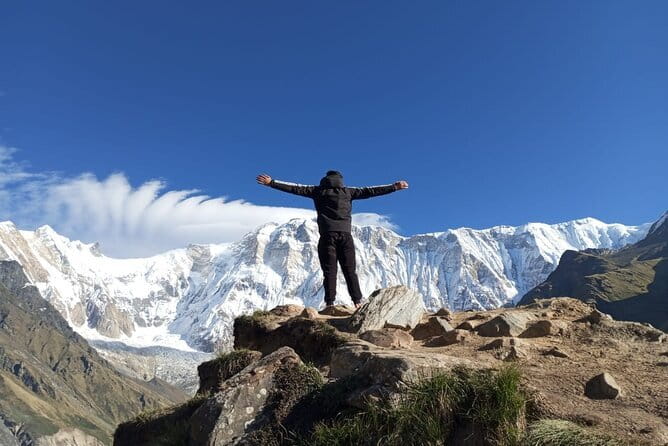
- Poon Hill at 3,210m for sunrise views over Annapurna and Dhaulagiri
- A day inside Annapurna Sanctuary with views around 4,130m at base camp
- Teahouse-style nights in mountain villages like Ghorepani, Sinuwa, and Deurali
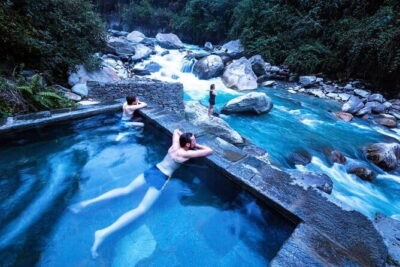
- Hot springs at Jhinu Danda on the return, great for tired legs
- Guide-led pacing support linked to Dambar Thapa’s track record with altitude management
More trails out of Kathmandu, boots ready
- Everest Base Camp Trek – 14 Days★ 5.0 · 1,499 reviews
- Everest Base Camp Trek★ 5.0 · 842 reviews
- Everest Base Camp Trekking★ 5.0 · 485 reviews
- Nagarkot Sunrise View and Day Hiking from Kathmandu★ 5.0 · 471 reviews
Kathmandu first: a gentle buffer before trekking
Your trip starts in Kathmandu, meeting in Thamel for pickup and an airport transfer. You’ll get a hotel night (two nights total in Kathmandu) and time to reset after flying, then a relaxed evening walk around Phewa Lake during your Pokhara segment before the trek really starts.
This matters because Annapurna is not a one-day effort. By giving you a couple of easier days up front, you arrive with your legs ready for the first serious uphill trek toward Ulleri and the Annapurna region. It also helps you adjust to Kathmandu/Pokhara pace and pick up small trek basics like water, snacks, and layering needs without feeling rushed.
Ulleri to Ghorepani: rhododendron walks and classic village pace
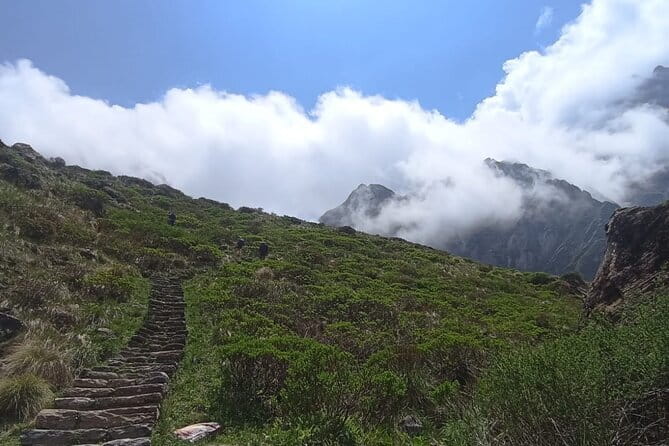
The trek kicks into motion with a drive to Birethanti, then uphill walking toward Ulleri. This segment is about getting into rhythm: terraced fields, village trails, and forest paths that feel more like “living route” trekking than a straight climb.
On day four you continue to Ghorepani, moving through rhododendron forests with frequent mountain glimpses. Ghorepani is also where the whole Poon Hill plan clicks, because you’re setting yourself up for that early sunrise push. If you like trails that stay varied instead of monotonous, this is a good stretch for it: forests, small farm scenes, and steady altitude gain.
Tadapani and Poon Hill: the sunrise day that sets expectations
Day five is the big payoff: a very early hike to Poon Hill (3,210m) for sunrise. The goal is simple—watch the sun light up snowy peaks from a high viewpoint, with Annapurna and Dhaulagiri in view. Then you go back down for breakfast in Ghorepani and keep trekking onward to Tadapani (about 2,630m) through oak and rhododendron forest.
This is one of those days where logistics matter. You’re waking early and moving when it’s still dark, so you’ll want layers you can manage quickly, and you’ll appreciate having a guide who keeps the group moving at a tolerable pace. Also, sunrise changes fast. If you tend to overshoot time because you’re taking photos, just remember the weather waits for nobody.
Sinuwa and Deurali: acclimatization by walking smart
From Sinuwa onward, the route shifts into higher, more serious trekking terrain. You’ll pass through dense forests at first, then the higher sections bring bamboo forest stretches, rocky ground, and river-valley views. Sinuwa is a quieter village stop where you can catch your breath before continuing.
Then comes Deurali, where the walking feels more “near the peaks.” The trail gets tougher as you climb, but this is also the part of the journey that helps your body adjust gradually. This is where good pacing earns its keep. In past trips with this operator, guide Dambar Thapa has been praised specifically for helping trekkers slow down when altitude started hitting, which is exactly what you want on routes that climb toward base camp.




Annapurna Base Camp at 4,130m: what you’re really buying
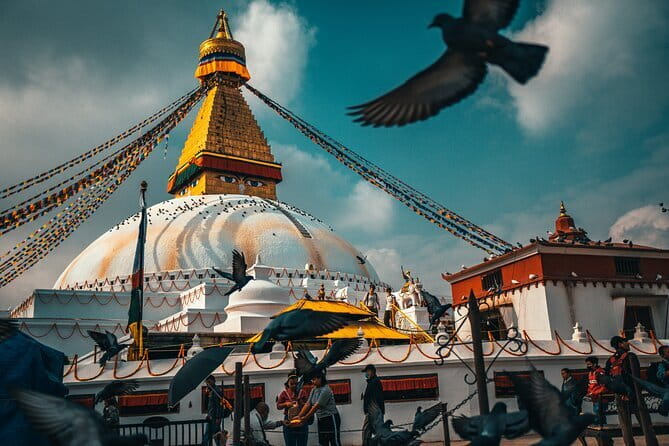
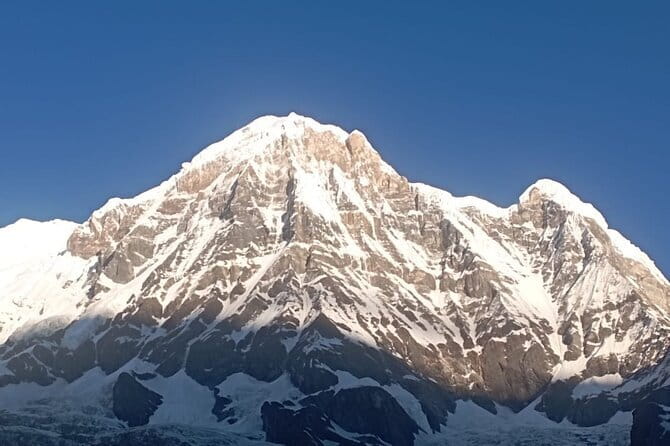
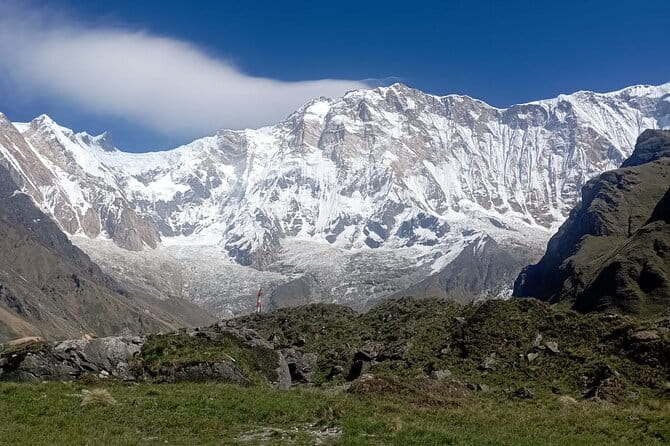
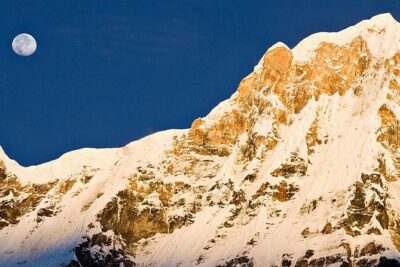
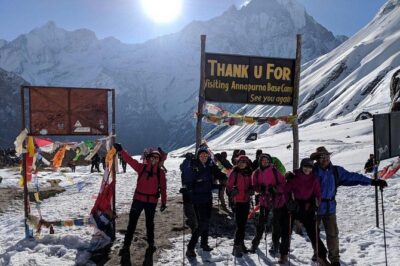
The highlight day is Deurali to Annapurna Base Camp (ABC). You reach base camp at about 4,130 meters, and the payoff is direct, wide views of the Annapurna massif—especially Annapurna I, Annapurna South, Hiunchuli, and Gangapurna.
What makes this day feel worth it is the combination of effort and payoff. You’re not just “standing at a point.” You’re arriving after multiple days of gradually increasing elevation, so base camp feels like a culmination rather than a random summit stop. Also, because the plan includes a return night in Sinuwa later, you’re not forced into a nonstop push that can make altitude stress worse.
Practical note: you’ll be tired. The ABC area is high enough that even simple tasks can feel slower. Bring a calm approach—take your photos, enjoy the views, then save energy for the descent.
The return: Sinuwa again, then Jhinu Danda hot springs
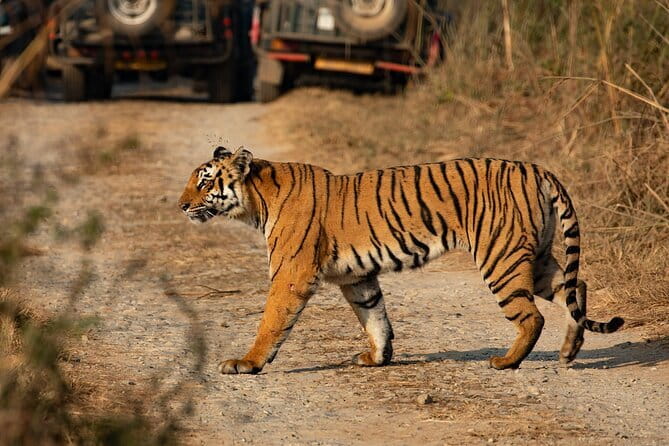
Day nine brings the descent back toward Sinuwa (around 2,340m) along the same general trail. On the way down you get a different read on the vegetation and terrain changes, including bamboo stretches and suspension bridge crossings over rushing rivers. Teahouses in Sinuwa help you recover without needing to camp or carry more than essentials.
Then you head to Jhinu Danda (about 1,780m), famous for natural hot springs. This is the perfect kind of “reward stop” after high-altitude trekking: warm water for sore legs, forest walking to get there, and mountain views while you unwind.
After that, it’s back to Kathmandu by drive (about 7 hours on day 11), then a final day to continue onward from Kathmandu. It’s a clean wrap-up that turns the trip from a climb into a proper circuit with a recovery moment.
Price and logistics: is $940 worth it?
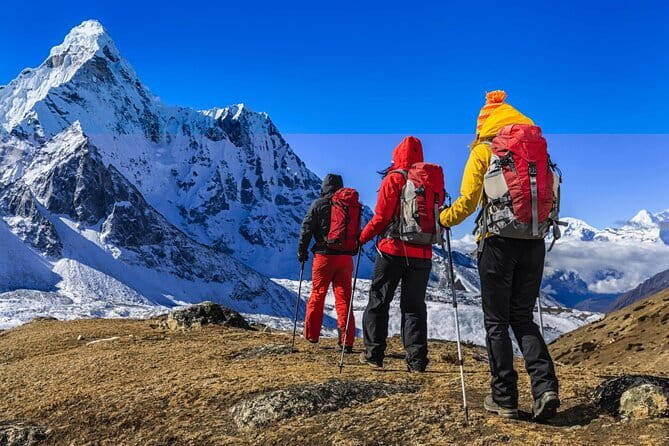
At $940 per person, you’re paying for more than a trail map. What’s included is a lot of the stuff that normally adds hidden costs: a government-authorized guide and porters, the Annapurna Conservation Area Permit, mountain guesthouse accommodation, and hygienic meals (breakfast, lunch, dinner) during the trek. You also get sleeping bags and a duffel bag rental (and you return the bag after), plus Kathmandu and Pokhara hotel nights.
You’re not paying for international flights, meals in Kathmandu and Pokhara beyond breakfast, extra snacks/drinks, and tips. Also expect the small recurring trek reality: shower and charging fees of about $5 in some guesthouses. And travel insurance is mandatory, so if you don’t have one yet, budget for that too.
Overall, this price tends to make sense if you want guided pacing, permit coverage, and meal handling so you can focus on walking and enjoying the scenery instead of constantly managing logistics.
Should you book this Annapurna Base Camp trek?
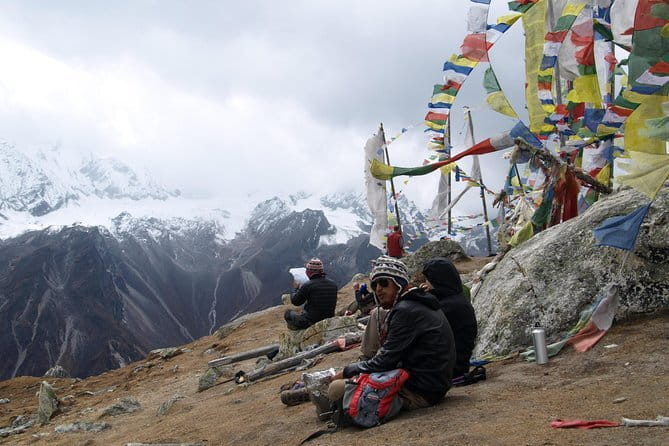
If you want classic Annapurna views plus the Poon Hill sunrise highlight, and you prefer a plan that handles the permits, permits, and day-to-day logistics, this is a strong fit. It also suits solo trekkers who want support: a past solo trip with guide Dambar Thapa highlighted feeling safe and getting altitude pacing help.
I’d think twice if you hate early starts or you’re not comfortable with high-altitude trekking up to 4,130 meters. The treks are doable with moderate fitness, but you still need patience and a steady rhythm more than speed.
If that sounds like you, then booking is a good move. This itinerary gives you a real “arc” from Kathmandu ease into rhododendron trails, then the main base camp milestone, then a practical recovery stop with hot springs.
FAQ
What altitude does Annapurna Base Camp reach on this trek?
The itinerary lists Annapurna Base Camp at about 4,130 meters (13,550 feet).
Is Poon Hill included, and at what height?
Yes. Poon Hill is included as a sunrise stop at about 3,210 meters.
How long is the overall trip?
It’s listed as 12 days (approx.) from Kathmandu start to finishing back at the meeting point in Kathmandu.
Do you provide a sleeping bag and duffel bag?
Yes. Sleeping bags and duffel bags are provided, and the duffel bag must be returned after the trek.
Are meals included during the trek?
Yes. The trek includes hygienic meals: breakfast, lunch, and dinner during the trekking days.
Are meals included in Kathmandu and Pokhara?
Meals in Kathmandu and Pokhara are not included except for breakfast.
Do I need a travel insurance policy?
Yes. Travel insurance is listed as mandatory.
What permits are included?
The Annapurna Conservation Area Permit is included.
Is this a private tour or shared group trek?
This is listed as a private tour/activity, with only your group participating.
Can I cancel for a full refund?
Yes. Free cancellation is available if you cancel at least 24 hours before the experience’s start time, with a full refund.
More Trekking Out of Kathmandu






More Tour Reviews in Kathmandu




Just Reviewed in Kathmandu
- Mountain Bike Tour
★ 5.0 · 3 reviews - Annapurna Panaroma
★ 5.0 · 3 reviews - Mount Everest Scenic Flight 50 Minutes
★ 5.0 · 3 reviews - Kathmandu : Swambhunath & Durbar Square Guided Half Day Tour
★ 3.3 · 3 reviews - Chandragiri Cable Car & Monkey Temple Tour – Private/Group
★ 5.0 · 3 reviews - Kathmandu: Shivapuri National Park Hiking Day Trip
★ 3.3 · 3 reviews
Annapurna Base Camp Treks, compared.
 ★ 5.0Annapurna base camp trek 5 DaysFrom $699252 reviews
 ★ 5.014-Day Private Annapurna Base Camp TrekFrom $1,090180 reviews
 ★ 5.0Annapurna Base Camp TrekkingFrom $1,779116 reviews
 ★ 5.0Annapurna Base Camp TrekFrom $935111 reviews
★ 5.0Annapurna Base Camp TrekFrom $1,350107 reviews
 ★ 5.0Kathmandu to Annapurna Base Camp (ABC) 5-Day TrekFrom $99102 reviews
 ★ 5.0Annapurna Base Camp Trek- 11 DaysFrom $99990 reviews
 ★ 5.0Annapurna Base Camp Trek 12 DaysFrom $80085 reviews
Browse the lists this tour appears in