
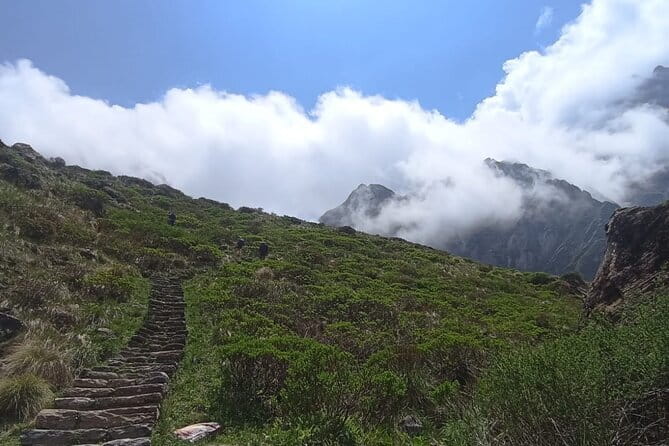
Review · ANNAPURNA BASE CAMP TREKS
Annapurna Base Camp Trek
Annapurna Base Camp is the kind of trip that changes your altitude—literally. This trek mixes big mountain payoff with real comfort choices: 3-star hotels in Kathmandu and Pokhara, plus full-board meals and an experienced English-speaking trekking guide. It also follows a classic Annapurna feel, passing through rhododendron forest, Gurung villages, and monastery stops on the way to the base camp.
I especially like how the planning reduces stress before you even start walking—airport transfers, Kathmandu–Pokhara–Kathmandu drives, permits, and teahouse lodging are handled. The second win is the support system: porter help (1 porter for 2 trekkers) and a first aid kit, so you’re not carrying everything while still getting that authentic teahouse rhythm. The main consideration is altitude and cold—this includes high points like Annapurna Base Camp at 4,130m, and it doesn’t include hot showers during the trek.
In This Review
- Key highlights worth getting excited about
- Kathmandu to Pokhara: Getting Your Bearings Before the Mountains
- The Trek Starts Proper: From Nayapul to Ghandruk’s Village Life
- Sinuwa (2,340m): Forest Walking and the Slow Build
- Deurali (3,200m): When Cold Starts to Matter
- Annapurna Base Camp (4,130m): The Payoff Day
- Base Camp Morning, Bamboo Evening: Descent That Still Takes Effort
- Jhinu Danda (1,780m): Brighter Air and a Softer Landing
- Day 9: Short Walking, Then a Drive Back to Pokhara
- Back to Kathmandu: Final Days to Recover and Reflect
- What You’re Really Paying For (Value Check at $240)
- Trek Comfort Reality: Teahouses, Meals, and Warmth
- Who This Trek Fits Best (And Who Might Want Another Option)
- Should You Book This Annapurna Base Camp Trek?
- FAQ
- What is the highest altitude on this trek?
- What’s included in the price?
- Are hot showers included during the trek?
- What costs are not included?
- How long is the trek, day by day?
- Does the tour include Kathmandu to Pokhara transfers?
- Can I cancel for a full refund?
Key highlights worth getting excited about
- ACAP + TIMS permits included for smoother trekking paperwork
- Licensed English-speaking guide to help you pace and make day-to-day calls
- Porter support (1 porter for 2 trekkers) to lighten the load
- Full-board meals during the trek with tea/coffee, so you’re not hunting down food daily
- Teahouse twin-sharing lodging that keeps the trip practical (and still comfortable)
More trails out of Kathmandu, boots ready
- Everest Base Camp Trek – 14 Days★ 5.0 · 1,499 reviews
- Everest Base Camp Trek★ 5.0 · 842 reviews
- Everest Base Camp Trekking★ 5.0 · 485 reviews
- Nagarkot Sunrise View and Day Hiking from Kathmandu★ 5.0 · 471 reviews
Kathmandu to Pokhara: Getting Your Bearings Before the Mountains
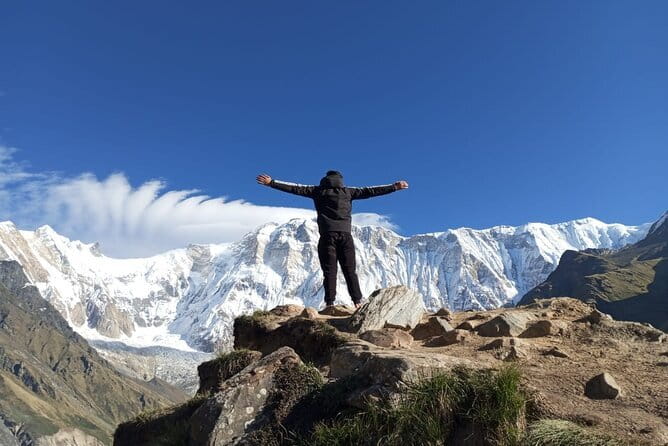
Day 1 is all about arriving and getting comfortable without rushing. You land at Tribhuvan International Airport, then you’re met by a representative and transferred to your Kathmandu hotel. It’s a good setup for this kind of trek because Kathmandu can be busy and chaotic, and you don’t want to start your mountain days frazzled.
Day 2 sends you to Pokhara by road. It’s a long but scenic drive (about 200 km, roughly 7–8 hours). Pokhara is lower altitude (about 822m), and it helps your body settle before the trail begins. You’ll also have a real night in town, not a frantic “walk immediately” style start.
What I like here is that the logistics are handled in one chunk. You don’t need to figure out local transport on your own, and you can spend the evening doing the useful prep: checking trekking clothes, setting up your daypack, and confirming what you’ll carry vs. what stays with the provided duffel.
The Trek Starts Proper: From Nayapul to Ghandruk’s Village Life
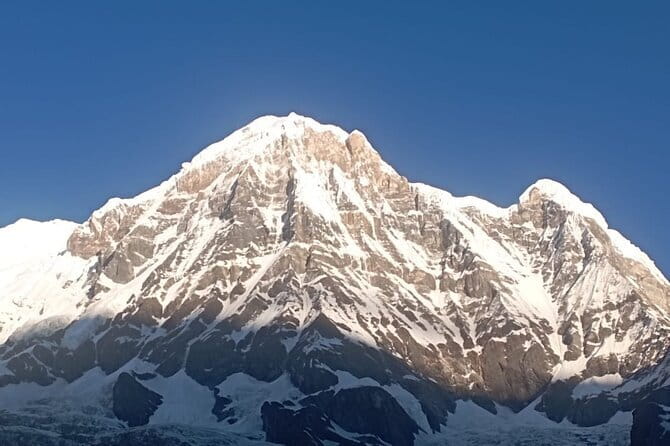
On Day 3 you shift from drive to hiking. You travel about 41 km (around 25 miles) to Nayapul, then start trekking about 5 km (3.1 miles) toward Ghandruk. Walking time is listed as roughly 3–4 hours, and you’ll reach about 1,940m.
Ghandruk is the kind of place that makes the whole Annapurna idea feel real. Instead of only thinking about the final base camp photo, you get village textures—community life, local trails, and that sense that the mountain route is lived in. This is where the trek starts feeling more like travel than exercise.
A practical note: Day 3 is shorter than later days, but you’re still climbing. If you’re prone to going too fast early (most people are), this is a good day to practice slow steps. Your knees will have opinions later.
Sinuwa (2,340m): Forest Walking and the Slow Build
Day 4 is a longer walking day: about 12 km (7.5 miles) over 6–7 hours, reaching Sinuwa at roughly 2,340m. This stretch is a classic Annapurna rhythm—descend, then gain elevation again, over changing terrain.
The big value on a day like this isn’t just distance. It’s building consistency. By now you learn how your body reacts to your own pace, where you need breaks, and what kind of steady effort works best for altitude. If you tend to overheat, you’ll likely learn quickly how to manage layers.
This day also lines up with the route’s forest reputation. The overall trek is described as moving through rhododendron forests and traditional village areas, so you get variety—not only stairs, not only views.
Deurali (3,200m): When Cold Starts to Matter
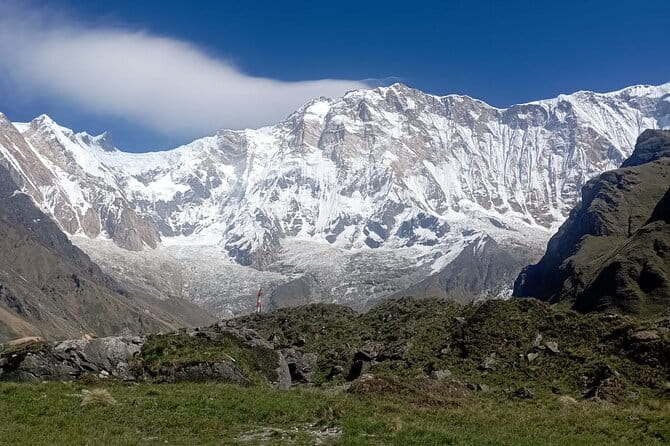
Day 5 takes you to Deurali (about 3,200m) with a trek of around 10 km (6.2 miles), listed for about 6–7 hours. The highlight here is that you’ll feel the altitude more clearly. Even if you don’t go “out of breath,” cold and tired legs usually show up first.
From a comfort standpoint, this is where the included sleeping and lodging help you stay functional. You’ll be in twin-sharing teahouses during the trek (with an effort toward the best available options), and you’ll have meals handled. That matters when you’re tired, because you don’t want to spend energy negotiating for food or worrying about what’s open.
One more thing: hot showers are not included during the trek, so you’ll want to plan for the reality of mountain hygiene. You might find that wipes and quick sponge-style washing make a big difference.




Annapurna Base Camp (4,130m): The Payoff Day
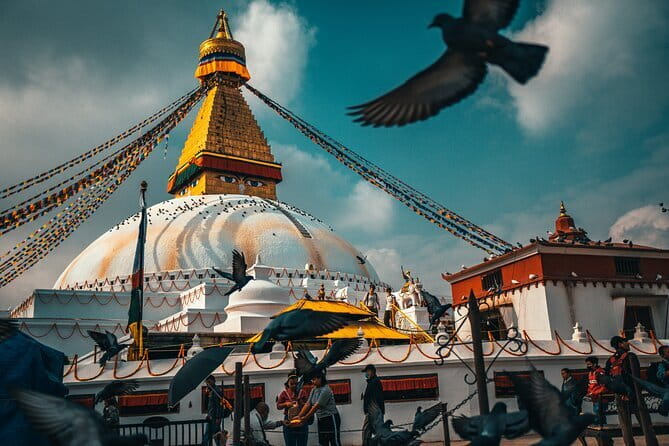
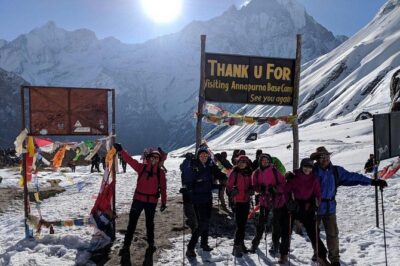
Day 6 is the marquee. It’s about a 9 km trek (5.6 miles) over 6–7 hours to Annapurna Base Camp at 4,130m. This is a long enough day that it still feels like work—but it’s the day most people remember.
What makes this day special is how dramatic the change is from everything you’ve been doing. Up to this point, you’re hiking through forests and villages; now the mountain’s presence becomes the main character. The overall description also flags strong panoramic views of Annapurna and Machhapuchhre, and this is where that anticipation turns into actual scenery.
Comfort-wise, the package aims to keep you fed and guided. You’ll have breakfast, lunch, and dinner included during the trek (with tea/coffee). That’s a real value at high altitude, because appetite and energy management can make or break your day.
A consideration: base camp altitude is no joke. Even when you feel okay, you might find sleeping harder and walking slower. The best strategy is usually to keep your effort steady and let the guide set a safe rhythm.
Base Camp Morning, Bamboo Evening: Descent That Still Takes Effort
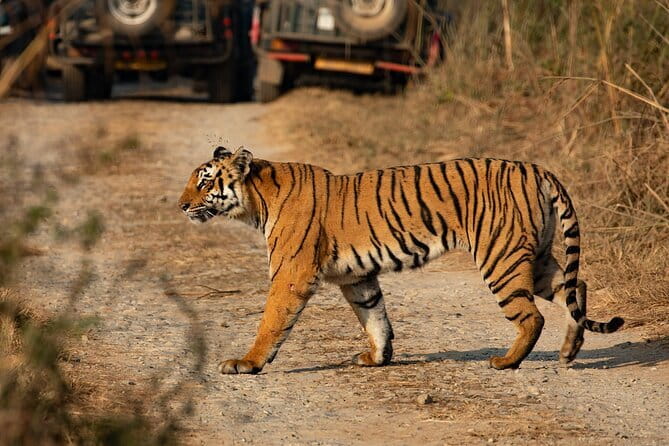
Day 7 includes another significant trekking segment: about 13 km (8 miles) over 6–7 hours as you descend from base camp to Bamboo (around 2,310m). Descent days can trick you. You think you’re “getting a break,” then your quads remind you that downhill is still serious.
This day also tends to be emotionally loaded in a good way. You’ll start with time at Annapurna Base Camp in the morning before the descent begins. That timing matters because it gives you a chance to soak in the moment before your body starts working against gravity.
Again, food is covered: breakfast, lunch, and dinner during the trek. That’s helpful because after a long descent, you don’t want to spend time figuring out meal timing or searching for warm options.
Jhinu Danda (1,780m): Brighter Air and a Softer Landing
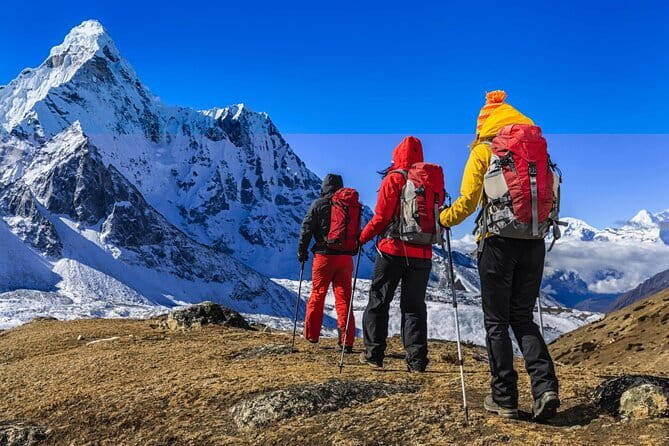
Day 8 takes you from Bamboo to Jhinu Danda over about 11 km (6.8 miles) and roughly 5–6 hours, reaching about 1,780m. This is a nice shift after high-altitude exertion. The lower altitude often makes the day feel easier, and the trail stays in a more forgiving zone.
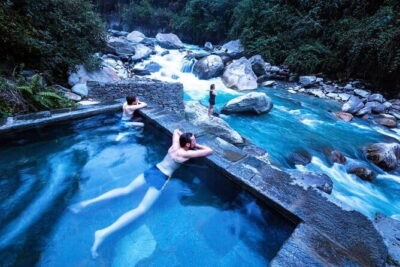
This is also where the trek’s “mountain-to-life” transition shows up. Jhinu Danda is known for being a relaxing stop, and you’ll likely feel that your body is finally getting a chance to recover.
One drawback to keep in mind: the trek may feel easier, but the days still add up. Don’t treat Day 8 like a vacation stroll. Pace still matters for the following day’s travel back toward Pokhara.
Day 9: Short Walking, Then a Drive Back to Pokhara
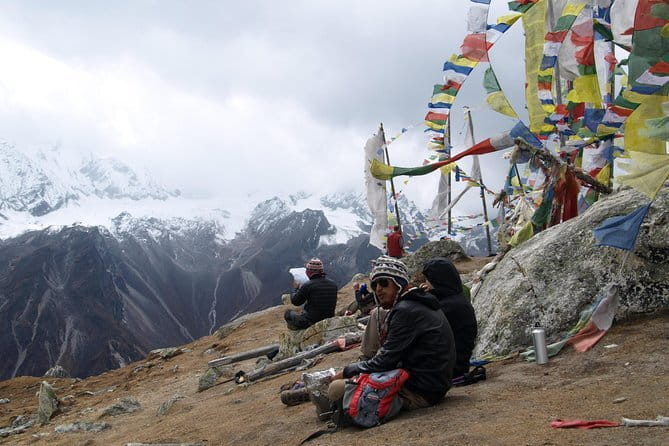
Day 9 is intentionally lighter. You walk about 6 km (3.7 miles), then drive roughly 2–3 hours to Pokhara. Meals included are breakfast and lunch, and you’ll be back down at about 822m.
This is a smart design because it gives your body a chance to adjust after the long mountain stretch. It also gives you breathing room for the mental side of trekking. After days of trail focus, you get to be a regular traveler again: show up, eat, relax, and plan the final return.
It’s also helpful that the Kathmandu–Pokhara route is already familiar from the start. You’re not learning new logistics late in the trip, which reduces stress when you’re tired.
Back to Kathmandu: Final Days to Recover and Reflect
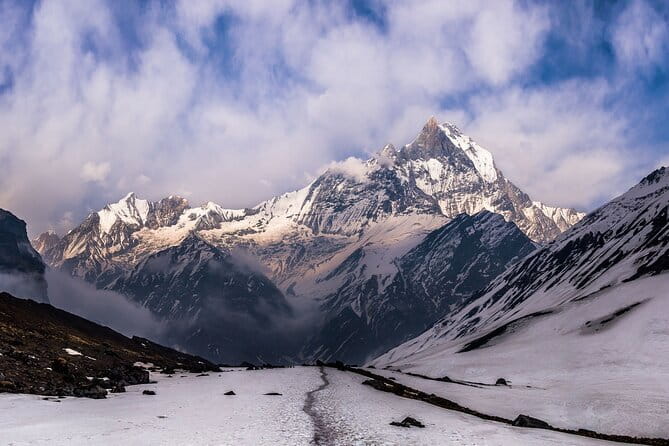
Day 10 is another big road day: about 200 km (124 miles) taking roughly 7–8 hours back to Kathmandu. You’ll have breakfast and dinner included. By now you should feel the difference between trekking fatigue and travel fatigue. Trekking fatigue is muscle depth; travel fatigue is mostly rest and sleep needs.
Day 11 is your buffer day. There’s a short 30–45 minute transfer time noted, and it includes breakfast. Depending on your flight schedule, this final day is meant for relaxation and timing your departure.
This matters because you’re not cramming a long trek, a long drive, and then a travel day back-to-back without any slack. That slack is part of the value you’re paying for, even when the price looks low on paper.
What You’re Really Paying For (Value Check at $240)
At $240 per person, the value here comes from what’s included rather than what sounds fancy in marketing.
You’re getting:
- Permits: Annapurna Conservation Area Permit (ACAP) and TIMS card
- A government-licensed English-speaking guide
- Porter service (1 porter for 2 trekkers)
- 3-star hotels in Kathmandu and Pokhara with breakfast
- Teahouse twin-sharing during the trek
- Full board on trek days: breakfast, lunch, dinner plus tea/coffee
- A first aid medical kit, and even a provided sleeping bag and duffel bag (returned after the trek)
What’s not included matters too:
- International airfare, Nepal visa fees
- Travel and rescue insurance
- Alcoholic drinks, bottled water, and beverages
- Hot showers during the trek
- Tips for guides/porters/drivers
If you’re the kind of traveler who wants to show up, walk, eat, sleep, and not do paperwork, this package makes a lot of sense. The main cost you’ll still manage on your own is “in the moment” spending (drinks and snacks) plus your pre-trip travel items (visa/airfare/insurance).
One practical caution: “3-star” and “teahouse comfort” mean different things at altitude. Your lodging will be taken care of, but you should still expect basic mountain conditions and plan for cold nights.
Trek Comfort Reality: Teahouses, Meals, and Warmth
The trip leans into practical comfort. Teahouses give you familiar choices—meals, beds, warmth from the dining area—but they’re still simple mountain lodges. That’s why included meals are such a big deal. When you finish a 6–7 hour day, you want food ready, not a scavenger hunt.
The included duffel bag and sleeping bag help you pack smart. If you’re traveling from abroad, not having to buy or ship bulky cold-weather gear can be a huge savings. Still, remember the sleeping bag is “return after trek completion,” so treat it like part of your gear plan, not a souvenir.
Also, hot showers aren’t included during the trek. If you’re expecting a spa reset, adjust your expectations now. You’ll feel cleaner with quick hygiene habits, and you’ll protect your comfort without losing time.
Who This Trek Fits Best (And Who Might Want Another Option)
This trek is listed for travelers with moderate physical fitness. That usually means you can handle long walking days and elevation, but you’re not looking for technical climbing.
This tour fits especially well if:
- You want structure and support (guide, porter, permits handled)
- You like the Annapurna “village and forest” feel rather than a bare-bones camping-only trip
- You’re traveling with limited time to research logistics in Nepal
It might be less ideal if:
- You want lots of downtime between long walking hours (most days are 5–7 hours of trekking)
- You need hot showers during every night stop
- You’re sensitive to altitude and don’t plan for slow pacing
Should You Book This Annapurna Base Camp Trek?
I’d book it if you want a well-managed Annapurna Base Camp trip where the moving parts are handled: transport, permits, guide, porter support, and meals. The itinerary design also makes sense—get to Pokhara, start with easier walking, climb in steps, hit base camp at 4,130m, then descend with a structured end.
If you’re budget-focused but still want real comfort, the $240 price is hard to ignore because a lot of the must-haves are included. Just go in with two honest expectations: altitude is part of the challenge, and mountain hygiene is not a luxury feature.
If your main goal is high-altitude sightseeing with less hassle, this is a solid choice.
FAQ
What is the highest altitude on this trek?
The highest point listed is Annapurna Base Camp at 4,130m (13,550ft).
What’s included in the price?
Included are airport transfers in Kathmandu, tourist-bus drives between Kathmandu and Pokhara (and back), ACAP and TIMS permits, 3-star hotels in Kathmandu and Pokhara with breakfast, teahouse twin-sharing during the trek, full-board meals during the trek (breakfast/lunch/dinner) with tea/coffee, an English-speaking government-licensed guide, a porter service (1 porter for 2 trekkers), a first aid medical kit, and provided duffel bag and sleeping bag.
Are hot showers included during the trek?
No. Hot shower access during the trek is listed as not included.
What costs are not included?
Not included are international airfare, Nepal visa fees, travel and rescue insurance, tips for trekking staff and drivers, and personal expenses. Alcoholic drinks, bottled water, and beverages are also not included.
How long is the trek, day by day?
Walking days are typically around 5–7 hours, with listed trek distances ranging from about 5 km up to about 13 km. Driving days (Kathmandu to Pokhara and back) are listed as about 7–8 hours each.
Does the tour include Kathmandu to Pokhara transfers?
Yes. You’ll travel by tourist bus from Kathmandu to Pokhara and back (about 200 km, 7–8 hours each way).
Can I cancel for a full refund?
Yes, you can cancel for a full refund if you cancel at least 24 hours before the experience’s start time. The policy also notes weather and minimum-traveler situations where the booking may be rescheduled or fully refunded.
More Trekking Out of Kathmandu






More Tour Reviews in Kathmandu




Just Reviewed in Kathmandu
- Mountain Bike Tour
★ 5.0 · 3 reviews - Annapurna Panaroma
★ 5.0 · 3 reviews - Mount Everest Scenic Flight 50 Minutes
★ 5.0 · 3 reviews - Kathmandu : Swambhunath & Durbar Square Guided Half Day Tour
★ 3.3 · 3 reviews - Chandragiri Cable Car & Monkey Temple Tour – Private/Group
★ 5.0 · 3 reviews - Kathmandu: Shivapuri National Park Hiking Day Trip
★ 3.3 · 3 reviews
Annapurna Base Camp Treks, compared.
 ★ 5.0Annapurna base camp trek 5 DaysFrom $699252 reviews
 ★ 5.014-Day Private Annapurna Base Camp TrekFrom $1,090180 reviews
 ★ 5.0Annapurna Base Camp TrekkingFrom $1,779116 reviews
 ★ 5.0Annapurna Base Camp TrekFrom $935111 reviews
★ 5.0Annapurna Base Camp TrekFrom $1,350107 reviews
 ★ 5.0Kathmandu to Annapurna Base Camp (ABC) 5-Day TrekFrom $99102 reviews
 ★ 5.0Annapurna Base Camp Trek- 11 DaysFrom $99990 reviews
 ★ 5.0Annapurna Base Camp Trek 12 DaysFrom $80085 reviews
Browse the lists this tour appears in