
Review · ANNAPURNA BASE CAMP TREKS
Annapurna Base Camp Trek
Annapurna Base Camp rewards early mornings. This 7-day trek from Nayapul into the Annapurna sanctuary keeps you moving through terraced fields, rhododendron forests, and Gurung villages, then delivers real payoff at base camp with big mountain views and a strong sense of achievement; I also like that key essentials—a licensed mountain guide, permits, and three meals a day—are handled for you. The main drawback is the effort: some trekking days are listed as very long, around 13 to 15 hours, so you’ll want solid stamina.
What makes this experience especially workable is the human layer. Guides like Suraj, Anos, and Laku show up again and again in guest feedback for being attentive, planning meals and lodging with care, and keeping the pace friendly without turning the trek into chaos. One traveler even described the team adjusting the route when they asked for something different, which matters when you’re trying to make a trek fit your holiday and comfort level.
One more thing to plan around is conditions. This route is labeled as a moderate trekking region and it runs with a “good weather required” approach, meaning you shouldn’t treat it like a guaranteed mountain-fix no matter what the skies do. If weather shifts, you may be offered a different date or a full refund, but it still helps to build flexibility into your Nepal schedule.
In This Review
- Key highlights you’ll feel on the trail
- Why Annapurna Base Camp feels like more than a checklist of peaks
- Price and value: what $699.67 covers (and what it doesn’t)
- Getting there: Pokhara approach, pickup, and the 4:45 am start
- The trail rhythm: from Nayapul through Ghandruk, Chhomrong, and base camp
- Day 1: Nayapul to Ghandruk, with village views to start
- Day 2: Ghandruk toward Chhomrong via ridges and farm villages
- Day 3: Chhomrong into deep forest and the Modi River gorge feel
- Day 4: Into the Annapurna sanctuary zone near Himalaya Hotel and Hinko cave
- Day 5: Base camp time, then descent toward bamboo again
- Day 6: Chhomrong detour to Jhinu Danda hot spring
- Day 7: A shorter trek back and the Pokhara Museum stop
- How the guide support changes the whole experience
- Meals, lodging, and the costs you should plan for upfront
- Pace, weather, and common-sense safety planning
- Who should book this Annapurna Base Camp trek, and who should pause
- Should you book? My honest decision guide
- FAQ
- What time does the trek start?
- How long is the Annapurna Base Camp trek?
- What’s included in the price?
- What permits do I need, and are they included?
- What costs are not included?
- What happens if the trek can’t run due to weather?
Key highlights you’ll feel on the trail
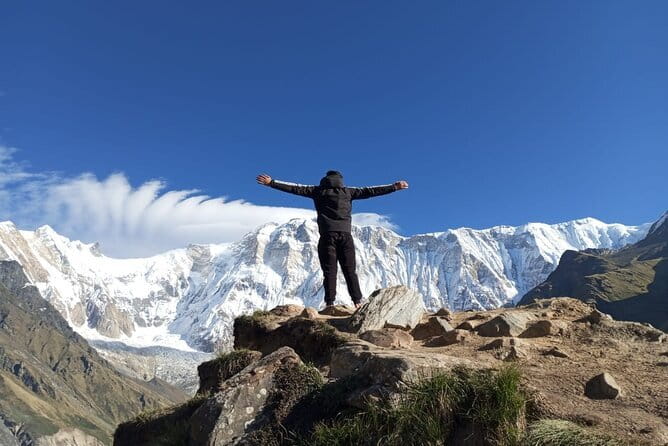
- Base camp time with major peak views after a multi-day hike through varied terrain
- Licensed guide plus ACAP and TIMS permits included, so you’re not scrambling for paperwork
- Meals and seasonal fruits included, with 7 nights of trekking accommodation
- Long but manageable daily structure, with monastery-village rhythm and forest hiking segments
- Real guide support you can request in advance, including named guide/porter preferences during hiking season
- Jhinu Danda hot spring stop, a welcome reset on the way back
More trails out of Kathmandu, boots ready
- Everest Base Camp Trek – 14 Days★ 5.0 · 1,499 reviews
- Everest Base Camp Trek★ 5.0 · 842 reviews
- Everest Base Camp Trekking★ 5.0 · 485 reviews
- Nagarkot Sunrise View and Day Hiking from Kathmandu★ 5.0 · 471 reviews
Why Annapurna Base Camp feels like more than a checklist of peaks
This trek is built around gradual change. You start in village country with fields and steep-sided valleys, then you climb into forest and hillside hamlets, and the air tends to feel different as you go higher. The route is designed to keep you seeing new angles of the Annapurna region along the way, not just a one-time postcard moment.
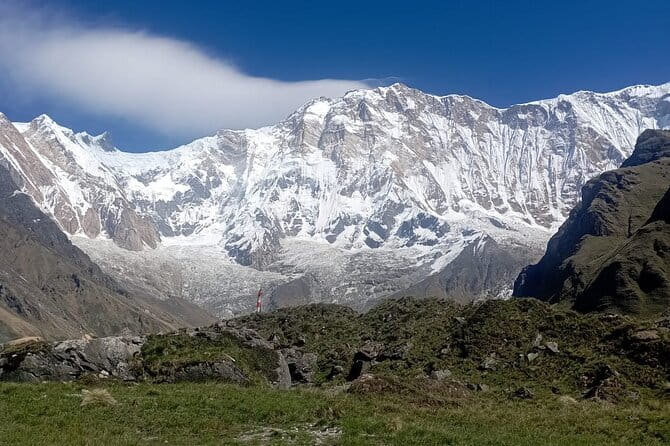
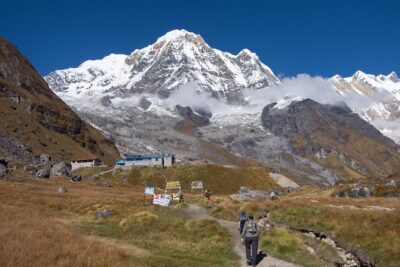
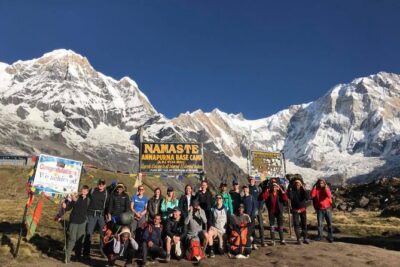
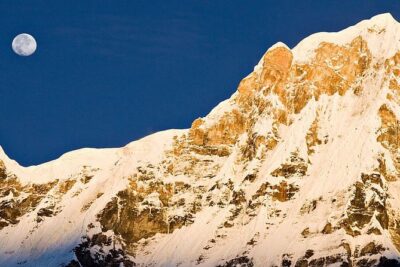
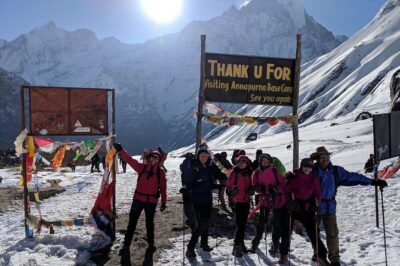
Then comes the payoff: reaching Annapurna Base Camp, where you’re surrounded by the scale of the massif and glaciers, with sunrise views called out as a highlight. That “I got here” feeling isn’t just emotional marketing. It’s practical, too. After days of steady climbs, you finally stand in the zone the whole trek was aiming for.
I also like that the trek is explicitly set up for a broad range of holiday lengths in Nepal, because it fits the reality that most people don’t have unlimited time. If you’re choosing the Annapurna region for your first serious trek, this is one of the most direct ways to get the full story—without needing a longer expedition-style schedule.
Price and value: what $699.67 covers (and what it doesn’t)
At $699.67 per person for a 7-day trek, you’re paying for a package that reduces friction. What you get included is the big stuff that usually costs time and planning power: a government license holder mountain guide, Annapurna Permit (ACAP) and TIMS card, 7 nights of accommodation on the trek, and all ground transportation connected to the trail approach and return (Pokhara to Syauli Bazar and Samrung Khola to Pokhara).
You also get the daily rhythm handled: breakfast, lunch, and dinner three times a day during the trek, plus seasonal fruits. That’s not just convenience. It helps you hike smarter. When meals are planned, you can avoid the common trap of under-eating because you didn’t know what was next on the menu.
What’s not included is where you should budget carefully. Expect to pay for bar bills, phone calls, laundry, battery recharge, and extras like hot water and showers. Even water can be on you, since bottled water is listed as not included. If you’re the kind of person who wants a hot shower every evening, that adds up fast in trekking areas.
So here’s my practical take: this price makes sense if you want a guided, full-service experience where you show up, hike, and let the logistics handle themselves. If you’re a fully independent trekker who already knows the paperwork and wants to negotiate every meal and stay, this package may feel less useful.
Getting there: Pokhara approach, pickup, and the 4:45 am start
The trek is organized around an early start. The meeting time is listed as 4:45 am, which tells you something important: your day starts before most of the valley wakes up. That’s common in Nepal trekking logistics, and it’s usually a good thing because you maximize daylight on the trail and give yourself time for breaks.
Your route connects through Pokhara. One of the nicer pre-trek memories in the flow is an overnight stay in Pokhara with views of the Annapurna Himalaya range and Machhapuchhre, the Fish Tail. From there, you drive beyond Pokhara to begin day one walks.
Also note this is a private tour/activity, meaning it’s arranged around your group. But the on-the-ground trek might still feel small-group. In at least one recent experience, a pair joined two other trekkers for a 4-person group total, which often translates to a more personal guide-to-group ratio without feeling like you’re hiking alone.
The trail rhythm: from Nayapul through Ghandruk, Chhomrong, and base camp
The Annapurna Base Camp trek here has a classic structure: day-by-day transitions from village to ridge to river gorge forest, then into the higher, more dramatic approach toward the sanctuary.
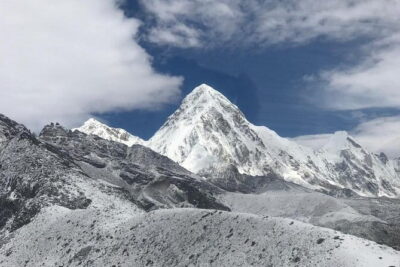
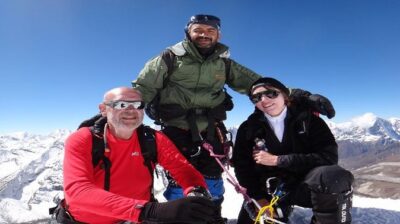
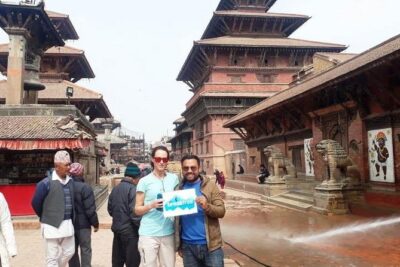
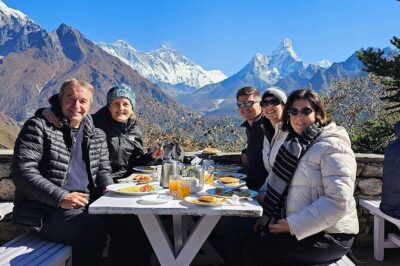
Day 1: Nayapul to Ghandruk, with village views to start
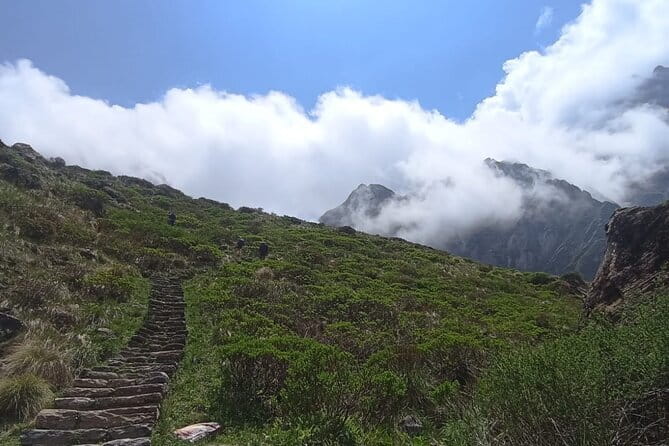
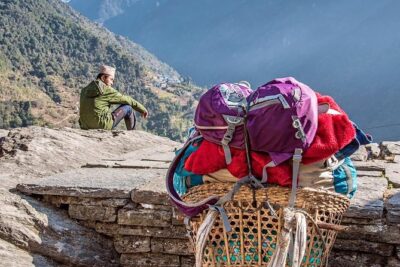
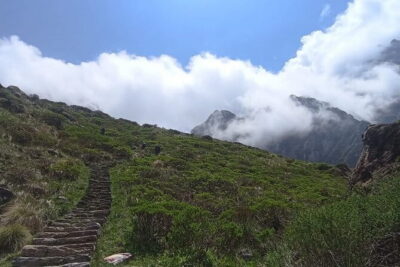
You begin from Nayapul and follow a trail that’s described as passing terraced fields, rhododendron forests, and Gurung villages. That mix matters because it gives your legs a first taste of climbing without immediately dumping you into the toughest segments.
Ghandruk is your first named stop, a place known in this region for its traditional feel and open viewpoints. The day also includes time connected to that Pokhara overnight and sunrise/mountain viewing setup before you start walking.
A small consideration: the first day is often when you feel the most excited and least predictable energy-wise. If you go out too fast, it can make day two heavier.
Day 2: Ghandruk toward Chhomrong via ridges and farm villages
The route continues on a gradual path, then turns into a climb to reach Kimrong Danda (ridge). After that, you get a downhill into cooler forested trails and eventually reach the Kimrong River area and a farm village before continuing toward Chhomrong.
This is a day where your pace strategy pays off. Long days listed here can tempt you to stop too often, or worse, to take the first strong photo break and then lose your rhythm. If you’re hoping for sunrise at base camp later, you’ll want steady effort now.
Day 3: Chhomrong into deep forest and the Modi River gorge feel
From Chhomrong, the trail goes down toward a bridge and then up again to Sinuwa danda (ridge). After that, you walk into deeply forested areas with winding ups and downs, and the day is described as reaching an area called bamboo in the Modi River gorge.
This kind of gorge/forest day often feels longer than it looks on paper, because it’s stop-and-go terrain. Still, it’s a good kind of day for getting into trek focus: steady breathing, careful footing, and trusting that the day will open up later.
Day 4: Into the Annapurna sanctuary zone near Himalaya Hotel and Hinko cave
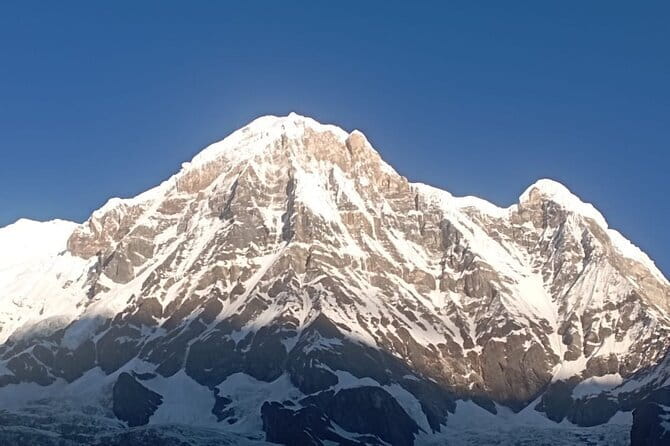
As you get closer to the highlight, the route moves toward a more dramatic part of the region. You pass near Himalaya Hotel, described as located next to Hinko cave, and you’re walking beneath Annapurna South and Huin-Chuli peaks.
That “beneath the peaks” feeling is real even when the details are simpler than big-city travel. You’ll likely notice the way the air, the shadows, and the mountain scale shift as you come into this area. After that, the day includes a downhill section toward the area near the next key stop.
A drawback to keep in mind: this is where weather changes can start to feel sharper. Even if you’re not in high-altitude extremes, cold can show up in wind pockets.
Day 5: Base camp time, then descent toward bamboo again
This is the day you’re waiting for. The schedule includes enjoying scenic time at Annapurna Base Camp, with the trek then moving into a downhill return. The route references a long walk of about six hours on the way down, and you head back toward Bamboo, staying in tall tree lines and lush vegetation as you descend.
What to do with your energy here: keep your time at base camp calm and intentional. You’ll want time to look, time to breathe, and time to get your photos without racing through the moment.
Then let your legs do the work of descent. Descents are tiring in a different way—your quads take the hit—so trekking poles can be a smart choice if you use them.
Day 6: Chhomrong detour to Jhinu Danda hot spring
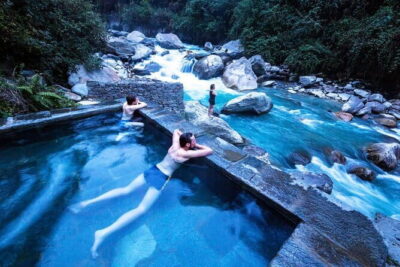
On the return journey, you go back toward Chhomrong, with the route described as ups and downs. From Chhomrong hilltop, the trek diverts toward Jhinu, a ridge area with grand scenery, and includes the Jhinu Danda hot spring stop.
This is one of those practical “reward your body” points. When the trail has been pounding your joints, soaking can make tomorrow feel possible. Just remember hot springs are not the same as spa comforts—expect the experience to be simple and outdoorsy.
Day 7: A shorter trek back and the Pokhara Museum stop
Your last day is a trek of about 4 hours to Siwai, followed by a drive back to Pokhara. The plan also includes a pleasant downhill walk through warmer farm areas and a final Pokhara Museum visit.
If you want to close the loop with a bit of structure after days of hiking, this kind of final stop is helpful. It gives you a soft landing before you switch fully back to city life.
How the guide support changes the whole experience
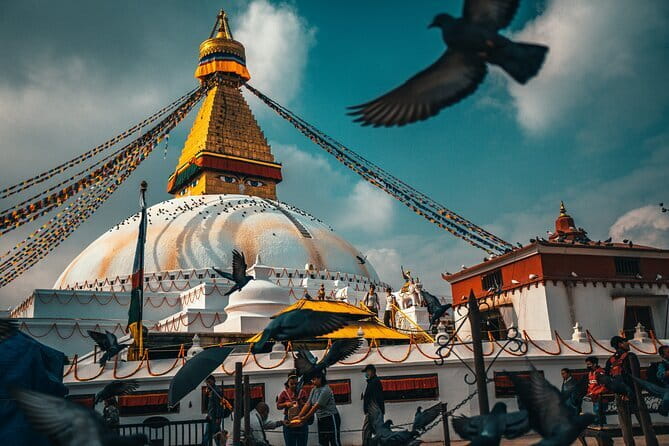
The best part of many Annapurna trips isn’t only the scenery. It’s what happens between climbs: meal planning, accommodation selection, and pacing decisions that prevent small problems from becoming big ones.
In recent feedback, guides like Suraj and Anos are described as professional, attentive, and focused on the group’s best interests—planning meals and keeping the day organized without turning it into a pressure cooker. Another guide named Laku is highlighted as friendly and helpful, with porters Sonam and Necha taking care of needs along the way.
One detail worth noting: communication before the trek is often done by email and then shifted to WhatsApp for ease. That matters because it means you can clarify timing, questions, and expectations before you even reach Nepal.
If you’re traveling in peak hiking season, a smart move is to request the specific guide/porter combination you want in advance. Even in guided packages, staff assignments can change, and you’ll want the best fit for your trekking style.
Meals, lodging, and the costs you should plan for upfront

This package keeps the big daily expenses under control. You’ll have three meals a day during the trek (breakfast, lunch, dinner), plus seasonal fruits. You also get 7 night accommodations on the trek included, which is crucial because trekking areas can have wide variation in options and pricing.
But the list of excluded items tells you what to prepare for mentally and financially:
- bar bills
- phone calls
- laundry
- battery recharge
- bottle of water
- hot water
- showers
So if you want to stay connected, keep your phone charged, and take comfort breaks, bring enough cash to handle those extras.
A comfort note: even when meals are included, trekking food choices often depend on what’s available on that day. The practical strategy is to eat what’s offered confidently, drink enough, and don’t treat every meal like a restaurant.
Pace, weather, and common-sense safety planning
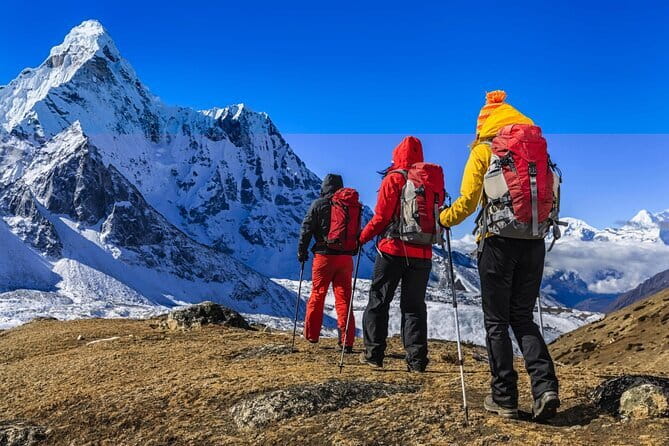
This trek is labeled as moderate, and the program specifies that you should have moderate physical fitness. The practical reading is: you don’t need mountaineering skills, but you do need the ability to hike for long stretches and handle repeated ascents and descents.
Weather is a big deal here. The experience explicitly requires good weather. If the trek can’t run due to poor weather, you’ll be offered a different date or a full refund. That policy is comforting, but it still means you shouldn’t lock your entire Nepal schedule like a train timetable if you have other connections after the trek.
Also, the start time is early and some trekking days are long on the schedule. That means you should plan your packing and your energy management so you’re not trying to solve comfort problems mid-trek.
Who should book this Annapurna Base Camp trek, and who should pause
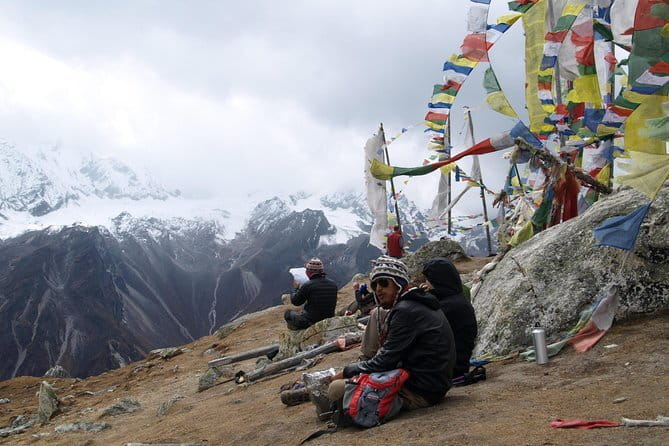
You’ll likely love this trek if:
- you want a guided, full-service experience with permits and guide handled
- you want a strong “got to the place” payoff at Annapurna Base Camp
- you prefer having meals and lodging planned so you can focus on hiking
- you’re comfortable with a trek that can include very long walking days
You might want to pause if:
- you don’t handle long days well and you’re looking for a gentler schedule than what’s listed
- you have very little flexibility if weather forces a date change
- you’re trying to keep costs super tight and you’d rather pay-as-you-go for everything (because this package handles many core costs for you)
One more match detail: it’s private and built around your group, with the start time set and pickup offered. That tends to work well for couples and small groups who want structure without feeling like a huge tour bus operation.
Should you book? My honest decision guide
If your goal is classic Annapurna Base Camp—and you want logistics handled, a licensed guide, ACAP/TIMS taken care of, and a plan that includes meals, lodging, and transport—then this trek is a solid value at $699.67. It’s not marketed as a luxury safari, but it’s clearly built to remove the headaches that slow people down.
If you read the schedule and feel the long-day effort, then you’re the right kind of traveler for it. Train a bit before you go. Pack smart for early starts. Budget for the add-ons that aren’t included. Then show up and do the simple thing well: step by step, day after day, until the base camp views make sense of the climb.
FAQ
What time does the trek start?
The meeting/start time is listed as 4:45 am.
How long is the Annapurna Base Camp trek?
The duration is listed as about 7 days.
What’s included in the price?
Included are three meals a day during the trek, a government licensed mountain guide, the Annapurna Permit (ACAP) and TIMS card, 7 night accommodations on the trek, seasonal fruits, and all ground transportation connected to the trek route.
What permits do I need, and are they included?
The package includes the Annapurna Permit (ACAP) and the TIMS card.
What costs are not included?
Not included are travel and rescue insurance, bar bills, phone calls, laundry, battery recharge, bottled water, hot water, shower fees, and tips for the guide.
What happens if the trek can’t run due to weather?
This experience requires good weather. If it’s canceled due to poor weather, you’ll be offered a different date or a full refund.
More Trekking Out of Kathmandu
More Tour Reviews in Kathmandu
Just Reviewed in Kathmandu
- Mountain Bike Tour
★ 5.0 · 3 reviews - Annapurna Panaroma
★ 5.0 · 3 reviews - Mount Everest Scenic Flight 50 Minutes
★ 5.0 · 3 reviews - Kathmandu : Swambhunath & Durbar Square Guided Half Day Tour
★ 3.3 · 3 reviews - Chandragiri Cable Car & Monkey Temple Tour – Private/Group
★ 5.0 · 3 reviews - Kathmandu: Shivapuri National Park Hiking Day Trip
★ 3.3 · 3 reviews
Annapurna Base Camp Treks, compared.
 ★ 5.0Annapurna base camp trek 5 DaysFrom $699252 reviews
 ★ 5.014-Day Private Annapurna Base Camp TrekFrom $1,090180 reviews
 ★ 5.0Annapurna Base Camp TrekkingFrom $1,779116 reviews
 ★ 5.0Annapurna Base Camp TrekFrom $935111 reviews
★ 5.0Annapurna Base Camp TrekFrom $1,350107 reviews
★ 5.0Annapurna Base Camp TrekFrom $935111 reviews
★ 5.0Annapurna Base Camp TrekFrom $1,350107 reviews
 ★ 5.0Kathmandu to Annapurna Base Camp (ABC) 5-Day TrekFrom $99102 reviews
 ★ 5.0Annapurna Base Camp Trek- 11 DaysFrom $99990 reviews
 ★ 5.0Annapurna Base Camp Trek 12 DaysFrom $80085 reviews
Browse the lists this tour appears in