
Review · ANNAPURNA BASE CAMP TREKS
Annapurna Base Camp trek
High mountains, steady pace, and real village life. This Annapurna Base Camp trek is a classic Himalayan hike through rhododendron forests and isolated settlements, with a local guide and tea-house nights that make the whole trip feel hands-on, not packaged.
I love the small-group cap of 10, which keeps the rhythm human and makes it easier to get help when your legs protest. I also love that the important admin is covered, including Annapurna Conservation Area Permit and TIMS card, plus meals that keep you fueled for roughly 6 hours of walking a day.
One thing to think about first: you’ll be hiking for hours at altitude, and comfort is basic. Expect cold nights at Base Camp and no included hot shower, Wi‑Fi, or battery charging—so pack smart for the reality of tea-house life.
In This Review
- Key things that make this Annapurna Base Camp trek worth your time
- Annapurna Base Camp: what you’re really signing up for
- Small-group trekking (up to 10) and the guide factor you’ll notice
- Permits and TIMS card: why this inclusion is more valuable than it sounds
- The trek’s day-by-day rhythm: forests, farms, villages, then Base Camp
- Tea houses, meals, and the comfort you should plan for
- Getting there: pickup, public transport, and the meeting window
- Price and value: what $999 actually buys (and what you fund yourself)
- Weather, altitude, and fitness: how to judge your readiness
- Who should book this Annapurna Base Camp trek?
- Should you book this Annapurna Base Camp trek?
- FAQ
- How long is the Annapurna Base Camp trek?
- What’s the daily hiking time?
- How many people are in the group?
- Are permits included?
- Are meals included during the trek?
- Do I need to provide passport details when booking?
- What’s included for comfort and charging?
- What is the cancellation policy?
Key things that make this Annapurna Base Camp trek worth your time
- Max 10 trekkers means better pacing and easier questions for your guide
- Permits and TIMS are included, so you don’t burn vacation time on paperwork
- Tea-house nights are built into the plan, with B/L/D meals included
- About 6 hours walking daily, ideal if you want challenge without a marathon mindset
- English-speaking local guide support, with help that extends before and during the trek
- Pickup and drop-off plus public transport, so you’re not wrestling logistics on day one
More trails out of Kathmandu, boots ready
- Everest Base Camp Trek – 14 Days★ 5.0 · 1,499 reviews
- Everest Base Camp Trek★ 5.0 · 842 reviews
- Everest Base Camp Trekking★ 5.0 · 485 reviews
- Nagarkot Sunrise View and Day Hiking from Kathmandu★ 5.0 · 471 reviews
Annapurna Base Camp: what you’re really signing up for
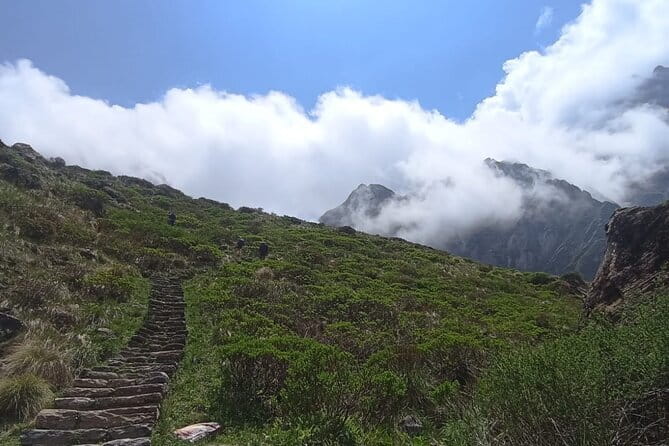
This trek is called Annapurna Base Camp for a reason: you’re chasing the feeling of being at the foot of a huge mountain system. The route moves through changing vegetation and scenery—starting with forested sections, then shifting toward more open, higher-altitude trekking—so the trip stays varied even when your breathing gets slower.
The daily goal is practical: plan for about 6 hours of hiking each day. That’s not “easy stroll” time. But it’s also not a daily all-day slog that crushes everyone. If you like steady effort, frequent stops for photos, and the slow satisfaction of gaining altitude (without turning it into a suffering contest), this format fits.
One more reason I like this style of trek: it’s tea-house based. That means you’re not just passing through mountain scenery—you’re also eating with locals in small lodges and moving through village life along the way. It’s a very direct way to see the Nepal Himalaya rather than watching it from a window.
Small-group trekking (up to 10) and the guide factor you’ll notice
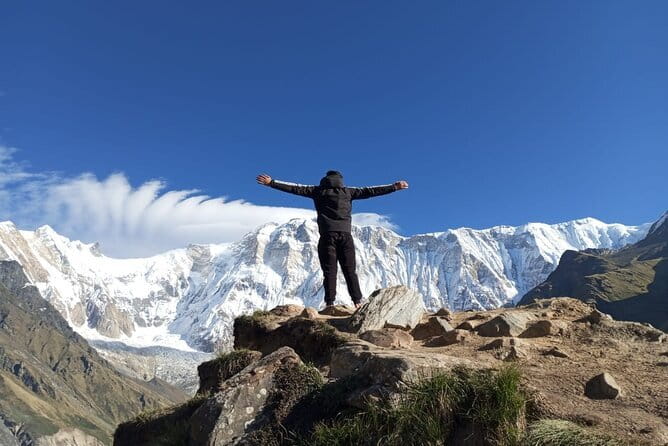
With a maximum group size of 10, you’re more likely to get individualized attention than you would on bigger departures. Small groups also help on mountain days, because pace differences matter. Your group can regroup without turning every lunch stop into a chase.
The guide is government registered and English speaking, which matters more than people expect. When you’re at altitude, good communication isn’t “nice to have.” You’ll want clear guidance on what to expect, how to dress, and when to slow down. In past trips with Nepal Trekking Experts, guides such as Ganesh and Basanta have been described as taking excellent care of the group—especially when conditions were tougher than expected.
I also like that the company’s leadership is described as responsive before the trek. Rajesh has shown up in multiple stories as quick to answer questions and help adjust plans when needed. That kind of support helps you feel less like you’re guessing and more like you’re moving with a team.
If you want a trek that feels active, not chaotic, choose this one. It’s built for hikers who want to walk, learn, and keep the day structured.
Permits and TIMS card: why this inclusion is more valuable than it sounds
A lot of trekkers underestimate the “paper part” of Nepal trekking. Here, the Annapurna Conservation Area Permit and TIMS card are included, along with local taxes. That’s a genuine value piece, because those requirements aren’t optional once you’re on the trail.
You also don’t want to be scrambling mid-trip to fix documents. Delays can mess with your hiking plan, and altitude doesn’t care about your calendar. By handling the permits as part of the package, you buy yourself peace of mind on day one.
This matters even more when you’re coming from Kathmandu. You’ll be starting with travel energy and a head full of gear checks. Having the paperwork sorted lets you focus on the only thing you came for: the walking, the views, and getting your body used to altitude gradually.
The trek’s day-by-day rhythm: forests, farms, villages, then Base Camp
You can think of the Annapurna Base Camp journey in phases rather than just a list of checkpoints. The core rhythm is consistent: each day is built around roughly six hours of hiking through changing terrain, with tea houses at night.
Phase one: lower trail days and settling into the hike. You’ll move through areas with terraced farmland and isolated villages, which is where you see how trekking routes fit into everyday life. This is a great time to learn local trail etiquette—when to step aside for locals moving faster, how to handle narrow paths, and how quickly conditions can change even before the mountains fully dominate your view.
Phase two: forest trails—rhododendron and bamboo. The description highlights rhododendron forests and bamboo groves, and that’s a real gift. Forest trekking can feel more comfortable under shifting light, and it also breaks up the monotony of endless rock and dust. You also get more moments for shade, which helps if you’re sensitive to heat earlier in the day.
Phase three: higher approach and acclimatization reality. As you climb, the air gets thinner and the scenery gets harsher. This is where pace discipline matters most. Even with tea-house comfort, your body is doing extra work at altitude. Expect some days to feel slower than you hoped, and treat that as part of the plan—not a personal failure.
Phase four: the Base Camp push and the cold truth. At Annapurna Base Camp, conditions can be brutally cold, especially depending on season. One guide story calls out how cold it is at Base Camp, but the scenery is worth it. That lines up with what you should plan for: warm layers you can actually move in, gloves that work, and a sleeping setup that doesn’t rely on magic heat.
No matter the exact day-by-day order on your departure, the structure stays the same: varied scenery, village texture, and then the final climb to the foot of Annapurna.
Tea houses, meals, and the comfort you should plan for
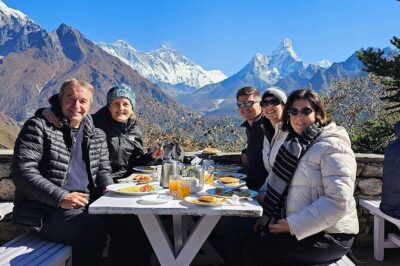
This trek uses tea houses for accommodation, and meals as per itinerary are included: breakfast, lunch, and dinner (B/L/D). That’s a major convenience. In the Himalaya, eating decisions can become stressful if you’re hungry and trying to price-check every stop. With meals included, your plan stays simple: hike, rest, eat, repeat.
Accommodation is included “as per itinerary.” Practically, that usually means basic lodges with rooms that are clean enough for sleep, but don’t expect hotel-level comfort. You’re there for altitude, not luxury.
What’s not included is equally important for planning:
- No hot shower included
- No Wi‑Fi included
- No battery charge included
That doesn’t mean you’ll have zero chance to charge devices on the way, but it also means you can’t budget on it. If you care about photos, your phone battery will drain faster in cold. I’d treat charging as a bonus, not a plan.
What about drinks? Drinks aren’t included, so if you like hot tea, it’ll likely come out of pocket. Budget for that, and you’ll stay relaxed.
Getting there: pickup, public transport, and the meeting window
The package includes hotel pickup and drop-off plus round-trip by public transportation. That’s one of those details that quietly changes the whole trip experience. Instead of figuring out transit while jet-lagged, you’re already pointed in the right direction.
You’ll also have a specific meeting-time window: Monday to Sunday, 5:15 AM to 10:45 PM. That means even if your day in Kathmandu starts early (or runs later due to flights), there’s flexibility.
Also, the meeting point is described as being near public transportation. That’s helpful if you’re not staying right at the center of town and you need an easy way to get to the pickup.
Price and value: what $999 actually buys (and what you fund yourself)
At $999 per person for an approx. 14-day trek, the value is strongest when you compare what’s included versus what causes DIY headaches.
Included items that matter:
- Accommodation and meals (B/L/D) along the trek
- English speaking local guide
- Annapurna Conservation Area Permit + TIMS card
- Local taxes
- Pickup and drop-off
- Round-trip public transportation
What you should pay yourself:
- Drinks
- Souvenir photos (optional)
- Temple/monastery entrance fees
- Wi‑Fi, hot shower, and battery charge
- Personal shopping
- Trekking gears (bring or rent on your own)
- Personal insurance
Here’s how I’d think about it: the trek price buys you structure—permits handled, guide support, meals planned, and time saved on coordination. You still need to bring your own trekking gear and cover personal costs, but your big risks (wrong paperwork, unclear pacing, no guidance at altitude) are reduced.
If you’re new to trekking in Nepal, this kind of “mostly handled for you” structure often pays off quickly. If you’re an experienced self-supported trekker who loves managing everything alone, you might prefer DIY. But that’s a very different trip.
Also, there’s free cancellation up to 24 hours in advance for a full refund. That’s a useful safety net in a country where flights and schedules can be unpredictable.
Weather, altitude, and fitness: how to judge your readiness
The trek is described as moderately challenging, and it’s best suited for people with moderate physical fitness. You’ll be walking about 6 hours per day, which means you’ll want leg endurance and comfort on uneven paths.
Altitude is the real boss here, not just distance. Even if your legs feel fine, thinner air can make your pace feel slower. Plan to move steadily, not heroically. Your guide’s role becomes important on these days—helping you adjust pace and expectations so the trek stays safe.
Season matters too. Some stories mention monsoon-season mountain views when weather cooperated, and others mention late-season expectations. Translation: conditions can swing, and you should pack for a range of weather. Even on good days, it can turn cold as you climb.
If you’re deciding whether you’re “fit enough,” ask yourself:
- Can you walk for several hours with breaks without major recovery time?
- Are you comfortable hiking uphill and downhill for consecutive days?
- Do you have layers for real cold?
If the answer is yes, this is a very solid match.
Who should book this Annapurna Base Camp trek?
Book it if you:
- Want a small-group trek that stays organized
- Prefer an English-speaking local guide handling permits and trekking logistics
- Like tea-house trekking and don’t need hotel comforts
- Want a clear daily structure: about 6 hours of hiking with meals included
Consider looking elsewhere if you:
- Want included hot showers or Wi‑Fi (they’re not included here)
- Need fully catered comfort at every rest stop
- Are unwilling to hike at altitude even for a moderate challenge level
Should you book this Annapurna Base Camp trek?
If your priority is a well-run Annapurna Base Camp experience with the core details handled—guides, permits, tea-house stays, and meals—this looks like a strong choice. The small group size and the emphasis on real daily walking fit hikers who want to earn the views without turning the trip into a logistics project.
My final advice is simple: treat it like a hiking trip first, sightseeing trip second. If you plan for cold, budget for drinks and charging, and show up with moderate fitness, you’ll likely feel satisfied by day two and proud by the time you reach the Base Camp area.
FAQ
How long is the Annapurna Base Camp trek?
The duration is listed as 14 days (approx.).
What’s the daily hiking time?
You should plan for about 6 hours of trekking/hiking each day.
How many people are in the group?
The trek has a maximum group size of 10 travelers.
Are permits included?
Yes. It includes the Annapurna Conservation Area permit and the TIMS card.
Are meals included during the trek?
Yes. Meals are included as per the itinerary, including breakfast, lunch, and dinner.
Do I need to provide passport details when booking?
Yes. You need to provide passport name, number, expiry date, and country for all participants.
What’s included for comfort and charging?
Wi‑Fi, hot shower, and battery charging are not included.
What is the cancellation policy?
There is free cancellation. You can cancel up to 24 hours in advance for a full refund; within 24 hours, the amount paid is not refunded.
More Trekking Out of Kathmandu
More Tour Reviews in Kathmandu
Just Reviewed in Kathmandu
- Mountain Bike Tour
★ 5.0 · 3 reviews - Annapurna Panaroma
★ 5.0 · 3 reviews - Mount Everest Scenic Flight 50 Minutes
★ 5.0 · 3 reviews - Kathmandu : Swambhunath & Durbar Square Guided Half Day Tour
★ 3.3 · 3 reviews - Chandragiri Cable Car & Monkey Temple Tour – Private/Group
★ 5.0 · 3 reviews - Kathmandu: Shivapuri National Park Hiking Day Trip
★ 3.3 · 3 reviews
Annapurna Base Camp Treks, compared.
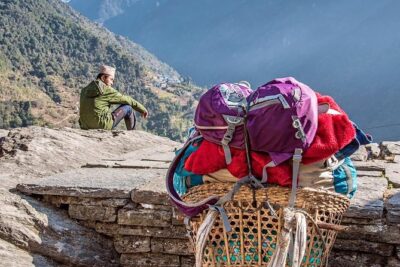 ★ 5.0Annapurna base camp trek 5 DaysFrom $699252 reviews
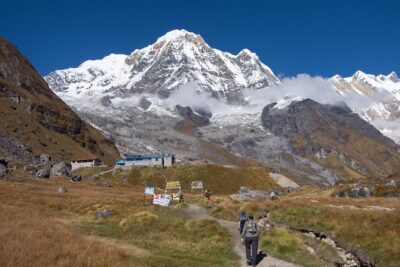 ★ 5.014-Day Private Annapurna Base Camp TrekFrom $1,090180 reviews
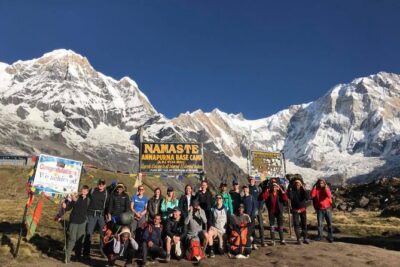 ★ 5.0Annapurna Base Camp TrekkingFrom $1,779116 reviews
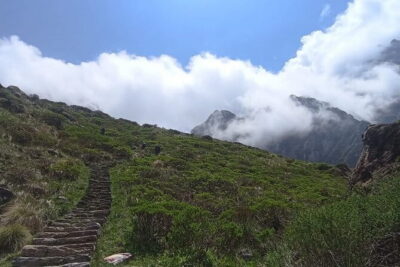 ★ 5.0Annapurna Base Camp TrekFrom $935111 reviews
★ 5.0Annapurna Base Camp TrekFrom $1,350107 reviews
★ 5.0Annapurna Base Camp TrekFrom $935111 reviews
★ 5.0Annapurna Base Camp TrekFrom $1,350107 reviews
 ★ 5.0Kathmandu to Annapurna Base Camp (ABC) 5-Day TrekFrom $99102 reviews
 ★ 5.0Annapurna Base Camp Trek- 11 DaysFrom $99990 reviews
 ★ 5.0Annapurna Base Camp Trek 12 DaysFrom $80085 reviews
Browse the lists this tour appears in