
Review · ANNAPURNA BASE CAMP TREKS
Annapurna Base Camp Trek
A serious high-mountain plan with human-scale pacing. This 13-day Annapurna Base Camp trek strings together rhododendron forests, river valleys, and big-peak views, with the Annapurna Sanctuary feel landing at 4,130m. I like how the trip is set up for smooth, worry-reducing logistics (airport pickup, guided gear prep, permits handled), and how guides and staff like Ganesh and Prakash are described as flexible when life gets messy. One thing to watch: meals during the trek aren’t included, so you’ll want to budget for breakfasts/lunches/dinners along the trail.
You’ll also spend time in Nepal’s two classic warm-up bases. Kathmandu gets you oriented, then Pokhara slows the heart down by Phewa Lake and Lakeside strolls before the walking starts. After that, the route stacks its best moments: the stair-climb days through villages, Poon Hill sunrise at 3,210m, and then the day that finally takes you into the Annapurna Sanctuary around Machhapuchhre Base Camp and onward to base camp.
In This Review
- Key Highlights People Care About
- From Kathmandu to the Mountains: How the Setup Works
- Pokhara to Tikhedhunga: Your First Valley Climb
- Ulleri to Ghorepani: Forest Steps and the Road to Poon Hill
- Tadapani to Sinuwa to Deurali: The “Forest-to-Altitude” Days
- The Annapurna Sanctuary Day: Reaching Base Camp at 4,130m
- Retracing Steps, Then Hot Springs: Bamboo, Chhomrong, Jhinu Danda
- Back to Pokhara and Kathmandu: You Get a Proper Finish
- Price and Logistics: Is $650 Good Value?
- What You’ll Actually Feel on This Trek
- Who Should Book This Annapurna Base Camp Trek
- FAQ
- Where does the trek start and when?
- How long is the Annapurna Base Camp trek?
- Is airport pickup and drop-off included?
- Are hotel stays included in Kathmandu and Pokhara?
- What kind of lodging do I get during the trek?
- Are meals included while trekking?
- What permits are handled?
- What is the highest elevation on this route?
- Can I request vegetarian food?
- Are porters included?
- Can I cancel for a full refund?
- Should You Book This Annapurna Base Camp Trek?
Key Highlights People Care About
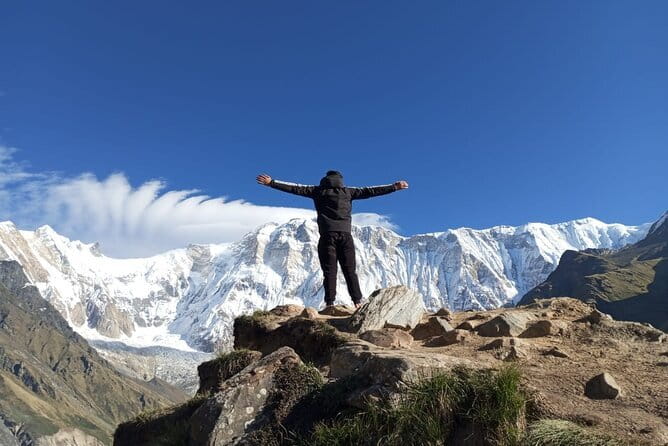
- Poon Hill sunrise at 3,210m with wide views of Annapurnas, Dhaulagiri, Machhapuchhre, and more
- Annapurna Base Camp at 4,130m in the Annapurna Sanctuary, with icy peaks all around
- Hot springs at Jhinu Danda after a tough-feeling day of descent and stone steps
- Permits and entrance fees handled plus first-aid medicines carried by the guide
- Pokhara and Kathmandu hotel nights included so you’re not trekking 24/7
- Flexible, responsive guiding shown in staff stories, including itinerary adjustments when needed
More trails out of Kathmandu, boots ready
- Everest Base Camp Trek – 14 Days★ 5.0 · 1,499 reviews
- Everest Base Camp Trek★ 5.0 · 842 reviews
- Everest Base Camp Trekking★ 5.0 · 485 reviews
- Nagarkot Sunrise View and Day Hiking from Kathmandu★ 5.0 · 471 reviews
From Kathmandu to the Mountains: How the Setup Works
I like that this trek starts with you already in motion. Day 1 is built around a simple flow: you land at Tribhuvan Airport, then staff pick you up and transfer you to your Kathmandu hotel. Your guide gives you a briefing and helps you get your trekking gear ready, which matters more than it sounds. On an ABC trek, the first mistake is usually not the altitude. It’s forgetting something small and then wasting energy later.
Day 2 moves you from Kathmandu to Pokhara by car. The ride follows the Trisuli River for a while, with lunch stops along the way, then you cross the Marshyangdi River area as you head into Pokhara. Once you’re there, you get a real break: check in at your hotel, then you can keep it easy at Phewa Lake or hang out in Lakeside for the evening. That “two-city” rhythm is practical. It gets you adjusted to Nepal’s pace before you start climbing stairs and switchbacks.
Two practical notes you should factor in:
- This trip includes both Kathmandu and Pokhara hotel nights, so you’re paying for comfort where it helps.
- The trek is guided with transport support from your lodging to the trekking start point, not a “good luck, find the bus” situation.
Pokhara to Tikhedhunga: Your First Valley Climb
Day 3 is your first proper walking day. You drive to Nayapul, the trailhead area, then start with a trek to Birethanti. This is a riverside village spot where the Modi and Bhurungdi Kholas meet, so you’ll feel the river valley energy right away.
From there, the route climbs above Sudame, then rises gradually up the valley side to Tikhedhunga. Tikhedhunga itself is known for being a classic stepping-stone toward the higher villages, and your schedule reflects that. You’re not going all-in on altitude day one, but you are starting the routine: walk, pause, regain breath, repeat.
If you’re the type who gets nervous about the first day’s effort, this is a good design. It builds a base without pretending you won’t feel your legs. If you push too hard early, later days will punish you. A steady pace is the whole trick on ABC.
Ulleri to Ghorepani: Forest Steps and the Road to Poon Hill
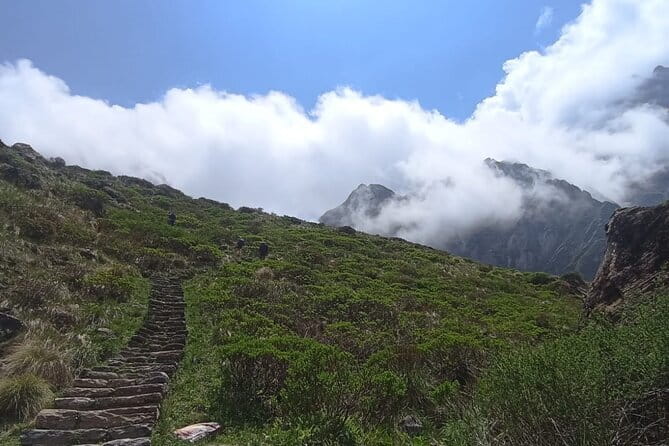
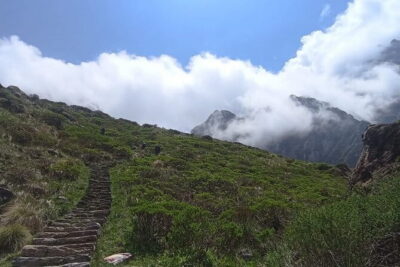
Day 4 takes you to Ulleri via a steep climb using stone staircases. That’s the kind of section that makes your calves understand your training plan, or lack of it. From Ulleri, the trail rises gradually through oak and rhododendron forest toward Banthanti, then continues to Nagethanti (2,460m). Finally, you reach Ghorepani.
Ghorepani is one of those “sleep here, see a lot” places. You’re not just passing through. You’re positioning yourself for the morning that’s famous for a reason.
Day 5 starts early with a 45-minute hike to Poon Hill (3,210m). Sunrise views here are the headline: you get a clear shot over the Himalayas, and the route is timed so you can catch the light over peaks including Dolpo to the west, Dhaulagiri, Annapurnas, Machhapuchhre (Fishtail), and Manaslu. Then the plan shifts from spectacle to movement. You climb along the ridge through pine and rhododendron forest toward Deurali, then descend to Banthanti and continue toward Tadapani.
This is a good day balance: a hard-ish morning push for big reward, followed by downhill walking work that’s still scenic.
Tadapani to Sinuwa to Deurali: The “Forest-to-Altitude” Days
After Poon Hill, Day 6 eases you into the next zone. You do a steep downhill trek through rhododendron forest into a Gurung community village, then take a fairly easy path to Sinuwa at about 2,300m.
Day 7 is more of a hinge day. You drop down toward Sinuwa Khola, then climb to Khuldighar (around 2,380m). After that, the trail becomes more textured: rocky bank walking, then the path levels out and meanders through thickets of bamboo and rhododendron forest toward Deurali hotel.
I like this stretch because it gives you variety. You’re not only climbing. You’re moving through different “feels” of trail: stairs, forest paths, downhill rhythm, then bamboo-and-rhododendron footing. It helps you stay mentally fresh, which matters when you’re a few days deep and the altitude starts to make every decision feel heavier.
Also, your schedule here makes it clear that the trek is a height-and-depth mix. You get dense forest on the lower slopes and a different atmosphere as you climb higher toward colder terrain.
The Annapurna Sanctuary Day: Reaching Base Camp at 4,130m
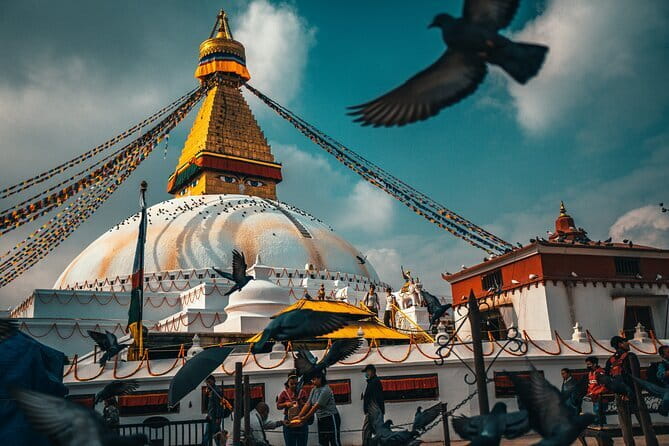
Day 8 is the day you’ll remember even if you forget the name of half the villages. You climb through forest and cross Hinku Cave, pass Deurali, then continue to Machhapuchhre Base Camp. It’s worth knowing this detail: Machhapuchhre Base Camp isn’t the classic “you can summit this peak” stop, because summiting Machhapuchhre isn’t permitted.
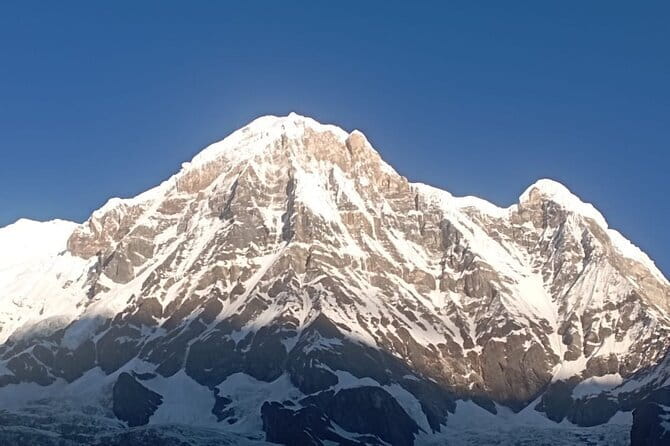
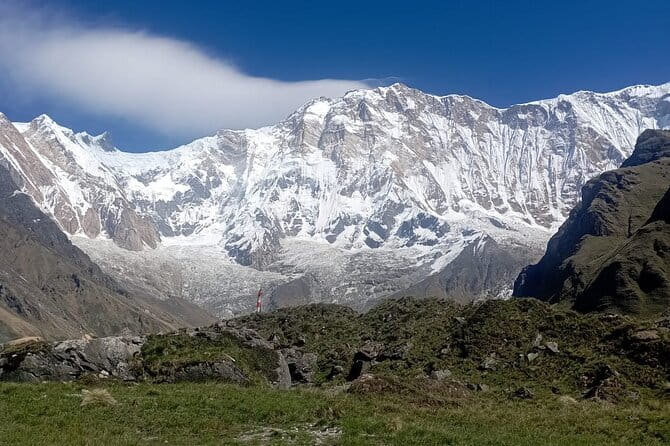
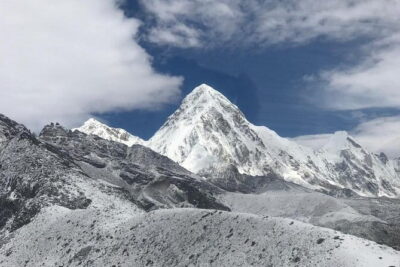
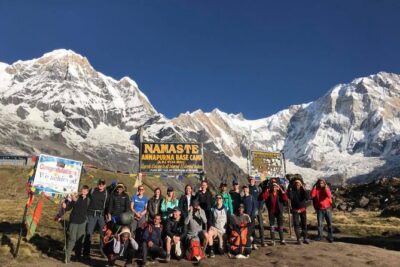
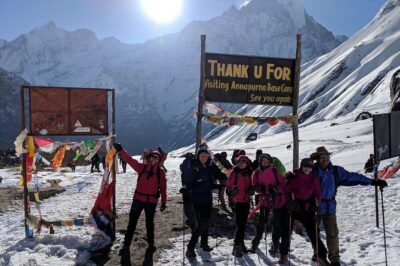
Then you continue about two more hours to Annapurna Base Camp at 4,130m. Here you get rewarded with unobstructed mountain views in what’s called the Annapurna sanctuary.
This part of Nepal carries spiritual weight too. The sanctuary is considered sacred in Hindu and Buddhist traditions, and it wasn’t opened to foreigners until 1956. So even if you’re trekking for scenery, you’re stepping into a place that people treat as more than a photo backdrop.
A realistic expectation: at 4,130m, your body slows down. Your pace will feel slower even if your legs want to go faster. Build patience into your day, and you’ll enjoy the moment more instead of rushing it.
Retracing Steps, Then Hot Springs: Bamboo, Chhomrong, Jhinu Danda
Day 9 brings you back the way you came, from Annapurna Base Camp down toward Bamboo. It’s downhill and should feel less difficult, and you’ll still get that constant companion: mountain walls around you, changing light on the peaks, and the satisfaction of being on a “return” day.
Day 10 is a classic “get through it” day with multiple ups and downs. You trek uphill from Bamboo to Kuldighar, then descend toward Chhomrong Khola. After that, you climb stone steps to Chhomrong, then continue down to Jhinu Danda for the night.
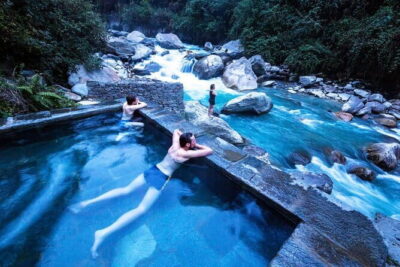
Jhinu Danda is the payoff. You’ll have the chance to soak in hot springs about a 15–20 minute downhill walk away. After days of stairs and uneven footing, a hot soak can feel like someone quietly reset your body.
This day also highlights a good theme of the route: the trek doesn’t end when you reach the base camp. The descent is its own work, and the hot springs give you a clean end-of-day reward.
Back to Pokhara and Kathmandu: You Get a Proper Finish
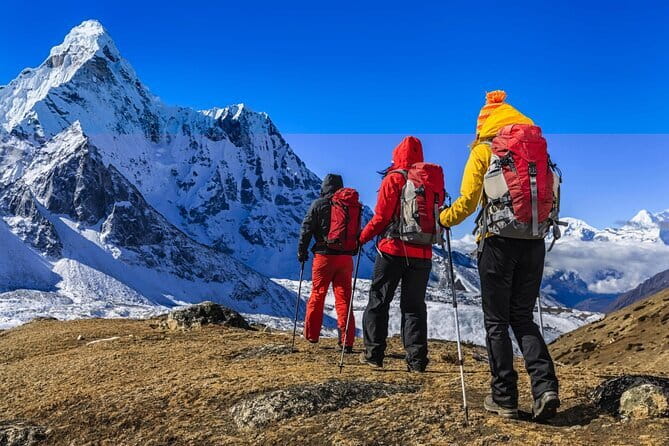
Day 11 is the return to civilization, but not instantly. You walk up to Nayapul, then take a bus to Pokhara. The trek to Nayapul can offer nice views of the terrain as you descend, then you rest in Pokhara for the night.
Day 12 takes you back to Kathmandu by tourist bus. You can fly if you want to cut time later, but this schedule focuses on the road route so you can see the Marshyangdi and Trishuli River areas and get a sense of the people living alongside them. Once you arrive in Kathmandu, you have time to rest or walk around Thamel. The day ends with a farewell dinner at a typical local restaurant with cultural dance performance.
Day 13 is straightforward: airport drop-off for your return flight.
Price and Logistics: Is $650 Good Value?
At $650 per person, the value comes less from the sticker price and more from what’s bundled. This package includes:
- Airport pickup and drop-off by private vehicle
- Two hotel nights in Kathmandu with breakfast, plus two nights in Pokhara with breakfast
- Lodges for 8 nights on the trek, twin sharing
- An experienced trekking guide
- Permits and entrance fees
- Long-range transport by tourist bus between Kathmandu and Pokhara
- Private vehicle/van/jeep transport from and to trekking points
- First-aid medicines carried by your guide
- A welcome dinner (Nepalese restaurant with cultural dance) and a farewell dinner setup
- An adventure certificate after trip completion
What isn’t included is also important:
- Meals during the trek are listed as not included. Even if you’re offered lunch on certain drive days, you should assume you’ll be paying for many meals while walking.
- Tips to the guide aren’t included.
- Porters cost extra (porters are available if you want them).
So who is this deal best for? If you want a guided trek with permits and logistics managed, and you’re fine with lodge food and budgeting your own trek meals, this price makes a lot of sense. If you want every meal covered and a fully staffed porter setup included, you may need to add costs on top.
What You’ll Actually Feel on This Trek
This trek is described with moderate fitness needs, and your itinerary supports that idea with one big reality check: there are steep stair and uphill moments, especially early (Ulleri) and around the higher village transitions. You’ll also reach 4,130m at base camp, so you should expect that your breathing and sleep may feel different as days stack up.
The route’s biggest “experience driver” is the mix of ecosystems. The lower slopes include dense forests with bamboo and rhododendron. The schedule takes you through that shift in vegetation and light. And because the trek follows a depth-and-height combination, you’ll likely notice different trail textures and weather feel as you climb.
Also, the trip is run as a private tour/activity for your group. That can be a big deal if you want to keep pacing flexible and avoid the stress of waiting on other people.
Who Should Book This Annapurna Base Camp Trek
This is a strong match if:
- You want guided, permit-managed trekking with hotel bases in Kathmandu and Pokhara
- You like the idea of Poon Hill sunrise as a clear “wow” anchor before the base camp day
- You’re okay with lodge trekking and twin sharing accommodations
- You want a plan with enough structure to keep moving, yet with staff who have shown flexibility in real-life situations
You might rethink it if:
- You don’t want to manage your own trek-meal budget
- You’re not comfortable with stair climbs and repeated uphill/downhill segments
- You need a fully private trek without any group logistics (this is private to your group, but it still follows the standard lodge-and-trail reality)
FAQ
Where does the trek start and when?
It starts at Tribhuvan Airport in Kathmandu, Nepal. The start time is listed as 6:30 am.
How long is the Annapurna Base Camp trek?
The duration is listed as about 13 days.
Is airport pickup and drop-off included?
Yes. Airport pick up and drop off are included by private vehicle.
Are hotel stays included in Kathmandu and Pokhara?
Yes. The trip includes 2 nights in Kathmandu with breakfast and 2 nights in Pokhara with breakfast.
What kind of lodging do I get during the trek?
You get 8 nights of twin sharing local lodge accommodations during the trek.
Are meals included while trekking?
Meals during the trek are listed as not included. The package does include dinner and some meal components around the hotel portions.
What permits are handled?
The essential trekking permits and entrance fees for the trek are included.
What is the highest elevation on this route?
Annapurna Base Camp is listed at 4,130m.
Can I request vegetarian food?
Yes. A vegetarian option is available if you advise at booking.
Are porters included?
Porters are available, but they are listed as an additional price.
Can I cancel for a full refund?
Yes. Free cancellation is allowed up to 24 hours in advance for a full refund.
Should You Book This Annapurna Base Camp Trek?
If your top priority is handled logistics (transport, guides, permits, and lodges) plus standout moments like Poon Hill sunrise and Annapurna Base Camp at 4,130m, this tour is a good fit. The $650 price works best when you’re comfortable budgeting trek meals and tipping separately.
If you want total meal coverage, a porter already included, or you’re nervous about altitude work, you’ll want to clarify those add-ons before you commit. Otherwise, this is the kind of organized, practical ABC trek that leaves you focused on the walking and the mountains instead of chasing details.
More Trekking Out of Kathmandu
More Tour Reviews in Kathmandu
Just Reviewed in Kathmandu
- Mountain Bike Tour
★ 5.0 · 3 reviews - Annapurna Panaroma
★ 5.0 · 3 reviews - Mount Everest Scenic Flight 50 Minutes
★ 5.0 · 3 reviews - Kathmandu : Swambhunath & Durbar Square Guided Half Day Tour
★ 3.3 · 3 reviews - Chandragiri Cable Car & Monkey Temple Tour – Private/Group
★ 5.0 · 3 reviews - Kathmandu: Shivapuri National Park Hiking Day Trip
★ 3.3 · 3 reviews
Annapurna Base Camp Treks, compared.
 ★ 5.0Annapurna base camp trek 5 DaysFrom $699252 reviews
 ★ 5.014-Day Private Annapurna Base Camp TrekFrom $1,090180 reviews
 ★ 5.0Annapurna Base Camp TrekkingFrom $1,779116 reviews
 ★ 5.0Annapurna Base Camp TrekFrom $935111 reviews
★ 5.0Annapurna Base Camp TrekFrom $1,350107 reviews
★ 5.0Annapurna Base Camp TrekFrom $935111 reviews
★ 5.0Annapurna Base Camp TrekFrom $1,350107 reviews
 ★ 5.0Kathmandu to Annapurna Base Camp (ABC) 5-Day TrekFrom $99102 reviews
 ★ 5.0Annapurna Base Camp Trek- 11 DaysFrom $99990 reviews
 ★ 5.0Annapurna Base Camp Trek 12 DaysFrom $80085 reviews
Browse the lists this tour appears in