
Review · ANNAPURNA BASE CAMP TREKS
Annapurna Base Camp Trek form Kathmandu
Annapurna Base Camp begins with a long, scenic bus ride. This trek has the kind of slow build I like: you start in Thamel and Pokhara, then gradually work your way up toward higher viewpoints and finally the two big goals—Machhapuchchhre Base Camp (3770 m) and Annapurna Base Camp (4130 m). I really like that it’s arranged as a private experience with an English-speaking guide, so you’re not guessing your way through permits, routes, and timing.
Two things I’d call out right away: you get porter support for luggage and you’re sleeping either in Pokhara hotels or simple guest houses along the way, which helps keep the trekking days focused. One consideration: you do need strong physical fitness, because you’re trekking for several hours most days at higher altitude, and Poon Hill’s sunrise hike is early (plus the Poon Hill part is marked as not included for its ticket).
In This Review
- Key Points That Make This Trek Worth Your Time
- Kathmandu to Pokhara: The Start You’ll Appreciate More Than You Think
- Thamel Pickup, Nayapul, and the Moment the Trek Begins
- Ghorepani and the Annapurna Views You’ll Keep Remembering
- Chhomrong to Dovan: Moving Deeper Into the Route
- Deurali to Machhapuchchhre Base Camp: The Branch That Makes This Tour Special
- Annapurna Base Camp to Bamboo: Descent Is Still Work
- Jhinu Danda Hot Springs: Why This Stop Feels Like a Reward
- Naya Pul to Pokhara: Finishing Without a Panic Sprint
- Price and Value: Is $550 Fair for What’s Included?
- Service Quality That Shows Up in the Details
- Who This Trek Fits Best (And Who Should Rethink It)
- Should You Book Annapurna Base Camp From Kathmandu on This Plan?
- FAQ
- What’s included in the trek package?
- Are meals included?
- Do I need trekking permits or a TIMS card?
- How high do you trek on this route?
- Is pickup from Kathmandu included?
- Is there a porter service?
- What is the cancellation policy?
Key Points That Make This Trek Worth Your Time
- English-speaking trekking guide that keeps logistics clear while you’re on the trail
- Luggage porter support (two guests share one porter, up to 15 kg each) so your daypack stays manageable
- Pokhara Lakeside hotel stay before you climb, with a scenic tourist bus transfer from Kathmandu
- Two landmark viewpoints: sunrise at Poon Hill and the trek’s crown moment at Annapurna Base Camp
- Machhapuchchhre Base Camp included at 3770 m, not just a straight shot to ABC
- Jhinu Danda hot spring stop for a welcome body reset on the way back
More trails out of Kathmandu, boots ready
- Everest Base Camp Trek – 14 Days★ 5.0 · 1,499 reviews
- Everest Base Camp Trek★ 5.0 · 842 reviews
- Everest Base Camp Trekking★ 5.0 · 485 reviews
- Nagarkot Sunrise View and Day Hiking from Kathmandu★ 5.0 · 471 reviews
Kathmandu to Pokhara: The Start You’ll Appreciate More Than You Think
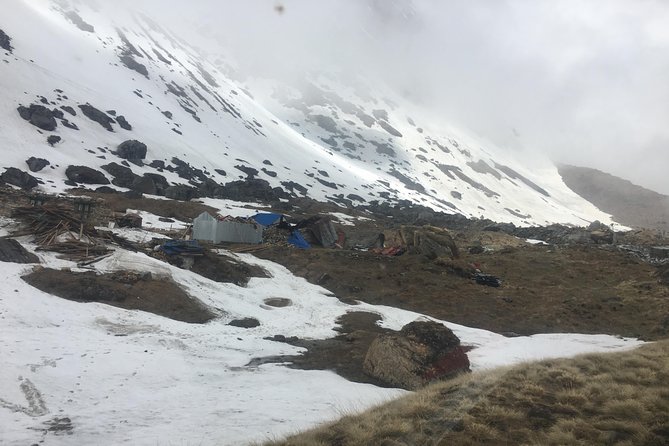
Kicking off in Kathmandu feels busy, then the day-to-day rhythm finally settles once you’re on the road. The pickup from your hotel in Thamel connects you to the bus quickly, then you head toward Pokhara on a tourist bus ride that takes about seven hours.
This matters because it sets expectations for the trek. You’ll arrive in Pokhara Lakeside with enough time to sleep in a real bed and get oriented before your first real hiking day. If you’ve ever done a trek that starts immediately with no buffer, you’ll understand why that helps. Here, you get that soft landing.
Pokhara Lakeside is also a practical choice. You’re near services, and you can take care of small needs—like resting, hydrating, and double-checking your own comfort plan—before you start climbing. And because this is arranged with transfers as part of the package, you’re not chasing transport on your first day stressed.
Thamel Pickup, Nayapul, and the Moment the Trek Begins
On the second day, you shift from city pace to trail pace. You drive to Nayapul (about 1 hour 10 minutes), then the trek starts with the climb toward Ulleri.
Ulleri is one of those early uphill sections that tells you what kind of trekking day you’re going to have. Expect steady effort rather than anything technical. The big win is that you’re not rushed: the day is paced at about five hours of trekking, which feels right for easing into the higher elevations.
This is also where the “private trip” angle matters. You’re traveling as a group that only your party participates in, so you’re not squeezed into a mass departure. That usually means fewer awkward waiting moments and less time lost to other people’s pace.
Ghorepani and the Annapurna Views You’ll Keep Remembering
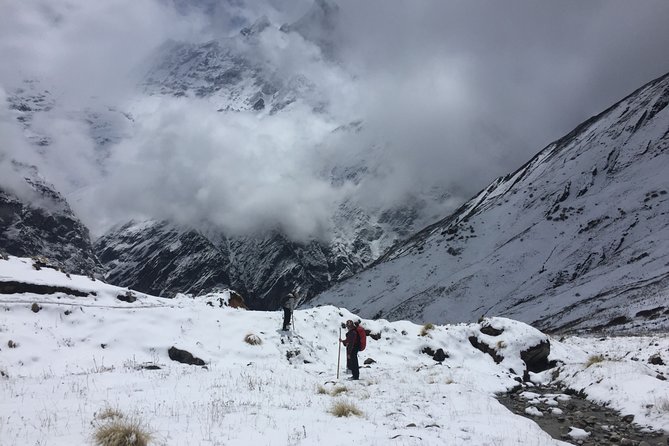
After Ulleri, you continue toward Ghorepani (around six hours). This is where the trek starts to feel like it belongs to the Annapurna region rather than a general hiking route. The views here are described as magical, especially of the Annapurna mountain ranges.
Then comes a moment you should plan for properly: sunrise at Poon Hill. This is not a relaxed lie-in moment. It’s an early morning hike of about two hours just to reach the viewpoint in time for sunrise, and it’s marked as not included for the ticket.
Here’s the practical advice: treat sunrise as part of your fitness schedule. If you go to bed late or forget sleep, you’ll feel it during the hike and you’ll pay for it later. The payoff is that Poon Hill is one of the most famous early viewpoints for a reason—you’ll get a wide, bright view over the mountains, and it acts like a “rehearsal” for what’s coming at higher altitude.
After Poon Hill, you trek onward to Tadapani (about six hours). That day is about continuing the upward rhythm while setting you up for deeper trekking terrain.
Chhomrong to Dovan: Moving Deeper Into the Route
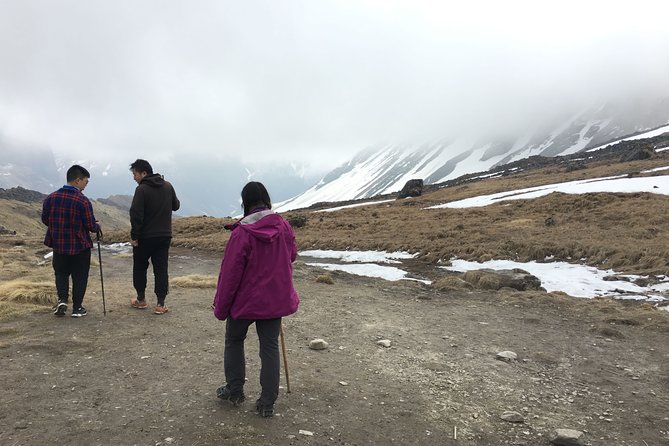
From Tadapani, you head toward Chhomrong (around six hours). Chhomrong is a common hinge point on ABC-style treks, and this route treats it that way: you spend the day moving with enough effort to feel progress, but not so much that you’re wrecked for the next leg.
Then the trek continues to Dovan (about five hours) in what the route describes as the Annapurna region. Dovan is often the kind of place where the trail starts to feel more “inside the mountains,” and the air can feel different as you go higher. At this point, you’re also getting into a steady routine: trek for several hours, arrive at guest housing, settle in, and prepare for the next day.
That rhythm is exactly why the included guest house stays matter. You’re not making every decision yourself about where to stay and how to keep moving.
From Dovan, you go to Deurali (about five hours). Like the earlier days, the focus is steady walking rather than anything complicated. The biggest challenge here is pacing. Don’t try to power-walk to “win” the elevation. Save energy for the high point days ahead.




Deurali to Machhapuchchhre Base Camp: The Branch That Makes This Tour Special
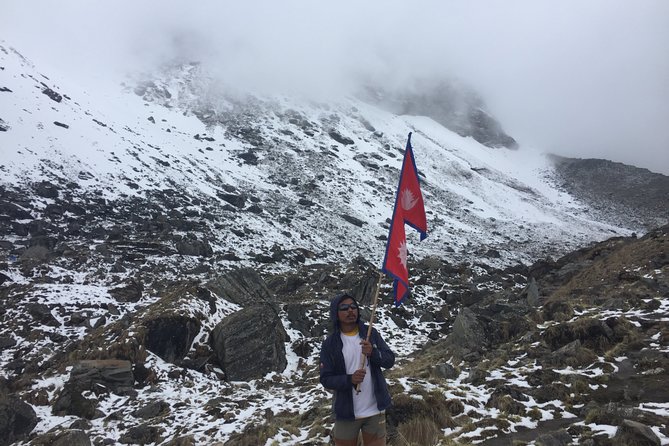
Day eight is where this trek stops being a standard ABC route and becomes something you’ll tell people about. You trek to Machhapuchchhre Base Camp first (about two hours), and then you continue to Annapurna Base Camp (another about two hours).
That order is smart. It gives you a real milestone before the final arrival. Machhapuchchhre Base Camp sits at 3770 meters, and it’s a chance to see the mountain in a different way than when you’re higher or lower. Then ABC at 4130 meters becomes the climax.
Also, you get two different kinds of satisfaction: the achievement of reaching base camp elevations, and the feeling of arriving at the route’s main target. People remember both.
One more thing: the route is guided, and the guide being English-speaking helps a lot at these higher moments. You’ll want clear communication about what you’re seeing, how to pace, and what to expect next. Having that structure keeps the day from feeling chaotic when the air is thinner and you want everything to go smoothly.
Annapurna Base Camp to Bamboo: Descent Is Still Work
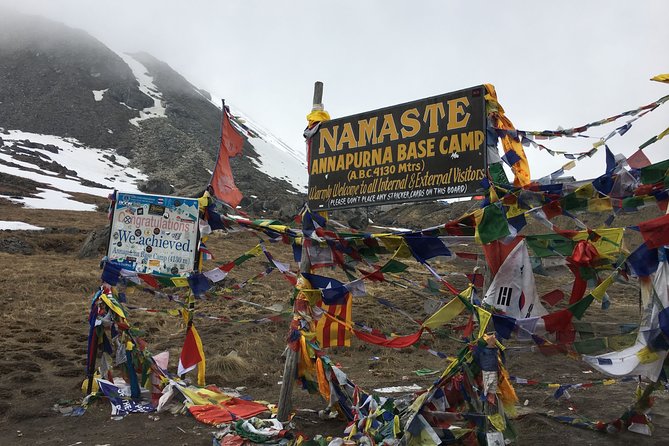
After the high point, you start the descent to Bamboo (about six hours). This is where many trekkers make a mistake: they think it’s “only down,” so they go too fast.
You’ll still be using your legs. Long descents can strain knees and make your feet feel heavy if you rush. Keep steps controlled. You’ll get to Bamboo faster this way, and you’ll feel better when you reach the next stop.
Because you’re in guest house lodging, you’re not dealing with complicated logistics on arrival. You can focus on recovery: water, rest, and getting ready for the hot spring day coming up.
Jhinu Danda Hot Springs: Why This Stop Feels Like a Reward
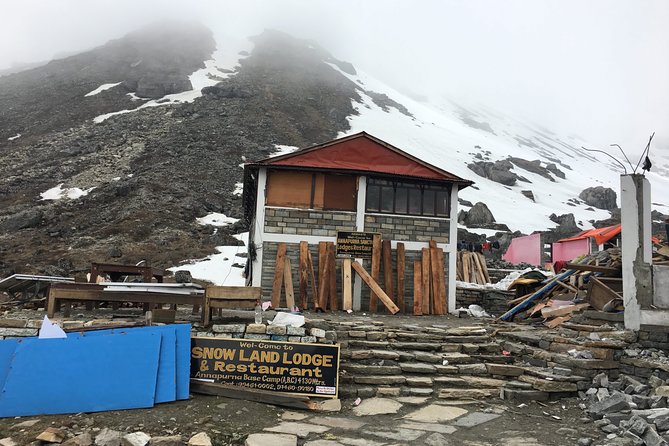
From Bamboo, you trek to Jhinu Danda (about six hours). This is the day you swap “looking up” effort for a body reset. Jhinu Danda is where the natural hot spring bath time fits in.
There’s something psychologically valuable about a hot spring stop on a trek this long. It gives you a tangible reward that feels earned, and it helps you manage the normal soreness that shows up after a couple of tougher walking days.
Even if you don’t treat it like a spa day, the soak can make the next day’s return feel easier. It also breaks up the mental grind of trekking. After the climb to ABC, you’re ready for an easier-feeling finish.
Naya Pul to Pokhara: Finishing Without a Panic Sprint
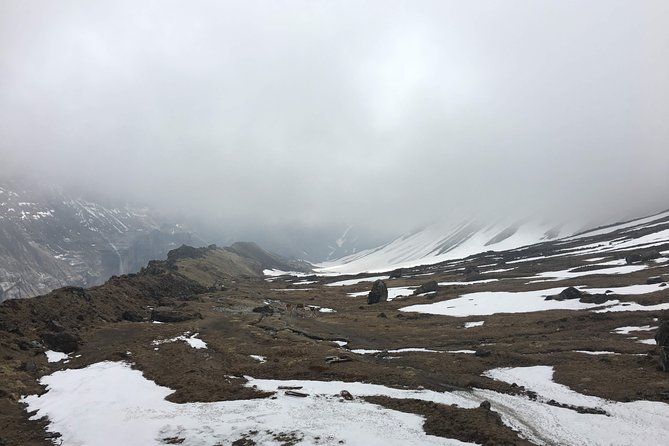
On the final trekking day, you head back down to Nayapul (about six hours). Then you get a private car drive from Nayapul to Pokhara (about 1 hour 10 minutes), and you’re transferred to your hotel. Trip end.
This is a good ending pattern: you’re not stuck with hours of scrambling to find transport. You also don’t end the trek in the middle of a long travel day without sleep planned. You get a proper finish with a car ride that lets you breathe after the trail.
If you want an easy day after the trek, this return structure helps. You can spend your last evening in Pokhara Lakeside reflecting on the route: the early sunrise at Poon Hill, the long valley walking, the two base camp targets, and then the hot spring recovery moment.
Price and Value: Is $550 Fair for What’s Included?
At $550 per person, this trek is priced for what you actually get: transfers, guidance, permits, and basic lodging support. You’re not paying just for walking. You’re paying for the scaffolding that makes a mountain trek feel organized.
Here’s where the value shows up:
- English-speaking trekking guide included, which is a big quality driver when elevations rise and timing matters.
- Porter support included, with the clear rule that two guests share one porter and the porter can carry up to 15 kg. That’s meaningful if you want your trekking daypack light.
- Trekking permit and TIMS card are included. These aren’t just paperwork; they protect the legitimacy of your route and reduce last-minute stress.
- Pokhara accommodation and trek guest houses are included, so you’re not handling lodging booking while you’re already physically tired.
- Private transfers to and from Nayapul are included, which keeps the trek-to-travel handoff smooth.
What’s not included matters, too. Meals and personal expenses are not included, so you should plan a daily food budget. Also, the rescue cost in an emergency isn’t included, so it’s smart to think about insurance for high-altitude trekking situations, even if it’s not written out here.
If you want to spend your energy hiking instead of handling logistics, the price-to-support ratio is solid.
Service Quality That Shows Up in the Details
The best indicator of whether a trek will feel smooth is how service behaves when you’re tired. The positive experiences associated with this operator often mention strong coordination and friendly teamwork.
Names that come through include Shubham for arrangement support, guide Mr. Bisham for guiding, and porter Aruna for porter work. I like hearing that because it suggests the operation pays attention to the human side: getting you moving at the right time, making sure your luggage is handled, and giving you a guide who can explain what you’re seeing.
Also, the route includes a lot of moving parts—bus drive from Kathmandu to Pokhara, transfers, permits, and multiple overnight stays. A good operator turns that complexity into a calm, predictable routine.
That calm is what makes the big moments feel more vivid. When you’re not stressed about logistics, sunrise views feel brighter, base camp feels more real, and hot springs feel like a true reset.
Who This Trek Fits Best (And Who Should Rethink It)
This is a great fit for you if:
- You want an organized trek with English-speaking guidance and clear route support.
- You prefer lighter carrying with a porter system (shared porter, 15 kg capacity).
- You like the idea of Pokhara Lakeside as a comfortable staging base before the mountains.
- You want both Machhapuchchhre Base Camp and Annapurna Base Camp, not just the straight-to-ABC version.
It might not be ideal if:
- You’re looking for meals to be handled for you (they’re not included).
- You don’t feel confident with sustained trekking at altitude. The tour explicitly calls for strong physical fitness, and the route includes multiple long walking days and high points.
If you’re the kind of traveler who enjoys steady progress, good planning, and the payoff of clear mountain views, you’ll probably love how this route unfolds.
Should You Book Annapurna Base Camp From Kathmandu on This Plan?
Yes—if you want a guided ABC trek that handles the big logistics for you while still giving you real time in the mountains. The value is strongest in the combination of permits, TIMS, English-speaking guide, porter support, and transfers, plus the extra milestone of Machhapuchchhre Base Camp.
Don’t book blindly if your main goal is low-effort travel or if you rely on meals being included. Also, plan your fitness for the long walking days and the early start for Poon Hill sunrise.
If you want the most dependable experience, choose this kind of structured trek and then bring your own calm preparation: sleep well before sunrise, pace yourself on the climbs, and take recovery seriously on the descent days.
FAQ
What’s included in the trek package?
The package includes shuttle service in private as per itinerary, Kathmandu to Pokhara transfer by tourist bus, an English-speaking trekking guide, a porter to carry luggage (two guests share one porter, up to 15 kg), private vehicle transfers to and from Nayapul, accommodation in Pokhara hotel and guest houses during the trek, trekking permit and TIMS card, and it’s set up as a private trip.
Are meals included?
No. All meals and personal expenses are not included.
Do I need trekking permits or a TIMS card?
Trekking permit and TIMS card are included.
How high do you trek on this route?
You reach Machhapuchchhre Base Camp at 3770 meters and Annapurna Base Camp at 4130 meters.
Is pickup from Kathmandu included?
Yes. Pickup is offered from Thamel, with transfer to the bus.
Is there a porter service?
Yes. A porter is included to carry your luggage, with the guideline that two guests share one porter who can carry up to 15 kg.
What is the cancellation policy?
You can cancel for a full refund up to 24 hours in advance. If you cancel less than 24 hours before the experience start time, the amount you paid is not refunded.
More Trekking Out of Kathmandu






More Tour Reviews in Kathmandu




Just Reviewed in Kathmandu
- Mountain Bike Tour
★ 5.0 · 3 reviews - Annapurna Panaroma
★ 5.0 · 3 reviews - Mount Everest Scenic Flight 50 Minutes
★ 5.0 · 3 reviews - Kathmandu : Swambhunath & Durbar Square Guided Half Day Tour
★ 3.3 · 3 reviews - Chandragiri Cable Car & Monkey Temple Tour – Private/Group
★ 5.0 · 3 reviews - Kathmandu: Shivapuri National Park Hiking Day Trip
★ 3.3 · 3 reviews
Annapurna Base Camp Treks, compared.
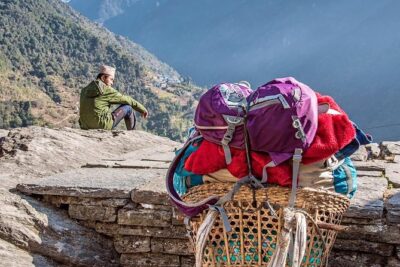 ★ 5.0Annapurna base camp trek 5 DaysFrom $699252 reviews
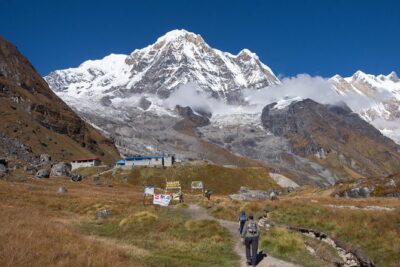 ★ 5.014-Day Private Annapurna Base Camp TrekFrom $1,090180 reviews
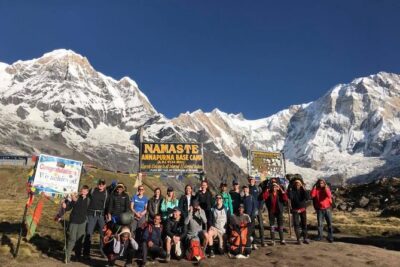 ★ 5.0Annapurna Base Camp TrekkingFrom $1,779116 reviews
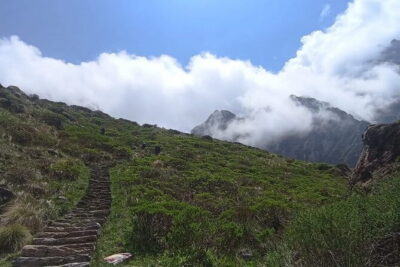 ★ 5.0Annapurna Base Camp TrekFrom $935111 reviews
★ 5.0Annapurna Base Camp TrekFrom $1,350107 reviews
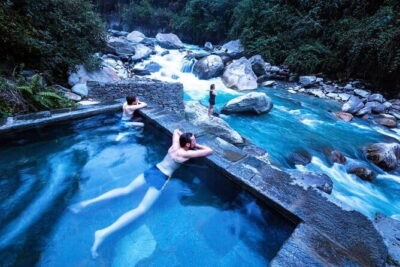 ★ 5.0Kathmandu to Annapurna Base Camp (ABC) 5-Day TrekFrom $99102 reviews
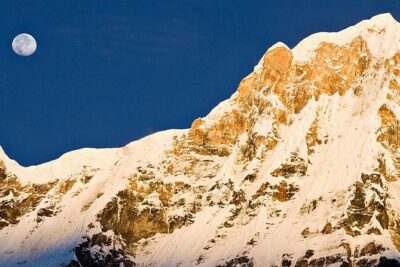 ★ 5.0Annapurna Base Camp Trek- 11 DaysFrom $99990 reviews
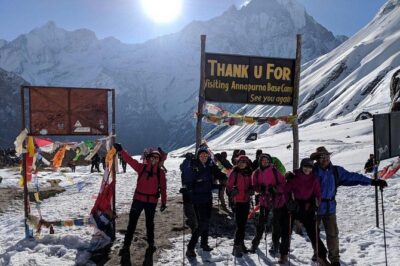 ★ 5.0Annapurna Base Camp Trek 12 DaysFrom $80085 reviews
Browse the lists this tour appears in