
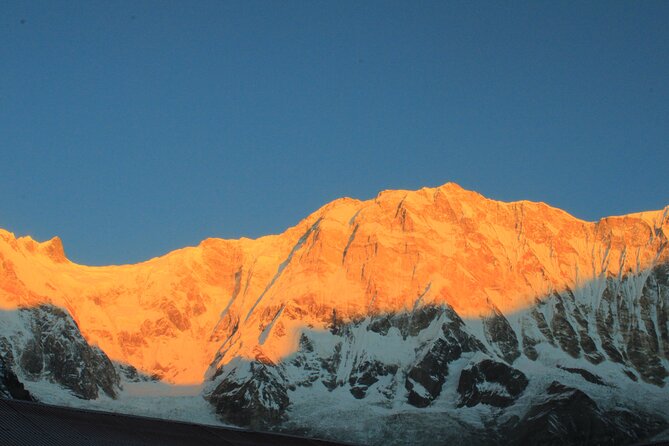
Review · ANNAPURNA BASE CAMP TREKS
Annapurna Base Camp Trekking 09 Days
Curiosity and calves meet in Annapurna. This 9-day trek starts with a drive to Jhinu Danda, then works its way to the Annapurna Base Camp area for close-up mountain views and classic tea-house nights. What makes it feel special is the mix: a mountain trip with enough structure that you’re not guessing each day’s logistics, plus villages and viewpoints along the Annapurna trail. One consideration: base camp is not a five-star place. Facilities at/near ABC can be limited, so go in with a flexible attitude.
I love how the package keeps things efficient. Compared with the Everest Base Camp trek, this route is known for being easier and shorter while still delivering the high-altitude feel—enough to make you pay attention to breathing, hydration, and pacing. That rhythm matters when you’re trying to enjoy the views of Annapurna I and South, Annapurna III, Gangapurna, Barachuli, Himchuli, plus landmarks like Machhapuchhre (Fishtail).
What you’ll remember most is how guided support changes the whole experience. People like guide Milan and guide Tony are praised for being professional, easygoing, and safety-minded—exactly what you want when the weather shifts and the trail gets steep.
In This Review
- Key highlights worth your attention
- Road-to-Jhinu Danda: how this trek starts smart
- Big mountain views in the Annapurna Sanctuary area
- The 9 days, step by step: Kathmandu to ABC and back
- Day 1: Arrive and get positioned in Kathmandu
- Day 2: Kathmandu → Pokhara, then lakeside downtime
- Day 3: Pokhara → Jhinu Danda → Chhomrong → Sinuwa
- Day 4: Sinuwa area → Deurali guest house
- Day 5: Deurali → Annapurna Sanctuary → ABC (with MBC pass)
- Day 6: ABC sunrise morning → back down to Bamboo
- Day 7: Bamboo → Jhinu Danda → Pokhara
- Day 8: Pokhara → Kathmandu + farewell dinner in Thamel
- Day 9: Departure day
- Tea houses, meals, and why food matters more than you think
- Guides make the difference: Milan, Tony, Akal, Jiban, Bisho
- Optional upgrades you might consider
- Value for $900: what you’re really paying for
- Weather, fitness, and gear: don’t guess—prepare
- Who this trek suits best
- A quick note on accessibility and special needs
- Should you book this 9-day ABC trek with Adventure Vision Treks?
- FAQ
- What’s the duration and where does the trek start and end?
- Is pickup included, and do I travel only with my group?
- What’s included during the trek for meals?
- How do you get between Kathmandu and Pokhara, and then to the trek start?
- Are permits covered?
- Can I change the plan by flying to and from Pokhara?
- What if weather is bad and the trek can’t run?
Key highlights worth your attention
- Road-to-Jhinu Danda start: You drive to the farthest accessible point by road, then begin trekking from there.
- Easier ABC than Everest Base Camp: Similar altitude payoff, shorter overall commitment and a more approachable profile.
- Annapurna Sanctuary route: You reach ABC through the sanctuary area with big views of multiple peaks.
- Machhapuchhre Base Camp (MBC) pass: A standout milestone on the way in and out.
- Sunrise-focused morning: One morning is set up specifically to see sunrise over the Annapurna range.
- Group-friendly with private feel: It’s private for your group, with group discounts available.
More trails out of Kathmandu, boots ready
- Everest Base Camp Trek – 14 Days★ 5.0 · 1,499 reviews
- Everest Base Camp Trek★ 5.0 · 842 reviews
- Everest Base Camp Trekking★ 5.0 · 485 reviews
- Nagarkot Sunrise View and Day Hiking from Kathmandu★ 5.0 · 471 reviews
Road-to-Jhinu Danda: how this trek starts smart
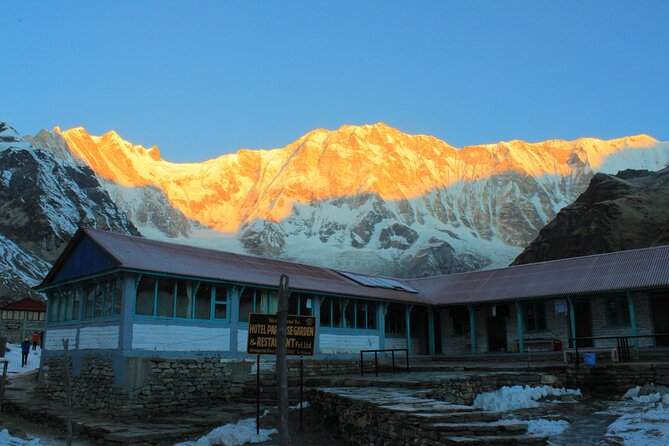
Most treks in Nepal start with a big travel day that drains energy before you even put on boots. Here, you get a tourist coach and a drive that pushes you up to Jhinu Danda, the furthest accessible point by road. The practical payoff is simple: your first real effort is climbing, not sitting in a bus.
Jhinu Danda also sets the tone. You transition from road life to mountain life quickly—outlets for that mental gear shift. You’ll be walking through the valley side of the Annapurna region early on, then gradually stacking elevation as the days go by.
One other quiet advantage: this kind of structured start makes it easier to keep your routine steady. You can focus on the basics—warm layers, steady steps, and enough water—without scrambling to catch transport at the last minute.
Big mountain views in the Annapurna Sanctuary area
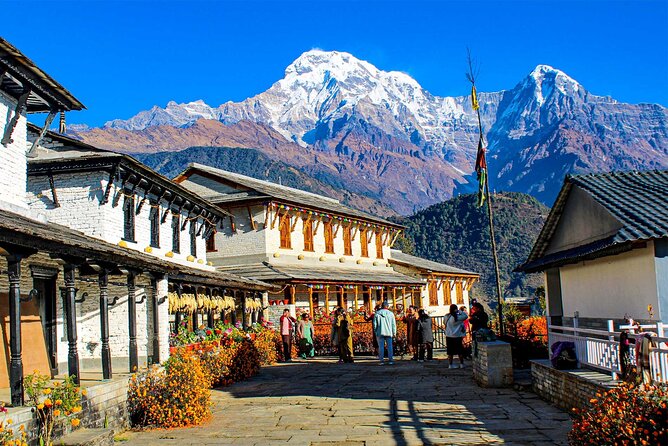
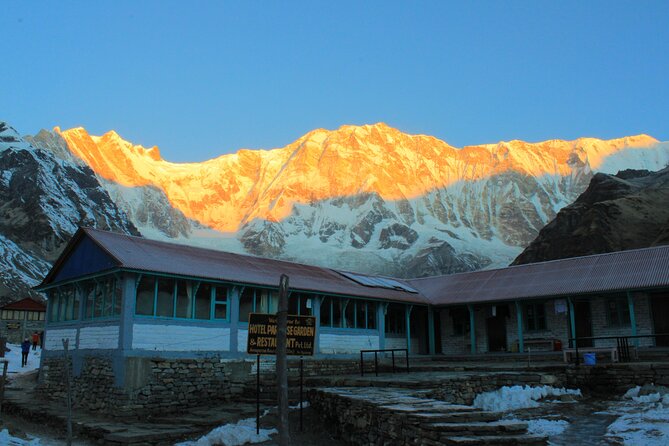
This is a trek built around one main destination and a whole lot of supporting viewpoints. The route treats you to views of peaks such as Mt. Fishtail (Machhapuchhre), Annapurna I, Annapurna South, Annapurna III, Gangapurna, Barachuli, and Himchuli. Even when the sky gets hazy, you still get that sense of the massif filling the horizon.
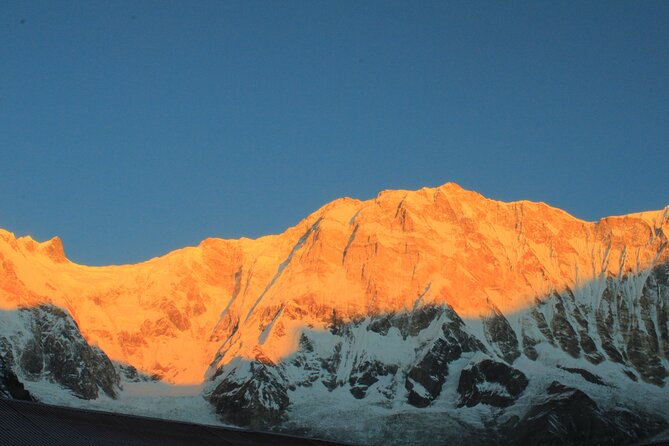
A key moment is the approach to base camp from Deurali. You’re not just walking to a dot on a map—you’re moving through the sanctuary area, and you’ll pass important checkpoints along the way. Another moment with extra emotional weight is the sunrise setup on the Annapurna range (scheduled for the day you’re trekking down after ABC).
Also, don’t ignore the smaller scenes. The Annapurna trek tradition is about more than peaks. On this route you’ll pass through places like Bamboo, Dovan, and Himalaya, and you’ll also get time through smaller village sections where tea houses and local life are part of the day’s rhythm. In short: it’s a high-altitude objective with enough human texture to keep the walk interesting.
The 9 days, step by step: Kathmandu to ABC and back
Below is how the days generally flow, and what each one tends to feel like.
Day 1: Arrive and get positioned in Kathmandu
You’ll arrive at an international airport, then get picked up. This matters more than it sounds: a clean start reduces stress on your first day, which is helpful because you’ll likely be adjusting to a different schedule and higher elevation later.
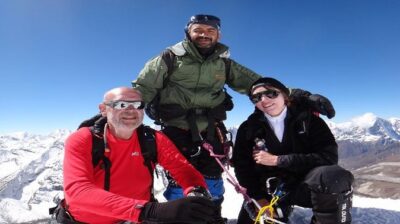
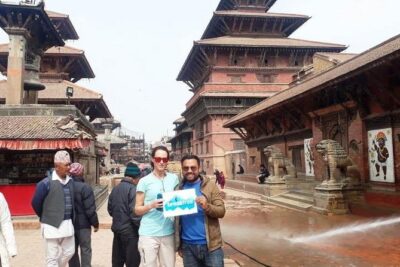
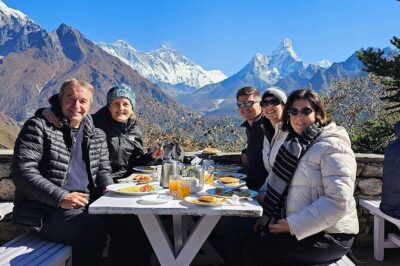
Day 2: Kathmandu → Pokhara, then lakeside downtime
You head early in the morning by tourist coach for the Kathmandu to Pokhara drive. The drive time listed is about 7 hours. Evening is built in for easy roaming around the Pokhara valley and lakeside.
I like this kind of “arrival decompression” day. It gives you time to settle, eat comfortably, and mentally prepare before you start the trek. You’ll also see the region shift from city pace to mountain pace.
Day 3: Pokhara → Jhinu Danda → Chhomrong → Sinuwa
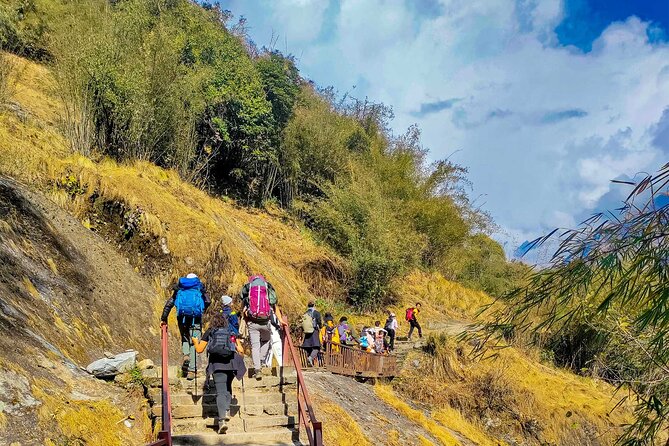
After breakfast, you ride to Jhinu Danda, where the trek truly begins. From there you trek up to Chhomrong and stop for lunch, then continue onward to lower Sinuwa and up to Upper Sinuwa for overnight.
This day is a classic “start strong, then respect the climb” mix. You’re moving into the Annapurna system, so your job is to keep a steady effort rather than sprinting for views. The rewards come as your altitude begins to feel real.
Day 4: Sinuwa area → Deurali guest house
Today’s walking goes through Bamboo, Dovan, and Himalaya before reaching Deurali for the night. You’re given about 6 hours for this segment.
This is the day when the trek starts to feel like trekking. The air can get cooler and the trail can feel longer than you expected. It’s also a good day to practice your altitude basics: go slow on uphills, take quick breaks, and don’t get tempted to overdo it just because you feel okay in the moment.
Day 5: Deurali → Annapurna Sanctuary → ABC (with MBC pass)
From Deurali, you start the main push toward Annapurna Base Camp. The route passes Machhapuchhre Base Camp (MBC) and the plan includes an overnight at ABC. The listed time is about 5 hours.
This is the day most people picture when they think of ABC. The atmosphere tends to shift at this point: you’re surrounded by the scale of the peaks, and you’ll feel how the day’s effort is paying off. It also helps that you’re not rushing straight through—an overnight gives you time to absorb the place in daylight and again later when conditions change.
Remember the earlier caution: base camp is basic. Facilities can be limited, so treat ABC as a mountain camp, not a hotel experience.
Day 6: ABC sunrise morning → back down to Bamboo
The plan is to wake early and see sunrise at the Annapurna range, then trek down to Bamboo. You’ll pass back through the areas you trekked earlier, including MBC and D(e)urali/Himalaya/Dovan sections. Overnight is at a hotel in Bamboo. The walking time listed is about 7 hours.
This is one of the best days to manage expectations. Downhills can feel easier on the lungs but harder on the knees and feet. Trekking poles (if you use them) help here. Also, sunrise days are emotional days—great photos, quiet moments, and that sense of finishing the hard part.
Day 7: Bamboo → Jhinu Danda → Pokhara
After breakfast, you trek down to Jhinu Danda, then take a vehicle ride to Pokhara for the night. The listed duration is about 8 hours.
This day is where you’ll likely appreciate the structure of having transport waiting. It turns the final walking effort into a clean exit rather than an open-ended scramble. Pokhara then becomes your recovery zone: warm showers, good food, and a bed that doesn’t feel like it’s balancing on a hillside.
Day 8: Pokhara → Kathmandu + farewell dinner in Thamel
You return to Kathmandu by tourist coach early in the morning, with an evening plan. There’s a farewell dinner in Thamel, which is a helpful final touch because it’s a known hub for visitors and travel services.
This is also a good day for organizing gear and relaxing muscles. If you’re the type who likes to compare photos, swap notes with your group, and run through the hardest sections while everything is still fresh—this is the day.
Day 9: Departure day
Then it’s home time. The key thing for your planning: keep buffer time for altitude and travel fatigue, because after a trek like this you’ll want a smooth end, not a rushed one.
Tea houses, meals, and why food matters more than you think
Your trek includes tea-house breakfasts and trekking-day meals. The package lists:
- Tea house with breakfast
- Lunch and dinner on trekking days, plus lunch as noted as part of the day flow
Meals in Kathmandu and Pokhara are not included, so you’ll have more freedom there. I think this is a good compromise: you get the predictability during the mountain days, then more choice once you’re back in town.
Tea houses can feel cozy, and in the Annapurna region they’re also practical. They provide a warm place to sit, drink something hot, and reset between sections of trail. On days when the weather turns, that warm pause can be the difference between enjoying your trek and just surviving it.
Guides make the difference: Milan, Tony, Akal, Jiban, Bisho
A trekking guide is more than a walking companion. It’s route knowledge, pacing, and safety awareness in changing mountain conditions.
The feedback associated with this trekking company highlights a consistent theme: guides are friendly, professional, and focused on the group. Names that come up include Milan, Tony, Akal, Jiban, and Bisho. Porters and team members are also mentioned (for example, Ram, and a team described as Tyson and Anuz), which matters because porter support helps keep the load manageable so you can focus on your own breathing.
One of the best signs is when safety shows up as a priority, not an afterthought. You’ll also benefit from the guide’s cultural and practical knowledge—how to handle the trail, how tea-house life works, and how to make smart choices when conditions change.
Optional upgrades you might consider
You can customize the trek, including flying to/from Pokhara to reduce the overall itinerary by 2 days. Some groups also discuss adding helicopter options near the end. Those are not automatically included in the standard plan, but they’re examples of how flexible this trek can become if weather or schedules matter.
Value for $900: what you’re really paying for
At $900 per person, the key value isn’t just the trek itself. It’s the bundle of essentials you’d otherwise have to coordinate:
- Trekking guide
- Trekking permit and local taxes
- Tea-house breakfast and included trekking-day meals (lunch and dinner across trekking days as described)
- Kathmandu ↔ Pokhara by tourist coach
- Pokhara ↔ Jhinu Danda via public vehicle as listed
- Pickup on arrival and private group operation
What’s not included is also important:
- Nepal visa fees
- Alcohol
- Meals in Kathmandu and Pokhara
So the price feels reasonable if you like having the moving parts handled—transport timing, permits, and daily meal structure. It’s less about luxury and more about removing friction so you can put your energy into the trail.
Also note the pace of cost versus effort: this is a 9-day trek with multiple hiking days and an overnight at base camp. When you compare it to the true costs of self-organizing guides/permits/transport, the built-in structure can feel like good value.
Weather, fitness, and gear: don’t guess—prepare
This trek is described as better suited for people with moderate physical fitness. The route is called easier and shorter than Everest Base Camp, but that doesn’t mean it’s casual. You’re still going up high, walking multiple days, and spending time at altitude where hydration and pacing matter.
Also, the experience requires good weather. If conditions are poor, there’s a chance the trek gets rescheduled (or you may get a full refund under the stated weather rule).
On the practical side, I’d treat this like a serious trek:
- Plan for cold mornings, especially on the sunrise morning
- Expect that base camp is basic and you may not get the same comfort levels as lower-elevation nights
- Bring layers that handle temperature swings and wet conditions
- Keep your hiking pace conservative so you don’t burn out early
Who this trek suits best
This Annapurna Base Camp trek fits best if you:
- Want a classic high-altitude trek without the longest Everest-style time commitment
- Prefer a guide-led approach where permits and routing are handled
- Like a mix of mountain views and village/tea-house life
- Have moderate fitness and are ready for steady daily walking
It can work well for couples and small groups because the tour is private for your group. People also mention family and friends enjoying it, though the key requirement remains moderate fitness and willingness to handle basic mountain accommodations at ABC.
A quick note on accessibility and special needs
Service animals are allowed, and the tour is near public transportation in the sense that you’re using public vehicle connections between Pokhara and the start point. If you have mobility concerns or need special arrangements, you’ll want to ask in advance because the core trek still involves hiking days.
Should you book this 9-day ABC trek with Adventure Vision Treks?
If you want the Annapurna Base Camp experience with fewer logistics headaches, I think this package is a strong choice. The best part is the structure: road access to Jhinu Danda, guided pacing, included permits and local taxes, and meal support during the trekking days. That’s the stuff that lets you enjoy the actual trail instead of managing details.
You should pause before booking if you know you’ll be upset by basic conditions at ABC or you’re not comfortable with a moderate fitness level requirement. Also, if your calendar is tight and weather is a concern, build in flexibility.
Overall, this trek is for people who want the peaks and the journey—not a luxury vacation. If that’s your style, Adventure Vision Treks looks like a solid way to reach Annapurna Base Camp with confidence and good support.
FAQ
What’s the duration and where does the trek start and end?
The experience is about 9 days. It starts in Kathmandu, includes transport to the trekking area via Pokhara and Jhinu Danda, and returns to Kathmandu by tourist coach.
Is pickup included, and do I travel only with my group?
Yes. Pickup is offered, including picking you up at the arrival international airport. It’s a private tour/activity, so only your group participates.
What’s included during the trek for meals?
Tea house breakfast is included. During trekking days, the package includes lunch and dinner (as described in the included meals). Meals in Kathmandu and Pokhara are not included.
How do you get between Kathmandu and Pokhara, and then to the trek start?
Kathmandu to Pokhara is by tourist coach both ways. Pokhara to Jhinu uses public available vehicle fare both ways.
Are permits covered?
Yes. The trekking permit and all local taxes are included.
Can I change the plan by flying to and from Pokhara?
The trek can be customized with options to fly to/from Pokhara, which can reduce the itinerary by 2 days.
What if weather is bad and the trek can’t run?
The experience requires good weather. If it’s canceled due to poor weather, you’ll be offered a different date or a full refund.
More Trekking Out of Kathmandu
More Tour Reviews in Kathmandu
Just Reviewed in Kathmandu
- Mountain Bike Tour
★ 5.0 · 3 reviews - Annapurna Panaroma
★ 5.0 · 3 reviews - Mount Everest Scenic Flight 50 Minutes
★ 5.0 · 3 reviews - Kathmandu : Swambhunath & Durbar Square Guided Half Day Tour
★ 3.3 · 3 reviews - Chandragiri Cable Car & Monkey Temple Tour – Private/Group
★ 5.0 · 3 reviews - Kathmandu: Shivapuri National Park Hiking Day Trip
★ 3.3 · 3 reviews
Annapurna Base Camp Treks, compared.
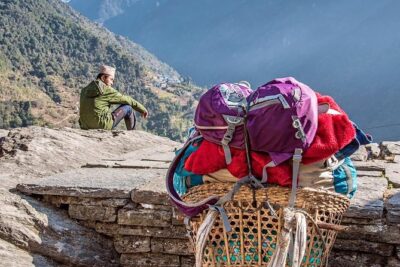 ★ 5.0Annapurna base camp trek 5 DaysFrom $699252 reviews
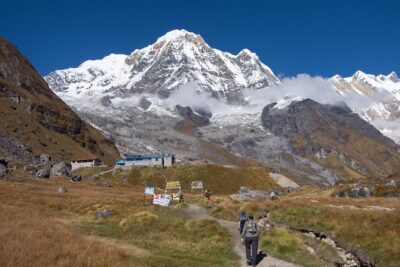 ★ 5.014-Day Private Annapurna Base Camp TrekFrom $1,090180 reviews
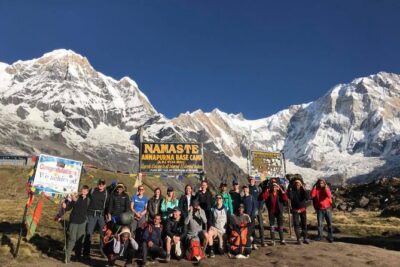 ★ 5.0Annapurna Base Camp TrekkingFrom $1,779116 reviews
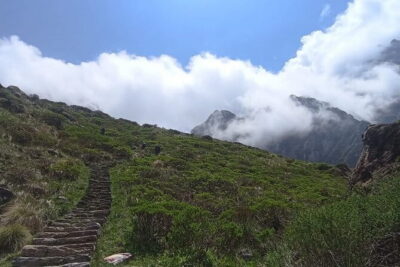 ★ 5.0Annapurna Base Camp TrekFrom $935111 reviews
★ 5.0Annapurna Base Camp TrekFrom $1,350107 reviews
★ 5.0Annapurna Base Camp TrekFrom $935111 reviews
★ 5.0Annapurna Base Camp TrekFrom $1,350107 reviews
 ★ 5.0Kathmandu to Annapurna Base Camp (ABC) 5-Day TrekFrom $99102 reviews
 ★ 5.0Annapurna Base Camp Trek- 11 DaysFrom $99990 reviews
 ★ 5.0Annapurna Base Camp Trek 12 DaysFrom $80085 reviews
Browse the lists this tour appears in