
Review · ANNAPURNA BASE CAMP TREKS
Annapurna Base Camp Trekking
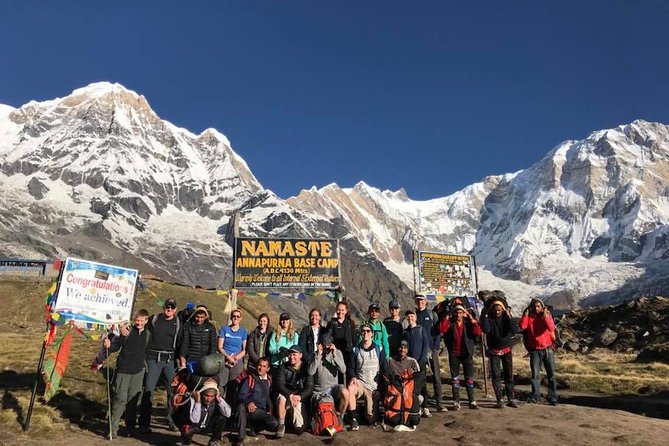
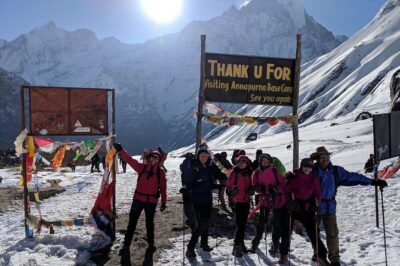
Your first view of the Himalaya hits fast. This 10-day Annapurna Base Camp trek is built for people with limited time but big dreams: you’ll travel from Kathmandu to Pokhara, walk through mountain villages and changing scenery, and then spend an overnight at a guesthouse at Annapurna Base Camp. I love the clear, structured pacing for a shorter ABC route, and I love how much is included on the trail—teahouse lodging and meals—so you’re not constantly managing logistics. One thing to think about: you’ll be at high altitude (up to 13,550 ft / 4,130 m), so it’s not a casual stroll, even if the physical fitness target is listed as moderate.
You’ll also see how the trip runs day to day thanks to a team that many past hikers credit by name. Owners and guides like Ashok, with guides such as Hari, Homprakash, Prakash/Prakesh, and Rai Badal, show up repeatedly in feedback, along with porters like Surendra, Durga, and Bobinda. If you’re spring-timing your vacation, this route has a specific bonus: the rhododendron forest can be in bloom.
Key takeaways before you go
- Overnight at Annapurna Base Camp: you get the real “we made it” moment, not just a quick pass-through.
- Teahouse comfort with meals included: easier planning when you don’t want to think about dinner every night.
- A real altitude target: reaching 13,550 ft / 4,130 m means slow, careful walking matters.
- Spring rhododendrons: if your dates line up, the route can turn colorful.
- Human support is a theme: multiple guides/porters are repeatedly named for attentiveness and organization.
- Private group setup: it’s only your group, so the rhythm can feel more tailored.
In This Review
- Why This 10-Day Annapurna Base Camp Trek Fits Real Travel Schedules
- A spring-only bonus you should plan around
- One reality check
- Kathmandu Launchpad: 6:15 am Departure and Getting to the Trail
- Days 1–3: Pokhara, Nayapul, and the First Taste of Annapurna Trek Life
- Days 4–6: Chhomrong to Doban to Deurali (Altitude Starts to Matter)
- What you’ll likely notice by now
- Days 7–8: Reaching Annapurna Base Camp and Overnight at the Guesthouse
- Spring color tip, if it fits your dates
- Days 9–10: Jhinu Area, Then Pokhara Museum and the End of the Trek
- Teahouses, Meals, and One Food Note You Should Know
- Do the included meals remove stress?
- Price and Value: What $1,180 Covers for ABC (and What Doesn’t)
- Value check: who will feel it most?
- The Human Side: Ashok, Guides, and Porters Who Shape the Trek
- The good “small stuff”
- How Hard Is It, Really? Moderate Fitness Plus Real Altitude
- Should You Book This Annapurna Base Camp Trek?
- FAQ
- How long is the Annapurna Base Camp trek?
- What’s the highest altitude on this trek?
- Is this a private tour?
- What’s included in the price for meals and lodging?
- Do I need to bring a tent?
- Where do you meet at the start, and when does it begin?
- Does the trip include travel to Pokhara?
- Is it refundable if I cancel?
Why This 10-Day Annapurna Base Camp Trek Fits Real Travel Schedules
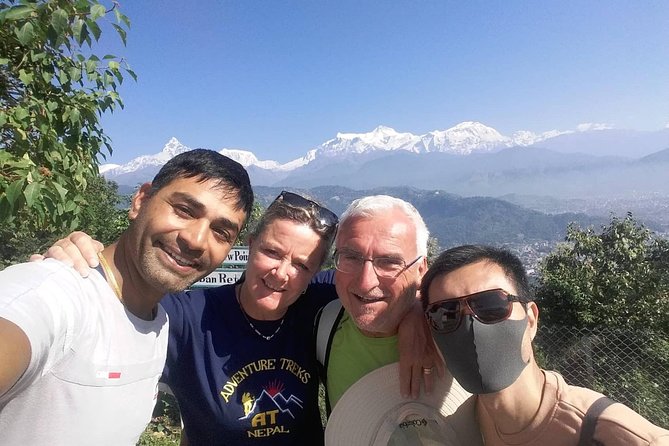
Annapurna Base Camp is one of those treks people talk about forever. The best part of this version is that it doesn’t demand an extra-long vacation to feel meaningful. In about 10 days, you’re moving through the Annapurna region in a way that’s long enough for variety and acclimatization, but short enough that you’re not stuck in transit for your whole trip.
What “shorter” really means in practice here is that the days are designed to keep you progressing—so you can focus on the walking, the views, and the daily rhythm of teahouse life. The route also gives you that classic ABC payoff: an overnight at base camp, plus multiple nights in mountain guesthouses along the way.
More trails out of Kathmandu, boots ready
- Everest Base Camp Trek – 14 Days★ 5.0 · 1,499 reviews
- Everest Base Camp Trek★ 5.0 · 842 reviews
- Everest Base Camp Trekking★ 5.0 · 485 reviews
- Nagarkot Sunrise View and Day Hiking from Kathmandu★ 5.0 · 471 reviews
A spring-only bonus you should plan around
If you’re going in spring, you’re specifically in the window for rhododendron forest in bloom. That matters because it’s not just a scenery checkbox. It changes the texture of the hike—more color, more “alive” surroundings—and it’s also a reason many people love doing this trek at the right time instead of chasing it at random.
One reality check
This trek reaches 4,130 m (13,550 ft). Even if you’re healthy, altitude can slow you down. You’ll want to treat the climb like part of the experience, not something to rush.
Kathmandu Launchpad: 6:15 am Departure and Getting to the Trail
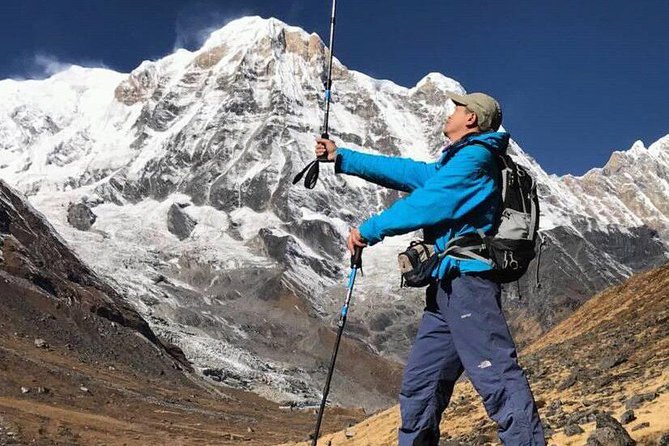
The trip starts in Kathmandu at Destination Unlimited Treks (Thamel Rd, Kathmandu 44600). Your start time is 6:15 am, and the location is noted as near public transportation—useful if you’re building your own Kathmandu couple of days and don’t want to spend time figuring out where you’ll meet.
On Day 1, you fly to Pokhara, then drive to Nayapul. That matters more than it sounds. You’re trading an extra day of slow road travel for a faster hop into trekking territory. It also helps if you want to avoid arriving in Nepal already tired from hours of transfers.
If you like structure, you’ll likely appreciate that the tour is listed as a private tour/activity. Only your group participates, so you’re not stuck in a giant mixed group where pacing and decisions get harder.
Days 1–3: Pokhara, Nayapul, and the First Taste of Annapurna Trek Life
Here’s how the trek eases you in.
Day 1 has you airborne to Pokhara and then into the trekking corridor via Nayapul. The day’s listed around 6 hours, and it’s basically your runway into mountain walking. You don’t want to overthink Day 1. Think of it as: arrive, move, settle, and get your body into “hiking mode.”
Day 2 brings you to Poon Hill, then you trek to Ghorepani (around 6 hours). This is the classic early-days feel: you’ll gain elevation gradually, you’ll start seeing more mountain faces in your peripheral vision, and teahouses become part of your routine.
Day 3 takes you toward Machhapuchhare Base Camp, ending in Tadapani (around 7 hours). This is a step up in time. If you tend to go out fast and then pay for it, Day 3 is where you’ll learn the value of steady breathing and even steps. You’ll be building the rhythm you’ll need later at higher elevations.
Days 4–6: Chhomrong to Doban to Deurali (Altitude Starts to Matter)
As you move deeper, the walking becomes more about managing effort than chasing distance.
Day 4: trek to Chhomrong (about 6 hours). Chhomrong is often a key stopping point on ABC routes, and the name here is your signal that you’re now properly inside the Annapurna trek zone—less “travel days,” more real hiking days.
Day 5: trek to Doban (about 6 hours). Doban is a quieter-sounding stop that fits what the trek is trying to do: keep you moving through changing terrain without throwing a huge challenge at you in one go.
Day 6: trek to Deurali (about 5 hours). That shorter time can feel like relief, but don’t let it trick you into overexerting. In mountain terrain, a “shorter” day can still feel harder if the air is thinner. Your goal here is simple: keep steady, keep drinking, and keep your energy for the next days.
What you’ll likely notice by now
These days align with what the trek promises in the overview: diverse scenery, plus culture and wildlife you may spot along the trail. Even when you’re not stopping for a “picture moment,” you’re watching how life works in mountain settlements and how the trail weaves through it.
Days 7–8: Reaching Annapurna Base Camp and Overnight at the Guesthouse
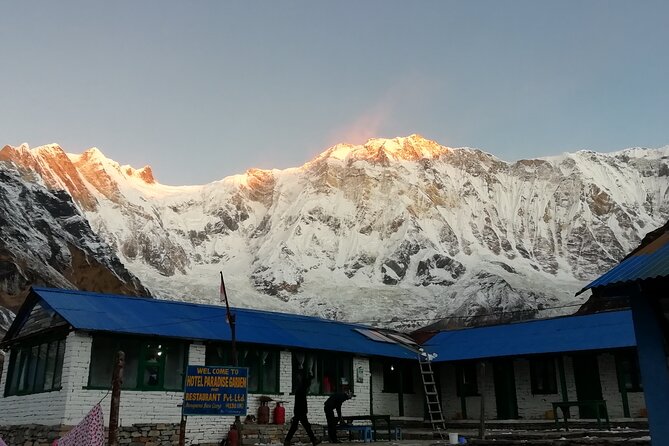
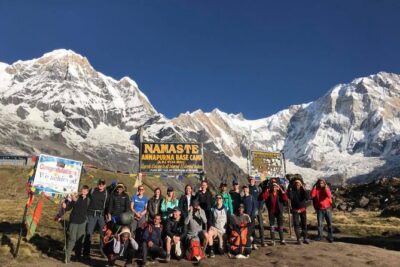
Day 7 is labeled ABC, and it’s about 5 hours. This is the day most people remember. Not because it’s the longest day, but because it’s the point where your “we’re trekking” story becomes “we’re there.” The trip also specifically includes overnight at a guesthouse at Annapurna Base Camp, which is a huge difference between a real ABC experience and a quick in-and-out.
Day 8: trek to Bamboo (about 6 hours). After base camp, the psychological shift matters. You’ve already reached the high point you planned for, so the day can feel more like recovery and enjoying the descent. Still, you’ll want to stay mindful on the trail. Descents can be tough on knees and ankles, even when the air feels better.
Spring color tip, if it fits your dates
If your timing is right, this is often when the “bloom” side of the route can become noticeable—especially when you’re walking through areas that are described as rhododendron forest in spring. It’s one of the small details that can make the trek feel like more than just altitude math.
Days 9–10: Jhinu Area, Then Pokhara Museum and the End of the Trek
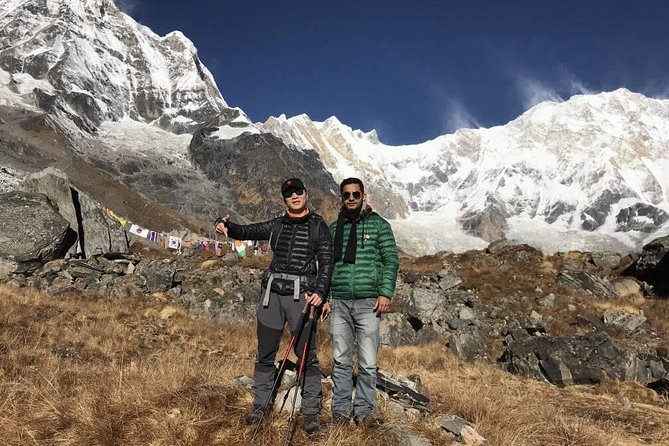
Day 9 trek to Jhinu (about 5 hours). It’s a shorter day, and that works well for the end-of-trek mood. You’ve done the hard part. Now it’s about getting to the finish with good energy.
Day 10 brings you to Pokhara Museum, then Pokhara itself (about 5 hours), and you’ll drive to your hotel afterward. I like that final-day structure. When you’ve spent days thinking only about the next bend in the trail, a museum stop gives your brain something else to do—without adding a huge new travel demand.
Teahouses, Meals, and One Food Note You Should Know
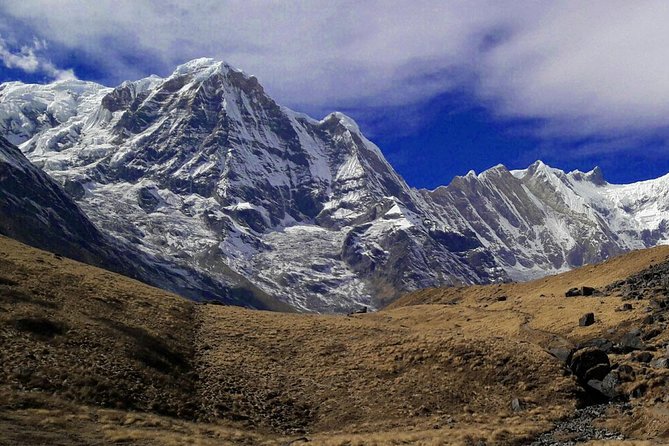
This trek is set up for teahouse accommodation along the way, and meals are included. The details listed are straightforward: 10 breakfasts, 10 lunches, and 9 dinners.
That said, one theme in feedback is that the food can be a bit basic. The practical takeaway: if you have strong preferences—specific diet needs, or just a higher bar for variety—plan to be flexible on the menu, or be ready for the possibility of paying extra for options beyond the standard offering (this is mentioned as a minor note in past feedback).
Do the included meals remove stress?
Yes. On a trek like this, the mental load matters. When lunch and dinner are planned, you spend less time scanning menus, negotiating your day, or trying to figure out what’s open. You’re free to focus on the trek itself.
Price and Value: What $1,180 Covers for ABC (and What Doesn’t)
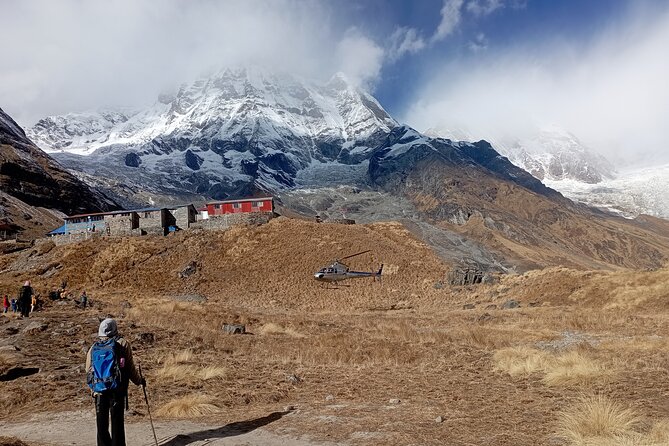
At $1,180 per person, you’re paying for a lot of what usually turns a trek into a project. Based on what’s listed, the big included components are teahouse lodging along the route and meals. It’s also a private experience, which often helps with smoother coordination.
The clear non-inclusion is tents. That’s normal for an ABC trek designed around teahouses, but it’s important if you were imagining a more wilderness-camping style trip. If you’re staying in guesthouses, you don’t need your own tent setup for this experience.
Value check: who will feel it most?
If you want organized logistics, predictable daily support, and less hassle deciding where to sleep and what to eat, the price starts to make sense quickly. If you’re the kind of traveler who loves doing everything on your own to save money, you might see this as paying for convenience—but it’s convenience with real planning behind it.
The Human Side: Ashok, Guides, and Porters Who Shape the Trek
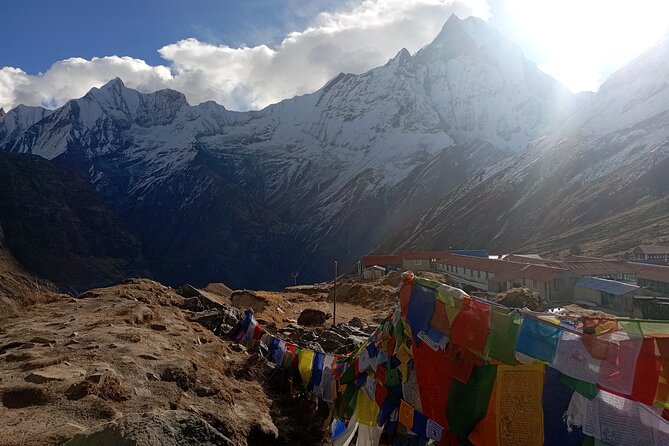
One of the most consistent patterns in feedback is the attention from the company’s team. The owner Ashok is named repeatedly for being responsive and planning trips carefully. For many hikers, that early communication sets the tone because you know where to meet, when to start, and what the plan looks like.
Guides that show up in feedback include Hari, Homprakash, Prakash/Prakesh, and Rai Badal. Porters named include Surendra, Durga, and Bobinda. I’m not listing names just for fun; it matters because a trek’s success often depends on how people handle small moments—wrong turns avoided, pace adjusted, questions answered fast.
The good “small stuff”
Some past hikers highlight practical support like airport pickup and smooth transfer timing into Pokhara. Others mention a farewell dinner with dancing, which is not a mountain survival skill, but it’s a nice sign the team tries to make the whole experience feel complete—not just “walk, sleep, repeat.”
How Hard Is It, Really? Moderate Fitness Plus Real Altitude
The guidance here says you should have a moderate physical fitness level. That’s honest, but it doesn’t mean easy. The trek climbs to 13,550 ft / 4,130 m, so your success depends on pacing more than brute effort.
Here’s the approach I’d use if you want this trek to feel enjoyable:
- Walk steadily and don’t compete with your own ego.
- Treat shorter days (like the ones listed around 5 hours) as an opportunity to recover, not to sprint.
- Expect your breathing to change as you climb.
Because you’re reaching a high point, you should also be ready for the fact that some days may feel harder than their hour estimates once altitude and terrain stack up.
Should You Book This Annapurna Base Camp Trek?
I’d book this if you want an organized 10-day ABC that includes the key stuff that usually costs time and decision-making: teahouse accommodation and meals, plus the big milestone of overnight at Annapurna Base Camp. The private format, the strong track record (including a 4.9 rating and 100% recommended summary), and the repeated praise for guides and porters are also good signals.
I’d pause before booking if you know you’re very strict about food variety, or if you’re sensitive to altitude and aren’t ready to slow your pace. Also note the practical limitation: you’re not bringing tents, so you should be comfortable with the teahouse/guesthouse style of trekking.
If your dates line up with spring, this trek becomes even more interesting thanks to the rhododendron forest in bloom. That’s one reason to match your trek to your calendar instead of just grabbing the next available week.
FAQ
How long is the Annapurna Base Camp trek?
The trek is listed as 10 days (approx.), following a Day 1 through Day 10 schedule.
What’s the highest altitude on this trek?
The highest point listed is 13,550 ft (4,130 m).
Is this a private tour?
Yes. It’s described as a private tour/activity, meaning only your group participates.
What’s included in the price for meals and lodging?
The trip includes teahouse accommodation along the way and meals, with 10 breakfasts, 10 lunches, and 9 dinners listed.
Do I need to bring a tent?
No. Tents are not included, and this style of trek is set up around guesthouses/teahouses rather than camping.
Where do you meet at the start, and when does it begin?
The start meeting point is Destination Unlimited Treks : Trekking in Nepal, Thamel Rd, Kathmandu 44600, Nepal. The start time is 6:15 am.
Does the trip include travel to Pokhara?
Yes. Day 1 includes a morning flight to Pokhara and then a drive to Nayapul. After trekking, you’ll be driven to your hotel in Pokhara.
Is it refundable if I cancel?
No. The experience is listed as non-refundable and cannot be changed for any reason.
More Trekking Out of Kathmandu
More Tour Reviews in Kathmandu
Just Reviewed in Kathmandu
- Mountain Bike Tour
★ 5.0 · 3 reviews - Annapurna Panaroma
★ 5.0 · 3 reviews - Mount Everest Scenic Flight 50 Minutes
★ 5.0 · 3 reviews - Kathmandu : Swambhunath & Durbar Square Guided Half Day Tour
★ 3.3 · 3 reviews - Chandragiri Cable Car & Monkey Temple Tour – Private/Group
★ 5.0 · 3 reviews - Kathmandu: Shivapuri National Park Hiking Day Trip
★ 3.3 · 3 reviews
Annapurna Base Camp Treks, compared.
 ★ 5.0Annapurna base camp trek 5 DaysFrom $699252 reviews
 ★ 5.014-Day Private Annapurna Base Camp TrekFrom $1,090180 reviews
 ★ 5.0Annapurna Base Camp TrekkingFrom $1,779116 reviews
 ★ 5.0Annapurna Base Camp TrekFrom $935111 reviews
★ 5.0Annapurna Base Camp TrekFrom $1,350107 reviews
★ 5.0Annapurna Base Camp TrekFrom $935111 reviews
★ 5.0Annapurna Base Camp TrekFrom $1,350107 reviews
 ★ 5.0Kathmandu to Annapurna Base Camp (ABC) 5-Day TrekFrom $99102 reviews
 ★ 5.0Annapurna Base Camp Trek- 11 DaysFrom $99990 reviews
 ★ 5.0Annapurna Base Camp Trek 12 DaysFrom $80085 reviews
Browse the lists this tour appears in