
Review · ANNAPURNA BASE CAMP TREKS
Annapurna Base Camp Trekking
That first altitude jump feels huge. This 12-day Annapurna Base Camp trek from Kathmandu mixes classic scenery with organized logistics, so you spend less time guessing and more time walking and looking up at big peaks. You’ll also get the fun add-on of Poon Hill sunrise before the main ABC climb, which changes how the trek feels from day to day.
What I like most is the human support. You travel with a licensed English-speaking guide plus a porter (one porter for two trekkers), and it shows in how smoothly the route and pacing get managed, including safety at higher elevations. In at least one experience from a previous group, the guide Avi and porter Robin were praised for being patient and careful, especially when the pace had to match the group.
One drawback to plan for: the price covers a lot, but it does not include meals on the trek or lodging in Kathmandu and Pokhara. If you’re hoping for fully catered convenience end-to-end, you’ll need to budget for breakfast, lunch, and dinner (and some extras like cold drinks), and that can affect your final trip cost.
In This Review
- Key Things to Know Before You Go
- Kathmandu to the Trekline: Why This Route Works
- Price and Logistics: What You’re Really Paying For
- Getting Ready in Kathmandu: Pickup, Pre-Trip Meeting, and Day 1 Reality
- The Pokhara Step: From City Ease to Trek Focus
- Hitting the Trail Near Nayapul: Ulleri, Ghorepani, and the Poon Hill Moment
- Climbing Toward Deurali: Tadapani, Chuile, and Sinuwa’s Rhythm
- Machhapuchhre Base Camp and the Road to Annapurna Base Camp at 4,130m
- Bamboo, Jhinu Danda, and the Hot Spring Reset
- The Final Leg Back to Pokhara and Kathmandu
- Gear and Comfort: What’s Included, What You’ll Need, and How to Pack Smart
- Guide and Porter Support: The Real Quality Marker
- Who This Trek Fits Best (and Who Might Want Another Plan)
- Should You Book This Annapurna Base Camp Trek?
- FAQ
- How long is the Annapurna Base Camp trek on this package?
- What transfers are included between Kathmandu and Pokhara?
- Are permits included for the Annapurna region?
- What trek gear is provided?
- Do you use tea houses during the trek?
- Are meals during the trek included?
- Is free cancellation available?
Key Things to Know Before You Go
- Poon Hill sunrise + Annapurna Base Camp in one single run: great if you want big-view payoff twice.
- Permits and government fees included (TIMS + Annapurna Conservation Area Permit), so you avoid permit chasing.
- Gear support for the trek: duffle bag, sleeping bag, and a down jacket are included for use during the walk.
- Tea house accommodations along the trek: you get a realistic, local-feeling travel setup without booking every bed yourself.
- Transfers handled: bus Kathmandu–Pokhara (round-trip) plus private transfers to your trail start and back again.
- Moderate fitness is the expectation: this is not a couch-to-peak sprint, but it is structured enough for careful trekkers.
More trails out of Kathmandu, boots ready
- Everest Base Camp Trek – 14 Days★ 5.0 · 1,499 reviews
- Everest Base Camp Trek★ 5.0 · 842 reviews
- Everest Base Camp Trekking★ 5.0 · 485 reviews
- Nagarkot Sunrise View and Day Hiking from Kathmandu★ 5.0 · 471 reviews
Kathmandu to the Trekline: Why This Route Works
The Annapurna Base Camp trail is famous for a reason, but it can also be intimidating if you’re trying to build logistics on your own. This plan is designed to do the heavy lifting: pickup offered, a pre-trip meeting with your trek leader, government permits handled, and transport arranged between the major hubs.
The big value here is timing and flow. You’re not just dropped somewhere and told good luck. You get a Kathmandu start, then a Pokhara base, then a taxi/private transfer toward the trek start point, followed by days on the trail with tea house stays and a guide to keep you on-route.
And the included early highlight matters more than people think. Getting Poon Hill into the trip means you earn a dramatic sunrise payoff early, then you transition into the longer grind toward ABC with momentum instead of starting the hardest part immediately.
Price and Logistics: What You’re Really Paying For
At $749.90 per person, this is not a “barebones” trek. Your money mostly goes to people, permits, and organization. Here’s what you should treat as covered, based on what’s included:
- Round-trip Kathmandu ↔ Pokhara transfers in tourist bus
- Private transfers to the trek starting and ending points
- A licensed professional English-speaking trekking guide
- A porter (not for a solo traveler, and listed as 1 porter for two trekkers)
- TIMS and Annapurna Conservation Area Permit
- Tea house accommodations along the trek
- Trek gear support: duffle bag, sleeping bag, and down jacket (plus a first aid kit in the package)
- Staff costs and logistics (salary, food, equipment, insurance, transport)
- Map, trip achievement certificate, and a T-shirt
What’s not included is where your final budget can shift:
- Food during the trek (breakfast, lunch, dinner)
- Cold drinks and similar extras
- Kathmandu and Pokhara accommodation
- A porter for a solo traveler
So the smartest way to think about the price is this: you’re paying for smoother logistics, permit handling, and a guided hiking experience with shared porter support. If you’re already planning to cover meals and separate hotels, this is a solid deal. If you want everything fully bundled, you’ll need to add more spending.
Getting Ready in Kathmandu: Pickup, Pre-Trip Meeting, and Day 1 Reality
Your first day is straightforward. You arrive in Kathmandu, get met by a representative, and transferred to your hotel. Later, you meet your trek leader at a pre-trip meeting, which is a big deal on a trek like ABC where pacing, altitude awareness, and gear choices can make or break your comfort.
Also note the start time is listed as 6:00 am for the experience. That tells you the operation runs on early mornings, which is normal in trekking country. It’s a good sign for sunrise days, but it also means you should plan for an early wake-up routine without complaining into your coffee.
Kathmandu accommodation isn’t included, so you’ll want to book a hotel that’s easy to reach for pickup and meeting points. Keep that practical.
The Pokhara Step: From City Ease to Trek Focus
You’ll transfer from Kathmandu to Pokhara by tourist bus, and the trek setup continues from there. Pokhara Lakeside is the staging area, and it helps to have a few days of softer city life before the trail.
A helpful detail: this trek includes round-trip bus transfers between Kathmandu and Pokhara, and you’ll also see your return journey later after the trek finishes. That matters because it keeps you from having to juggle a last-minute transport scramble when you’re tired and your legs are done.
One thing to remember: Pokhara lodging isn’t included. If you want a comfortable night after arrival, budget for a hotel there too, or choose a place close to where your bus drops you so you don’t waste time.
Hitting the Trail Near Nayapul: Ulleri, Ghorepani, and the Poon Hill Moment
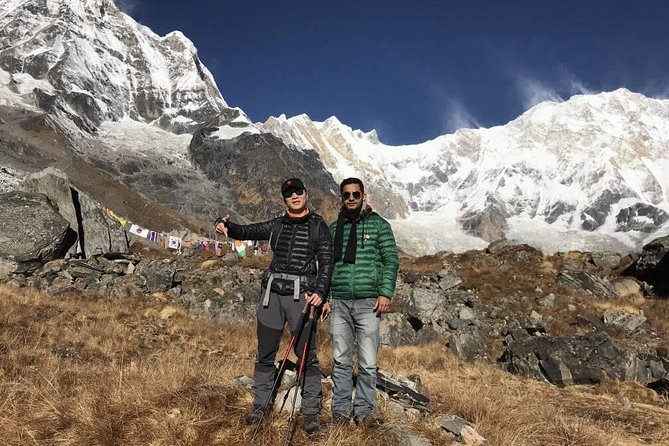
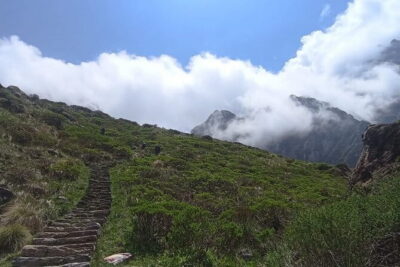
The trekking path starts from the Pokhara region and connects into the classic Annapurna view corridor. The route runs through a series of village stops and altitudes that gradually raise your breathing rate without feeling like instant punishment.
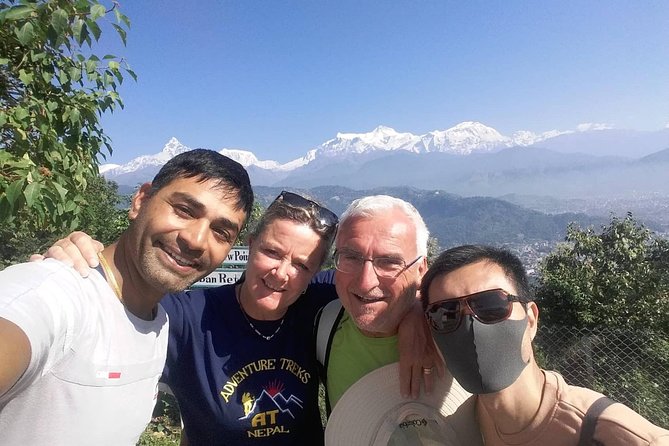
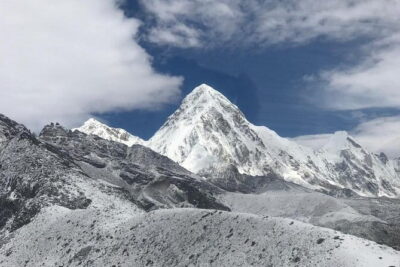
You’ll pass through places like Ulleri and arrive at Ghorepani, a well-known high point for trekkers because it sets you up perfectly for sunrise views. Then you’ll do the big early morning hike to Poon Hill (listed at 3,210m), which is famous for panoramic mountain sightlines.
Why this segment is worth doing even if you’re mainly chasing ABC: the Poon Hill sunrise gives you a mental boost. After that, you move into the deeper sanctuary terrain toward higher altitudes with less dread and more readiness.
Practical consideration: sunrise treks mean pre-dawn starts and cold air. Even if you’re physically fine, getting cold can make you feel worse. The good news is your trip includes a down jacket for use during the trek, which helps with comfort during early hours.
Climbing Toward Deurali: Tadapani, Chuile, and Sinuwa’s Rhythm
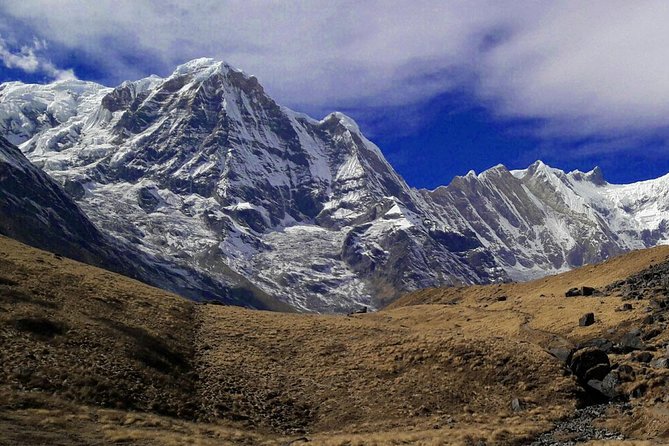
After the Poon Hill day, the trail shifts from view-chasing to steady movement. You go through stops such as Tadapani and Chuile, then continue toward Sinuwa (listed around 2,340m–2,360m depending on the specific stop). Sinuwa is a key midpoint on many ABC routes, and it’s also one of those places where your body starts understanding what “altitude time” feels like.
This part of the walk matters because it builds your acclimatization rhythm. You’re not just going up in a straight line. You’re moving through villages and terrain at a pace where a good guide can adjust for the group.
Then comes Deurali. The schedule describes trek segments reaching toward higher points (listed as around 2,890m), and the route sets you up to push toward base camp the next stretch. It’s a crucial transition: your hikes are no longer just “walking days,” they become the days that decide how confident you feel on the final ascent.
Machhapuchhre Base Camp and the Road to Annapurna Base Camp at 4,130m
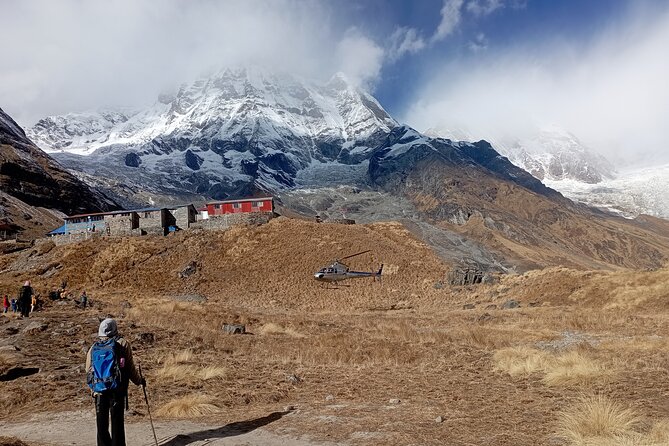
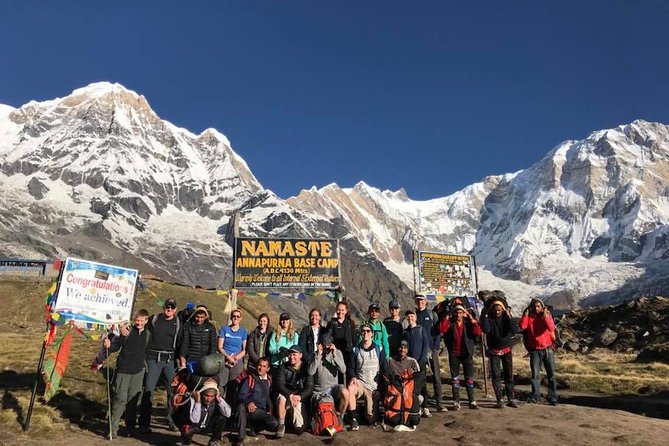
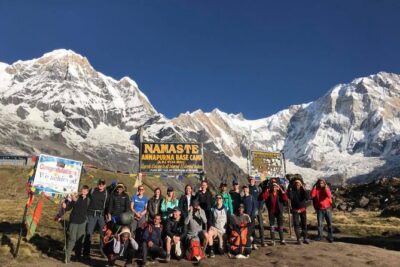
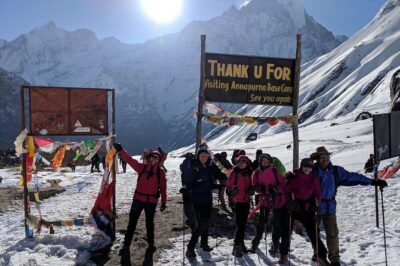
The day you reach Annapurna Base Camp (ABC) is the centerpiece. ABC is listed at 4,130m, and the route approaches it after moving through Machhapuchhre Base Camp (MBC), listed at about 3,700m.
This approach is important. Stopping at Machhapuchhre Base Camp gives you a higher-altitude waypoint before the final push. Even if the distance isn’t huge, that staging helps you mentally and physically prepare for ABC.
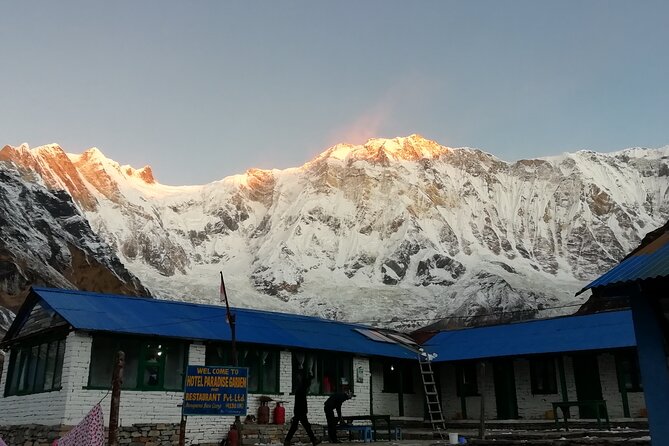
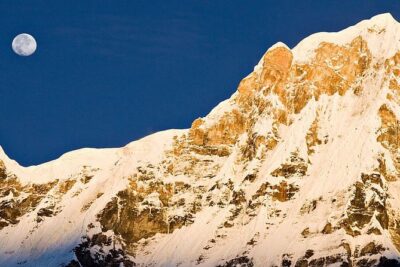
At ABC, expect the trail to feel intense but rewarding. You’re surrounded by major peaks in the Annapurna region, and that is exactly the kind of payoff that makes the earlier village walks feel worth it. The altitude also means you’ll want to take it slow, drink water, and keep your breathing steady. This is where having a licensed guide and porter support really earns its keep, because a good team helps you pace and respond if someone needs extra time.
Also, your down jacket and sleeping bag being provided can matter here. Base camp days can get cold quickly, and even if you spend time in the tea house afterward, you want to have your warmth covered.
Bamboo, Jhinu Danda, and the Hot Spring Reset
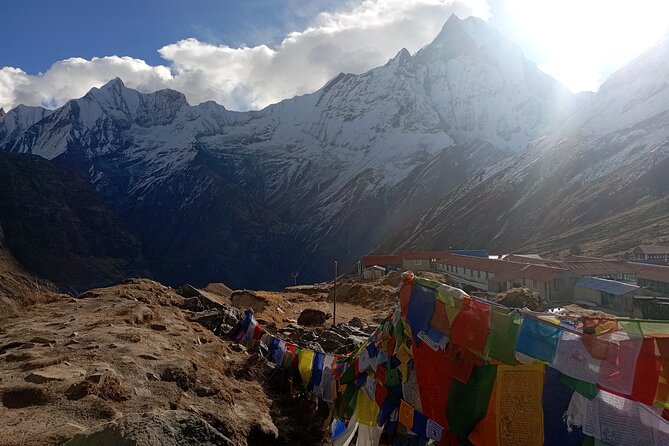
The return route focuses on descending and recovering, which is just as important as climbing. After ABC, you descend to Bamboo (listed around 2,350m) on the schedule. That drop is big, but it’s also where some trekkers feel relief: your legs start understanding that you can move without grinding upward.
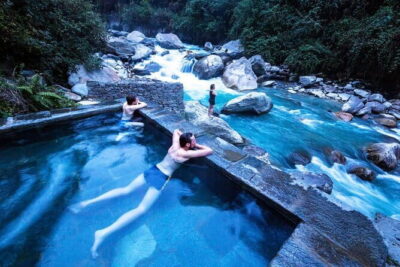
Then you continue down to Jhinu Danda (listed at 1,780m). Jhinu Danda is known for natural hot springs, and the tour includes time there. Your tired muscles will appreciate it. Even if you don’t soak for long, stepping into warm water after days of trekking is one of those simple comforts you’ll remember.
Important cost note: the hot spring entry is listed as not included. So if you want to use the hot springs, plan on paying that separately on the ground.
The Final Leg Back to Pokhara and Kathmandu
After Jhinu Danda, you trek to Siwa or Ghandruk Phedi depending on the route choice mentioned, then finish the walking portion and move back to Pokhara. From there, you drive to Kathmandu, with the schedule describing a road trip covering about 200 km.
Your final day is a straightforward airport transfer. If you’ve ever done a trek before, you know the end can feel anticlimactic. This setup avoids that by bringing you back through organized transport and letting you recover with a real bed and shower after your last trek day.
Gear and Comfort: What’s Included, What You’ll Need, and How to Pack Smart
This trek includes a duffle bag, sleeping bag, and down jacket for use during the trek, plus a first aid kit in the package. For trekkers who don’t want to rent or buy winter gear in Nepal, that’s a real advantage.
But you should still think like a practical hiker. The included gear covers big essentials for cold nights, but you’ll want to bring your own personal items, such as water containers, sun protection, and layers for daytime. On Annapurna, you can feel chilly in the morning and warm mid-day, so layering beats one bulky outfit.
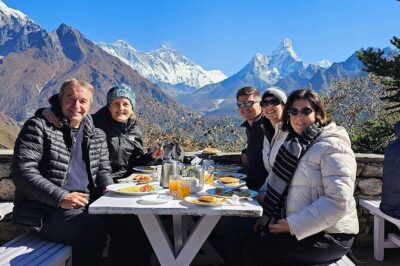
Also keep an eye on hydration and snacks. Since trek meals are not included, you’ll likely purchase at tea houses. That can be convenient because you can choose your timing, but it does mean you should have a plan for what you’ll eat and when, especially on colder mornings.
Guide and Porter Support: The Real Quality Marker
On paper, the trek is a route. In practice, it’s the team moving you through that route. This plan includes:
- A licensed English-speaking trekking guide
- A porter listed as 1 porter for two trekkers
- Staff support for salaries, food, equipment, insurance, and transport
That “for two trekkers” detail can shape your packing strategy. You’ll want to put weight where it belongs and avoid overstuffing your own day pack. The lighter you keep your carry, the easier it is to maintain steady breathing on the climbs.
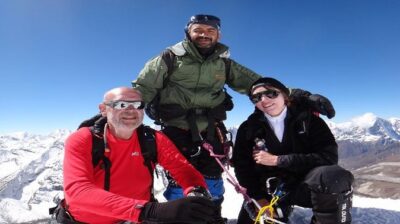
From prior experience highlighted in the information you provided, guide Avi and porter Robin were recognized for being patient and focused on safety and a good experience. That’s exactly what you want from a guide team: calm decision-making when conditions change, and the ability to keep you comfortable without rushing.
Who This Trek Fits Best (and Who Might Want Another Plan)
This trek is a good match if you:
- Want a guided Annapurna Base Camp trek without building permits and logistics yourself
- Like the idea of combining Poon Hill sunrise with ABC
- Appreciate tea house trekking that feels local but still organized
- Have moderate physical fitness and want a plan that supports acclimatization
It may not be the best fit if you:
- Need full meal and city-lodging coverage included in the price
- Are a solo traveler (because porter support is explicitly listed as not included for solo)
Should You Book This Annapurna Base Camp Trek?
I’d book this if you want an organized ABC experience with permits handled, gear provided for warmth, and guide/porter support that keeps you safer and more comfortable. The price makes sense when you treat it as a logistics + guiding package, not just a “route ticket.”
I would hesitate if you hate planning your own food budget or if you strongly prefer that meals be included rather than purchased day by day. Also, because Kathmandu and Pokhara accommodation aren’t covered, you’ll need to handle at least part of your city stay planning.
If you’re okay budgeting for trek meals and bringing your own personal items, this looks like a solid way to do Annapurna with less stress and more time on the trail.
FAQ
How long is the Annapurna Base Camp trek on this package?
The trek is listed as 12 days (approx.).
What transfers are included between Kathmandu and Pokhara?
Round-trip transfer by tourist bus between Kathmandu and Pokhara is included, along with private transfers to the trek starting point and ending point.
Are permits included for the Annapurna region?
Yes. The package includes TIMS and an Annapurna Conservation Area Permit.
What trek gear is provided?
The package includes a duffle bag, sleeping bag, and down jacket for use during the trek, plus a first aid kit.
Do you use tea houses during the trek?
Yes. The plan includes tea house accommodations along the trek.
Are meals during the trek included?
No. Food during the trek (breakfast, lunch, and dinner) is listed as not included.
Is free cancellation available?
Yes. You can cancel for a full refund up to 24 hours in advance of the experience start time.
More Trekking Out of Kathmandu
More Tour Reviews in Kathmandu
Just Reviewed in Kathmandu
- Mountain Bike Tour
★ 5.0 · 3 reviews - Annapurna Panaroma
★ 5.0 · 3 reviews - Mount Everest Scenic Flight 50 Minutes
★ 5.0 · 3 reviews - Kathmandu : Swambhunath & Durbar Square Guided Half Day Tour
★ 3.3 · 3 reviews - Chandragiri Cable Car & Monkey Temple Tour – Private/Group
★ 5.0 · 3 reviews - Kathmandu: Shivapuri National Park Hiking Day Trip
★ 3.3 · 3 reviews
Annapurna Base Camp Treks, compared.
 ★ 5.0Annapurna base camp trek 5 DaysFrom $699252 reviews
 ★ 5.014-Day Private Annapurna Base Camp TrekFrom $1,090180 reviews
 ★ 5.0Annapurna Base Camp TrekkingFrom $1,779116 reviews
 ★ 5.0Annapurna Base Camp TrekFrom $935111 reviews
★ 5.0Annapurna Base Camp TrekFrom $1,350107 reviews
★ 5.0Annapurna Base Camp TrekFrom $935111 reviews
★ 5.0Annapurna Base Camp TrekFrom $1,350107 reviews
 ★ 5.0Kathmandu to Annapurna Base Camp (ABC) 5-Day TrekFrom $99102 reviews
 ★ 5.0Annapurna Base Camp Trek- 11 DaysFrom $99990 reviews
 ★ 5.0Annapurna Base Camp Trek 12 DaysFrom $80085 reviews
Browse the lists this tour appears in