
That thin-air challenge is real. This Annapurna Base Camp trek mixes big mountain days with comfy support. I like that the trip includes essential permits and lodge meals, so you spend more energy hiking and less energy figuring things out. You also get a guide who can keep the pace sane, and in past trips people praised that kind of care from guides like Suman, Roman, Rabin, and Suresh.
Here’s the trade-off: you’re climbing to 3700m at Annapurna Base Camp and up to 4130m at Machhapuchhre Base Camp, so even if the trekking is “manageable,” it won’t feel like a walk in the park. If you’re new to altitude, plan to walk slower than you think you should.
In This Review
- Key Highlights to Know Before You Go
- 6:45 am Start and the Kathmandu–Pokhara Transit Plan
- Two Nights in Pokhara: Your Buffer Day That Actually Helps
- Day 2 to Ulleri: The First Proper Climb (and Village Life)
- Day 3 to Ghorepani: 2880m and the Rhythm You’ll Reuse
- Day 4: Poon Hill (3210m) for Views, Then Tadapani (2630m) for Recovery
- Day 5: Tadapani to Sinuwa (2340m) Means You Can Breathe Again
- Day 6: Sinuwa to Deurali (3230m) — Where the Air Gets Noticeable
- Day 7: Annapurna Base Camp (3700m) via Machhapuchhre Base Camp (4130m)
- Day 8: Base Camp to Bamboo (2345m) — The Descent That Feels Like Freedom
- Day 9: Bamboo to Jhinu Danda (1780m) and the Shared Jeep Back to Pokhara (822m)
- Day 10: Pokhara to Kathmandu by Tourist Deluxe Bus
- Lodges, Meals, and the Gear Bundle You Can Count On
- Guide Support: Why Names Like Rabin, Suman, and Suresh Keep Coming Up
- Price and Value: Is $999 Fair for What You Get?
- Fitness Level and Altitude Reality Check
- Who Should Book This Trek (and Who Might Want a Plan B)
- Should You Book Adventure Bound for Annapurna Base Camp?
- FAQ
- What time does the trek start?
- How do I travel between Kathmandu and Pokhara?
- Are permits included for the Annapurna Base Camp trek?
- What kind of accommodation is included?
- Are meals included while trekking?
- Is a guide included?
- Do I need to bring a sleeping bag and down jacket?
- Is a porter included?
Key Highlights to Know Before You Go
- Government-licensed guide support: past groups singled out guides like Roman, Suman, Rabin, and Suresh as being attentive and safety-minded.
- Gear is part of the package: sleeping bag and down jacket are included (and you can return them after the trek).
- A route that hits multiple wow moments: Poon Hill views, then Annapurna Base Camp, plus Machhapuchhre Base Camp on the way.
- Meals and lodge nights during the trek: 3 meals per day and lodge accommodation mean fewer logistics stress points.
- Built-in transport rhythm: tourist bus Kathmandu–Pokhara, taxi to the trail start, and a shared jeep back from Jhinu Danda.
More trails out of Kathmandu, boots ready
- Everest Base Camp Trek – 14 Days★ 5.0 · 1,499 reviews
- Everest Base Camp Trek★ 5.0 · 842 reviews
- Everest Base Camp Trekking★ 5.0 · 485 reviews
- Nagarkot Sunrise View and Day Hiking from Kathmandu★ 5.0 · 471 reviews
6:45 am Start and the Kathmandu–Pokhara Transit Plan
This trek starts early. The meeting time is 6:45 am, which matters because Kathmandu traffic can be chaotic and you want time buffer before the bus departs.
You’ll ride a Tourist Deluxe Bus from Kathmandu (1400m) to Pokhara (822m). That choice is practical: you’re not bouncing between transfers all day, and you arrive in Pokhara with enough energy to settle in for the next part.
Pickup is offered, too. In real life terms, that means you’re less likely to lose half a day hunting down meeting points after a flight.
Two Nights in Pokhara: Your Buffer Day That Actually Helps
After the bus ride, you get two nights in Pokhara in a standard category hotel. I’m a big fan of this kind of buffer before a mountain itinerary, because it gives you time to handle small stuff: getting oriented, checking what you need, and taking it easy before the first real ascent.
Pokhara is also your permit-and-trail staging area. The trek includes entry permits, so you’re not doing paperwork at the last second. Still, you’ll want to use this time to double-check your layers and water plan, because the high passes will punish sloppy prep.
Then the trek starts with a taxi ride from Pokhara to the trail entry point, so you don’t waste your first walking hours on extra road time.
Day 2 to Ulleri: The First Proper Climb (and Village Life)
Day 2 takes you from Birethanti (1263m) to Ulleri (1960m). It’s a classic “warm up by climbing” start—enough effort to set your breathing pattern, not so long that you’re destroyed before you’re properly in the trek.
Ulleri is the kind of village setting you’ll feel in your bones: stone steps, small tea houses, and the sense that you’re walking inside a community that’s used to trekkers. This is also where you learn the real tempo of Annapurna treks—steady steps, not speed.
A practical note: lodge trekking usually means you’ll have a consistent rhythm for meals, tea, and rest. The smoother that rhythm feels early on, the easier it is to manage the altitude later.
Day 3 to Ghorepani: 2880m and the Rhythm You’ll Reuse
Day 3 runs Ulleri (1960m) to Ghorepani (2880m). That’s a step up, and your body will notice. You’ll want to keep your pace controlled—especially if you’re the type who automatically speeds up when things are scenic.
Ghorepani at 2880m is where the trek starts to feel more “high trek” than “hike between villages.” You’ll still see local life, but you’ll also start feeling how the air gets thinner as you go higher.
If you’re traveling with others, this is a good day to align expectations. Past groups praised how guides adjusted to their pace, and on a trek like this, that can mean the difference between “hard but fun” and “why did we rush that climb.”
Day 4: Poon Hill (3210m) for Views, Then Tadapani (2630m) for Recovery
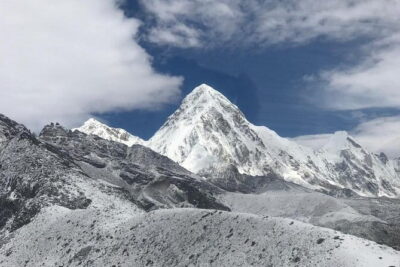
Day 4 is built around one of the trek’s biggest visual payoffs. You’ll go Ghorepani (2880m) to Poon Hill (3210m), then continue to Tadapani (2630m).
Poon Hill’s key value is simple: it’s high enough to give dramatic mountain views, but close enough that it fits into a day without needing an extra “destination summit” push. You’ll also get the rhythm change: a climb for the viewpoint, then a drop down to reset.
Tadapani is a relief stop. At 2630m, it’s a good height to spend the night while your body keeps adapting. This kind of alternation—up, payoff, then ease—helps the whole week feel more doable.
Day 5: Tadapani to Sinuwa (2340m) Means You Can Breathe Again
Day 5 runs Tadapani (2630m) to Sinuwa (2340m). This is a smart altitude pattern. You’re going higher in the overall trek, but you’re not climbing nonstop every day.
Sinuwa at 2340m gives you a chance to recover and keep your legs moving. You’ll likely feel better if you treat this day as “foundation work”: eat well, rest when you need to, and don’t underestimate how much energy you can lose to dehydration at lower altitudes too.
Day 6: Sinuwa to Deurali (3230m) — Where the Air Gets Noticeable
Day 6 goes Sinuwa (2340m) to Deurali (3230m). That jump is the kind that makes you slow down. Your steps may feel heavier even if the trail isn’t brutally steep.
This is also where a good guide earns their keep. Several past trips mentioned guides who were patient and attentive—qualities that matter most when you’re tired and your body is working harder than your mind wants to admit.
Deurali at 3230m sets you up for the biggest day of the itinerary. If the previous nights felt like “trek training,” tonight is the hinge.
Day 7: Annapurna Base Camp (3700m) via Machhapuchhre Base Camp (4130m)
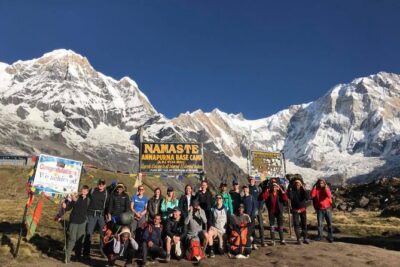
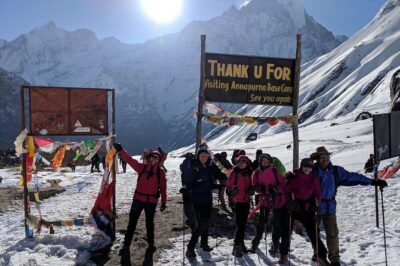
Day 7 is the main event: Deurali (3230m) to Annapurna Base Camp (3700m), traveling via Machhapuchhre Base Camp (4130m).
This is the part to take seriously. You’re hitting a high point at 4130m, then returning to 3700m at base camp. That means you’ll be breathing through the thick of it, not just peeking over a ridge.
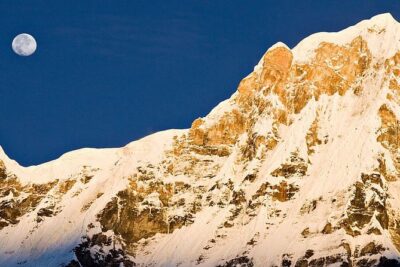
Why it’s worth it: Annapurna Base Camp sits in the heart of the Annapurna region’s drama. The trekking route also gives you a sense of scale. You don’t just “arrive”; you build to the moment as your surroundings expand.
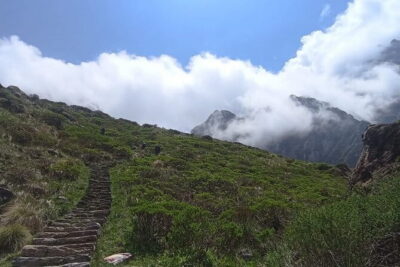
Also, weather can affect visibility. One set of trip notes mentioned cloudy conditions on many days, yet still described getting great moments of view. So don’t pin your hopes on perfect skies, but do plan to be patient and flexible.
Day 8: Base Camp to Bamboo (2345m) — The Descent That Feels Like Freedom
Day 8 takes you from Annapurna Base Camp (4130m) down to Bamboo (2345m). That’s a big height drop, and it changes everything about how your body feels.
The win: you get a reset from altitude pressure. The possible downside: descents can be hard on knees and shins. Bamboo is also where many trekkers appreciate the “steady comfort” of lodge nights and regular meals again—food matters more than you think when your body is repairing.
This is a day where your guide’s experience counts. Past groups praised guides for keeping everyone safe and comfortable, and good pacing on a descent is part of that.
Day 9: Bamboo to Jhinu Danda (1780m) and the Shared Jeep Back to Pokhara (822m)
Day 9 runs Bamboo to Jhinu Danda (1780m), then you drive back to Pokhara (822m) via a shared local jeep from Jhinu.
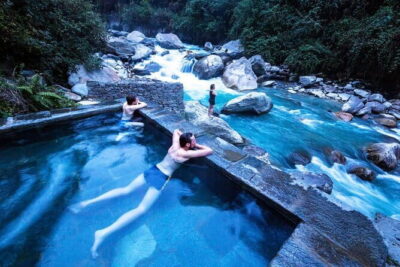
Dropping to 1780m is a major relief. Jhinu Danda is also the kind of stop that makes the trek feel complete: you’ve earned the lower elevation and the chance to truly relax after days of climbing and high-altitude strain.
The shared jeep return is included, which is one of those small logistics wins that can save you stress at the finish line. You’ll already be tired; you don’t need to negotiate transport while you’re exhausted.
Day 10: Pokhara to Kathmandu by Tourist Deluxe Bus
On Day 10, you take the Tourist Deluxe Bus from Pokhara (822m) back to Kathmandu (1400m). It’s a clean ending: you’re not adding extra hikes or forced detours on the last day.
This “straight home” style matters for value. A trek is physically expensive in energy and time, so a simple finish helps you recover faster once you’re back in the city.
Lodges, Meals, and the Gear Bundle You Can Count On
This trek includes lodge accommodation during the trek and 3 meals a day (breakfast, lunch, dinner). That’s a big deal on the Annapurna circuit style of trails, where the daily choices can otherwise become a hassle.
You’re also covered with a trekking map for the Annapurna Base Camp route. Even if you use your phone for navigation, having a map you can review in a lodge makes planning feel less random.
Gear is included in a smart way: a sleeping bag and a down jacket are provided, and you can return them after the trip. That’s the practical win for many travelers: you don’t need to buy bulky cold-weather gear for a one-time trek.
One more inclusion: a first aid medicine kit is included. You shouldn’t rely on that alone, but it’s a nice safety layer.
Guide Support: Why Names Like Rabin, Suman, and Suresh Keep Coming Up
The strongest common thread in the trip feedback is how guides show up day after day. In past journeys, people singled out guides like Roman, Suman, Santosh, Robin, Bibek, Rabin, Raj, Suresh, and even porter support like Bisal for being helpful and careful.
What that means for you: a good guide isn’t just pointing the way. They help with pacing, route decisions, and the human stuff—staying calm when energy dips, encouraging you when altitude makes it harder, and keeping everyone on track.
In real trekking conditions, that matters more than you might expect when you’re still looking at photos of Annapurna peaks.
Price and Value: Is $999 Fair for What You Get?
At $999 per person, this trip sits in a mid-range zone for Nepal trekking packages, and the value comes from what’s bundled.
Here’s what you get that protects your budget and time:
- Kathmandu–Pokhara transport both directions (Tourist Deluxe Bus)
- 2 nights in Pokhara in standard category accommodation
- Taxi to the trek start point
- Permits for Annapurna Base Camp Trek
- Gov-licensed experienced guide
- Lodge accommodation during trekking
- 3 meals per trekking day
- Sleeping bag + down jacket (returnable after)
- Shared jeep back from Jhinu to Pokhara
- Trekking map
- First aid medicine kit
What costs extra (so you can plan):
- Travel and medical insurance
- Personal expenses (phone/internet, laundry, snacks, bar bills, bottle or boiled water, hot showers)
- Personal trekking gear and equipment
- Porter services (porter is listed as not included; you might hire one on your own)
My practical take: $999 is easier to justify if you don’t want to source permits, negotiate guides, or guess about meals and lodge basics. If you already own your full winter gear, travel-style is lighter, and you’re comfortable managing logistics independently, then you might compare alternatives. But if you want a guided, meal-included trek with transport handled, this package fits that goal.
Fitness Level and Altitude Reality Check
This itinerary is marked for moderate physical fitness. That doesn’t mean it’s easy. It means you’re not asked to do technical climbing.
What you are doing, though, is cumulative altitude work:
- Trek heights range up to 3210m (Poon Hill) and 4130m (Machhapuchhre Base Camp)
- Annapurna Base Camp sits at 3700m
- Daily hiking involves sustained uphill and then recovery in lodge stops
If you’re a beginner, you’ll likely be okay if you move slowly, take rest when offered, and don’t treat it like a speed event. Several trip notes described trekkers doing the hardest physical thing they’d tried in life and still feeling it was memorable and doable with the right guide and support.
Still, be honest with yourself. If you have medical conditions related to altitude, don’t “tough it out.” Check with your doctor before booking.
Who Should Book This Trek (and Who Might Want a Plan B)
I’d point this trek toward you if:
- You want a classic Annapurna Base Camp route with Poon Hill included for views
- You like structure: transport, permits, meals, and lodge nights are organized
- You appreciate guide support and want the route managed for safety and pacing
- You’re traveling with a group where sharing the load mentally helps
I’d hesitate if:
- You’re unwilling to accept altitude days to 4130m
- You hate slow walking and constant acclimatizing
- You’d prefer to travel completely on your own without a guide and without included meals/lodges
Because this is listed as a private tour/activity with only your group participating, it can also be a good fit for friends or couples who want the pace tailored.
Should You Book Adventure Bound for Annapurna Base Camp?
If your priority is getting the big mountain experience with the day-to-day stress handled, I think this is a strong booking choice. The reason is simple: you’re not piecing together permits, guide logistics, lodge meals, and transport all by yourself.
One smart way to decide: match the itinerary to your comfort with altitude and long hiking days. If you’re ready to walk slow, hydrate, and treat the high points as a challenge (not a race), you’ll likely love how the trek builds toward Annapurna Base Camp and then eases you down through Bamboo and Jhinu Danda.
If you want a trek where the small things are covered and the focus stays on the hike, this is the kind of plan worth saying yes to.
FAQ
What time does the trek start?
The start time is 6:45 am.
How do I travel between Kathmandu and Pokhara?
You’ll take a Tourist Deluxe Bus from Kathmandu to Pokhara, and another Tourist Deluxe Bus from Pokhara back to Kathmandu.
Are permits included for the Annapurna Base Camp trek?
Yes. The trip includes all necessary entry permits for the Annapurna Base Camp Trek.
What kind of accommodation is included?
You get 2 nights in Pokhara in a standard category hotel, and lodge accommodation during the trek.
Are meals included while trekking?
Yes. You get 3 meals per day (breakfast, lunch, and dinner) during the trek.
Is a guide included?
Yes. You’ll have a gov-licensed, experienced, helpful, and friendly guide.
Do I need to bring a sleeping bag and down jacket?
No. A sleeping bag and down jacket are included, and you can return them after the trip.
Is a porter included?
No. Porter is not included, though the trek is still designed for people with moderate physical fitness.
More Trekking Out of Kathmandu
More Tour Reviews in Kathmandu
Just Reviewed in Kathmandu
- Mountain Bike Tour
★ 5.0 · 3 reviews - Annapurna Panaroma
★ 5.0 · 3 reviews - Mount Everest Scenic Flight 50 Minutes
★ 5.0 · 3 reviews - Kathmandu : Swambhunath & Durbar Square Guided Half Day Tour
★ 3.3 · 3 reviews - Chandragiri Cable Car & Monkey Temple Tour – Private/Group
★ 5.0 · 3 reviews - Kathmandu: Shivapuri National Park Hiking Day Trip
★ 3.3 · 3 reviews
Annapurna Base Camp Treks, compared.
 ★ 5.0Annapurna base camp trek 5 DaysFrom $699252 reviews
 ★ 5.014-Day Private Annapurna Base Camp TrekFrom $1,090180 reviews
 ★ 5.0Annapurna Base Camp TrekkingFrom $1,779116 reviews
 ★ 5.0Annapurna Base Camp TrekFrom $935111 reviews
★ 5.0Annapurna Base Camp TrekFrom $1,350107 reviews
★ 5.0Annapurna Base Camp TrekFrom $935111 reviews
★ 5.0Annapurna Base Camp TrekFrom $1,350107 reviews
 ★ 5.0Kathmandu to Annapurna Base Camp (ABC) 5-Day TrekFrom $99102 reviews
 ★ 5.0Annapurna Base Camp Trek- 11 DaysFrom $99990 reviews
 ★ 5.0Annapurna Base Camp Trek 12 DaysFrom $80085 reviews
Browse the lists this tour appears in