
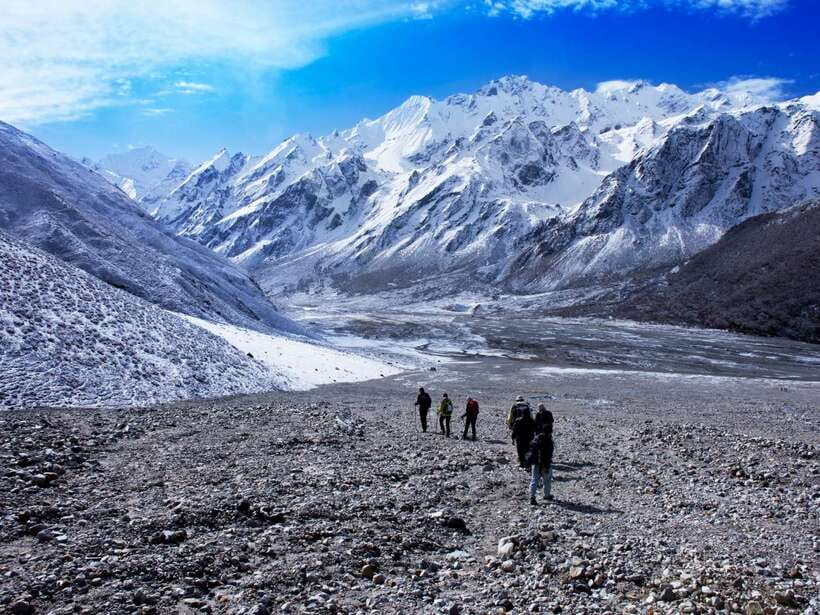
Review · LANGTANG VALLEY TREKS
Kathmandu: 6 Days Langtang Valley Trek with Kyanjin Ri
Six days can change how you see mountains. This trek mixes Tamang culture with jaw-dropping Kyanjin Ri sunrise views, all on a route that feels manageable for a first big Himalayan trek. One thing to think about: the optional Kyanjin Ri climb goes high and fast, so you’ll want to respect altitude and pace yourself.
I like how this trip is set up for real trail time, not just transfers. You get hotel pickup/drop-off, a licensed English- or Hindi-speaking guide, and lodging for five trek nights, plus daily meals if you’re on the full package. In practice, that means you can focus on walking, acclimatizing, and asking questions without constantly managing logistics.
In This Review
- Key highlights worth planning around
- Why Langtang Valley feels like a top-value trekking choice
- Kathmandu to Syabrubesi: the ride that sets your expectations
- Day 1 to Pahiro: river trails and forest quiet
- Day 2 to Ghoda Tabela: waterfalls, rhododendron country, and acclimation
- Day 3 to Kyanjin Gompa: the Tamang culture day you’ll remember
- Day 4’s choice: Kyanjin Gompa to Thangsyap with the optional Kyanjin Ri push
- Day 5 back to Syabrubesi: long views and the river trail finale
- Day 6: back to Kathmandu and what to do with your last morning
- Altitude and safety: how to manage AMS risk without getting scared
- Guides, porters, and what your $179 covers (and what it doesn’t)
- What to pack for Langtang: gear that matches high-mountain reality
- Best seasons for Langtang Valley views and rhododendron color
- So, should you book it? My take on who it fits best
- FAQ
- FAQ
- How long is the Langtang Valley trek with Kyanjin Ri?
- What’s the starting point and ending point for the trek?
- What’s the highest point on the optional Kyanjin Ri hike?
- Do I need trekking permits for this trek?
- Are meals included?
- Is there a guide and what languages are supported?
- Do I need a porter?
- What should I bring for the trek?
- What’s the main altitude concern on this itinerary?
- Can I cancel for a refund?
- When are the best months to go?
Key highlights worth planning around
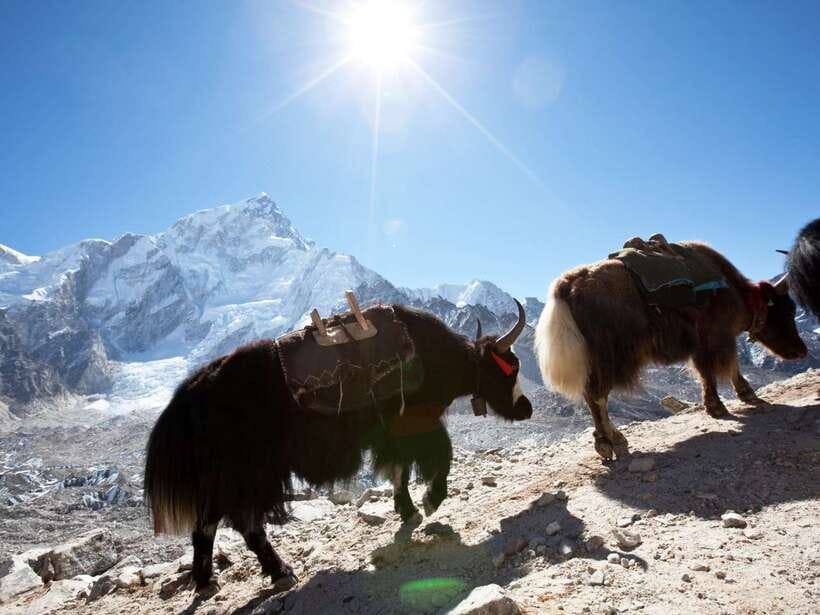
- Kyanjin Ri at dawn: optional early-morning summit views that are often the trip’s payoff moment
- Kyanjin Gompa monastery time: you’re not just hiking—you’re also visiting a historic spiritual site
- Tamang village culture: daily life, local stories, and a different feel than the bigger trekking hubs
- Cheese factory stop: a small detail that turns the day into something you can taste and remember
- Smart acclimation through altitude steps: each day’s gain is enough to challenge you, without being random
More trails out of Kathmandu, boots ready
- Everest Base Camp Trek – 14 Days★ 5.0 · 1,499 reviews
- Everest Base Camp Trek★ 5.0 · 842 reviews
- Everest Base Camp Trekking★ 5.0 · 485 reviews
- Nagarkot Sunrise View and Day Hiking from Kathmandu★ 5.0 · 471 reviews
Why Langtang Valley feels like a top-value trekking choice
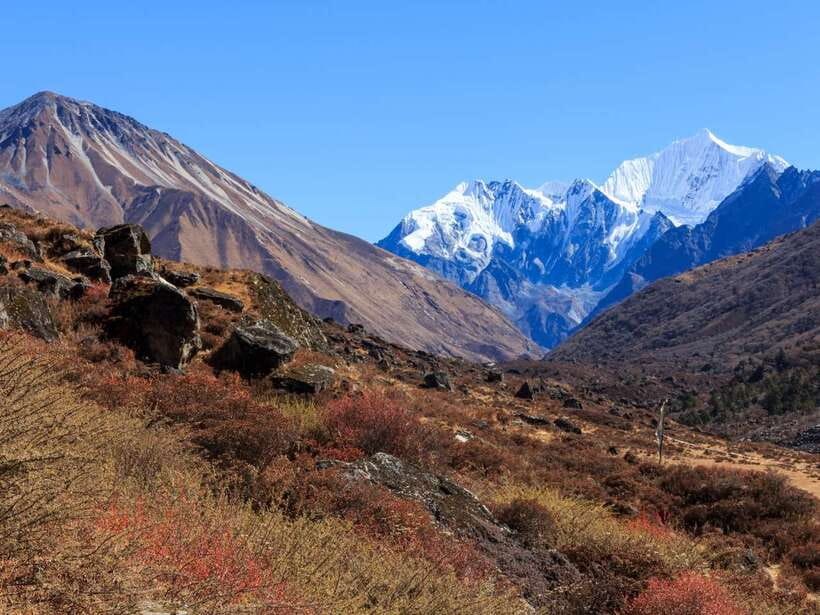
Langtang Valley is the kind of Himalayan trek that gives you big views without needing weeks off work. It’s also close enough to Kathmandu that the first day doesn’t feel like a punishment of endless travel. When the mountains are clear, you get nonstop framing—peaks, ridges, and that hard-to-describe glacial look up high.
What I especially like is the mix: you’re walking through scenery, yes, but you’re also moving through communities. The Tamang villages and monastery stops make the route feel human, not just scenic. And because the trek is only six days, it works well if you want a full experience without turning your trip into a months-long project.
The optional Kyanjin Ri hike is a second layer of value. If you’re feeling good, you add a steep but famous viewpoint day. If you’re not, you still reach Kyanjin Gompa and get to enjoy the cultural center of the trek.
Kathmandu to Syabrubesi: the ride that sets your expectations
Your trek starts with pickup in Kathmandu and a drive to Syabrubesi, the classic gateway town for Langtang. You’ll then begin trekking along the Langtang River, which is a good way to ease into effort after sitting in a vehicle. This first stretch is also where you’ll learn the rhythm: steady walking, short breaks, and adjusting your layers as temperatures change.
Syabrubesi then feeds into your first trek night at Pahiro (1,550m). That elevation is low enough that you can focus on getting comfortable with trekking shoes and pacing. If you’re carrying your own water and snacks, this is also where you’ll figure out how often you need stops.
One practical note: this is shared transportation/bus for the driving parts, depending on how many people are in the group. That’s normal for value-focused tours, but it can mean a bit of waiting. The upside is you don’t have to plan transfers on your own.
Day 1 to Pahiro: river trails and forest quiet
Day 1 is all about calm progress. You follow the Langtang River and take forest paths that feel protected from wind. The route into Pahiro is scenic, but more importantly, it gives you a first sense of altitude without instantly jumping into heavy climbs.
If you’re new to trekking, this is the day to pay attention to your breathing. Don’t try to power-walk just because you feel fine. Use the first day to establish a pace where you can chat between breaths.
Overnight in Pahiro keeps things simple for your body. You’re not sleeping in the highest cold yet, but you are building trekking momentum.
Day 2 to Ghoda Tabela: waterfalls, rhododendron country, and acclimation
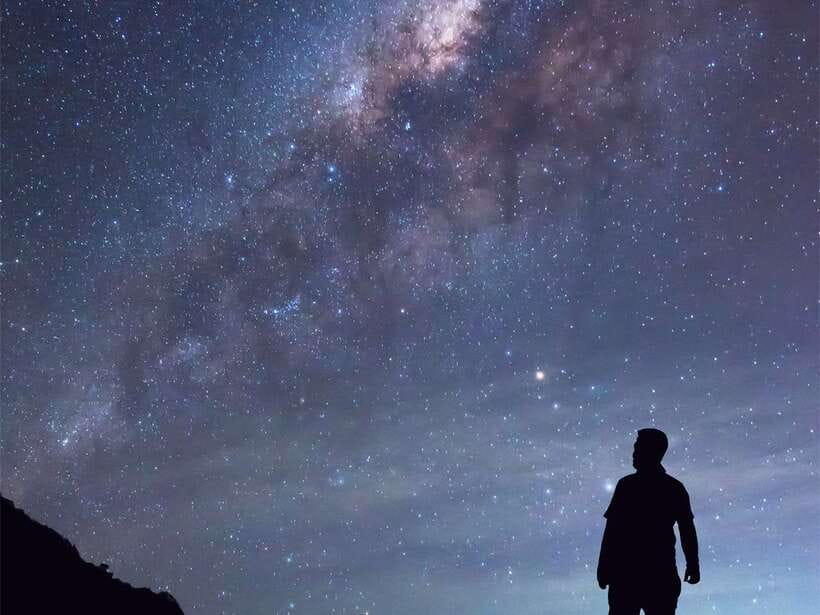
On Day 2, you trek from Pahiro to Ghoda Tabela (2,900m). The elevation jumps more noticeably here, so you’ll likely feel it by late morning or afternoon. The good news: the trail keeps you occupied with village glimpses and waterfall views, so it doesn’t feel like one long slog.
The route goes through green forest areas and the kind of rhododendron habitat that Langtang is known for. Timing matters here: in late March and April, you can catch rhododendron blooms in lower elevations, depending on the season. Even when blossoms are over, forests still give shade and reduce sun fatigue.
Ghoda Tabela is your overnight at a higher altitude, and that’s where smart acclimation matters. Hydrate steadily, eat what you can, and don’t treat this as a race. If you start with a slower tempo, your whole trek feels easier on the back half.
Before you lock this one in, a few Kathmandu alternatives:
Day 3 to Kyanjin Gompa: the Tamang culture day you’ll remember
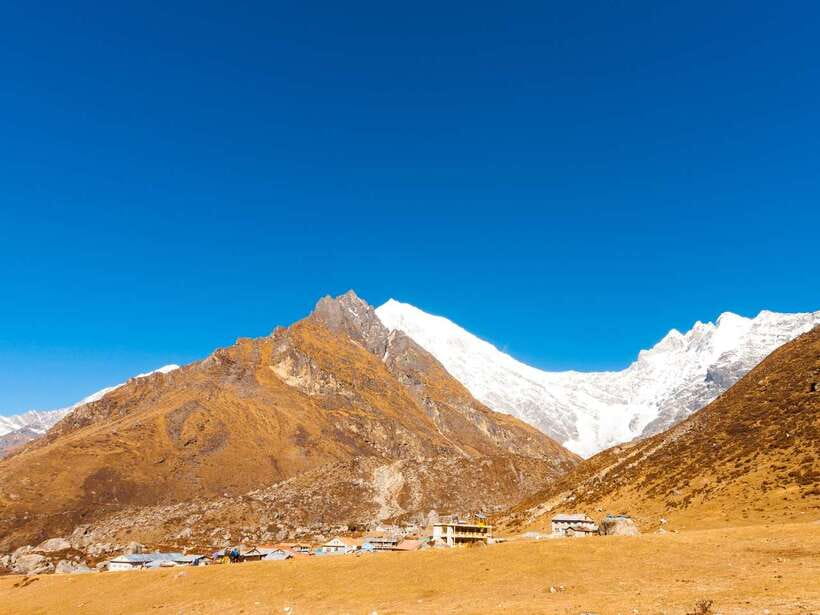
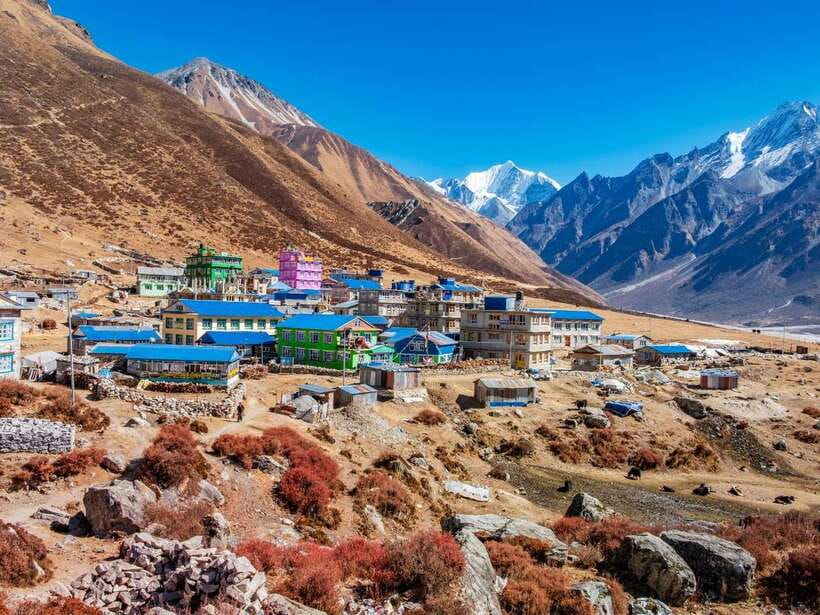
Day 3 climbs to Kyanjin Gompa (3,870m), and this is where the trek becomes truly memorable. The village setting is surrounded by towering peaks, so you get wide-angle mountain drama right as you arrive.
This is also the day with the cultural center of gravity. You’ll visit ancient monasteries, and you’ll spend time around the village atmosphere instead of just passing through. For me, the most valuable part isn’t any single sight—it’s the fact that the day connects trekking with the people who live where the trail leads.
A highlight on this day is the local cheese factory and the chance for cheese tasting. It’s a small stop, but it turns the mountains into something tangible. You get a better understanding of how food traditions work at altitude, not just how the mountains look.
At Kyanjin Gompa, you’ll also meet friendly locals, which is one of those things you can’t replicate from photos. Overnight in Kyanjin Gompa keeps you close to the spiritual site and the atmosphere of the valley’s higher settlements.
Day 4’s choice: Kyanjin Gompa to Thangsyap with the optional Kyanjin Ri push
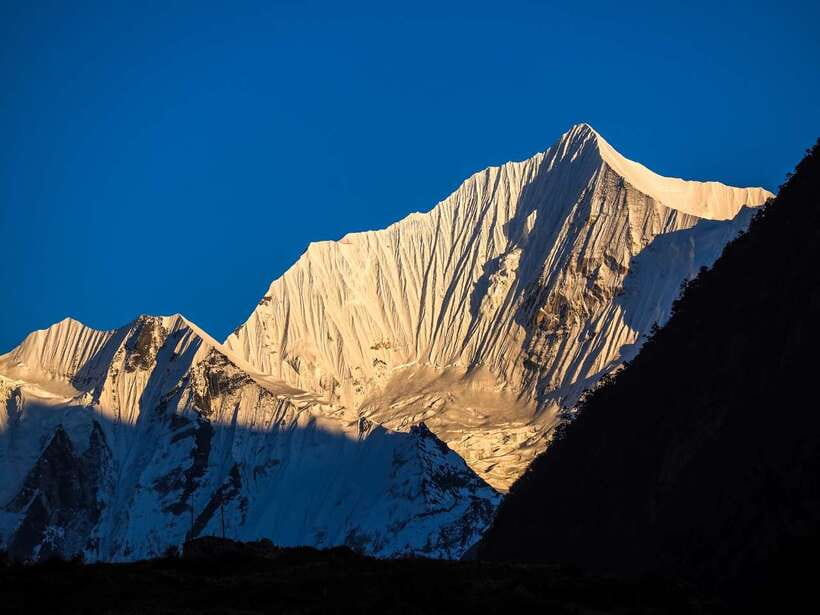
Morning on Day 4 includes an optional hike to Kyanjin Ri (4,770m). This is the big “if your body is good today” day. The climb is challenging, but the reward is panoramic views of snow-covered peaks and glacial valleys.
I like this setup because it gives you control. If you’ve acclimatized well and you want the extra view, you can go. If not, you still get a full day in the area and then descend to Thangsyap (3,200m) for overnight.
After the summit or a more relaxed start, you retrace steps back down and then continue descending to Thangsyap. The descent matters as much as the climb because it helps you reset your breathing and reduce fatigue while still keeping you in the higher-altitude experience zone.
This is also where you’ll see how a good guide works. Guides mentioned in past experiences like Ghanshyam and Sudarshan were noted for pacing adjustments and flexibility with breaks. That matters for Kyanjin Ri day, because the difference between manageable and miserable often comes down to tempo.
Day 5 back to Syabrubesi: long views and the river trail finale
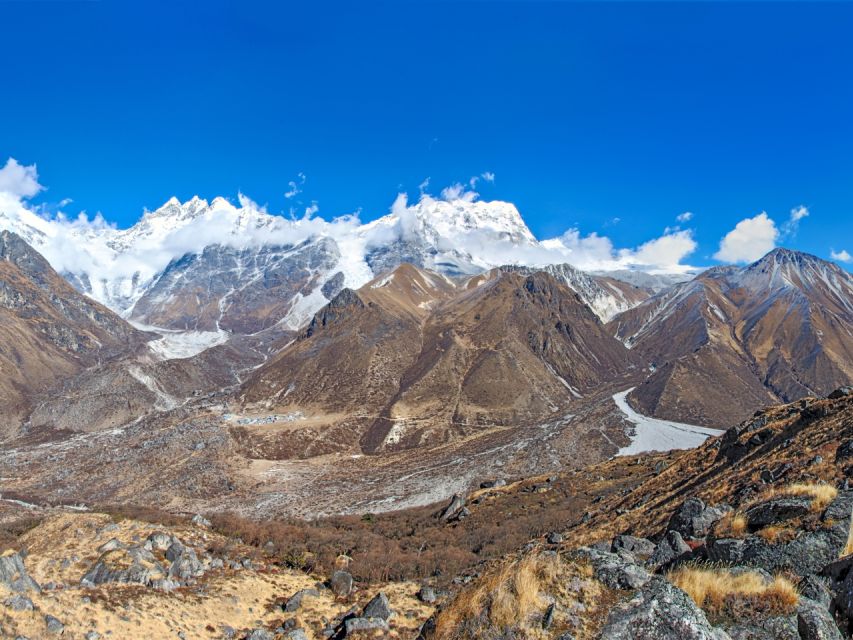
Day 5 is the return trek from Thangsyap down to Syabrubesi (1,550m). You’ll go back through forests and along the Langtang River again, which gives you a different feeling than the ascent days. It’s less about building altitude comfort and more about steady movement, hydration, and enjoying the journey’s final stretch.
This day can feel surprisingly emotional. You’re watching the same valley elements from a lower angle, and the mountains look bigger because you’re farther from the highest points you reached. Even if you’re tired, it’s a good day for slow travel.
Overnight in Syabrubesi means you’re back in a more human-scale town setting. It also keeps your final logistics easy for the next day’s drive.
Day 6: back to Kathmandu and what to do with your last morning
On Day 6, you leave Syabrubesi and drive back to Kathmandu. Once you’re back, you can finally slow down without thinking about trekking layers and trail timing.
If you like stretching legs and resetting your mind, this is a great day to do it. Your body will thank you after the altitude swings and long walking hours.
Don’t overbook the evening right away. Plan a calm meal and easy downtime so you can fully process what you just did.
Altitude and safety: how to manage AMS risk without getting scared
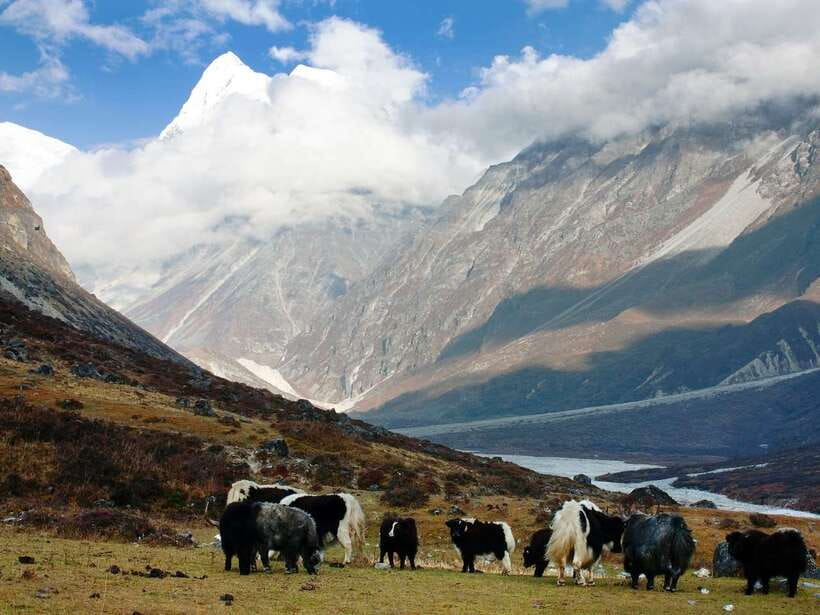
Altitude affects everyone differently, and the trek does reach high points—3,870m at Kyanjin Gompa and 4,770m on Kyanjin Ri. You might feel fine at first, then still develop altitude symptoms if ascent is too rapid. The common warning signs listed for altitude include headaches, nausea, fatigue, and loss of appetite.
Your best tool is not willpower. It’s pacing. A guide who adjusts to your breathing and energy level can be the difference between enjoying the hike and spending the day feeling off. In past experiences with guides like Ghanshyam, people specifically praised flexible breaks and careful check-ins.
Practical approach:
- If you feel unwell, slow down or stop. Tell your guide immediately.
- Drink water consistently, but don’t force huge amounts at once.
- Eat small portions even if you don’t feel hungry, because loss of appetite is a known AMS symptom.
This is a trek where you want confidence, not bravado.
Guides, porters, and what your $179 covers (and what it doesn’t)
At $179 per person for six days, you’re paying for real logistics, not just a route. The included package covers hotel pickup and drop-off, trekking permits and paperwork, government taxes, and private comfortable accommodation for five trek nights. It also includes all staff expenses (meals, accommodation, salary, equipment, insurance, transportation).
A big value point: you get an authorized English- or Hindi-speaking guide. Porters are a different story: porter charges are noted as extra. Still, having a porter can be a smart choice if you want to reduce load during the Kyanjin Ri day or simply make the whole trek more enjoyable.
Meals are included during the trek for the full package, but soft/hard drinks aren’t included. That matters because mountain food can be a highlight—or it can become a budgeting surprise if you weren’t expecting drinks and snacks.
One more practical detail: luggage storage is included. That’s useful if you arrive early or want to keep extra gear in Kathmandu instead of hauling it onto the trail.
In short, this price looks like good value if you want an organized trek with permits handled and lodging sorted. You’re still responsible for personal items like water bottles, shower items, and anything you buy for yourself on the trail.
What to pack for Langtang: gear that matches high-mountain reality
You’ll get the best results with trekking gear that handles cold mornings and sun exposure. The key items listed include a sleeping bag, flashlight, sunscreen, hiking shoes, gloves, water, a jacket, sunglasses, and trekking gear.
I’d treat this trek like a layering problem:
- You want a warm layer for early starts, especially if you choose Kyanjin Ri.
- You want breathable layers for daytime walking.
- Sunglasses and sunscreen matter because glare at altitude can sneak up on you.
Also, alcohol and drugs are not allowed. Keep things simple and stick to normal hydration and food.
If you’re missing one item, don’t guess. Ask your guide what’s safest to buy or borrow locally. The difference between comfortable and miserable is often one glove or one good shoe choice.
Best seasons for Langtang Valley views and rhododendron color
Peak trekking season is mid-March to April and October to mid-November. The general pattern is clearer skies and warmer temperatures in autumn, while late March and April can bring rhododendron blooms at lower elevations.
Weather can still shift, even in good months. The itinerary may change slightly due to weather or seasonal conditions, so build flexibility into your expectations. If skies are blocked, your guide may adjust timing or route details to protect your safety.
If you’re optimizing for views, aim for the peak windows. If you’re optimizing for fewer crowds, you might find shoulder-season days calmer, but that’s a trade-off with weather reliability.
So, should you book it? My take on who it fits best
I think this trek is a strong pick if you want a 6-day Langtang Valley trek with Tamang culture stops, real monastery time at Kyanjin Gompa, and an optional summit day that can level up your trip. It’s also a good fit for first-time trekkers who want structure and a guide who can match your pace.
You might reconsider if:
- You’re very sensitive to altitude and aren’t comfortable with climbs up to 4,770m.
- You hate steep, early starts, even as an optional choice.
- You prefer a trip where every day is gentle and predictable.
If you do book, focus on pacing and don’t treat Kyanjin Ri as a trophy hike. It’s a rewards hike—go for the views, not for bragging rights.
FAQ
FAQ
How long is the Langtang Valley trek with Kyanjin Ri?
It’s a 6-day trek, running from Kathmandu to Syabrubesi and returning to Kathmandu at the end.
What’s the starting point and ending point for the trek?
You’ll be picked up in Kathmandu, drive to Syabrubesi to start trekking, and then drive back to Kathmandu on the final day.
What’s the highest point on the optional Kyanjin Ri hike?
The optional hike to Kyanjin Ri goes up to 4,770m.
Do I need trekking permits for this trek?
Yes. Trekking permits and all necessary paperwork are included, along with the Trekkers’ Information Management System fee(s).
Are meals included?
Meals are included (breakfast, lunch, dinner) during the trek for the full package option. Soft and hard drinks are not included.
Is there a guide and what languages are supported?
You’ll have an authorized English-speaking guide, with English and Hindi noted for live tour guidance.
Do I need a porter?
A porter charge is listed as extra. Some travelers choose to use a porter, especially to reduce load during longer or steeper days.
What should I bring for the trek?
Bring essentials such as a passport or ID card, sleeping bag, flashlight, sunscreen, hiking shoes, gloves, water, a jacket, trekking gear, and sunglasses.
What’s the main altitude concern on this itinerary?
Altitude affects everyone differently. You might experience AMS symptoms such as headaches, nausea, fatigue, or loss of appetite if ascent is too rapid without proper acclimatization.
Can I cancel for a refund?
You can cancel up to 24 hours in advance for a full refund.
When are the best months to go?
Peak trekking seasons are mid-March to April and October to mid-November. Autumn typically offers warmer temperatures, and late March to April can include rhododendron blooms at lower elevations.
More 6-Day Experiences in Kathmandu
More Trekking Out of Kathmandu






More Tour Reviews in Kathmandu




Just Reviewed in Kathmandu
- Mountain Bike Tour
★ 5.0 · 3 reviews - Annapurna Panaroma
★ 5.0 · 3 reviews - Mount Everest Scenic Flight 50 Minutes
★ 5.0 · 3 reviews - Kathmandu : Swambhunath & Durbar Square Guided Half Day Tour
★ 3.3 · 3 reviews - Chandragiri Cable Car & Monkey Temple Tour – Private/Group
★ 5.0 · 3 reviews - Kathmandu: Shivapuri National Park Hiking Day Trip
★ 3.3 · 3 reviews
Langtang Valley Treks, compared.
 ★ 5.0Langtang Valley TrekFrom $555140 reviews
★ 5.0Langtang Valley TrekFrom $83061 reviews
Langtang Valley TrekFrom $70050 reviews
 ★ 5.08 Days Tour in Langtang Valley TrekFrom $69845 reviews
 ★ 5.0Private 8 – Day Langtang TrekkingFrom $58429 reviews
★ 5.0Langtang Valley TrekFrom $1,00023 reviews
 ★ 5.06-Day Limitless Langtang TrekFrom $18121 reviews
★ 5.0Langtang Valley TrekFrom $56020 reviews
Browse the lists this tour appears in