
Review · POON HILL & GHOREPANI TREKS
6 Days Poon Hill – Ghandruk Circuit Trek from Kathmandu
Some treks are famous for a reason. This one hits the best reasons fast. You get Poon Hill sunrise and the Ghandruk Gurung culture focus, plus a route that works in suspension bridges and rhododendron forest walks. The possible drawback: you’ll still be doing 6–7 hour hikes most days, so it’s not a stroll—your legs will keep the schedule.
What I like about this plan is the “big moments” are built in, not left to chance. You’re moving between Kathmandu, Pokhara, and the trail with pickup help, and you’re not stuck trying to sort permits and timing on your own. One more consideration: because meals are not included, you’ll want to budget for food stops and keep snacks handy for the longer trekking days.
In This Review
- Key Things I’d Prioritize on This Poon Hill–Ghandruk Trek
- The Big Reason This Trek Lives Up to the Hype: Poon Hill + Ghandruk
- Kathmandu to Pokhara: The Long Start That Buys You Trail Time
- Day Two: Drive to Nayapul and Hike Toward Ulleri
- Day Three: Ghorepani for Rhododendron Forests and Annapurna Views
- Day Four: The Poon Hill Sunrise Hike (About 45 Minutes Up)
- Day Five: Down to Ghandruk and Into Gurung Village Life
- Day Six: The Trek’s Finish Line Back to Kathmandu
- How the Trek Gets Managed: Guide, Permits, and Guest House Reality
- Price and Value: What $340 Buys You (and What It Doesn’t)
- Fitness Level: Moderate Means You Can Finish, Not That It’s Easy
- Packing and Comfort Tips That Matter on a 6-Day Plan
- Who This Trek Fits Best
- Should You Book This Poon Hill–Ghandruk Circuit?
- FAQ
- What is the duration of the Poon Hill and Ghandruk circuit trek?
- How much does the tour cost?
- Where does the trek start and what time is the pickup?
- Do you travel by bus between Kathmandu and Pokhara?
- Is an English-speaking trekking guide included?
- Are trekking permits included?
- Are meals included in the price?
- Is this a private tour or shared group trek?
Key Things I’d Prioritize on This Poon Hill–Ghandruk Trek
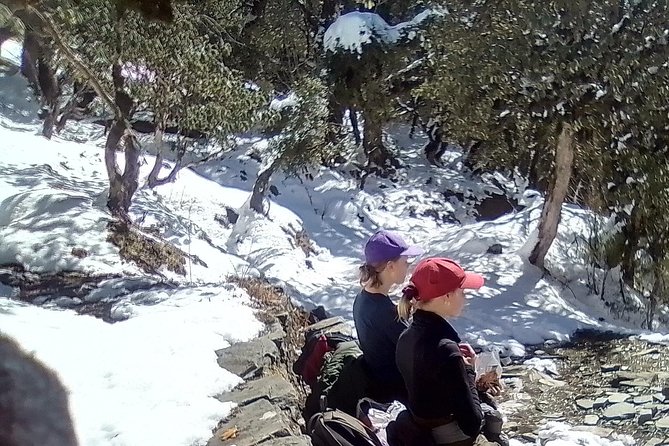
- Poon Hill at sunrise: a short early climb to a payoff view over the Annapurna range.
- Rhododendron forests on route days: a classic season-friendly trail feel (especially in bloom months).
- Ghandruk as the cultural finish: Gurung village atmosphere, plus time to explore the area.
- Suspension bridges on the route: fun, photo-ready moments that break up the walking.
- English-speaking guide support: guides like Prakash and Bisham are noted for being helpful and good company.
- Permits and TIMS handled: you arrive with the paperwork stress taken care of.
More trails out of Kathmandu, boots ready
- Everest Base Camp Trek – 14 Days★ 5.0 · 1,499 reviews
- Everest Base Camp Trek★ 5.0 · 842 reviews
- Everest Base Camp Trekking★ 5.0 · 485 reviews
- Nagarkot Sunrise View and Day Hiking from Kathmandu★ 5.0 · 471 reviews
The Big Reason This Trek Lives Up to the Hype: Poon Hill + Ghandruk
Poon Hill–Ghandruk is one of those Annapurna-area treks that people talk about because it delivers two different pleasures in one loop. First, you’re chasing wide mountain views from Poon Hill. Then you drop into a very “Nepal in real life” village setting at Ghandruk, where Gurung culture is part of what you’re actually walking toward.
I like that the route doesn’t only focus on viewpoints. It pairs the classic sunrise moment with time on the ground in a Gurung village. That means your photos aren’t just mountains—there’s also everyday village life: local houses, paths, and the slower rhythm you notice once you’re off the bus and into the trail.
Kathmandu to Pokhara: The Long Start That Buys You Trail Time
You begin with a 6:30 am pickup from your hotel in Kathmandu and a private car transfer to the bus station. Then you ride a tourist bus to Pokhara, roughly 7 hours, and you check in to a hotel in the Lakeside area.
This is a travel day, not a trekking day. Plan to treat it that way. You’ll be fresh enough the next morning to start the trek, which is the key point. If you hate long rides, you can’t remove them entirely, but this schedule does the practical thing: it gets you to the trail region without wasting the start of your walking days.
Day Two: Drive to Nayapul and Hike Toward Ulleri
After breakfast and an 8:30 am start, you drive to Nayapul (about 1.5 hours). Then the trekking begins, and the walking portion runs around 6 hours toward Ulleri.
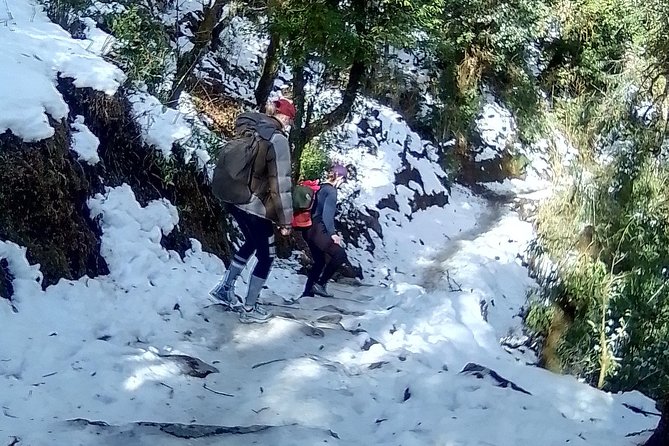
This is your “settling-in” day. Even though 6 hours sounds serious, it’s typically the day where you find your rhythm: slow climbs, breaks when the trail gives you an excuse, and the feeling of getting out of traffic and into birdsong and river noise (the route includes natural river scenery). If you’re the kind of traveler who likes to keep your effort steady rather than sprint, this day fits you.
What I’d watch: your energy budget. Going too fast on day two makes day three feel harder than it needs to be. Keep your pace conversational. You’ll thank yourself later.
Day Three: Ghorepani for Rhododendron Forests and Annapurna Views
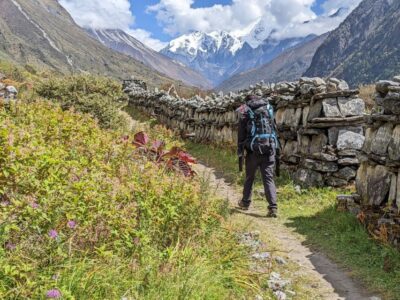
Today you trek to Ghorepani for about 6 hours. This is where the rhododendron forest element becomes part of the experience. Even when the big view moments aren’t fully in front of you yet, you’re walking through the kind of forest scenery that makes Annapurna treks feel unmistakably “Annapurna.”
There’s also an all-important psychological shift on day three. You start noticing how many people are thinking about sunrise—because on this trek, sunrise isn’t a vague idea. It’s built into the schedule, and you’ll be in place to go after it.
Before you lock this one in, a few Kathmandu alternatives:
Day Four: The Poon Hill Sunrise Hike (About 45 Minutes Up)
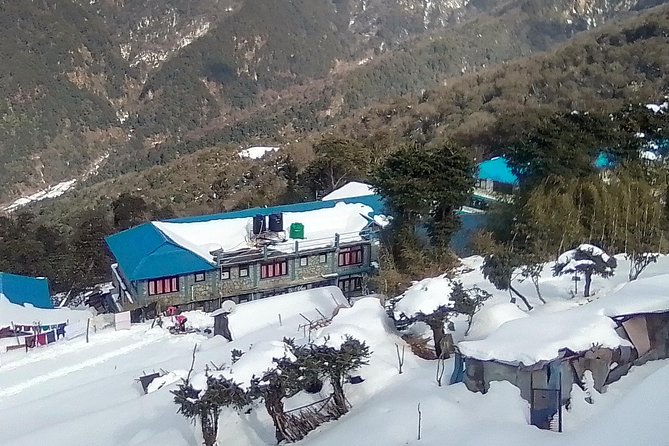
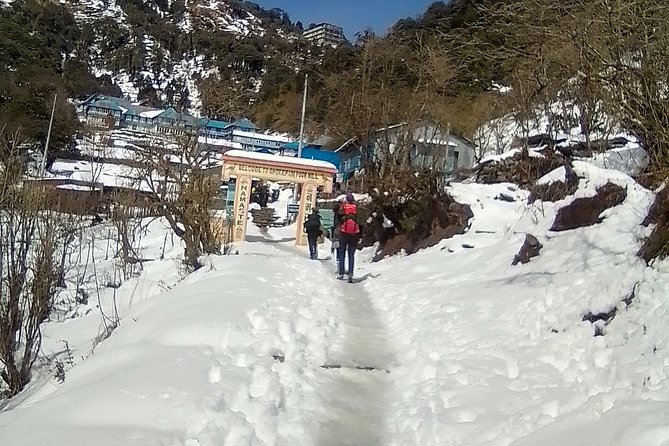
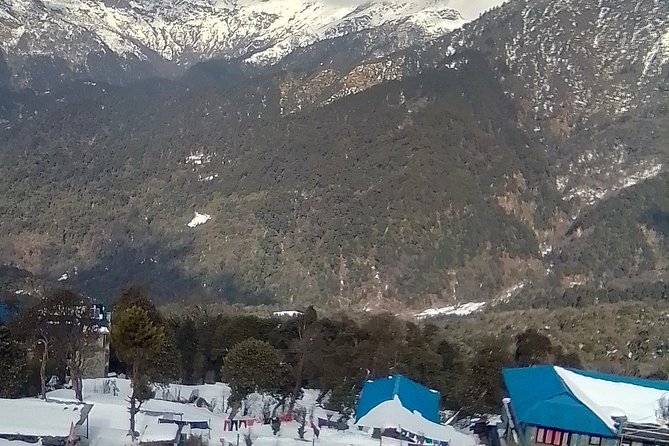
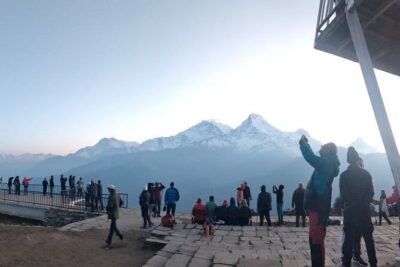
This is the day most people remember. You start early and hike to Poon Hill viewpoint (about 45 minutes) to catch sunrise over the Annapurna range. After spending time at the top, you continue trekking for roughly 7 hours.
Short climb, big reward. That’s the formula here. The payoff is the reason this route is famous, and the timing matters: it isn’t a “whenever you feel like it” stop. Your start is early enough that you’re aiming to be on the viewpoint when the sky does its thing.
Practical tip: for a sunrise target, start thinking about warmth. Even if Kathmandu felt hot when you boarded the bus, mountain mornings often feel colder once you’re up and standing still. Pack a warm layer you can actually wear while you’re waiting.
Also, one of the best things about having a strong guide (names that come up include Prakash and Bisham) is that they can help you time your stops so the sunrise moment doesn’t turn into a rushed sprint. Some guides have even taken people for additional viewpoint time such as sunset in the same area, depending on conditions and pacing.
Day Five: Down to Ghandruk and Into Gurung Village Life
On day five you trek to Ghandruk, a Gurung village, for about 7 hours. Once you reach Ghandruk, you explore the area and then travel onward by sharing local jeep to Nayapul (about 1.5 hours). From Nayapul, you go by car back to Pokhara.
This is where the trek changes tone. Instead of purely chasing views and walking time, you get time to slow down. Ghandruk is described as a great Gurung village of Nepal, and you’ll feel that culture in what you see and how people move through daily life.
One detail that stands out in guide notes: there’s sometimes time built in for a visit related to the village’s culture, such as an old Ghandruk culture museum stop when the day’s pacing allows. If this kind of cultural stop matters to you, it’s worth asking your guide where it fits best.
At the end of the day you’re rewarded with the return to Pokhara’s Lakeside area. That’s not just convenience. It gives you a more normal-feeling finish after several days of trekking logistics.
Day Six: The Trek’s Finish Line Back to Kathmandu
Your final day is transport-focused. You transfer in the morning around 7:00 am from Pokhara to the bus station, take a tourist bus back to Kathmandu (about 7 hours), and the tour ends.
This day is for recovering and eating something you’ve dreamed about since day one. It’s also where you’ll appreciate how the earlier logistics are handled: shuttles, transfers, and the return ride back to the city. When you’re done with your feet, you shouldn’t have to add “bus navigation” to your list.
How the Trek Gets Managed: Guide, Permits, and Guest House Reality
Even the best route can flop if logistics are messy. Here, you get a few key pieces that make the trek smoother.
- English-speaking trekking guide during the trek. Strong guide support is a big deal on a trail where early mornings and viewpoint timing matter. The guide impressions that come through include people being kind, helpful, funny, and professional, with guides like Prakash and Bisham specifically called out for being attentive and good at explaining what to expect.
- Trekking permit and TIMS included. Those aren’t “optional souvenirs.” Having them handled reduces friction.
- Accommodation in guest houses during the trek. Guest houses are basic by design, but that’s the point. You’re not paying for luxury—you’re paying for access to the trail experience without doing all the organizing.
Guest house note, in plain terms: expect simple rooms and a “sleep and reset” vibe. Don’t plan on a spa recovery. Plan on a warm layer, a shower if available, and an early bedtime.
Price and Value: What $340 Buys You (and What It Doesn’t)
At $340 per person, the value comes from what’s bundled, not from what’s flashy. Here’s what you’re effectively paying to have handled:
- shuttle help and transfer legs (Kathmandu to Pokhara and back, plus local transfer portions)
- a trekking guide in English during the walking days
- guest house and Pokhara hotel accommodation (Pokhara is listed as a 2-star hotel in Lakeside)
- trekking support items like TIMS and permit coverage
- private-group operation (you travel with your group only)
What’s not included is also important for budgeting: all meals and personal expenses are on you, and rescue costs in an emergency are not included. So think of the $340 as covering the core infrastructure: guide + permits + accommodation + transport.
If you’re the type who wants to minimize planning headaches, this package can feel like a bargain compared with cobbling everything together. If you already know how to organize permits, guide support, and transport yourself, the value will depend more on your comfort level.
Fitness Level: Moderate Means You Can Finish, Not That It’s Easy
This trek is recommended for travelers with moderate physical fitness. That tracks with the day lengths. Most trekking days are around 6–7 hours, and one day includes a short early climb to Poon Hill before continuing again.
The trick is not “being an athlete.” It’s having enough stamina to walk steadily for hours. If you can handle long walks at home and you’re okay with uphill days, you’re in the right zone.
If you’re unsure, do this quick reality check: can you comfortably walk 2–3 hours without needing long breaks? If yes, you’ll probably do fine with pacing. If not, consider building up beforehand or choosing a shorter Annapurna option.
Packing and Comfort Tips That Matter on a 6-Day Plan
Since meals aren’t included, you’ll want to carry snacks so you aren’t rationing hunger. Also, trekking days of 6–7 hours mean you’ll feel weather changes more than you expect.
I’d pack with these in mind:
- Warm layer for early mornings (sunrise means cold waits)
- Headlamp or small flashlight for pre-dawn movement
- Comfortable daypack with essentials (water, snacks, jacket)
- Small cash plan for meals and personal purchases (because they aren’t bundled)
- Basic blister care (because downhill days can surprise you)
And a small but helpful mindset: on day five and five-ish terrain parts, you’re switching from “view mode” to “village mode.” Keeping your gear organized makes that transition easier.
Who This Trek Fits Best
This trek is a strong match if you want:
- classic Annapurna viewpoints without a huge time commitment (6 days)
- the mix of mountains plus a real village finish in Ghandruk
- guide help with permits, timing, and English explanations
- a private-group feel, meaning only your group participates
It’s especially good for first-time Annapurna trekkers who want the “greatest hits” (Poon Hill sunrise and Ghandruk) but don’t want to micromanage every logistics step.
Should You Book This Poon Hill–Ghandruk Circuit?
I’d book it if you want a well-structured trek where the big moments have a schedule, not just hope. The combination of Poon Hill sunrise timing, Ghandruk Gurung culture, and guide support like Prakash and Bisham being described as kind, funny, and helpful is exactly what you want in a trek with early mornings and long walking days.
I wouldn’t book it if you only want short daily hikes or you hate traveling between cities by bus. The trek has a travel start in Kathmandu, plus the final return day. Also, if you don’t want to manage meals and personal spending, you’ll be happier with a package that includes more than accommodation and transport.
If you’re ready for steady walking, cold sunrise mornings, and a culture-focused finish, this one makes sense.
FAQ
What is the duration of the Poon Hill and Ghandruk circuit trek?
The trek runs for about 6 days.
How much does the tour cost?
It’s listed at $340 per person.
Where does the trek start and what time is the pickup?
Pickup is offered in Kathmandu, with a start time of 6:30 am.
Do you travel by bus between Kathmandu and Pokhara?
Yes. You take a tourist bus from Kathmandu to Pokhara, and a return tourist bus from Pokhara to Kathmandu.
Is an English-speaking trekking guide included?
Yes, an English-speaking trekking guide is included during the trek.
Are trekking permits included?
Yes. Trekking permits and TIMS are included.
Are meals included in the price?
No. All meals and personal expenses are not included.
Is this a private tour or shared group trek?
This is private in the sense that only your group participates. The information also notes group discounts are available.
More 6-Day Experiences in Kathmandu
More Trekking Out of Kathmandu
More Tour Reviews in Kathmandu
Just Reviewed in Kathmandu
- Mountain Bike Tour
★ 5.0 · 3 reviews - Annapurna Panaroma
★ 5.0 · 3 reviews - Mount Everest Scenic Flight 50 Minutes
★ 5.0 · 3 reviews - Kathmandu : Swambhunath & Durbar Square Guided Half Day Tour
★ 3.3 · 3 reviews - Chandragiri Cable Car & Monkey Temple Tour – Private/Group
★ 5.0 · 3 reviews - Kathmandu: Shivapuri National Park Hiking Day Trip
★ 3.3 · 3 reviews
Poon Hill & Ghorepani Treks, compared.
 ★ 5.04 Days Poon Hill TrekFrom $40594 reviews
 ★ 5.0Ghorepani(Poonhill Trek)From $60081 reviews
 ★ 5.04-day Poon Hill TrekFrom $40074 reviews
 ★ 5.0Ghorepani Poon Hill TrekFrom $39961 reviews
★ 5.0Ghorepani Poon Hill TrekFrom $70046 reviews
★ 5.0Ghorepani Poon Hill TrekFrom $39961 reviews
★ 5.0Ghorepani Poon Hill TrekFrom $70046 reviews
 ★ 5.0Poon Hill TrekFrom $1,17242 reviews
 ★ 5.0Poonhill TrekFrom $60033 reviews
 ★ 5.0Poon Hill Trek packageFrom $40527 reviews
Browse the lists this tour appears in