
Review · PASHUPATINATH & BOUDHANATH TOURS
Kathmandu: Pashupatinath Evening Aarati Tour Private/Group
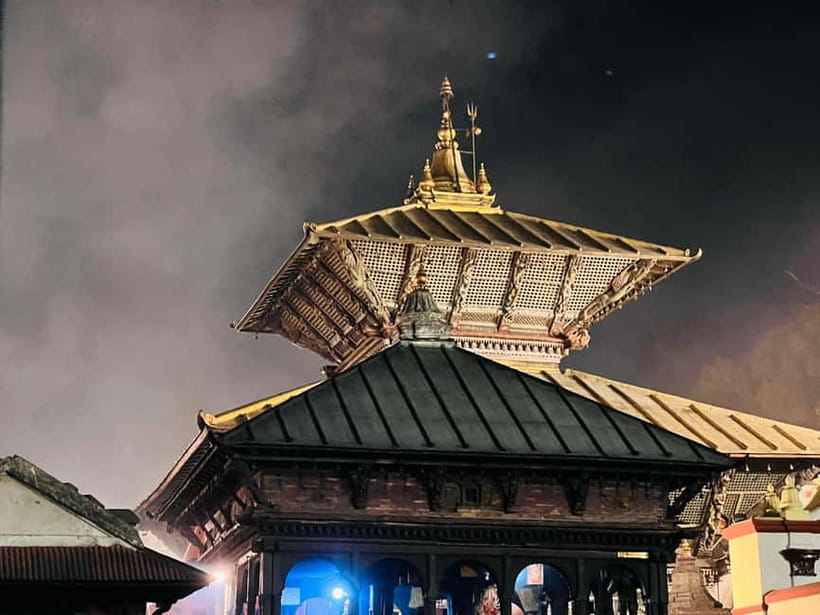
Pashupatinath at night turns prayer into theatre. This short Kathmandu tour is built around the evening aarati at one of Nepal’s best-known Hindu shrines, with oil lamps, bells, incense, and live devotional music on the Bagmati River. I especially like that you get both a guided walk through the Pashupatinath temple complex and then time to experience the ceremony on-site.
Two things I think make this a smart value: you’re not just dropped at a monument, you’re guided before the ritual so you understand what you’re seeing, and you get hotel pickup and drop-off from Thamel so you can focus on the experience instead of transport logistics. The only real catch is viewing quality during the ceremony can vary, and the best spot depends on where you’re positioned on the riverbank.
In This Review
- Key points before you go
- Why the Pashupatinath aarati hits so hard around 6 pm
- Getting there from Thamel: timing, views, and a calm start
- Temple complex time: what the guided walk actually gives you
- The main event: seeing the evening aarati by the Bagmati River
- Private vs small group energy, plus why your guide matters
- Price and what you’re really buying for $22
- What to bring: the small stuff that keeps your night comfortable
- Who should book this evening aarati tour
- Should you book this tour or DIY it?
- FAQ
- What time does the evening aarati start?
- Where does hotel pickup happen in Kathmandu?
- What’s included in the tour price?
- Are entry fees included?
- Does the tour provide free time at Pashupatinath?
- What should I bring?
- Is the tour suitable for wheelchair users or young children?
Key points before you go
- Guided temple visit first so the aarati makes sense, not just looks pretty
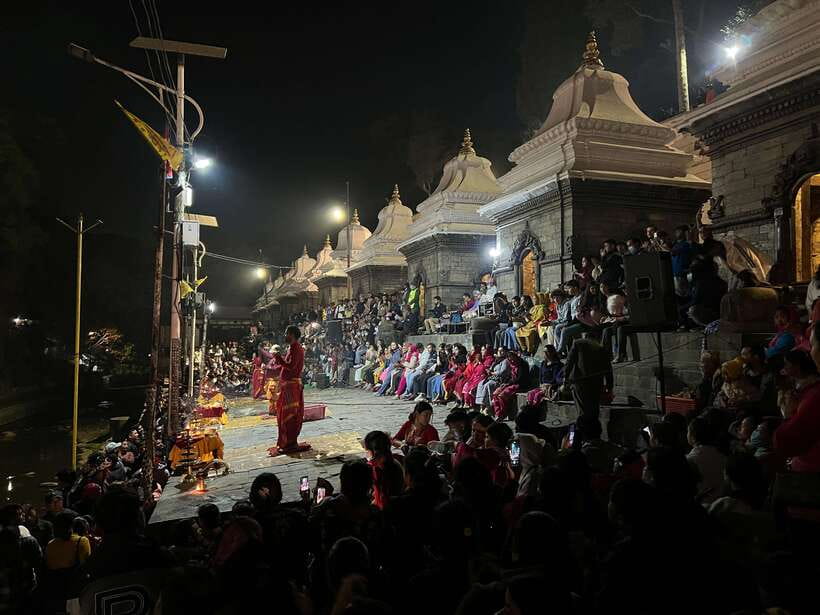
- Aarati on the Bagmati River around 6 pm, when light and chanting take over the space
- Clear ritual details you’ll recognize: Vedic mantras, bells, incense, and oil-lamp waving by priests
- Live classical music and devotional hymns add sound, not just spectacle
- View position matters, so speak up early if you’re not happy with where you’re standing or seated
- Amrit as a guide stood out for being informative and answering lots of questions
Just your group, at your own pace
- Private Kathmandu Sightseeing Tour | UNESCO World Heritage sites★ 5.0 · 756 reviews
- Kathmandu: Full Day 7 UNESCO Tour with Lunch – Private/Group★ 5.0 · 415 reviews
- Private Bhaktapur and Nagarkot Day Tour From Kathmandu★ 5.0 · 305 reviews
- Kathmandu: Full Day Top 4 UNESCO Tour with Lunch – Private/Group★ 5.0 · 269 reviews
Why the Pashupatinath aarati hits so hard around 6 pm
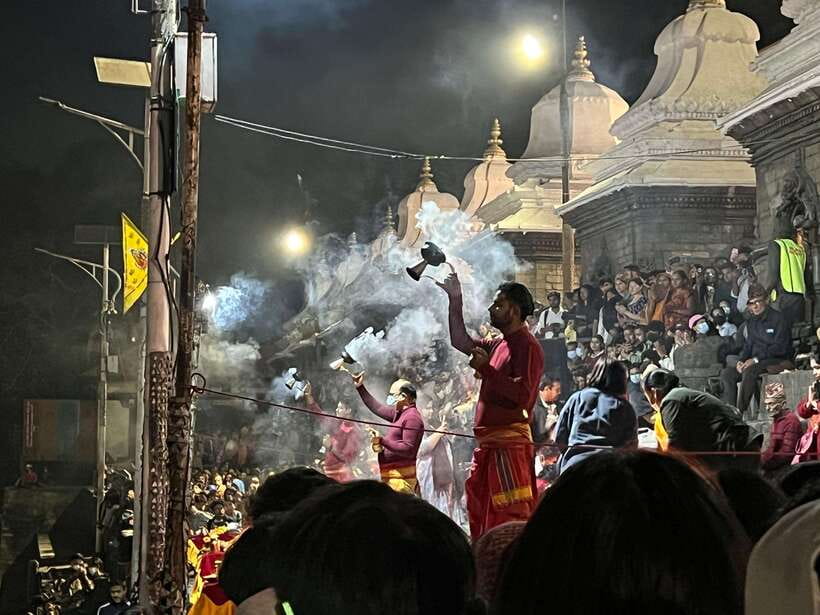
If you only have a couple hours, this is the kind of cultural stop that does a lot with a little time. The main event is the evening aarati, held on the eastern bank of the Bagmati River, where chanting, music, and ritual actions come together at the same moment.
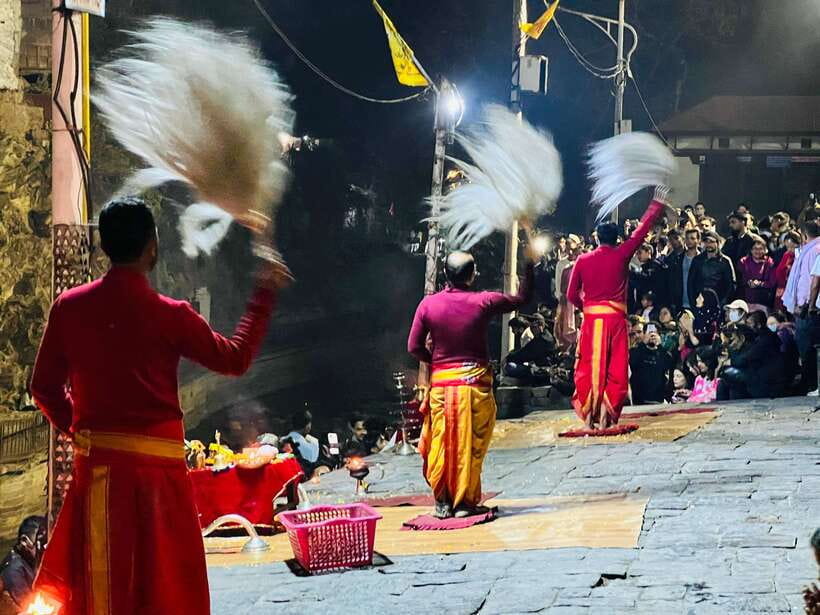
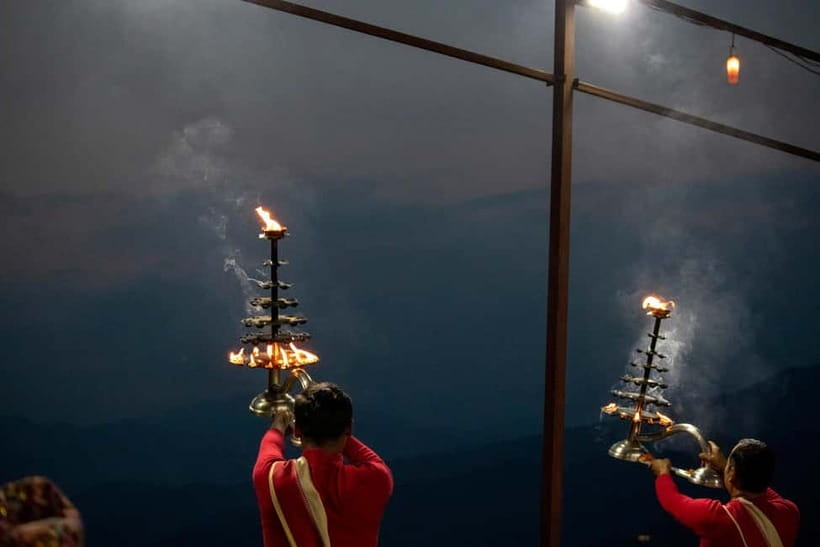
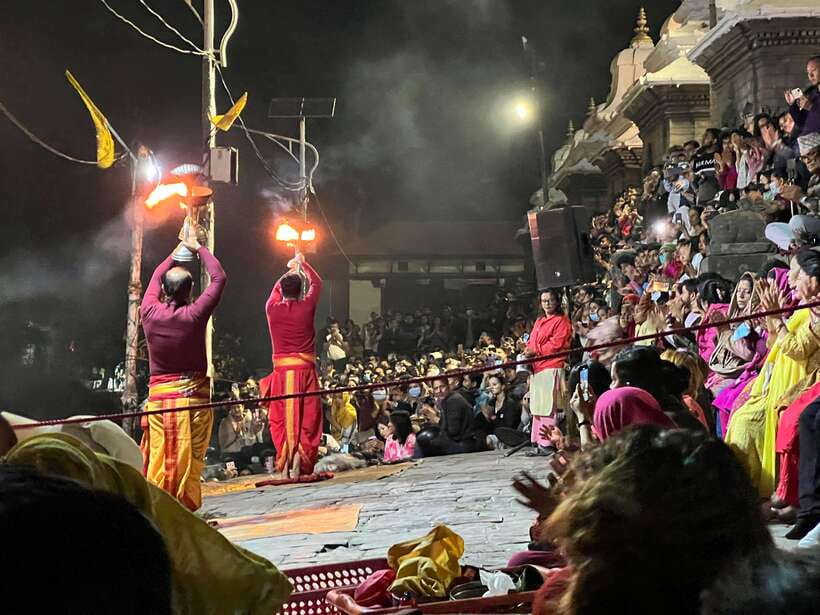
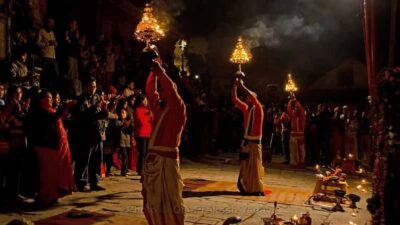
What makes the ceremony so memorable is how layered it is. The aarati includes Vedic mantras and the rhythmic ringing of bells, then priests wave oil lamps in intricate patterns while incense adds a smoky, sensory edge. Alongside that, you’ll hear live music using classical instruments plus devotional hymns, so the atmosphere isn’t only visual.
And because it’s a living religious practice, not a staged show, you’ll feel the mood shift as the ceremony begins. The air gets full of prayers and music, and the lights from oil lamps create a flickering effect across the riverbank. You don’t need to be religious to appreciate the precision and devotion in what’s happening.
Getting there from Thamel: timing, views, and a calm start
This tour is designed for a late-afternoon start. Pickup happens from Thamel or nearby areas (including Thamel Marg), and you drive toward Pashupatinath with spectacular views along the way. You’ll likely arrive with enough time to settle in and orient yourself before the ceremony starts.
Duration is 2 to 3 hours total, which is short but not rushed. The flow is practical: temple complex first, then the ceremony, then return to Kathmandu. That structure matters because you get context before the main ritual begins, instead of trying to catch up while people are chanting.
One practical note: the pickup area is limited to Thamel or nearby. If you’re staying elsewhere in Kathmandu, you may want to confirm that the pickup can work for your exact location, since the tour’s hotel pickup is specifically tied to Thamel.
Temple complex time: what the guided walk actually gives you
Before the aarati, you’ll meet your licensed guide and get a briefing about Pashupatinath Temple. Then you’ll spend about 1.5 hours with the guide, plus free time to explore on your own afterward. That mix is a good formula for most visitors: you get the “why,” then you choose your pace.
During the guided portion, you’ll hear about the temple’s history, its religious significance, and the architectural beauty of the complex. Even if you’ve seen photos, this is the kind of site where details matter—where you stand, how different structures relate to the river, and how the ritual spaces connect to daily worship.
Then you get your own window to wander and see what you want without feeling chained to a script. I like that because it gives you control over your energy level. If you’re sensitive to crowds or noise, you can keep your pace slower during the free time.
Possible drawback: temple sites can be physically involved, and you’ll be doing walking. Bring comfortable shoes, because even a short visit can mean a fair amount of uneven paths and stairs.
The main event: seeing the evening aarati by the Bagmati River
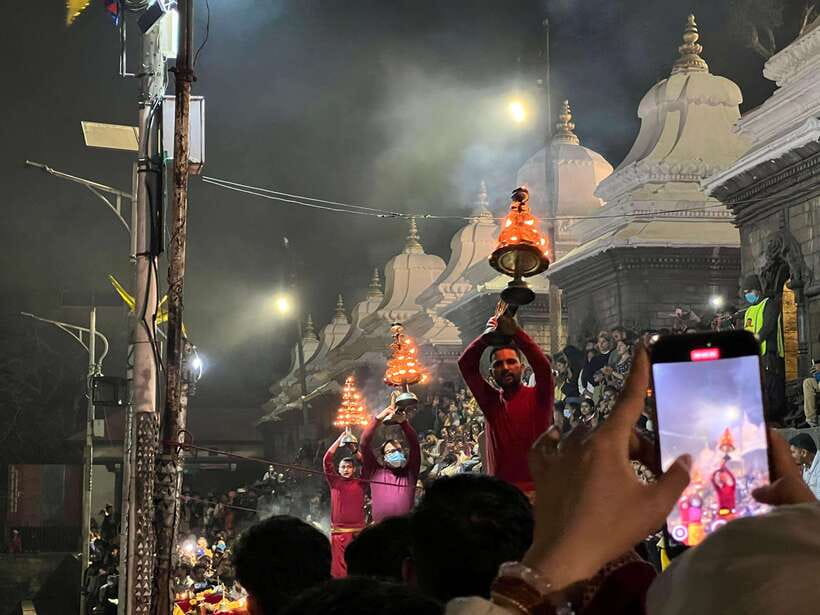
Around 6 pm, the tour centers on the evening aarati ceremony on the Bagmati River. This is the part most people remember, and for good reason: it’s where sound, light, and ritual actions line up in one place.
Here’s what you can expect to notice as the ceremony unfolds:
- Chanting and mantras filling the air as the priests begin the ritual
- Bells creating rhythmic cues you can feel, even if you don’t understand every word
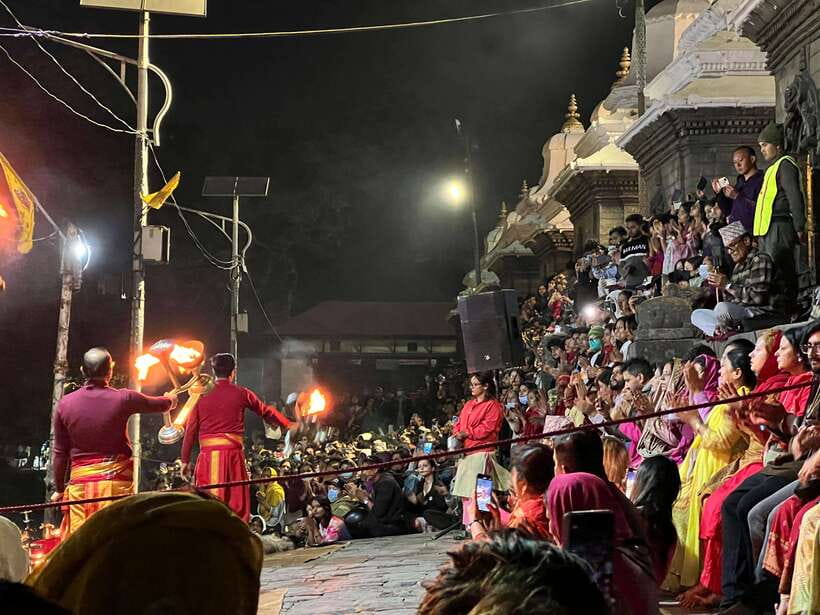
- Oil lamps waved in careful patterns, with warm light flickering across the riverbank
- Incense adding a smoky scent that makes the ritual feel immediate
- Live music with classical instruments and devotional hymns, turning the ceremony into a full sensory event
The riverbank environment changes as it starts. The lights from the lamps create a kaleidoscope effect, and the surrounding mood can feel very focused and prayer-filled. It’s not like sightseeing where you’re hunting for the best photo angle at every second. The ceremony makes you slow down.
Now for the one practical issue to plan around: viewing position. In one experience, a guide placed a visitor in a spot that didn’t give the ceremony the view they expected, and even when they asked to move, it didn’t go smoothly. This is a reminder that where you end up matters, especially if you care about seeing the oil-lamp motions clearly.
My advice: arrive a bit ready to manage your spot. If the view is poor, ask early and clearly. If you’re with a group, you may not get a perfect result every time, but you can often improve your angle before the thick of the ceremony starts.
Other ways into a Kathmandu evening

Private vs small group energy, plus why your guide matters
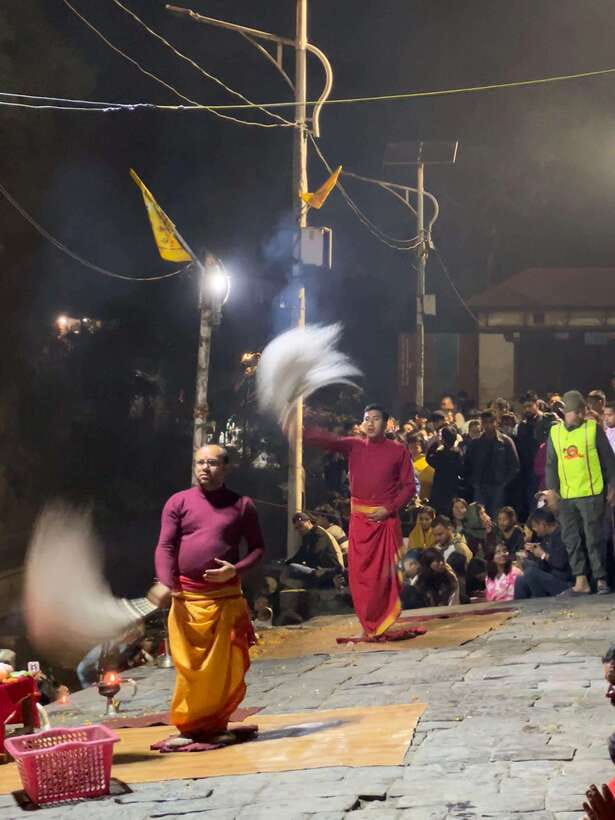
You can do this as a private group or with others, and that choice can shape the feel of the experience. A private setup can be more comfortable for questions and pacing. In a shared setting, you’ll still get the guide’s attention, but your questions might happen in the flow of the group.
Either way, the tour uses a licensed English-speaking guide, and languages listed include English, Hindi, and Chinese. That matters because the ceremony isn’t just a visual event; it’s full of ritual details that are easier to appreciate when someone explains what’s happening.
One guide name you might run into is Amrit, who impressed with the way he handled questions and provided a lot of information during the afternoon and leading into the ceremony. That kind of guide approach is exactly what makes a short tour feel worth it—because you’re not just watching, you’re understanding.
At the same time, guides are human and group dynamics are real. One reported experience described a guide being friendly but also distracted by chatting with a person during the ceremony viewing, which affected the visitor’s comfort. That doesn’t mean it happens every time, but it highlights what you should look for: a guide who keeps the group focused on the ritual and responds quickly when you ask about viewing.
Practical tip: if you have questions, ask them during the guided temple portion first. Save the most important viewing requests (like where to stand or sit) for before the ceremony starts, when there’s more flexibility.
Price and what you’re really buying for $22
At $22 per person, this tour is priced like a budget-friendly way to see Pashupatinath at night with real guidance. For that money, you generally get:
- Hotel pickup and drop-off from Thamel or nearby
- Transportation to and from Pashupatinath
- A licensed English-speaking guide
- All taxes and service charges
What’s not included is equally important. You should budget for entry fees and also food and drinks. Even if the tour is only 2 to 3 hours, Kathmandu errands add up fast—especially if you’re coming from a neighborhood where you haven’t eaten yet.
So is it good value? For most people, yes, because you’re paying for time-saving transport plus interpretation during the temple visit and ceremony. If you tried to do this on your own, you’d spend time figuring out meeting points, timing your arrival for the evening ritual, and getting a clear explanation of what you’re seeing.
What to bring: the small stuff that keeps your night comfortable
This tour doesn’t ask for much, but the basics matter. Bring:
- Comfortable shoes for walking around the temple complex
- A camera if you want photos of the lamps and ceremony
- Cash for whatever on-site costs come up, including items like entry fees
Also plan to dress for an evening in Kathmandu. You’re going out late afternoon and staying through the ceremony close to 6 pm. Bring something warm enough for the riverbank time, especially if you tend to get chilly.
If you’re going with kids, double-check suitability. The tour states it’s not suitable for children under 2 years, not suitable for children under 5 years, not suitable for babies under 1 year, and it also isn’t suitable for wheelchair users. If you’re traveling with family, that age guidance will shape whether this is a good fit.
Who should book this evening aarati tour
This is a strong pick if you want:
- A short, structured way to experience Pashupatinath at night
- A guide who can explain what you’re seeing during the temple walk and the aarati
- A low-stress plan with pickup from Thamel and a ride back after the ceremony
It’s also good if you’re curious about Nepal’s spiritual and cultural heritage and want to see how rituals look and sound in real time. The ceremony’s mix of mantras, bells, incense, live classical music, and oil lamps makes it feel like more than a sightseeing stop.
You might consider skipping or choosing a different format if:
- You’re very sensitive to crowds or moving logistics around a riverbank ceremony
- You’re mainly chasing photos and need a guaranteed viewing layout
- Your group has limited walking tolerance, since the experience includes walking and time inside the temple complex
Should you book this tour or DIY it?
If your priority is understanding the ceremony and avoiding transport headaches, I’d book. The guided temple portion and the timed run to the 6 pm aarati are exactly what makes a short visit feel complete. Add in pickup from Thamel, and you get a plan that keeps your evening smooth.
If you’re a total DIY planner, you can always try to reach Pashupatinath and catch the ceremony yourself. But you’d still need to solve the “what am I looking at” problem, and that’s where the guide’s explanations during the temple complex visit become the real value.
My call: book this if you want a guided, time-efficient evening that helps you make sense of the ritual while you’re there. If you book, go in with one mindset—manage your viewing spot early, and ask questions before the ceremony gets underway.
FAQ
What time does the evening aarati start?
The evening aarati ceremony starts at about 6 pm, and the tour runs for 2 to 3 hours overall.
Where does hotel pickup happen in Kathmandu?
Pickup is available from Thamel and nearby areas (including Thamel Marg).
What’s included in the tour price?
It includes hotel pickup and drop-off, transportation to and from Pashupatinath Temple, a licensed English-speaking guide, and all taxes and service charges.
Are entry fees included?
No. Entry fees are not included.
Does the tour provide free time at Pashupatinath?
Yes. You’ll get free time to explore the site after the guided portion.
What should I bring?
Bring comfortable shoes, a camera, and cash.
Is the tour suitable for wheelchair users or young children?
No. It’s not suitable for wheelchair users and it’s listed as not suitable for children under 2 years, children under 5 years, and babies under 1 year.
Private Days, Your Group Only



More Tours in Kathmandu


More Tour Reviews in Kathmandu




Just Reviewed in Kathmandu
- Mountain Bike Tour
★ 5.0 · 3 reviews - Annapurna Panaroma
★ 5.0 · 3 reviews - Mount Everest Scenic Flight 50 Minutes
★ 5.0 · 3 reviews - Kathmandu : Swambhunath & Durbar Square Guided Half Day Tour
★ 3.3 · 3 reviews - Chandragiri Cable Car & Monkey Temple Tour – Private/Group
★ 5.0 · 3 reviews - Kathmandu: Shivapuri National Park Hiking Day Trip
★ 3.3 · 3 reviews
Pashupatinath & Boudhanath Tours, compared.
 ★ 5.0Kathmandu Spiritual Sites: Bodhnath & Pashupatinath TourFrom $60185 reviews
 ★ 5.0Pashupatinath Temple Evening Aarati TourFrom $4536 reviews
 ★ 4.8Pashupatinath Temple Aarti Night TourFrom $7129 reviews
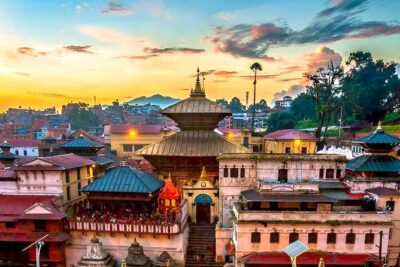 ★ 5.0Pashupatinath Temple, Hindu Crematorium and Aarati in-depth TourFrom $9025 reviews
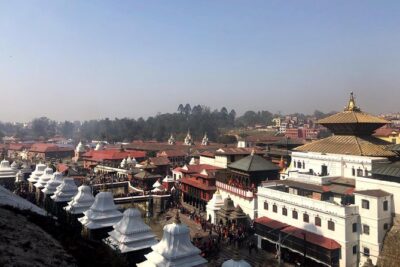 ★ 4.5Pashupatinath Evening Aarati: Few Divinely Hours in KathmanduFrom $3523 reviews
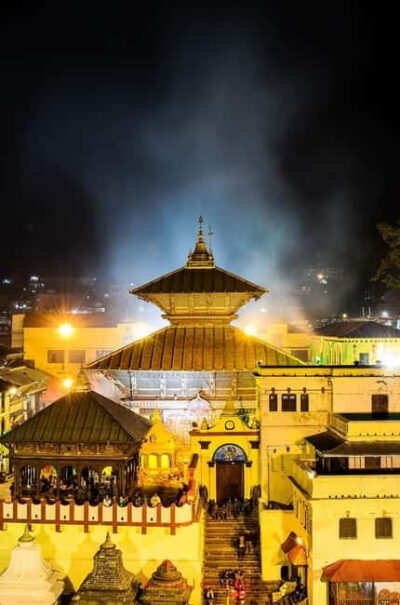 ★ 5.0Sacred Pashupatinath: Aarati,Cremation Rites & Boudha StupaFrom $1118 reviews
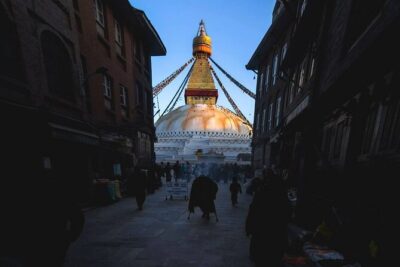 ★ 5.0PashupatiNath and BoudhaNath – Private/Small GroupFrom $1518 reviews
★ 4.7Pashupatinath Temple Evening Aarati TourFrom $2211 reviews
Browse the lists this tour appears in