
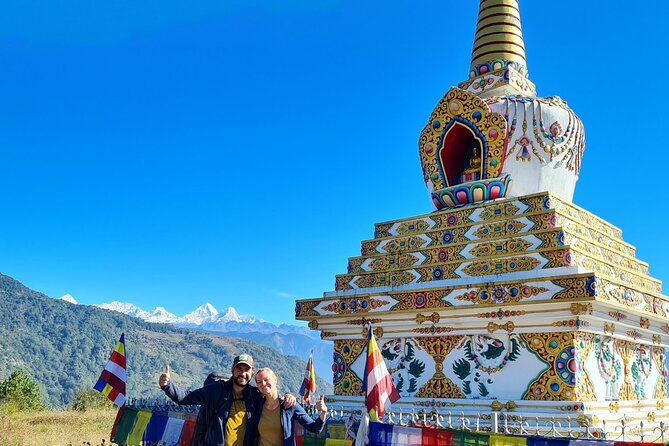
Review · LANGTANG VALLEY TREKS
10-Days Private Langtang Valley Trek in Nepal
Langtang Valley on foot feels like a reset button. This private trek pairs big mountain scenery with real village life, starting with a drive out of Kathmandu and ending with a sunrise moment at Tserko Ri.
I particularly like the focus on Kyangjin Gompa and the high-altitude views that make the hardest walking feel worth it. I also like that logistics are handled for you: an English-speaking guide, permits, and full-board meals on the trekking days.
One thing to consider: you need a moderate fitness level and good weather—this is a mountain trek, not a casual stroll.
In This Review
- Key things that make this Langtang trek work
- Setting out from Kathmandu to Syabrubesi: the mountains start early
- The Syabrubesi start: forests, farms, and Langtang’s everyday rhythm
- Lama Hotel to Ghoda Tabela: why the trail details matter
- Descending toward Kyangjin Gompa: monastery time with purpose
- Tserko Ri: structuring the day around sunrise payoff
- Returning via Lama Hotel: same route, different feeling
- Back to Kathmandu: use the buffer for real recovery
- Price, value, and what you’re really paying for
- The balance between comfort and challenge on a private trek
- Where this trek fits best (and who should pass)
- Should you book the 10-Day Private Langtang Valley Trek?
- FAQ
- How long is the Langtang Valley private trek?
- Where does the trek start?
- Is this trek private?
- What’s included in the price?
- What is not included?
- Do they offer pickup?
- Where do you meet the tour provider?
- Is cancellation free?
Key things that make this Langtang trek work
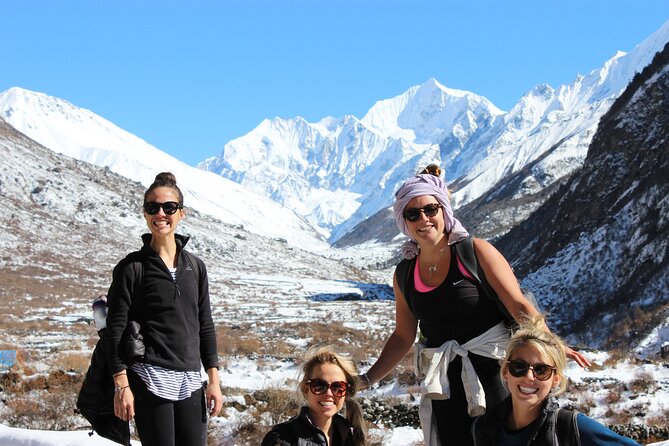
- Private, just your group: you’re not sharing the rhythm with strangers.
- English-speaking professional guide: helps you stay calm, informed, and on pace.
- Permits handled: trekking permit, national park fee, and TIMS card fee are included.
- Full-board during the trek: breakfast, lunch, dinner, and hot drinks are built in.
- Kyangjin Gompa + prayer culture: monastery time is more than a photo stop.
- Tserko Ri sunrise payoff: the day is structured around a view with real momentum.
Just your group, at your own pace
- Private Kathmandu Sightseeing Tour | UNESCO World Heritage sites★ 5.0 · 756 reviews
- Kathmandu: Full Day 7 UNESCO Tour with Lunch – Private/Group★ 5.0 · 415 reviews
- Private Bhaktapur and Nagarkot Day Tour From Kathmandu★ 5.0 · 305 reviews
- Kathmandu: Full Day Top 4 UNESCO Tour with Lunch – Private/Group★ 5.0 · 269 reviews
Setting out from Kathmandu to Syabrubesi: the mountains start early
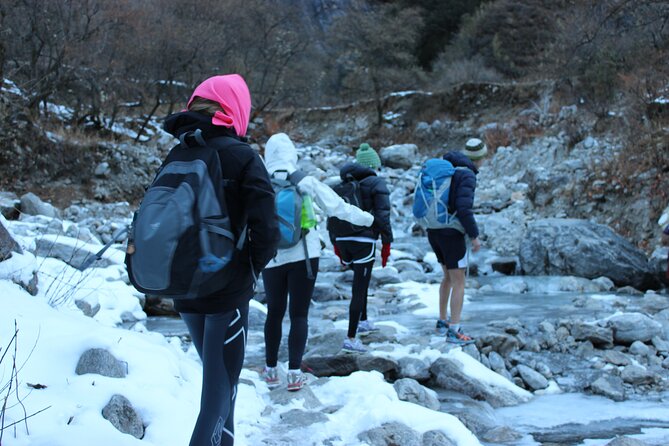
Most Langtang treks begin with a long road day, and this one follows that pattern. You start in Kathmandu, meet a representative, and get settled in a hotel. That first evening includes a special Nepali dinner, a small but helpful way to start understanding the food culture you’ll keep seeing on the trail.
Then the real kickoff happens the next day: an air-conditioned vehicle moves you from Kathmandu toward Syabrubesi with constant changing scenery. You’ll travel through winding roads and switchbacks, passing settlements along the way. It’s a good setup because it gives your body a gentler on-ramp before you start walking for real.
If you like having context while you travel, this road segment gives you it. You see mountains and villages forming the backdrop for the trek you’re about to do—so once you’re on foot, the valley doesn’t feel random.
The Syabrubesi start: forests, farms, and Langtang’s everyday rhythm
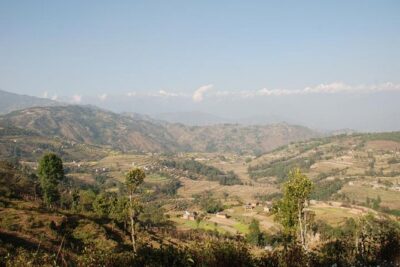
On day two, the trek begins from Syabrubesi. You’re in a rural rhythm right away: small paths, farmlands, and then rising into forest sections. This part matters because Langtang is not just about peak views; it’s about how people live near the mountains, and how the trail threads through that life.
The route continues toward Phedi Khola, passing through oak and rhododendron forests. Rhododendron country can look different by season and weather, but the key thing is the forest gives your legs a change in feel—cooler, shaded stretches compared to more exposed sections.
You end the day at Lama Hotel. For a trekking day, the value of a place like this is simple: it’s practical. You get your first rhythm of lodge life—meals, resting, and getting used to the altitude slowly rather than all at once.
Lama Hotel to Ghoda Tabela: why the trail details matter
From Lama Hotel, the trek pushes onward to the area around Ghoda Tabela (often connected with Kala Ghoda in route descriptions). The walk takes you through the Langtang village region toward Mandu, and then into lush green meadows.
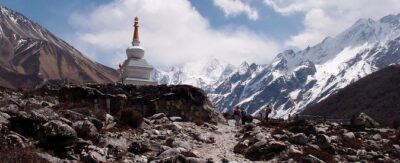
This is one of the more visually rewarding transitions on the route. Meadows tend to open your sightlines, and that helps you start spotting how big the Langtang range is—especially the white peaks that show up in clearer moments.
There’s also an important human context to this section. Longtang village was hit by the April 2015 earthquake, and you’ll want to keep that in mind as you pass through the area. It’s not just a scenic trek; it’s walking through a place that has lived through disruption and rebuilding.
If you’re the type who likes to understand what you’re seeing, slow down during this day. Look at the village layout, how people have adapted, and how the trail moves through the settlement rather than around it.
Descending toward Kyangjin Gompa: monastery time with purpose
After the meadow-and-village day, you move toward Kyangjin Gompa, which functions as a major monastery in the area. This stop is one of the best reasons to book this trek, because the day isn’t only about a destination—it’s about the cultural markers you pass along the way.
As you descend, you’re surrounded by religious details: prayer wheels and prayer areas, plus water-mill type features you may see along the route. You also encounter sacred hills—places that feel like the trail’s own spiritual landmarks.
Then you reach Kyangjin Gompa and stay there. Lodge life at the monastery area tends to be straightforward: warm enough, simple enough, and built around the realities of trekkers passing through. The upside is you get a steady base to adjust to the altitude and take in the monastery setting at an unhurried pace.
More trails out of Kathmandu, boots ready


Tserko Ri: structuring the day around sunrise payoff
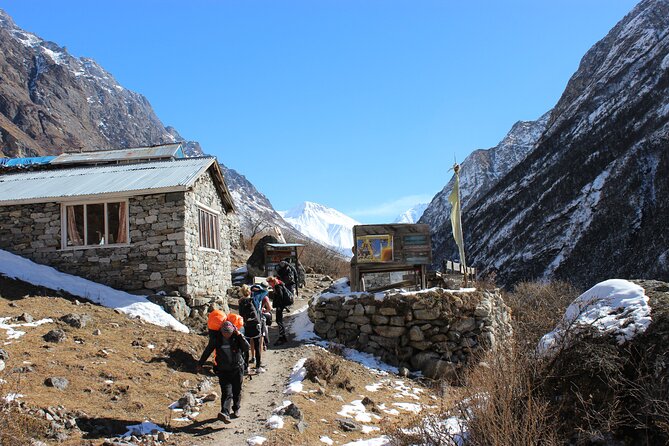
On the following day, you spend time around Tserko Ri from the Kyangjin Gompa base. This is the trekking day’s big view moment. Your route gives you time for rest and exploration before you head out to the sunrise segment.
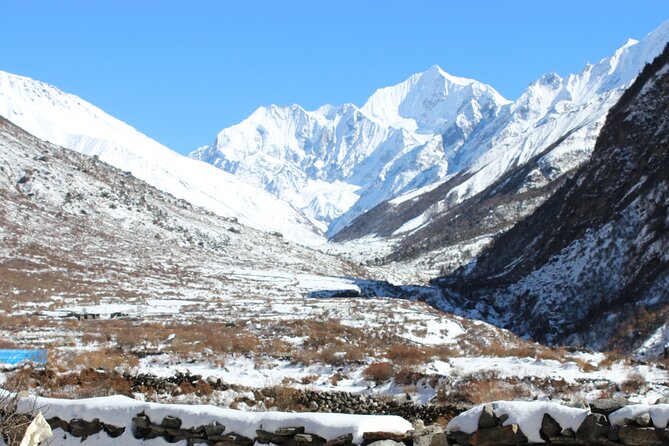
The itinerary is set up so the day isn’t wasted. You get a chance to acclimate, then you push toward the viewpoint for the sunrise over the Langtang ranges. When the sky cooperates, sunrise can turn the whole valley into a layered map—ridge after ridge, lit and then fading into shadow.
Then you head back down to Kyangjin Gompa for the overnight. That rhythm is smart. It keeps the day focused on the view you came for without forcing you into a long, confusing route plan when you’re already tired.
Practical tip: treat this day like a priority. Keep your layers ready and don’t overpack your energy. Sunrise days often feel cold and slow early on, then suddenly fast later.
Returning via Lama Hotel: same route, different feeling
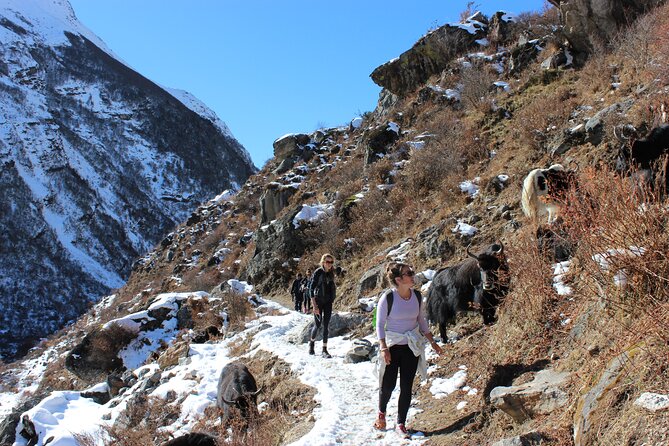
Day seven brings the loop back. You head early toward Lama Hotel, walking through forests and Tamank villages. This matters because your second pass through an area can teach you what you missed the first time: the small changes, the shapes of homes, how the trail bends around livelihoods.
Returning also helps your legs. You’re not climbing in the same way you did toward the monastery and viewpoint. You’re building endurance and finishing the trek with better pacing.
After that, the next day brings you back down to Syabrubesi. It’s the kind of shift that makes you appreciate the structure of the route. By then, you’re already familiar with lodge rhythms and trekking days, so you’re not starting from zero again.
Back to Kathmandu: use the buffer for real recovery
You return to Kathmandu on day nine after an early breakfast. This is where you should plan to act like a traveler, not a soldier. You’ve done the physical work; now you get to enjoy the city side.
Shopping is mentioned as an option, which makes sense: Kathmandu is practical for buying gifts, snacks, and small items you’ll want to bring home after the mountains. Since meals in Kathmandu are not included on this tour, it’s a good moment to eat local and decide what you actually want to pay for.
Then day ten is for final departure support. A representative helps you with the end of the trek and moving on.
Price, value, and what you’re really paying for
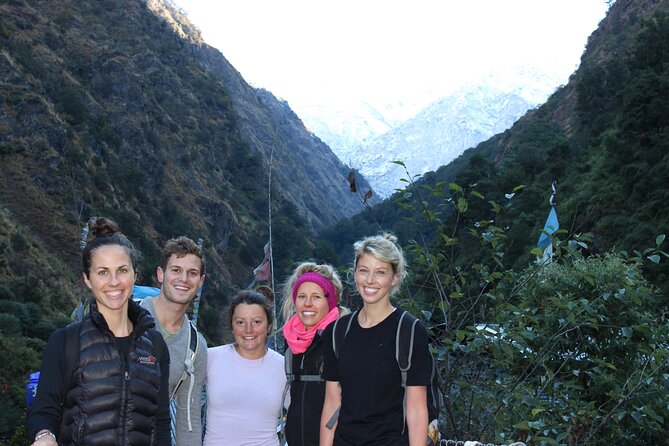
At $850 per person for a roughly 10-day private trek, the value isn’t just the scenery. It’s what’s included and how it reduces the hidden costs that normally bite first-time trekkers.
Here’s what stands out as “you’re paying for peace of mind”:
- Meals on trek days: breakfast, lunch, dinner, plus hot drinks and tea/coffee. That means fewer logistical problems and less spending day-to-day.
- Permits included: trekking permit, national park fee, and the TIMS card fee. Paperwork can be a headache if you’re doing everything yourself.
- Accommodation included: hotel or lodge nights built into the plan.
- Air-conditioned vehicle: at least for the Kathmandu-to-trek-drive segments, which is a real comfort factor at the start and end.
- English-speaking guide and first aid kit: you’re not guessing your way through a route at altitude.
- Trekking map: small thing, but helpful when you want to understand your progress.
What’s not included is also clear: lunch and dinner in Kathmandu and tips for trekking staff. That’s normal, but it’s still good to budget for. If you’re trying to keep costs tight, plan your Kathmandu meals intentionally instead of assuming they’re covered.
The main “price consideration” is that private treks usually cost more than group departures. If you truly want your own pace and your own guide attention, that cost makes sense. If you’re flexible and want to minimize price, you might compare against group treks elsewhere—but this format is built for comfort and coordination.
The balance between comfort and challenge on a private trek
This trek stays practical, not flashy. You’ll be in lodges and hotels, and the meals are provided on most days. That’s the comfort side.
The challenge side is altitude and walking time. The guidance says you should have moderate physical fitness. That’s exactly the right kind of warning: you don’t need to be an elite hiker, but you do need to walk steadily, climb and descend, and be comfortable with cold mornings if you’re aiming for sunrise.
Because it’s private, you also have the benefit of a guide who can adjust pace for your group. One of the strongest themes from client experiences is that the operation feels organized and stress-free, and that plans can be adjusted as you notice conditions. Even without overpromising what will change, the overall structure is clearly meant to reduce confusion.
Where this trek fits best (and who should pass)
This is a great match if you want:
- Culture + nature in one itinerary, including monastery time at Kyangjin Gompa
- A scenic payoff day built around Tserko Ri sunrise
- A trek where permits and many logistics are handled for you
It’s also worth it if you like having an English-speaking guide who can explain what you’re seeing along the way, especially around religious and community landmarks.
You should consider another option if:
- You expect a fully easy walking holiday. This is still a mountain trek with real physical demands.
- You don’t want any weather risk. The experience needs good weather, and the plan can depend on conditions.
Should you book the 10-Day Private Langtang Valley Trek?
I’d book it if you want a well-run trek that combines mountain views with meaningful stops like Kyangjin Gompa and a sunrise climb that feels like the heart of the trip. The included permits, meals on trekking days, and guide support are the kind of details that keep the trip enjoyable instead of stressful.
I’d pause if you’re very sensitive to cold, altitude, or walking pace. Also remember Kathmandu meals aren’t included on the tour, so you’ll plan those yourself.
If you’re deciding today, one more practical angle: free cancellation is offered up to 24 hours before the start time, and weather can also affect scheduling. That helps, because with mountain trips, flexibility often matters as much as your gear.
FAQ
How long is the Langtang Valley private trek?
It’s listed as 10 days approximately.
Where does the trek start?
The trip begins in Kathmandu, then you drive toward Syabrubesi and start trekking from there.
Is this trek private?
Yes. It’s a private tour/activity, so only your group participates.
What’s included in the price?
Included are breakfast, lunch, and dinner (plus hot drinks and tea/coffee), an English-speaking professional guide, trekking permit and national park & TIMS card fees, lodge/hotel accommodation, an air-conditioned vehicle, a first aid medical kit, and a trekking map.
What is not included?
Not included are lunch and dinner during your stay in Kathmandu and tips for trekking staff.
Do they offer pickup?
Yes, pickup is offered.
Where do you meet the tour provider?
Ticket redemption is at Nepalaya Treks & Expedition, Thamel, Kathmandu 21292, Nepal.
Is cancellation free?
You can cancel for a full refund if you do it at least 24 hours in advance. The experience also requires good weather, and it may be offered on a different date or refunded if canceled due to poor weather or if the minimum number of travelers isn’t met.
More Trekking Out of Kathmandu






Private Days, Your Group Only


More Tour Reviews in Kathmandu



Just Reviewed in Kathmandu
- Mountain Bike Tour
★ 5.0 · 3 reviews - Annapurna Panaroma
★ 5.0 · 3 reviews - Mount Everest Scenic Flight 50 Minutes
★ 5.0 · 3 reviews - Kathmandu : Swambhunath & Durbar Square Guided Half Day Tour
★ 3.3 · 3 reviews - Chandragiri Cable Car & Monkey Temple Tour – Private/Group
★ 5.0 · 3 reviews - Kathmandu: Shivapuri National Park Hiking Day Trip
★ 3.3 · 3 reviews
Langtang Valley Treks, compared.
 ★ 5.0Langtang Valley TrekFrom $555140 reviews
★ 5.0Langtang Valley TrekFrom $83061 reviews
Langtang Valley TrekFrom $70050 reviews
 ★ 5.08 Days Tour in Langtang Valley TrekFrom $69845 reviews
 ★ 5.0Private 8 – Day Langtang TrekkingFrom $58429 reviews
★ 5.0Langtang Valley TrekFrom $1,00023 reviews
 ★ 5.06-Day Limitless Langtang TrekFrom $18121 reviews
 ★ 5.0Langtang Valley TrekkingFrom $75020 reviews
Browse the lists this tour appears in