
Review · ANNAPURNA BASE CAMP TREKS
11-Day Hike Tour to Annapurna Base Camp Bliss in Kathmandu
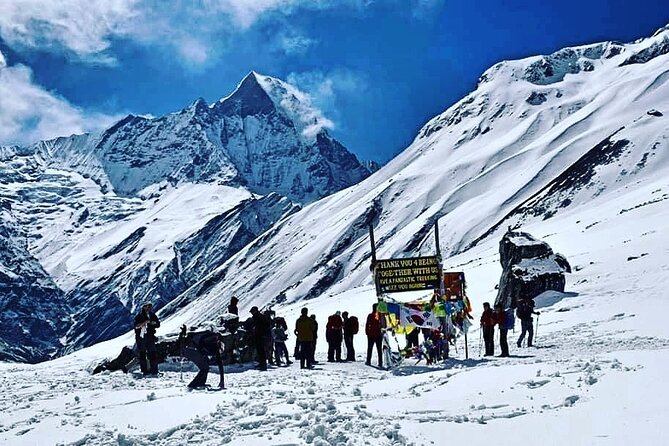
One steep mountain climb beats a hundred couch days. This 11-day Annapurna Base Camp trek is built around big view days—Poon Hill sunrise and reaching 4,130m Annapurna Base Camp—plus real village hiking through places like Tikhedhunga and Chhomrong. I especially like how the trip uses a logical progression from easier starts to the main push, and how guides and porters show up in reviews as practical, calm support (names like Raju and Bishal Gurung come up). One drawback to weigh: long walking days and cold, windy weather near higher elevations can be tough if you’re not used to hiking uphill.
You’ll also appreciate the basics that matter: you’re met in Kathmandu, moved between cities via domestic flights, and fed with a set meal plan (breakfast and lunch nearly every day). The route gives you more than one “wow” moment, so even if clouds roll in for a day, you still have other chances at mountain views.
In This Review
- Key highlights I’d plan around
- Kathmandu to Pokhara: getting to the mountains without wasting days
- Tikhedhunga and Ulleri stairs: the trek’s first reality check
- Poon Hill: your first big payoff before you go higher
- Tadapani to Chhomrong: village life and the Annapurna viewpoint angles
- Deurali and the rhododendron climb: when the air gets serious
- The Machhapuchare approach and the ABC arrival: the amphitheater moment
- Sunrise at base camp, then down to Sinuwa: don’t underestimate the descent
- Jhinu Danda hot spring: a steep day with a payoff
- Pokhara recovery day: Devi’s Fall, Peace Stupa, and lakeside time
- The final return to Kathmandu and market time
- Price and logistics: what $1,300 buys you (and what you still handle)
- Who this Annapurna Base Camp trek fits best
- Should you book this Annapurna Base Camp trek?
- FAQ
- How long is the Annapurna Base Camp trek?
- Where does the tour start and end?
- Is this a private tour?
- What meals are included?
- Do I need a trekking stick?
- What happens if weather is poor?
Key highlights I’d plan around
- Poon Hill for early mountain light before the main ascent
- Annapurna Base Camp at 4,130m with the amphitheater-style peak backdrop and Machhapuchare views
- Hot spring reset at Jhinu Danda after the steep descent days
- A guide-led pace that keeps beginners moving (feedback includes steady encouragement like taking it step by step)
- Meals included for most days, which keeps logistics simple on the trail
More trails out of Kathmandu, boots ready
- Everest Base Camp Trek – 14 Days★ 5.0 · 1,499 reviews
- Everest Base Camp Trek★ 5.0 · 842 reviews
- Everest Base Camp Trekking★ 5.0 · 485 reviews
- Nagarkot Sunrise View and Day Hiking from Kathmandu★ 5.0 · 471 reviews
Kathmandu to Pokhara: getting to the mountains without wasting days
Most Annapurna trips feel “slow” before the first trail step. This one helps that by moving you out of Kathmandu quickly and using a flight to Pokhara. On day 1, you’re welcomed at Tribhuvan International Airport and transferred by private vehicle to your hotel area.
What I like here is the low-friction start. If you’re arriving with jet lag, having someone meet you and handle the first transfer means you can focus on one thing: sleep and prep. Then day 2 shifts you toward the trek start by flying to Pokhara. From there, the plan threads you into the lower-elevation trailheads near Tikhedhunga/Nayapul style access.
Practical takeaway for you: treat Pokhara as your gear-check checkpoint. Your pack should be light enough for uphill days, but ready for cold at night. If you bring layers, you’ll use them more than you think—tea houses don’t always feel warm in the way a hotel does.
Tikhedhunga and Ulleri stairs: the trek’s first reality check
The early hiking days build character fast. You cross a suspension bridge over the Tikhedhunga stream, then the route climbs to Ulleri, including a famously steep stretch of stone steps—around 3,300 stairs mentioned in the plan.
This is where the Annapurna trek tells you what it is. You’re not doing a casual walk. Even though it’s not the highest part of the trek, your legs get the message early. That’s also why I like it: if you can handle this start, the later days feel more manageable.
A small drawback: those steps are mentally annoying. They’re repetitive. If you rush, you’ll burn your legs before you even reach the nicest viewpoints.
How to make this day work: plan your rhythm around breathing, not speed. Your guide support matters here. In the feedback I saw, guides like Raju and Ramji were singled out for planning, patience, and encouragement—especially for people who weren’t sure they’d finish. That kind of coaching can be the difference between surviving the first hard day and enjoying it.
Poon Hill: your first big payoff before you go higher
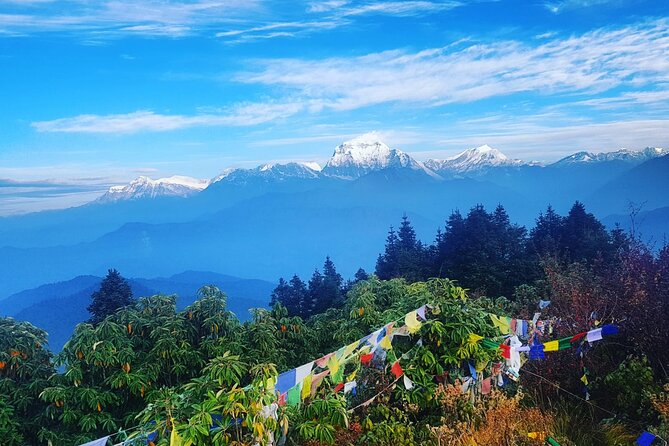
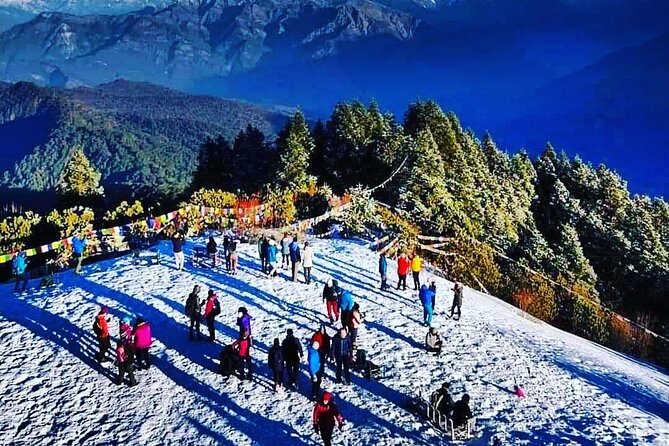
On day 4 you’re routed to Poon Hill, one of the most practical “first mountain view” moments on the Annapurna circuit family of treks. The plan is straightforward: you go up for the viewpoint, take in the big look at Mt. Annapurna and Fishtail, then descend back toward Ghorepani for breakfast and continue on.
Why this matters: Annapurna Base Camp is at a much higher altitude, and weather is not always predictable. Poon Hill gives you a strong chance at seeing the Himalayan giants before conditions potentially tighten later.
Then you hike to Tadapani, moving along the trail that’s known in the plan for crossing rhododendrons and higher-alpine vibes as elevation increases. You’re still in the “walking feels harder but still doable” zone.
Tip: if you’re sensitive to cold mornings, pack a hat you’ll actually wear. Early starts are part of the deal when you want sunrise light.
Tadapani to Chhomrong: village life and the Annapurna viewpoint angles
From Tadapani the route heads toward Sinuwa/Chhomrong-area walking, with time built in for that classic Annapurna feel: downhill moments, then climbs, then more views. Chhomrong is a key village stop in many ABC treks, and this plan includes it.
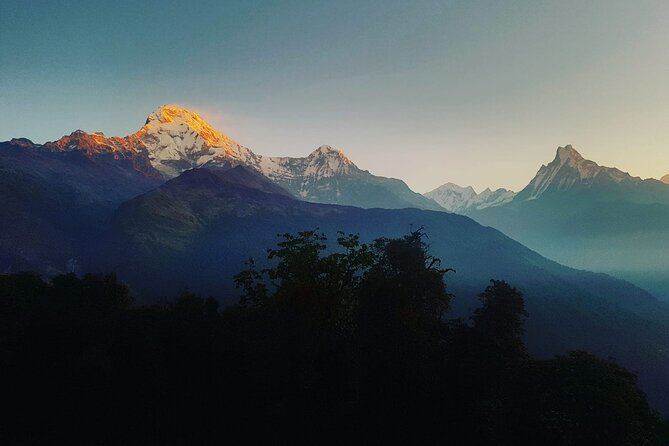
I like this section because it’s where you feel the trek becoming cultural, not just physical. The plan specifically calls out the Gurung ethnic group culture experience near Chhomrong/Sinuwa segments, plus the way the trail crosses to viewpoints where Mt. Annapurna South and Hiunchuli can show a mirror-like face on clear days (the plan mentions that kind of visual effect).
One caution: this is also where the trail can feel long. Day 5 is listed as a longer walking day. If you’re the type who starts strong and then slows down, this is where you want to pace early.
How to prepare: keep your snack game simple—small, frequent bites. That way you don’t crash when the climb steepens.
Deurali and the rhododendron climb: when the air gets serious
Day 6 takes you toward Deurali, with the route described as following rocky trail stretches through dense rhododendron and alongside the Modi Khola corridor. Even if you’re not a “forest person,” rhododendron sections help break up the monotony of constant open-slope hiking.
This day is a middle-altitude hinge. It’s not the final push to base camp yet, but the body starts noticing thin air. If you’ve never hiked at elevation, this is where you learn how much slower you need to go than you think.
My advice: treat this day as training for altitude discipline. Slow steps. Short rests. Hydrate even when you don’t feel thirsty. Your guide’s job is to keep you moving safely; your job is to cooperate with the pace.
The Machhapuchare approach and the ABC arrival: the amphitheater moment
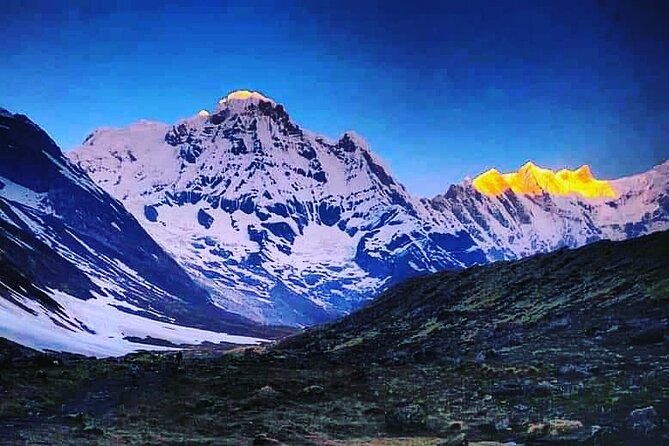
Day 7 is your main summit-day style push, with the plan calling out a close encounter view list: Fishtail, Annapurna III, Gangapurna, and then Annapurna I. It also mentions Machhapuchare (Fishtail’s famous neighbor), including the trail heading toward Machhapuchare base-camp style areas before reaching Annapurna Base Camp.
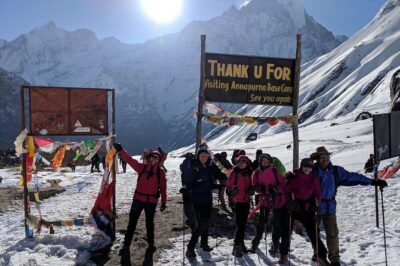
And yes, this is the big one: Annapurna Base Camp sits at 4,130 meters, and the description emphasizes the amphitheater-style ring of peaks around you. That’s what you’ll feel in your chest when you arrive—like the mountains don’t just surround the space, they frame it.
A realistic consideration: cold can hit hard here, and wind can be punishing. In the feedback, people specifically mentioned harsh weather and cold mountain wind, with guides showing up as calm, supportive partners. That lines up with what you should expect at elevation.
Gear note that actually matters: bring gloves and a warm layer you can put on quickly. Tea house hot drinks help, but you’ll still want warm hands before you sit still.
Sunrise at base camp, then down to Sinuwa: don’t underestimate the descent
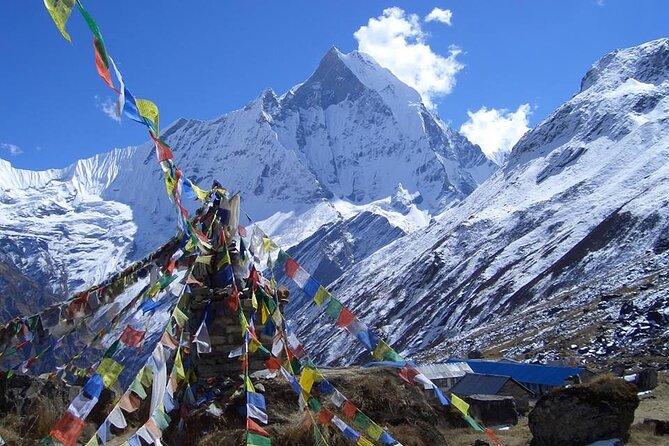
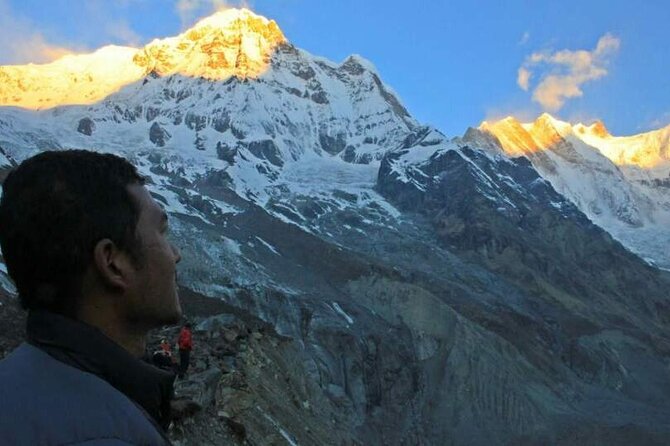
Day 8 is built around a morning around base camp for sunrise over Mt. Annapurna, then a descent to Sinuwa. This is a smart structure: you get one more mountain-light moment, then shift toward recovery.
This is also where many people make a mistake: they treat the descent like it’s easy because the elevation is dropping. But descents can be brutal on knees and shins. The plan says day 8 is long, and it’s not just “walk down and relax.” You’ll still be on your feet a lot.
You’ll likely be thankful you used day 7 to hydrate well and keep your energy steady. That sets you up for a safer descent.
Jhinu Danda hot spring: a steep day with a payoff
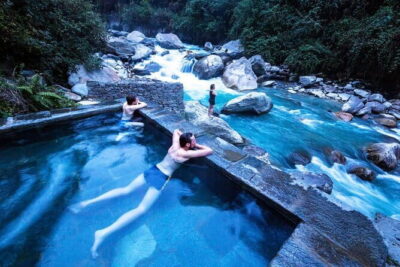
Day 9 is the route back toward Chhomrong, then a steep descent to Jhinu Danda, where you can use the natural hot spring. This is one of the most practical “recovery rewards” on the entire ABC trek. After days of uphill effort (and the knee stress from downhill segments), warm water can feel like resetting your whole body.
One scheduling note from the plan: breakfast, lunch, and dinner are included on this day. That matters because it reduces decision fatigue when you’re already tired.
The drawback? The descent to Jhinu Danda is described as extremely steep. If you’re prone to shin splints or knee pain, take your time here. A trekking pole can help a lot on steep downhills, and while it’s mentioned that a stick is not compulsory, you should strongly consider using one.
Pokhara recovery day: Devi’s Fall, Peace Stupa, and lakeside time
Day 10 brings you back down to Pokhara, where the plan includes time for sightseeing options like Devi’s fall, Peace Stupa, and a boating chance on Phewa Lake, plus lakeside nightlife time.
I like this kind of day because it turns the trek into a full vacation, not just a workout with a few photos. You can soak up normal city comforts—warm meals, less altitude pressure, and the kind of sleep that doesn’t involve waking up shivering.
What you’ll want to watch: don’t overbook. After a trek, your body is still recovering. Choose one or two sights and keep some margin.
The final return to Kathmandu and market time
On day 11, you drive to the Pokhara domestic airport and fly back to Kathmandu. Then you get a few hours for shopping and local market time around Ason and Thamel.
This is where you’ll likely want to do three things: buy a few small souvenirs, replace anything you ran out of (thermals, socks, sun protection), and plan how to handle the post-trek “I want to stay longer” mood.
One small logistical note: the plan describes the flight timing as late-day based on the schedule window. Build flexibility into your final travel evening.
Price and logistics: what $1,300 buys you (and what you still handle)
At $1,300 per person for an 11-day trek, the real question is value: what’s included that reduces your stress, and what you must bring anyway.
Here’s what the plan includes:
- Meals: 11 breakfasts, 11 lunches, and 10 dinners.
- Pickup offered and airport meet/transfer on arrival.
- Mobile ticket is used for the booking.
- Private tour meaning it’s only your group.
And what you should plan to cover yourself:
- A trekking stick is not compulsory, and it isn’t listed as included. You can buy one locally in Thamel area for a budget range mentioned in the plan.
Is $1,300 “cheap”? Not exactly. But in the trek world, that price often reflects the effort of arranging transport (airport meet, private transfers, domestic flight connections), managing day-to-day food, and keeping a guide/porter team organized.
Where you get the most value: when weather turns cold or conditions feel tough, the guides and porters become more important than extra amenities. In multiple feedback examples, people credited their guides for planning and care—names like Raju, Bishal Gurung, and Ramji showed up, and porters like Sandesh and Ishor were also mentioned. That kind of human support is hard to quantify but easy to feel on the trail.
Who this Annapurna Base Camp trek fits best
This trek is described as suitable for travelers with moderate physical fitness. That means it’s not designed for a total couch-to-trek jump, but it can work for you if you:
- can handle long walking days with uphill and downhill segments
- don’t mind steep stairs early on
- are comfortable with cold and thin-air days
It also helps if you like guided structure. This is a private tour, so it’s easier to match pace to your group and to ask questions without waiting your turn.
If you’re the kind of traveler who wants a strict “rest every day” schedule, this won’t be your best match. You’ll be moving most days.
Should you book this Annapurna Base Camp trek?
If you want Annapurna Base Camp with a route that builds in sunrise moments (Poon Hill and base camp), includes a hot spring recovery stop, and keeps meals handled for most of the trek, I’d say this is a strong option.
Book it if:
- you want guide-led pacing and real support on tougher days
- you like the idea of mixing viewpoint thrills with village hiking
- you want fewer logistics decisions because meals and transfers are set
Skip it (or think twice) if:
- steep descents and long walking days will make you miserable
- you don’t want cold, windy conditions near higher elevations
If weather is the deciding factor for you, know the plan says the trek needs good weather and that weather cancellations come with an option to switch dates or get a full refund.
FAQ
How long is the Annapurna Base Camp trek?
The trek runs about 11 days.
Where does the tour start and end?
It starts at Thamel, Kathmandu (44600, Nepal) and ends back at the same meeting point.
Is this a private tour?
Yes. It’s listed as a private tour/activity, so only your group participates.
What meals are included?
The plan includes 11 breakfasts, 11 lunches, and 10 dinners.
Do I need a trekking stick?
A trekking stick might be helpful, but it’s described as not compulsory. If you need one, it can be found in the Thamel area for a budget range mentioned in the plan.
What happens if weather is poor?
The experience requires good weather. If it’s canceled due to poor weather, you’re offered a different date or a full refund.
If you want, tell me your travel month and your current hiking comfort level (easy walks vs. hills/stairs). I’ll suggest how to pace this trek day by day so you enjoy the views instead of racing the trail.
More Trekking Out of Kathmandu
More Tours in Kathmandu


More Tour Reviews in Kathmandu
Just Reviewed in Kathmandu
- Mountain Bike Tour
★ 5.0 · 3 reviews - Annapurna Panaroma
★ 5.0 · 3 reviews - Mount Everest Scenic Flight 50 Minutes
★ 5.0 · 3 reviews - Kathmandu : Swambhunath & Durbar Square Guided Half Day Tour
★ 3.3 · 3 reviews - Chandragiri Cable Car & Monkey Temple Tour – Private/Group
★ 5.0 · 3 reviews - Kathmandu: Shivapuri National Park Hiking Day Trip
★ 3.3 · 3 reviews
Annapurna Base Camp Treks, compared.
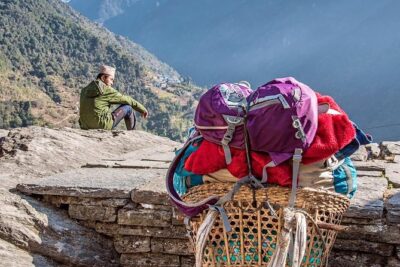 ★ 5.0Annapurna base camp trek 5 DaysFrom $699252 reviews
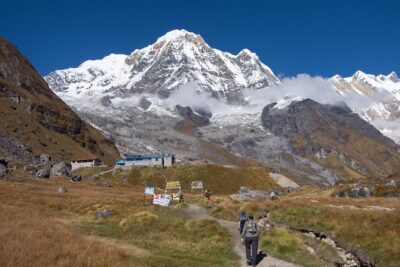 ★ 5.014-Day Private Annapurna Base Camp TrekFrom $1,090180 reviews
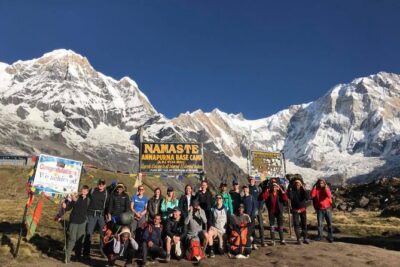 ★ 5.0Annapurna Base Camp TrekkingFrom $1,779116 reviews
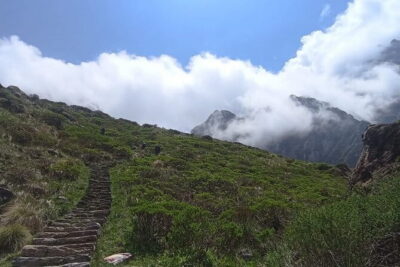 ★ 5.0Annapurna Base Camp TrekFrom $935111 reviews
★ 5.0Annapurna Base Camp TrekFrom $1,350107 reviews
★ 5.0Annapurna Base Camp TrekFrom $935111 reviews
★ 5.0Annapurna Base Camp TrekFrom $1,350107 reviews
 ★ 5.0Kathmandu to Annapurna Base Camp (ABC) 5-Day TrekFrom $99102 reviews
 ★ 5.0Annapurna Base Camp Trek- 11 DaysFrom $99990 reviews
 ★ 5.0Annapurna Base Camp Trek 12 DaysFrom $80085 reviews
Browse the lists this tour appears in