
Review · PEAK CLIMBING & EXPEDITIONS
4 Days Pikey Peak Trek : The Best View of Mt Everest
Pikey Peak delivers big Himalaya moments in just four days. This Lower Khumbu trek is built for Everest views without the weeks-long grind, mixing village life with high ridgelines and that sunrise light you came for. You’ll also get a rare-feeling quiet compared with bigger Everest routes.
What I like most is the way this itinerary makes altitude feel manageable: you climb to Pikey Peak (4,065m), then you’re back to lower air the same day. I also love the mix of scenery—alpine meadows and rhododendron forests—paired with Buddhist landmarks like stupas and monasteries along the way.
The main drawback? Plan for the long drive: it’s a long sit from Kathmandu to Dhap and back, so if you hate road time, you’ll feel it.
In This Review
- Key highlights to notice before you go
- Why Pikey Peak feels like Everest, minus the chaos
- Day 1: Kathmandu to Dhap, then Jhapre at 2,820m
- Day 2: Pikey Base Camp at 3,640m and the quiet high air
- Day 3: Pikey Peak summit at 4,065m—views from Kanchenjunga to Everest
- Altitude reality check (so you’re prepared)
- Day 4: Return to Dhap and the drive back to Kathmandu
- Lodges, food, and what you pay for (so there are no surprises)
- Price and value: what $350 covers (and why it’s not just a bargain)
- The guide makes the difference (and here you’ll get real support)
- Packing list that fits the real conditions (not an internet fantasy)
- When weather is on your side: the best seasons for views
- Connectivity, cash, and electricity: keep it simple
- Should you book the 4-day Pikey Peak trek?
- FAQ
- Is this trek suitable for beginners?
- How high do you hike on this trek?
- What kind of lodging do you get?
- Are meals included?
- Do I need a porter?
- What about permits and taxes?
- How big is the group?
- How do I handle cash and connectivity?
- What should I pack for altitude and cold?
Key highlights to notice before you go
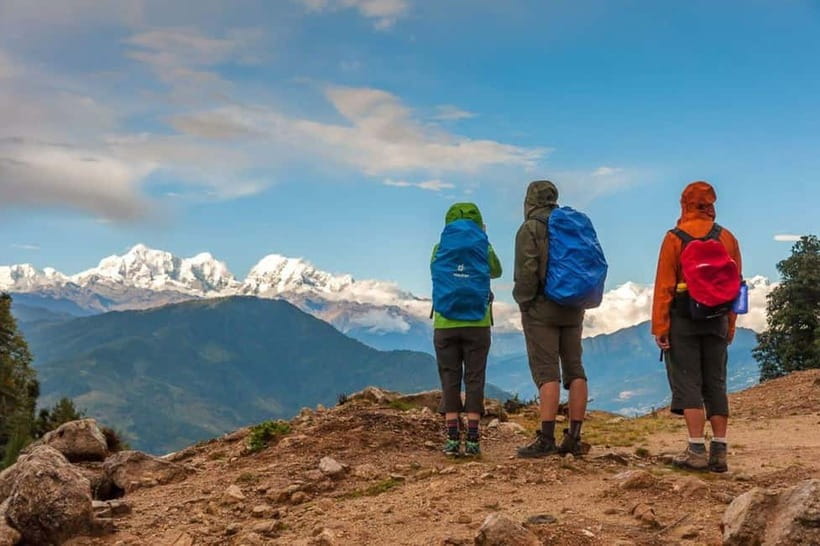
- Everest views with fewer crowds: You’re chasing the big skyline fast, not spending weeks in transit and camps.
- Sunrise timing at Pikey Peak: The climb is designed so the top is the best place for the first light.
- Culture stops in small villages: Tibetan-influenced Kerung and Sherpa communities add meaning beyond the photos.
- A moderate-altitude win: At 4,065m, it’s not “easy,” but it’s realistic for beginners who move slowly.
- Lodge trekking that’s basic but cozy: Twin rooms, blankets, breakfast included—plus tea-house meals you pay for.
- Small group, limited to 8: More flexibility and less waiting around on narrow trails.
More trails out of Kathmandu, boots ready
- Everest Base Camp Trek – 14 Days★ 5.0 · 1,499 reviews
- Everest Base Camp Trek★ 5.0 · 842 reviews
- Everest Base Camp Trekking★ 5.0 · 485 reviews
- Nagarkot Sunrise View and Day Hiking from Kathmandu★ 5.0 · 471 reviews
Why Pikey Peak feels like Everest, minus the chaos
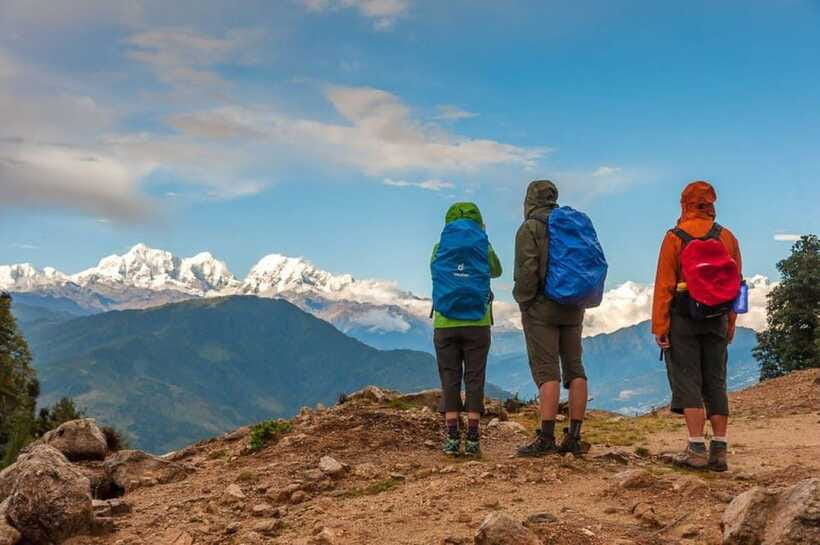
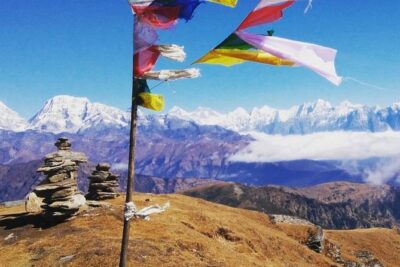
If your heart wants Everest, but your calendar says four days, this trek is one of the best ways to match the dream with reality. Pikey Peak sits in the Lower Khumbu region, and the reward is a panoramic view that can include Everest, Dhaulagiri, and Kanchenjunga in one sweeping look when weather cooperates.
What makes it feel different from the mega-trek circuits is the rhythm. The trails are calmer, the villages are smaller, and you’re not constantly sharing narrow paths with people running on their next checklist. You’ll still hike, still feel the air get thinner, and still earn that summit moment—but the vibe stays human.
I also like that this is a “taste” trek in the best sense. It’s short enough that you can do it as a quick Himalayan detour from Kathmandu, yet it’s long enough to experience real trekking flow: day-to-day altitude changes, lodge nights, and slow walking that lets the views arrive naturally.
Day 1: Kathmandu to Dhap, then Jhapre at 2,820m
You start with pickup in Thamel, then you jump into the big transport day. The drive out to Dhap takes roughly 7–9 hours by private jeep/van, following a route alongside the Sunkoshi River. It’s scenic, but it’s still a road day—so pack snacks and keep your legs loose.
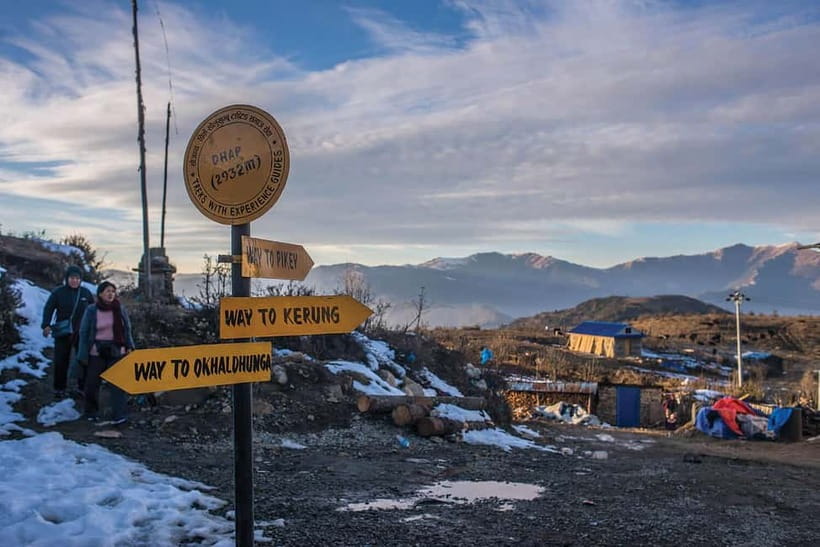
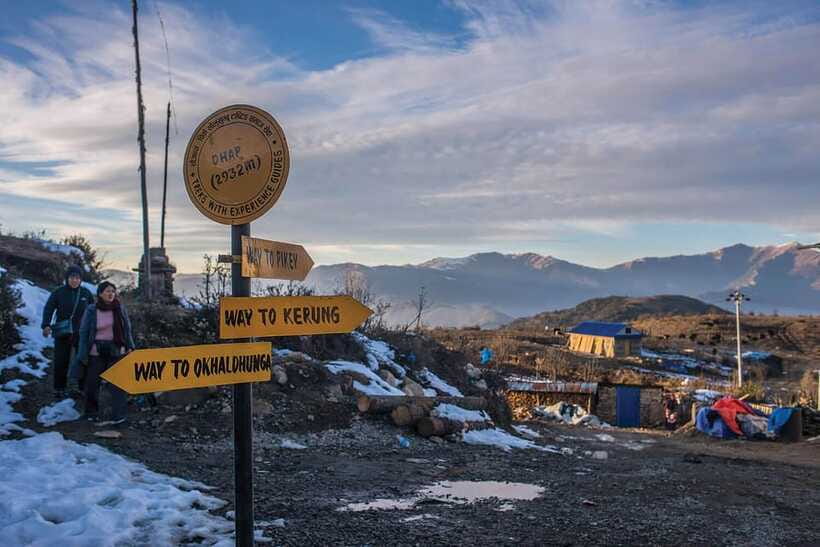
When you reach Dhap Bazar, you start hiking toward Jhapre (2,820m). The trek is lighter than the upper days, which is exactly what you want after that long car ride. Along the way, you pass terraced rice fields and forested sections, plus Tibetan-influenced pockets like Kerung where you’ll see Buddhist monasteries and quiet religious spots.
Why this day matters: it’s your warm-up, but it also sets expectations for the rest of the trek. You’ll learn how your body responds to walking, and you’ll get your first real taste of the region’s culture and trail pace.
If you’re the type who hates starting late or rushing, this works well. The route gives you a gentle ramp up, and it ends at a lodge night in Jhapre so you’re not trying to “solve” jet lag and altitude at the same time.
Day 2: Pikey Base Camp at 3,640m and the quiet high air
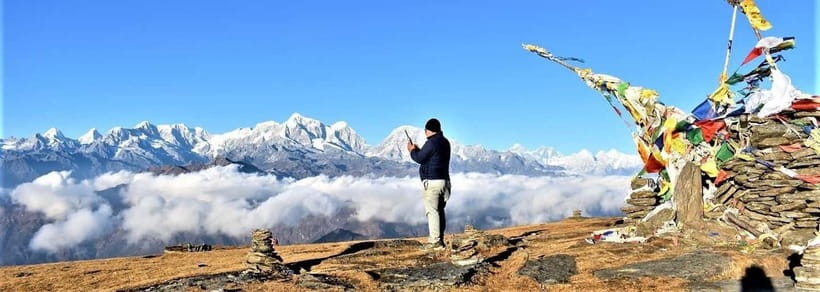
On day two you work your way up to Pikey Base Camp (3,640m), a hike that takes about six hours. The trail climbs through sections marked by stone walls, ancient stupas, and Buddhist monasteries, so even if the weather is partly cloudy, the hike still has depth.
This base camp spot is the second-highest point on the trek. That sounds like a small detail, but it changes how the day feels. You get a proper high-altitude rest point before summit day, which helps you settle in instead of feeling like the trek jumps straight into the hard part.
One thing I appreciate here is the “prepare without panic” design. There’s time to rest, slow down, and drink water. Since pacing is everything for mild altitude effects, reaching a high camp on day two lets you practice how you’ll behave on the summit morning.
In lodge country, the atmosphere matters too. Teahouses here are described as basic but cozy, and after a six-hour hike, cozy matters. You’ll likely eat and sleep in a way that keeps tomorrow’s summit attempt realistic.
Day 3: Pikey Peak summit at 4,065m—views from Kanchenjunga to Everest
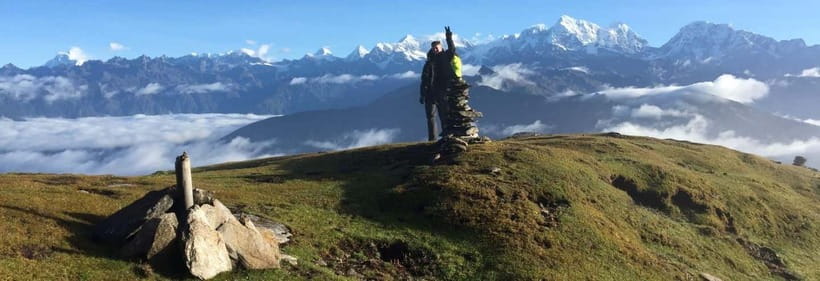
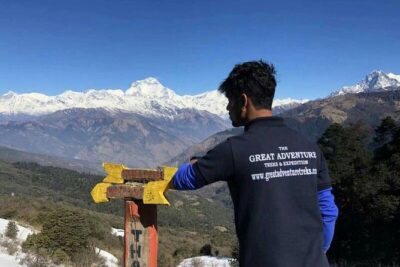
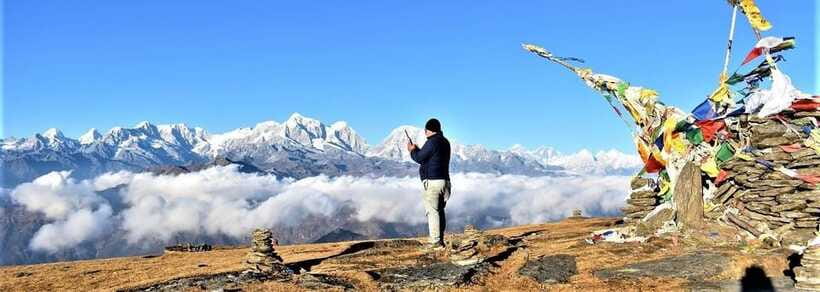
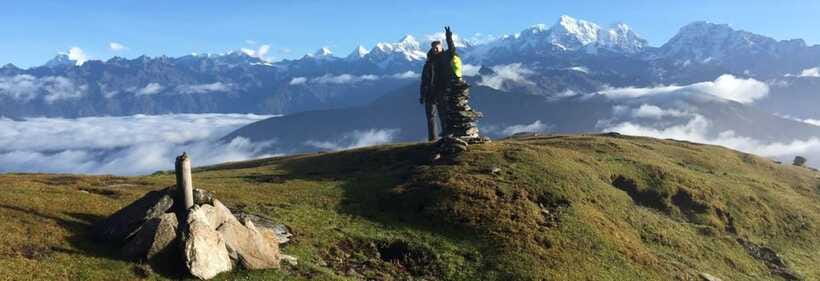
Day three is the money day. You trek from Pikey Base Camp up to Pikey Peak (4,065m). The final push to the summit takes about 1.5 hours, and from the top you get a wide sweep across the Himalayas—Kanchenjunga in the east, Dhaulagiri in the west, and (when skies align) a clear view of Mount Everest at 8,848m.
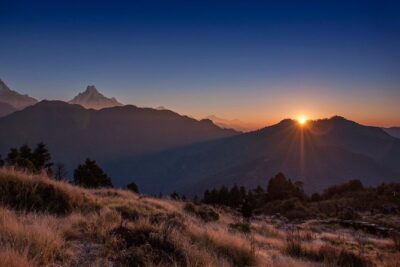
The trek’s highlight is the sunrise above Pikey Peak. You’re not just going for a midday panorama; you’re going for the first light moment that turns snowy peaks into something sharper and more dramatic. That’s why summit-day timing is so important: if the clouds roll in or you’re moving too fast, the view you planned for can vanish.
After soaking in the top, you descend back to Pikey Base Camp and continue down to Jhapre. The downhill is about six hours, and that’s not a “rest day.” Your knees and energy still get tested, so bring trekking poles if you use them, and keep steps short.
Why I think this day is special: it compresses the most meaningful part of the Himalayas—summit-time perspective—into a manageable package. You’re not chasing extreme altitude; you’re chasing the sky.
Before you lock this one in, a few Kathmandu alternatives:
Altitude reality check (so you’re prepared)
Even though Pikey Peak is described as relatively moderate altitude, mild AMS can still happen. The practical advice is simple and worth following: drink plenty of water, walk slowly, avoid alcohol, and after summit day, sleep lower (which this itinerary naturally does when you return toward Jhapre).
Also, if you feel a headache building early or nausea shows up, don’t treat it like a motivational challenge. Slow your pace and speak up; guides on this trek are set up to manage the climb safely and comfortably.
Day 4: Return to Dhap and the drive back to Kathmandu
After breakfast, you trek back down toward Dhap, then you’re back in the vehicle for the return to Kathmandu. This final day is about finishing strong and getting you home with enough energy to actually enjoy the city after your hike.
You’ll drive back to Kathmandu by private jeep/van, and the overall schedule still includes another long road segment—again, plan for your body to be a little tired from sitting.
Once you’re back in Kathmandu, you’ll be dropped off at your hotel in Thamel. The good feeling here isn’t just finishing the hike—it’s the contrast. You go from Himalayan air and silence to traffic and lights, and it helps the whole trip sink in.
Lodges, food, and what you pay for (so there are no surprises)
This is a lodge/teahouse trek. Accommodation is twin sharing, with blankets. Rooms are described as basic but cozy, which usually means: comfortable enough for sleep, not “hotel comfort,” and you should expect shared bathrooms or simpler setup depending on the lodge.
Breakfast is included with the lodge stay. Other meals aren’t included, so you’ll order and pay at the tea houses. The menu options listed are the usual classics for the region: dal bhat, noodles, soup, eggs, potatoes, Tibetan bread, tea, and coffee.
Hot showers can be available in some lodges, but they may cost extra. If a hot shower is part of your mental reward, bring a little cash for it and keep expectations flexible.
I like that meals here are straightforward. When you’re hiking daily, you don’t want complicated food decisions. You want predictable carbs and warm drinks. This trek gives you exactly that.
Price and value: what $350 covers (and why it’s not just a bargain)
The listed price is $350 per person for a four-day trek in a small group (max 8 participants). What you’re paying for isn’t only the view. You’re paying for the whole package that makes a short Himalayan trek actually work from Kathmandu.
Included costs:
- Experienced English-speaking trekking guide
- Necessary permits and government taxes
- Private jeep/van Kathmandu–Dhap–Kathmandu
- Hotel pickup and drop-off in Kathmandu
- Lodge accommodation during the trek with breakfast
Not included:
- Meals and beverages (other than included breakfasts)
- Porter
- Personal expenses
So is it good value? For many people, yes—because the private vehicle and the guide support reduce hassle a lot. Many cheaper treks look cheaper until you add permits, transport, and the guide. Here, those fundamentals are already handled.
The one cost you should plan for is food and drinks along the trail. Since meals aren’t included, your “real budget” depends on how often you buy tea, snacks, and extra items. If you like stopping for warm drinks often, keep that in mind.
The guide makes the difference (and here you’ll get real support)
This trek runs with an English-speaking guide, and the key theme across guide names connected with this route is pacing and care. You may see guide names like Pemba, Sukbir Tamang, and Ngima chhechi Sherpahe connected to this experience, and the common thread is making sure you enjoy the trek rather than just surviving it.
What I’d look for in the guide (and what good guides do on this kind of route):
- Keeping you at a steady walking pace so altitude stays mild
- Helping you adjust when visibility changes
- Making sure you don’t miss the summit light window
- Keeping logistics smooth during the long drive days and lodge nights
A short trek is unforgiving if pacing is rushed. A good guide helps you get the best view without wrecking your energy before it.
Packing list that fits the real conditions (not an internet fantasy)
You can pack light for four days, but smart beats bulky. Based on the essentials for this trek, focus on layers and comfort.
Bring:
- Trekking boots (broken in)
- Layered clothing: base layer, fleece, down jacket, and a waterproof shell
- Gloves, hat, and/or a buff/scarf
- Sunglasses and sunscreen (high altitude glare is real)
- Headlamp (because mornings can start before you feel awake)
- Water purification: tablets or a filter
- Snacks for energy (bars, nuts)
- A small first-aid kit including altitude and stomach medicine
- Power bank (electricity is limited)
Sleeping bag: if you prefer your own, bring one. The lodges provide blankets, so it’s optional depending on how sensitive you are to cold.
Also, bring an emergency mindset for the basics: strong cold wind at altitude can turn “comfortable” into “not comfortable” fast. Your waterproof layer and warm insulation do a lot of work, even when the forecast sounds friendly.
When weather is on your side: the best seasons for views
This trek is seasonal. The best chances for clear views are:
- Spring (March–May): rhododendrons and often good visibility
- Autumn (Sept–Nov): typically the best weather window for Himalayan sightlines
- Winter (Dec–Feb): cold but can be clear
Connectivity and clouds are always a factor in the Himalayas, so even in the best months, you can’t guarantee the same skyline photo every day.
If you care most about views, aim for spring or autumn. If you care most about fewer issues with cold and slippery trail, go in the shoulder-to-peak windows and pack warm even then.
Connectivity, cash, and electricity: keep it simple
Network coverage is patchy. NTC and Ncell work in most villages, but don’t plan on constant connectivity. Also, there are no ATMs on the trail, so bring enough cash in Nepali rupees for meals and small purchases.
Electricity is limited. Charging may rely on solar or limited power supply, so charge when you can and keep your power bank for the times you need it most.
Should you book the 4-day Pikey Peak trek?
I’d book this trek if you want Everest-class views in a short trip, and you’re okay with a long drive day both ways. It suits beginners better than many Himalayan routes because the altitude is moderate by trekking standards and the itinerary includes gradual climbing with a real summit moment.
I’d think twice if you:
- Hate long road trips (the Kathmandu–Dhap–Kathmandu transfer is a big chunk of the experience)
- Need guaranteed hot showers or higher-end hotel comfort
- Are pregnant (the trek isn’t suitable as listed)
If your plan is “Himalayas now, Everest later,” Pikey Peak is a smart step. You get Sherpa village culture, monastery sights, rhododendron trails, and the kind of wide-open peak panorama that makes the four days feel worth it.
FAQ
Is this trek suitable for beginners?
Yes, it’s described as ideal for beginners and people short on time. The altitude is moderate for the summit point, and the itinerary includes time to acclimatize gradually.
How high do you hike on this trek?
You reach Pikey Peak (4,065m). You also spend the night at Jhapre (2,820m) and hike up to Pikey Base Camp (3,640m).
What kind of lodging do you get?
You stay in teahouses/lodges. Rooms are twin sharing with blankets, and they’re basic but cozy.
Are meals included?
Only breakfast is included with lodge accommodation. Meals and beverages besides breakfast are not included.
Do I need a porter?
A porter is not included. If you want one, you’d need to arrange it separately.
What about permits and taxes?
Permits and government taxes are included in the price.
How big is the group?
This is a small group with a limit of 8 participants.
How do I handle cash and connectivity?
You should bring enough Nepali rupees because there are no ATMs on the trail. NTC and Ncell work in most villages but coverage is patchy, and electricity is limited.
What should I pack for altitude and cold?
Bring layered clothing, a waterproof shell, gloves, hat/buff/scarf, sunglasses and sunscreen, a headlamp, and water purification. A small first-aid kit with altitude and stomach medicine is also recommended.
More 4-Day Experiences in Kathmandu
More Trekking Out of Kathmandu






More Tour Reviews in Kathmandu




Just Reviewed in Kathmandu
- Mountain Bike Tour
★ 5.0 · 3 reviews - Annapurna Panaroma
★ 5.0 · 3 reviews - Mount Everest Scenic Flight 50 Minutes
★ 5.0 · 3 reviews - Kathmandu : Swambhunath & Durbar Square Guided Half Day Tour
★ 3.3 · 3 reviews - Chandragiri Cable Car & Monkey Temple Tour – Private/Group
★ 5.0 · 3 reviews - Kathmandu: Shivapuri National Park Hiking Day Trip
★ 3.3 · 3 reviews
Peak Climbing & Expeditions, compared.
 ★ 5.0Mera Peak ClimbingFrom $3,00033 reviews
 ★ 5.0Everest Base Camp Trek with Island Peak ClimbingFrom $3,30014 reviews
★ 5.0Mera Peak ClimbingFrom $1,1998 reviews
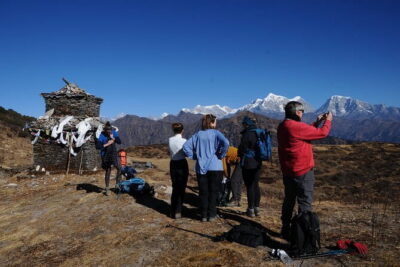 ★ 5.0Pikey Peak TrekFrom $8998 reviews
 ★ 5.0Mera Peak Expedition – 20 DaysFrom $3,3007 reviews
Mera Peak ClimbingFrom $2,7506 reviews
 ★ 5.0Island Peak Climbing – 20 DaysFrom $3,2505 reviews
 ★ 5.0Pikey Peak TrekkingFrom $1,4355 reviews
Browse the lists this tour appears in