
Review · LANGTANG VALLEY TREKS
7 Days Langtang Valley Trek from Kathmandu
Langtang is close enough to feel simple, yet it hits hard. This trek is built for people who want more time on trails and fewer hours trapped on the road, plus day after day of Himalayan scenery. I love the chance to walk through Tamang and Tibetan-influenced villages, then finish at Kyanjin Gompa with real mountain culture in front of you. One thing to weigh: the guesthouse experience can be basic, and the food may be only average depending on where you stop.
The schedule starts early in Kathmandu, with a hotel pickup around 6:30 am, then a long drive that’s part scenic warm-up, part patience test. If you handle that first day and keep a steady pace, the actual trekking days feel manageable for moderate fitness.
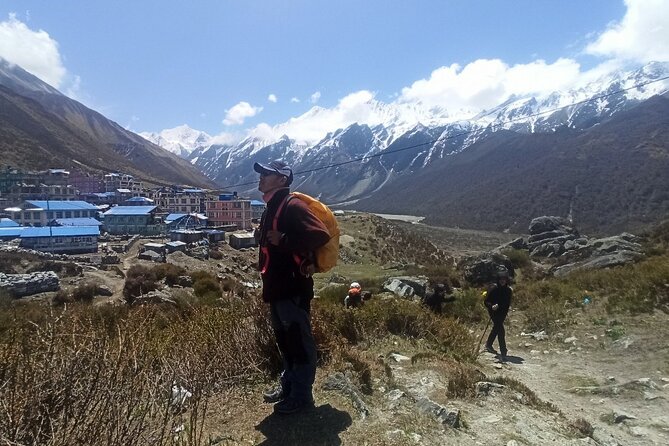
What makes this route extra satisfying is the mix: forests and suspension bridges, yak pastures, chortens and mani stones, and standout peaks like Langtang Lirung, Dorje Lakpa, and Yala Peak. A good guide matters here, and reviews highlight how guides such as Biro or Amrit can make the hike feel safer and smoother with calm, clear support.
In This Review
- Key highlights worth knowing before you go
- Why Langtang Feels Close to Kathmandu
- Price and logistics: what $410 buys you (and what it doesn’t)
- Day 1: from Kathmandu to Shyfru Bensi, with a long scenic warm-up
- Day 2: Lama Hotel day, forests and suspension bridges
- Day 3: Langtang Valley walking, plus chortens and big peak energy
- Day 4: Kyanjin Gompa day, yak country and that famous monastery payoff
- Day 5: sunrise at Kyanjin viewpoint, then a downhill reset to Lama Hotel
- Day 6: Syabrubensi descent, greenery, and your final trekking day
- Day 7: back to Kathmandu, with time to actually rest
- The guides make a real difference: Biro and Amrit as proof
- How hard is it, really? Fitness, altitude, and daily pacing
- Where the cultural moments shine: Tamang + Tibetan influence on the trail
- Who should book this Langtang Valley trek?
- Should you book this 7 Days Langtang Valley Trek from Kathmandu?
- FAQ
- What time is pickup in Kathmandu?
- How long is the trek?
- Is this trek private?
- What trekking permit and cards are included?
- Is a guide included?
- Where do we stay during the trek?
- What are the main highlights?
- Is transportation included?
- What is not included in the price?
- Is there free cancellation?
Key highlights worth knowing before you go
- Easy access from Kathmandu means more trail time and less travel stress.
- Kyanjin Gompa brings monastery energy right into the middle of your trek.
- Sunrise at Kyanjin Viewpoint (4,800 m / 16,404 ft) is the big reward moment.
- Tamang + Tibetan-influenced culture shows up in chortens, mani stones, and village life.
- Guesthouse stays keep it practical, but don’t expect hotel-level comfort.
- English-speaking guide + permits make the logistics side far less annoying.
More trails out of Kathmandu, boots ready
- Everest Base Camp Trek – 14 Days★ 5.0 · 1,499 reviews
- Everest Base Camp Trek★ 5.0 · 842 reviews
- Everest Base Camp Trekking★ 5.0 · 485 reviews
- Nagarkot Sunrise View and Day Hiking from Kathmandu★ 5.0 · 471 reviews
Why Langtang Feels Close to Kathmandu
Most Himalayan treks start with a serious transfer day. Langtang dodges that problem. You’re in the right region quickly, which changes the whole mood: you’re not just trying to survive the journey, you’re moving toward the hike.
On this route, your day begins with an early door pickup in Kathmandu and then transitions into that drive through greener hills and forest. Once you reach the trailhead area, the walking days feel like a real trek instead of a patchwork of long rides and short climbs.
That’s also part of the value of the package. You get transportation by sharing bus plus hotel pickup and drop-off, so you’re not piecing together local rides while your body is already tired.
Price and logistics: what $410 buys you (and what it doesn’t)
At $410 per person for about 7 days, the honest question is whether this includes the stuff that usually costs time or money on your own. In your favor, the trip includes:
- An English-speaking guide
- Trek guesthouse accommodation
- Langtang National Park / Conservation Area Permit and TIMS card
- First aid kit carried by the guide
- Hotel pickup and drop-off
- Sharing bus transport to and from the starting point
That matters because permits and organization are the parts many independent trekkers end up scrambling for. Here, they’re already handled, which helps you focus on walking, eating, resting, and managing altitude.
Not included is also clear: personal expenses and optional gratitude. Food is not listed as included in the package details you provided, and one review notes that accommodation and food were average. So plan on paying for extra meals, drinks, and comforts along the way.
One more practical note: you have free cancellation up to 24 hours before the start time. That’s useful if weather or personal plans shift.
Day 1: from Kathmandu to Shyfru Bensi, with a long scenic warm-up
Your first morning starts early, with the representative collecting you from your Kathmandu hotel around 6:30 am. After that, you’ll drive through lush green forest and winding roads. Expect it to feel like a big transition day, not a light stroll.
Then the trek begins in earnest at the Shyfru Bensi / Syabrubensi-side area, and you end the day in that zone before the real climbing days. This matters because it spaces things out. You’re not jumping straight into altitude stress without a buffer.
The drawback of Day 1 is simple: you’re spending a long chunk of time traveling before you earn your first views. If you’re the type who hates being stuck in a vehicle, bring patience snacks, water, and layers for the ride.
Day 2: Lama Hotel day, forests and suspension bridges
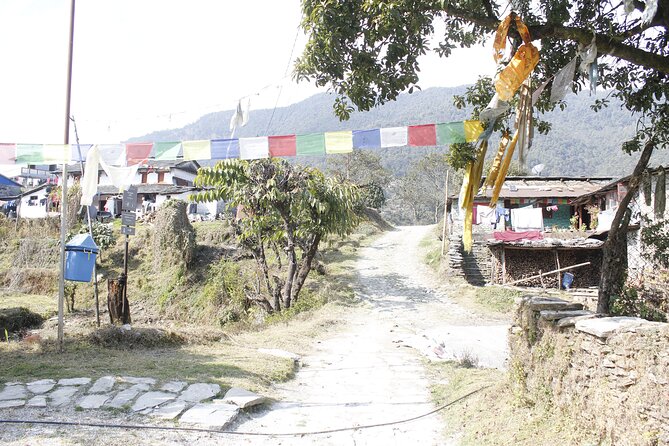
Day 2 is your first full trekking day along the Langtang Khola (river). You’ll follow the river route through thick woods, cross a few suspension bridges, and pass tea-house stops.
Here’s the key point: the path can look steep, but the day is described as exciting rather than brutally testing. That’s good for building rhythm. You warm up through the trees, let your legs find their pace, and start getting used to footing on uneven trails.
Why you’ll like this day even if you’re tired: the route keeps you moving, and bridges plus river scenery give you constant small interest points. It’s not just “one long climb.” It’s a sequence.
Potential consideration: woods mean you’re walking in changing shade and sometimes cooler air. Layers are your friend. You want a warm top for mornings and something light enough for afternoon hiking.
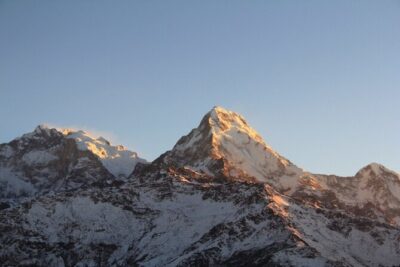
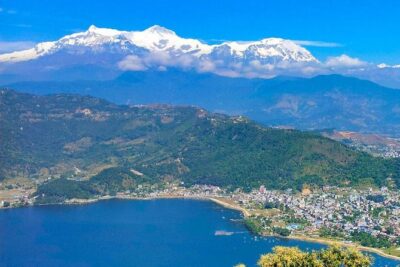
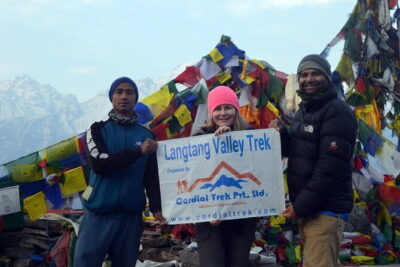
Before you lock this one in, a few Kathmandu alternatives:
Day 3: Langtang Valley walking, plus chortens and big peak energy
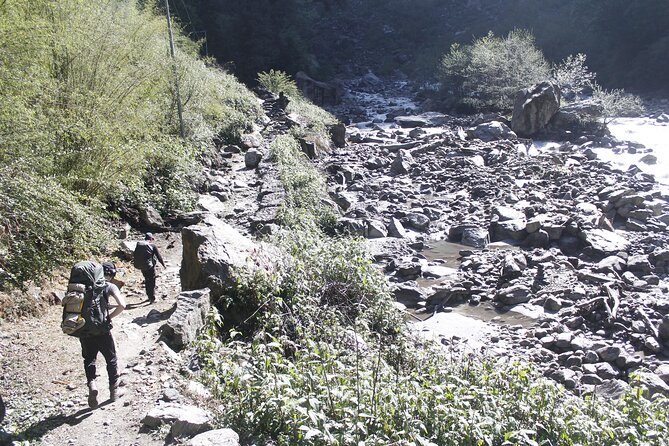
Day 3 pushes deeper into the Langtang Valley trek experience. The walking stays along wooded sections at first, then the mountain presence becomes more dramatic, including views of Langtang-Lirung.
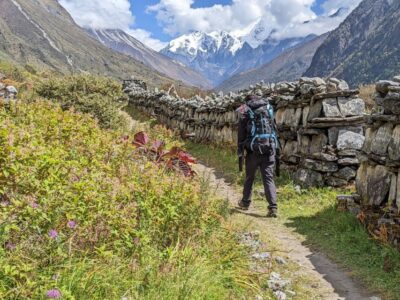
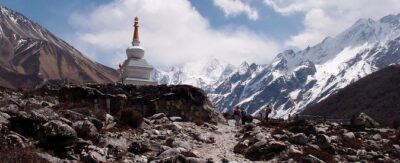
Along the way, you’ll notice cultural details that feel less staged than a village tour. The trail passes water-related structures you can observe, plus chortens and small features scattered through the route. These aren’t major “tour stops,” but they quietly tell you you’re moving through a lived-in region.
One practical upside: a 6-hour trekking day is long enough to feel satisfying but short enough that you can recover and adjust. If you’re prone to going out too fast early, this is the day to slow down slightly. You’ll thank yourself when the higher parts of the route start.
Day 4: Kyanjin Gompa day, yak country and that famous monastery payoff
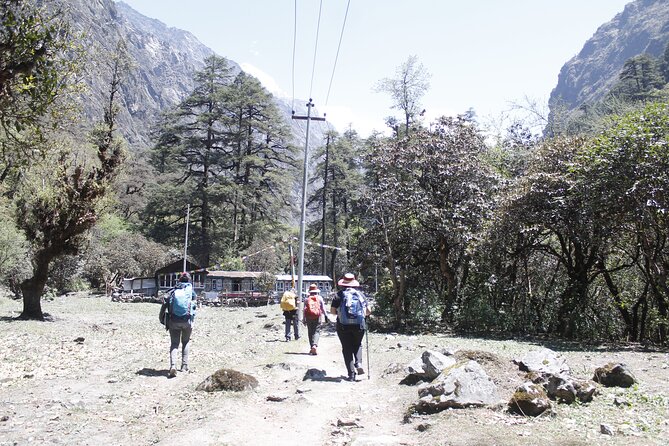
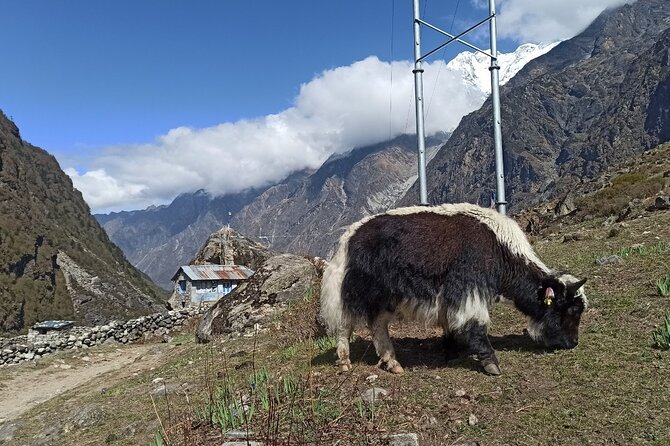
Day 4 is where the trek starts to feel more alpine. You’ll leave the town area and move through yak pastures, then head toward Kyanjin Gompa, including a crossing described as the biggest Mani divider in Nepal, plus wooden scaffolds on the way.
This day includes one of the most meaningful contrasts on the whole route: wildlife-friendly pasture views paired with monastery energy. Kyanjin Gompa is not just a photo spot. It’s the kind of place where the final “why are we doing this?” feeling clicks.
Drawback to plan for: you’re getting into higher elevation, and the route description notes that you may begin to feel it. Altitude doesn’t always show up the same way. If you get headaches, nausea, or unusual fatigue, your best move is to keep your pace calm and ask your guide for guidance on how hard to push today.
Day 5: sunrise at Kyanjin viewpoint, then a downhill reset to Lama Hotel
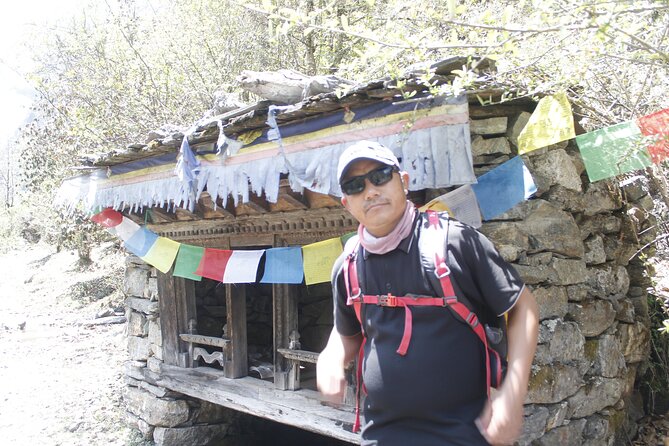
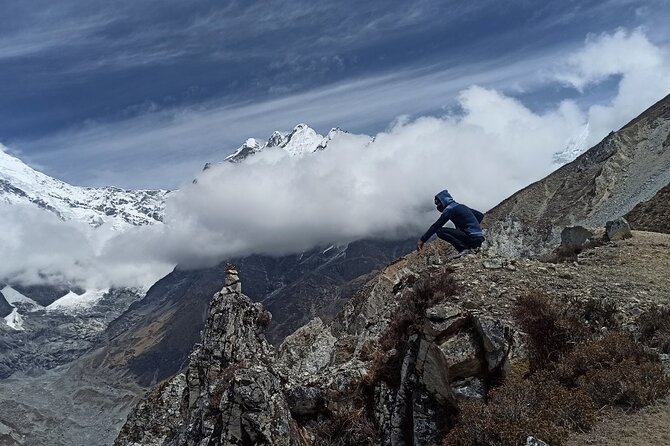
Early morning is a big deal on this trek. You’ll visit Kyanji view at 4,800 m / 16,404 ft for sunrise views, then you’ll have breakfast and continue down toward Lama Hotel. The hiking becomes downhill, estimated around 4 to 5 hours.
This is one of those days that can feel emotional, because the views are the whole point and the cold morning effort is already paid for. Sunrise also gives you a visual timeline. You see how the light changes the peaks and clouds.
Then comes the relief: downhill walking helps your legs. It also helps your mind, because you’re not constantly thinking about the next climb. If you’ve been conserving energy, this is where that strategy pays off.
A consideration: high altitude at sunrise means temperatures can be cold. Even if the afternoon seems mild, plan on needing warm layers and a head covering.
Day 6: Syabrubensi descent, greenery, and your final trekking day
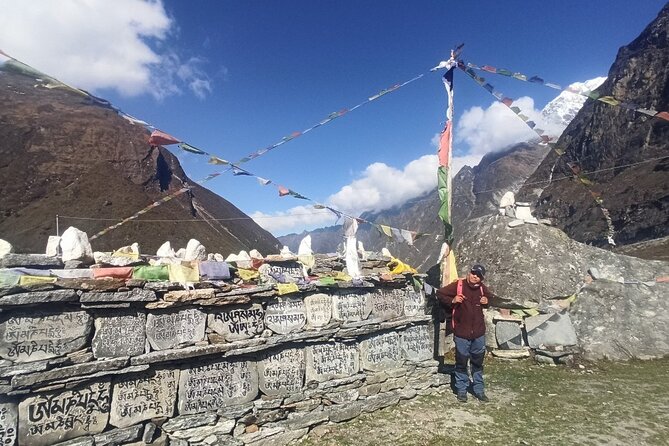
Day 6 takes you down to Syabrubensi with about 5 hours of walking. The route is described as a simple downhill trail through lush green vegetation, and you’ll stop for lunch after arriving.
This is recovery walking. Your goal is to finish strong without turning the downhill into a leg-pounding contest. Take short steps, keep your weight balanced, and let gravity do the work without abusing your knees.
You may have some spare time after lunch. That’s a real advantage of this itinerary: you don’t just reach the finish line and collapse. You can stretch, wash up, and get ready for the return drive.
Day 7: back to Kathmandu, with time to actually rest
On Day 7, you drive back to Kathmandu and transfer to your hotel. The rest of the day is yours.
This is where the itinerary earns points. You’re not forced into a packed city schedule right after a trek. Kathmandu can be loud and chaotic, and a decompression day helps your body reset.
If you want a practical plan, consider something gentle: a short walk, a meal you don’t have to think about, and a shower that feels like a reward. You’ve earned it.
The guides make a real difference: Biro and Amrit as proof
Langtang is straightforward in design, but good guidance still matters. Reviews highlight guides like Biru and Amrit for warm support, constant attention to safety, and area know-how that helps you understand what you’re looking at.
Even if you’re an experienced trekker, a local guide can help you avoid common pacing mistakes. You’ll also appreciate having someone who can answer questions on the fly, from trail conditions to cultural details you might otherwise miss.
Since this is a private trip for your group, you’re not stuck with a one-size-fits-all pace. You can move at the tempo that fits your comfort level, as long as you’re still listening to altitude and fatigue.
How hard is it, really? Fitness, altitude, and daily pacing
The trip is described for travelers with moderate physical fitness. That fits the day lengths here, which sit roughly in the 5 to 6 hour range for most trekking days, plus the longer travel day at the start.
Still, Langtang is not flat. Even when the route is described as not too testing, you’re hiking in mountainous terrain. Your best approach is steady effort, not speed.
Altitude is the main variable to watch. The route specifically calls out that you may start to feel the elevation around the Kyanjin Gompa / high elevation area. If you get symptoms, don’t try to “push through” on willpower alone. Slow down, hydrate, and check with your guide.
Gear tips, based on what this trek actually involves (forests, early sunrise, and altitude): pack layers for temperature swings and be ready for early mornings at high altitude. Trekking shoes with solid traction are also a smart move on uneven trails.
Where the cultural moments shine: Tamang + Tibetan influence on the trail
One reason this trek stands out from purely scenic treks is the mix of cultural markers along the walking days. You’ll pass villages with Tamang and Tibetan-influenced character, see monasteries like Kyanjin Gompa, and encounter chortens and mani stones that show up as you move.
These moments are meaningful because they happen while you’re still working. You’re not driving to a viewpoint and rushing through. You’re walking through everyday religious and community life, step by step.
If you care about respectful travel, this is also a good trek for quiet attention: pause when you pass sacred features, and follow your guide’s cues about how to move through areas politely.
Who should book this Langtang Valley trek?
This 7-day Langtang trek is a strong fit if you:
- Want more trekking time and less complicated long-distance travel from Kathmandu
- Prefer a guided experience that handles permits and logistics
- Like cultural encounters alongside mountain scenery
- Are comfortable hiking several hours a day with occasional elevation stress
It may not be the best match if you:
- Hate early mornings. Day 5 starts early for sunrise, and Day 1 also begins around 6:30 am in Kathmandu
- Demand high-end comfort. Guesthouses are practical, and at least one account notes food and accommodation can be only average
Should you book this 7 Days Langtang Valley Trek from Kathmandu?
If you’re looking for a value-packed trek that makes the mountains feel reachable, this one deserves your attention. At $410, the big win is that permits, an English guide, guesthouse accommodation, and first-aid support are built in, which removes the biggest friction points of trekking in Nepal.
I’d book it if your priority is a focused trek: forests, bridges, yak pastures, monastery visits, and sunrise views, all with a pace that suits moderate fitness. I’d think twice if comfort standards are your top priority, since guesthouses and food can be basic along the way.
If you want a trek that balances real mountain effort with enough cultural texture to make each day feel connected, Langtang is a smart choice.
FAQ
What time is pickup in Kathmandu?
Pickup starts at 6:30 am. Your representative comes to your hotel door in Kathmandu to collect you before you start.
How long is the trek?
The experience runs for about 7 days.
Is this trek private?
Yes. It’s listed as a private trip, meaning only your group participates. You may still share the bus for transport to and from the starting point.
What trekking permit and cards are included?
The package includes the Langtang National Park / Conservation Area Permit and the TIMS card.
Is a guide included?
Yes. You’ll have a professional English-speaking guide, and the guide carries a first aid kit.
Where do we stay during the trek?
You get accommodation in guest houses during the trek.
What are the main highlights?
Key highlights include cultural walking through Tamang and Tibetan-influenced areas, visiting Kyanjin Gompa, and mountain views around peaks such as Langtang Lirung, Dorje Lakpa, and Yala Peak, plus sunrise at Kyanjin viewpoint.
Is transportation included?
Yes. You get hotel pickup and drop-off in Kathmandu, plus transportation by sharing bus to and from the starting point.
What is not included in the price?
Not included are personal expenses and optional gratitude.
Is there free cancellation?
Yes. Free cancellation is available, and you can cancel up to 24 hours in advance for a full refund.
More 7-Day Experiences in Kathmandu

More Trekking Out of Kathmandu






More Tour Reviews in Kathmandu




Just Reviewed in Kathmandu
- Mountain Bike Tour
★ 5.0 · 3 reviews - Annapurna Panaroma
★ 5.0 · 3 reviews - Mount Everest Scenic Flight 50 Minutes
★ 5.0 · 3 reviews - Kathmandu : Swambhunath & Durbar Square Guided Half Day Tour
★ 3.3 · 3 reviews - Chandragiri Cable Car & Monkey Temple Tour – Private/Group
★ 5.0 · 3 reviews - Kathmandu: Shivapuri National Park Hiking Day Trip
★ 3.3 · 3 reviews
Langtang Valley Treks, compared.
 ★ 5.0Langtang Valley TrekFrom $555140 reviews
★ 5.0Langtang Valley TrekFrom $83061 reviews
Langtang Valley TrekFrom $70050 reviews
 ★ 5.08 Days Tour in Langtang Valley TrekFrom $69845 reviews
 ★ 5.0Private 8 – Day Langtang TrekkingFrom $58429 reviews
★ 5.0Langtang Valley TrekFrom $1,00023 reviews
 ★ 5.06-Day Limitless Langtang TrekFrom $18121 reviews
 ★ 5.0Langtang Valley TrekkingFrom $75020 reviews
Browse the lists this tour appears in