
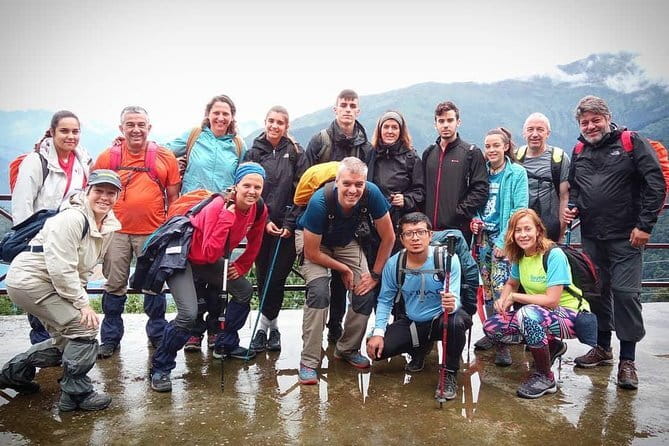
Review · POON HILL & GHOREPANI TREKS
Ghorepani Poonhill Trek (6 Days)
Sunrise over the Himalaya starts early here. This Ghorepani Poonhill Trek strings together big mountain moments, small village stops, and a clear-window view hunt that feels wonderfully old-school. Day 1 even throws in a temple ride by cable car, so you get more than just trail time.
What I especially like is the way Poonhill sunrise lines up with a hit list of Himalayan giants—Mt. Dhaulagiri (8167 m), Mt. Annapurna (8091 m), and Mt. Machhapuchhre or Fishtail (6993 m) on a clear day. I also like that the route builds in real Nepal rhythm: a suspension bridge start, a school stop for a quick break, tea-house nights around Ghorepani, and then down to Pokhara for Phewa Tal by boat.
One consideration: this itinerary depends on good weather. If skies stay cloudy, you may not get the full wow-factor at sunrise or from the viewpoints—still a good trek, but you’ll want to be flexible.
In This Review
- Key Highlights You’ll Actually Care About
- First Stop: Manakamana Temple and the Cable Car Kickoff
- From Nayapul to Ulleri: Easy Steps, Real Nepal Vibes
- The Big Moment: Ghorepani and Poonhill Sunrise
- Ghandruk Continuation: Why Village Stops Matter
- Pokhara Break: Phewa Tal Boat Ride and Photography-Friendly Stops
- The Return to Kathmandu: 8 Hours, 205 km, and Scenic Hills
- Value and Logistics: Is This $616.78 Tour Worth It?
- Who Should Book This Ghorepani Poonhill Trek?
- Tips for Making the Most of It
- Should You Book It?
- FAQ
- How long is the Ghorepani Poonhill trek on this itinerary?
- Is the trek suitable for beginners or casual trekkers?
- What are the main highlights during the trip?
- What is included in the price?
- What food should I plan for outside the package?
- How long does it take to get back to Kathmandu?
Key Highlights You’ll Actually Care About
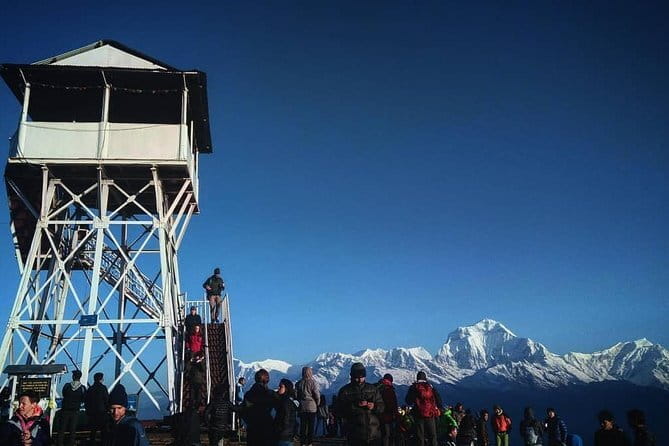
- Poonhill at sunrise: world-class views only when conditions cooperate
- Manakamana Temple cable car detour: short ride, high payoff views on clear days
- Village-life pacing: Nayapul bridge, Ulleri school stop, and Ghandruk continuation
- Tea house nights in Ghorepani area: simple lodging built for trekking comfort
- Phewa Tal boat ride in Pokhara: 1 hour on the lake with a temple spot for photos
- Named guide/provider energy: Sujan Ratna Shakya is repeatedly praised for being helpful and easy to work with
More trails out of Kathmandu, boots ready
- Everest Base Camp Trek – 14 Days★ 5.0 · 1,499 reviews
- Everest Base Camp Trek★ 5.0 · 842 reviews
- Everest Base Camp Trekking★ 5.0 · 485 reviews
- Nagarkot Sunrise View and Day Hiking from Kathmandu★ 5.0 · 471 reviews
First Stop: Manakamana Temple and the Cable Car Kickoff
Day 1 starts with a Hindu temple dedicated to Goddess Manakamana. It’s on top of a hill, and the belief tied to the deity is that dreams can be fulfilled. It’s a spiritual stop, but it’s also very practical for a trek—because you get an early sense of Nepal’s geography: hilltop religion, winding roads below, and views that open up fast when the weather is clear.
The standout here is the 12-minute cable car ride. It’s short enough to fit easily into a travel day, and you’re up high quickly without spending the whole morning climbing. From the top, you can catch a magnificent Himalayan view on a clear day, which sets the tone for everything that comes later.
If you’re the type who likes your mornings efficient, this is a nice warm-up. You’re not yet walking for miles, but you’re already getting that high-mountain sense of place.
From Nayapul to Ulleri: Easy Steps, Real Nepal Vibes
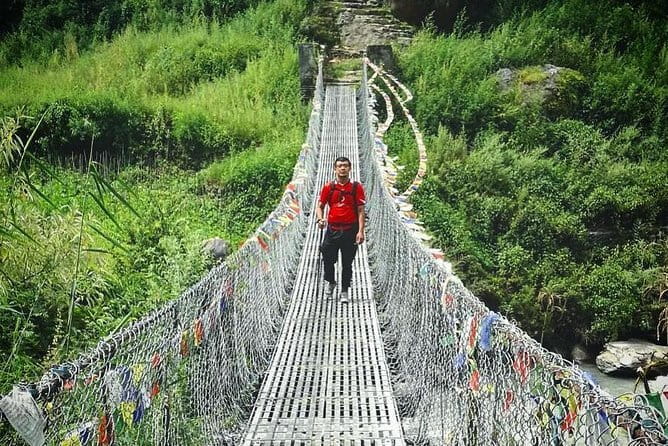
Day 2 begins at Nayapul, at the trekking starting point marked by an old suspension bridge. That bridge is more than a photo spot. It gives you that classic Himalayan village feel right away—movement over water, local footpaths, and a sense that you’re stepping into a lived-in landscape rather than a theme park.
The pacing on this part matters. A lot of people come to Ghorepani Poonhill because it’s billed as a short trek that fits all types of trekkers, and the early stages support that. You get time to settle in, adjust your footwear, and learn the rhythm of walking in the hills without jumping straight into a punishing day.
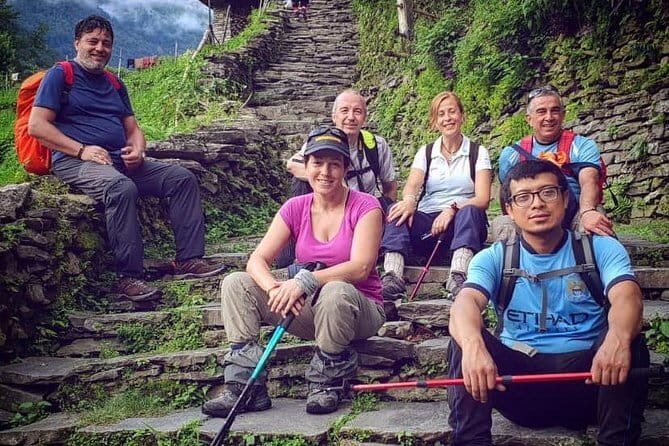
Day 3 adds another “human scale” stop: Ulleri School. You get a short tea break there, which is small on paper but important in practice. Tea breaks are where you catch your breath, warm up if it’s cool, and keep your energy steady—especially when the uphill starts to feel more noticeable.
This is also where the tour’s guiding support pays off. The tour includes an English-speaking trek guide and a porter, so you’re not left figuring out route details on your own.
The Big Moment: Ghorepani and Poonhill Sunrise
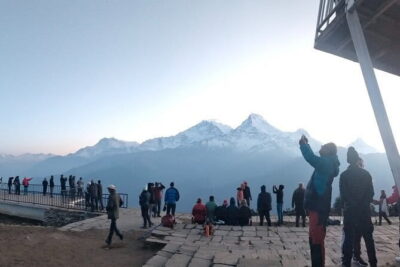
Day 4 is the heart of the trek. Early in the morning, you head out for a sunrise excursion to Poonhill, one of Nepal’s most famous viewpoint areas. On a clear day, Poonhill can put the spotlight on major peaks like Dhaulagiri (8167 m), Annapurna (8091 m), and Machhapuchhre or Fishtail (6993 m).
This is the kind of view people talk about for a reason. It’s not just “pretty mountains.” It’s a layered scene—multiple huge summits in one frame—plus the sunrise glow that turns cold rock into something dramatic and alive. You’ll feel how quickly the hills can change from quiet darkness to bright, sharp visibility.
Later that day, you continue onward to Ghandruk. That shift is worth noting: Ghorepani sets up the skyline moment, then the trek moves you deeper into village experience. It’s one of the reasons I like this itinerary. You don’t just chase views; you also keep moving into the places where people actually live.
If you’re worried about timing, don’t be. The trek portion is scheduled as a long day (about 8 hours total), and the structure suggests a guide-led pace designed for trekking reality rather than fantasy speed.
Ghandruk Continuation: Why Village Stops Matter
Even though Day 4 is the “sunrise day,” the real satisfaction can come from what happens after. Continuing to Ghandruk is a smart move because it connects the big viewpoint payoff with the day-to-day Nepal experience.
You’ll see fewer of the “just passing through” vibes and more of the village pattern: houses shaped by the terrain, paths that work for feet, and small stops that remind you this trekking route supports local life. The tour also includes tea house lodging for 3 nights, so you’re not in a comfort bubble. You’re in the ecosystem trekkers rely on.
This style of trekking has its tradeoffs, of course. Tea houses are simple by design. You should expect basic trekking comforts, not luxury. But if you want authenticity—real trail life, not just scenic drives—this part fits the bill.
Before you lock this one in, a few Kathmandu alternatives:
Pokhara Break: Phewa Tal Boat Ride and Photography-Friendly Stops
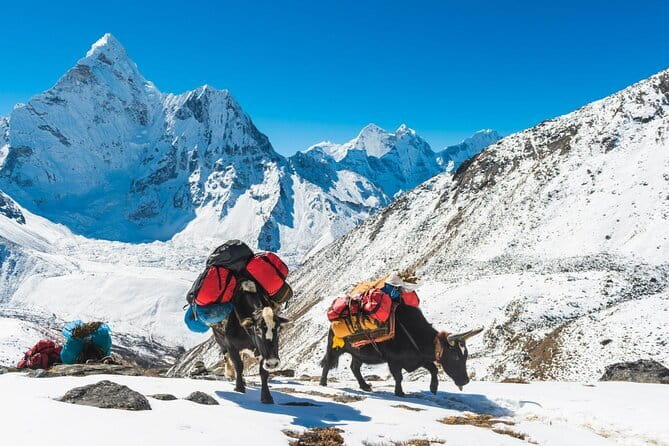
Day 5 transitions from the mountains into Pokhara. This is where the trip earns its “breather” reputation.
The centerpiece is Phewa Tal, a beautiful lake at the heart of Pokhara. You get an hour-long boat ride, and there’s also a temple in the middle of the lake that works well for photography. In other words: you can slow down without losing the sightseeing value.
I like this Pokhara stop because it’s not just transportation back to cities. It’s time on the water, in softer light, with fewer uphill surprises for your legs. After multiple trek days, that matters.
Also, the tour notes that lunch or dinner in Pokhara isn’t included. So you’ll likely have some freedom to choose where you eat. That’s helpful if you’ve got food preferences or want to avoid something you don’t feel like eating after a trekking day.
The Return to Kathmandu: 8 Hours, 205 km, and Scenic Hills
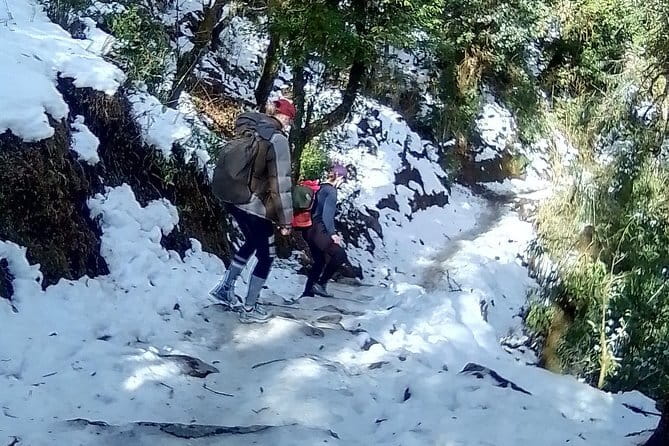
Day 6 is a long scenic drive back to Kathmandu. It takes about 8 hours to cover around 205 km. You’ll be traveling the highway through high hills, rivers, countryside areas, and Himalayan views when the weather allows.
This leg is a good reminder that the trek isn’t only the trail. Nepal travel often stacks experiences back-to-back: early mornings, walking hours, then long road stretches.
Two practical notes:
- Plan for fatigue. After tea-house nights and trekking days, you might feel the drive more than you expect.
- If weather is clear, you’ll enjoy the scenery. If clouds roll in, the drive still works, but it won’t deliver the same views.
Value and Logistics: Is This $616.78 Tour Worth It?
At $616.78 per person for a 6-day package, you’re paying for a lot of “moving parts” that can be expensive or annoying to arrange yourself.
Here’s what you get that usually costs time and money when you DIY:
- Transfers: Kathmandu to Pokhara and back by AC tourist bus, plus Pokhara–Nayapul transfer
- Accommodation: 2 nights at a 3-star hotel in Pokhara and 3 nights in tea houses during the trek
- Trekking support: trek permits, plus an English-speaking guide and porter
- A named local provider: Sujan Ratna Shakya is the listed provider, and he’s repeatedly described as professional, friendly, and easy to coordinate
- One paid activity: the 1-hour boat ride on Phewa Tal
You also get a decent meal structure for trek days: breakfast included 5 times, lunch 4 times, and dinner 4 times. That’s a real value point because food logistics can turn into a hassle when you’re tired.
What’s not included matters too:
- Lunch/dinner in Pokhara
- Travel insurance, rescue, personal expenses, drinks
- Tips to guide/porter/driver
- Nepal entry visa fee
- Airfare (if you’re flying in) and airport tax
So, is it worth $616.78? If you want someone else to handle the permits, guide, porter, and transport while you focus on walking and enjoying Nepal, yes, it’s strong value. If you already have a guide/porter lined up, and you’re comfortable building your own route and logistics, you might be able to go cheaper. But that usually costs you time and uncertainty.
Who Should Book This Ghorepani Poonhill Trek?
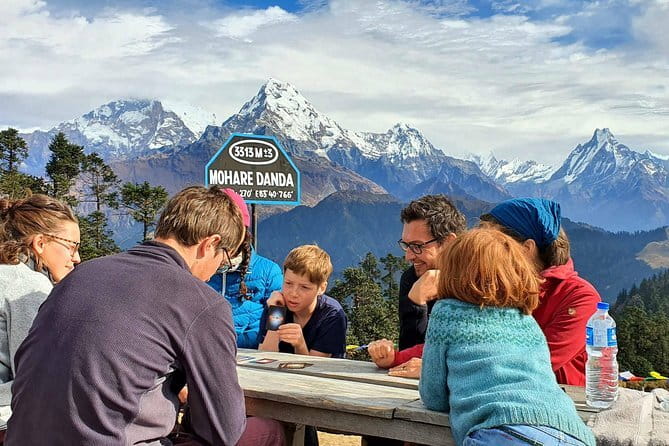
This trek is a good fit if you want:
- A short trek that still delivers major Himalayan scenery
- A mix of viewpoint time and village-life time (not only one or the other)
- Built-in help: an English-speaking guide, a porter, and permits handled
- A practical itinerary rhythm: temple start, suspension bridge, school stop, Poonhill sunrise, then Pokhara lake time
It may not feel ideal if you hate early mornings. Sunrise starts early for Poonhill, and the day is long. It also depends on weather, so if you’re the type who needs guaranteed views no matter what, you’ll want a flexible mindset.
Tips for Making the Most of It
These are the small things that help you enjoy the trek more, especially if you’re aiming for those sunrise moments.
- Bring layers. Sunrise can start chilly, and hillside weather can shift fast.
- Use trekking shoes with real grip. The “simple” terrain can still be slippery after mornings and in shaded sections.
- Keep your expectations view-based but not view-dependent. Even when mountains don’t fully show, the village walking and tea house atmosphere can still be enjoyable.
- Pack for long travel day on Day 6. An 8-hour drive feels long when you’re already tired.
Should You Book It?
I’d book this Ghorepani Poonhill Trek if you want an organized, beginner-friendly-feeling route that still hits the classic highlights: Poonhill sunrise, village stops like Ulleri and Ghandruk, and a relaxing Pokhara finish with Phewa Tal.
If you’re booking specifically for one thing—the sunrise peaks—go into it with weather-aware expectations. That’s not a dealbreaker; it’s just reality at altitude. The upside is that even without perfect visibility, you still get a well-structured Nepal mix: temple culture, hill walking, tea house living, and lake time.
FAQ
How long is the Ghorepani Poonhill trek on this itinerary?
The itinerary runs about 6 days, combining trekking days with hotel time in Pokhara and a full-day return drive to Kathmandu.
Is the trek suitable for beginners or casual trekkers?
Yes. It’s described as a short trek and fit for all types of trekkers, and most travelers can participate.
What are the main highlights during the trip?
The biggest highlights are the Manakamana Temple with a 12-minute cable car ride, the sunrise excursion to Poonhill with mountain views on a clear day, the continuation to Ghandruk, and the Phewa Tal boat ride in Pokhara.
What is included in the price?
Included items cover Kathmandu–Pokhara–Kathmandu transfers by AC tourist bus, 2 nights in a 3-star hotel in Pokhara, 3 nights in tea houses, Pokhara–Nayapul transfer, all trek permits, an English-speaking guide and porter, breakfast (5), lunch (4), dinner (4), and a 1-hour boat ride over Phewa Lake.
What food should I plan for outside the package?
Lunch and dinner in Pokhara are not included, so you’ll want to plan for meals there on your own. Drinks and personal expenses are also not included.
How long does it take to get back to Kathmandu?
Day 6 involves retracing back the highway, taking about 8 hours to cover approximately 205 km to Kathmandu.
More 6-Day Experiences in Kathmandu
More Trekking Out of Kathmandu






More Tour Reviews in Kathmandu




Just Reviewed in Kathmandu
- Mountain Bike Tour
★ 5.0 · 3 reviews - Annapurna Panaroma
★ 5.0 · 3 reviews - Mount Everest Scenic Flight 50 Minutes
★ 5.0 · 3 reviews - Kathmandu : Swambhunath & Durbar Square Guided Half Day Tour
★ 3.3 · 3 reviews - Chandragiri Cable Car & Monkey Temple Tour – Private/Group
★ 5.0 · 3 reviews - Kathmandu: Shivapuri National Park Hiking Day Trip
★ 3.3 · 3 reviews
Poon Hill & Ghorepani Treks, compared.
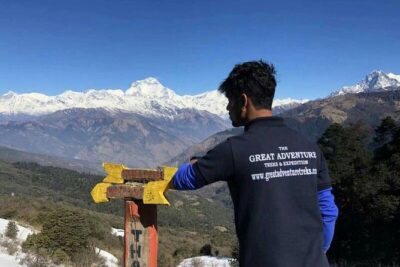 ★ 5.04 Days Poon Hill TrekFrom $40594 reviews
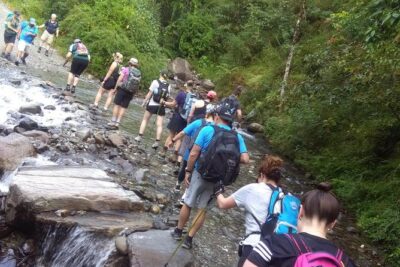 ★ 5.0Ghorepani(Poonhill Trek)From $60081 reviews
 ★ 5.04-day Poon Hill TrekFrom $40074 reviews
 ★ 5.0Ghorepani Poon Hill TrekFrom $39961 reviews
★ 5.0Ghorepani Poon Hill TrekFrom $70046 reviews
 ★ 5.0Poon Hill TrekFrom $1,17242 reviews
 ★ 5.0Poonhill TrekFrom $60033 reviews
 ★ 5.0Poon Hill Trek packageFrom $40527 reviews
Browse the lists this tour appears in