

Review · ANNAPURNA BASE CAMP TREKS
Private 12-Day All Inclusive Guided Annapurna Base Camp Trek Tour
Annapurna Base Camp feels like a high-altitude reset. This 12-day, guided all-inclusive trek threads you through Gurung villages and dense forests to the Annapurna Sanctuary and finally into base-camp sunrise country. I like that you get real structure (pickup, transfers, permits, and a guide) and that the trek includes key gear like a down jacket and sleeping bag so you can travel lighter.
My main caution is that the days are long and the altitude adds up fast. Even with pacing and included first aid, you should be ready for hikes that run about 4–7 hours most days, plus a big descent stretch after you reach base camp.
In This Review
- Key highlights you’ll feel on this trek
- Annapurna Base Camp in the Annapurna Sanctuary: what you’re really walking into
- Kathmandu pickup and trek gear: fewer logistics, more trekking time
- The Kathmandu to Pokhara transition: a real buffer day
- From Birethanti into Gurung country: Ghandruk to Chhomrong
- Forest corridors to Dobhan and Sinuwa: where the trek starts to feel serious
- Deurali to Machhapuchhre Base Camp: the halfway moment before ABC
- Two days at ABC: sunrise breakfast and time to adjust to the altitude
- Jhinu Danda hot springs and the long downhill back to Pokhara
- Back to Kathmandu, then a simple finish ritual
- Price and value: what $1,175 buys you in real terms
- Who should pick this trek, and how to prep smarter
- Should you book this Annapurna Base Camp tour?
- FAQ
- What’s included for trekking gear?
- Are airport transfers and route transport included?
- What meals are included?
- What fitness level do I need?
- Do I need travel insurance?
- Can I cancel for a full refund?
Key highlights you’ll feel on this trek
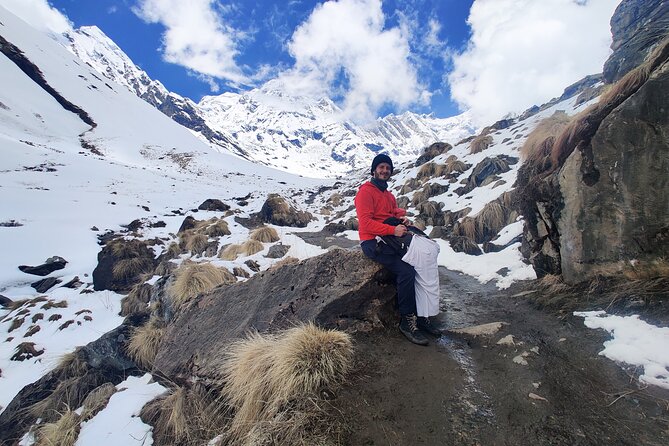
- Annapurna Sanctuary scenery: a high glacial basin with a mountain ring and a narrow entrance corridor.
- Gear handled for you: down jacket, sleeping bag, and a duffduffle bag included—big for winter-cold comfort.
- Meals and lodging mostly covered: breakfast daily on trek days (11 total) plus lunch (8) and dinner (8).
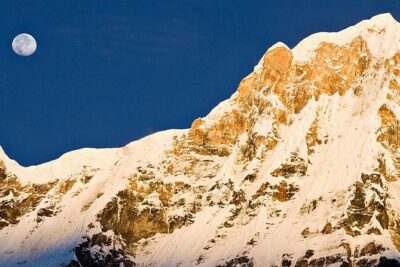
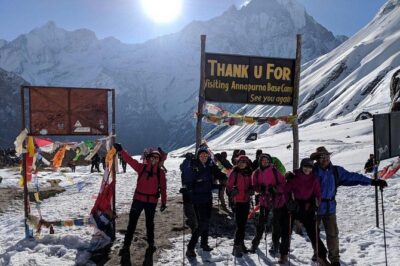
- Sunrise at Annapurna Base Camp: early morning breakfast after you arrive, then another base-camp day to enjoy it.
- Hot springs detour: a stop at Jhinu Danda, known for natural hot springs.
- Guide attention that shows up in feedback: names like Pratip Tamang, Raj, and Ganesh come up for being friendly, helpful, and easy to work with.
More days made easy with a local guide
- Kathmandu: Private City Guided Tour★ 4.9 · 174 reviews
- Full Day Guided Tour in Kathmandu★ 5.0 · 61 reviews
- Kathmandu Guided Tour★ 5.0 · 59 reviews
- 12 Day Everest Base Camp Guided Trek★ 5.0 · 40 reviews
Annapurna Base Camp in the Annapurna Sanctuary: what you’re really walking into
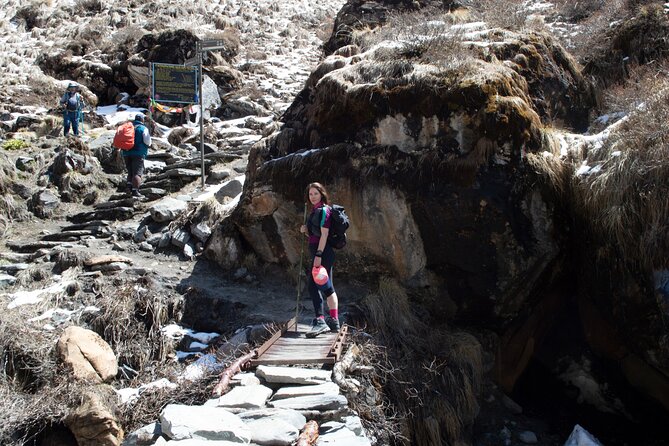
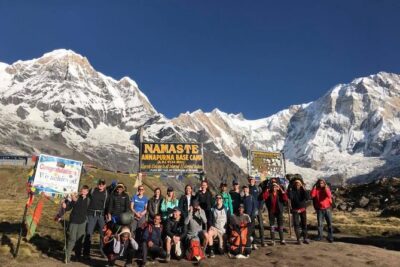
This trek’s big idea is simple: you’re not just going to a mountain viewpoint. You’re walking into the Annapurna Sanctuary, an oval-shaped high basin above 4,000 meters, ringed by major peaks in the Annapurna range. The access story is also part of the magic. The Sanctuary wasn’t entered by outsiders until 1956, and the “front door” is a narrow valley between Himchuli and Macchapucchre.
If you like feeling surrounded—mountains close enough that the day seems to shrink around them—this setting delivers. Expect the trek to shift from village life into forest corridors, then into more open, colder terrain as altitude takes over. The closer you get to base camp, the more the scenery feels like a world of its own, built from snowlines, stone, and thin air.
Also, Annapurna I (8091 m) isn’t part of what you’ll climb. But knowing it towers over the region helps you understand why people rave about the “close view” feeling at base camp. This is the kind of trek where the photos look dramatic because your brain is dealing with altitude too.
Kathmandu pickup and trek gear: fewer logistics, more trekking time
Your trip starts in Kathmandu with an airport pickup at Tribhuvan International Airport. From there you check into a hotel, get briefed on the trek, and meet your guide. That matters more than it sounds. Trekking logistics can be chaotic when you’re doing everything yourself, and here the pace stays calm.
Then there’s the gear. This package includes down jacket, sleeping bag, and a duffle bag. For a trek like ABC, that’s a big deal for two reasons: warmth at night and less pressure to buy or rent gear in a rush. You still need to bring your own personal basics, but the heavy hitters are handled.
You’ll also get trekking permits covered, plus first-aid support. I’m not saying it removes risk—altitude always has its own rules—but it makes the trip feel more “managed” once you’re in the mountains.
The Kathmandu to Pokhara transition: a real buffer day
Day 2 is a scenic drive from Kathmandu to Pokhara by tourist bus (about 6–7 hours). Pokhara is your buffer. It’s where you reset from the long travel and prep for the walking days that follow.
That evening is set aside for exploring Lakeside. It’s not “on-trail scenery,” but it’s useful. You’ll be able to eat normally, drink water strategically, and get into a trekking mindset without the stress of moving every hour.
If you’re wondering how this helps with the trek itself: it gives you time to settle before you head to Birethanti, the trekking start point. For ABC, that small calm matters when altitude starts stacking later.
From Birethanti into Gurung country: Ghandruk to Chhomrong
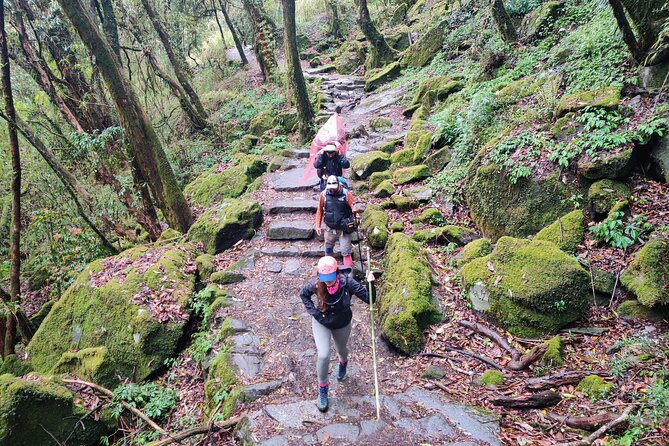
Day 3 starts the trek at Birethanti, with a short drive from Pokhara (about an hour). From there, you trek toward Ghandruk, around 5–6 hours. Ghandruk is where you feel the human side of Nepal before the mountains take over. You’ll pass scenic trails with waterfalls and mountain-range views, and you get a glimpse of traditional Gurung culture—hospitality and food included.
The overnight stay in Ghandruk shifts the experience from travel mode to trail life. You’ll sleep in a village guesthouse setting, then wake up to a new rhythm.
Day 4 continues to Chhomrong (about 4–5 hours). Chhomrong is described as a modern Gurung village, and the route passes traditional farming and dense forest. Practically, that means your walking day is split between open views and the shaded, cooler feel of forest paths—useful when you’re trying to pace your energy without overheating.
A small drawback to flag here: village days can be deceptively busy. There are plenty of stops, and the trail vibe can feel more like “walk, pause, look, repeat.” If you prefer a strictly steady rhythm, just know you’ll get frequent view breaks.
Just your group, at your own pace

Forest corridors to Dobhan and Sinuwa: where the trek starts to feel serious
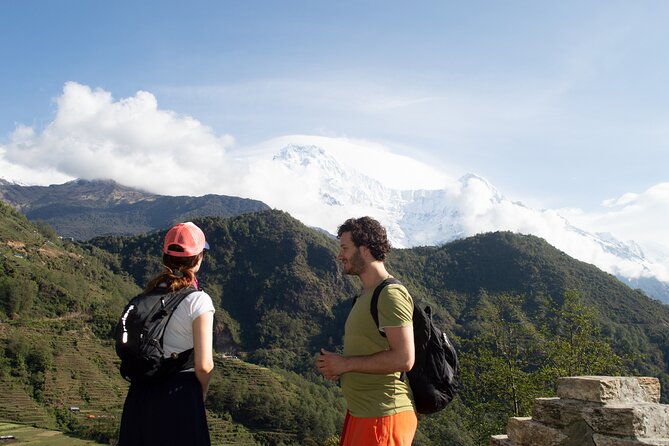
On Day 5, you move from Chhomrong to Sinuwa (about 2 hours), then continue to Dobhan (about 4 hours, with dense forest and wild flora/fauna along the way). Dobhan’s included guesthouse stay keeps you moving through a quieter, greener part of the route.
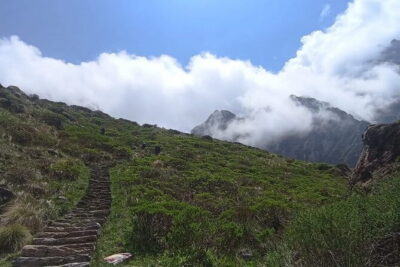
Why this section is valuable: it builds your legs for the higher, colder days later. It’s not just scenic. It’s training. You’re walking enough to get steady, but the day structure doesn’t throw you straight into base-camp intensity.
Day 6 is another step upward toward Deurali (the trek described as a 5–6 hour hike, passing dense forest and waterfalls). Tea houses appear in this zone, which helps because you’ll have places to warm up and refuel along the route. Deurali is also a psychological checkpoint. When you’re sleeping here, ABC starts to feel like it’s coming fast.
Deurali to Machhapuchhre Base Camp: the halfway moment before ABC
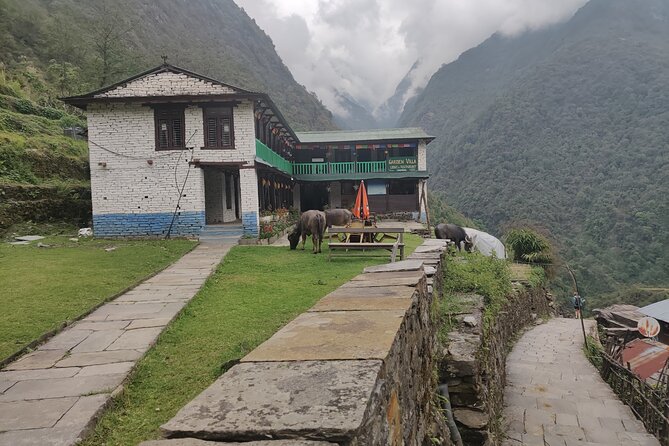
Day 7 is a two-part day. First you head toward Machhapuchhre Base Camp (MBC) (about 3–4 hours). Then you continue onward to Annapurna Base Camp (ABC) (about 2–3 hours). The MBC valley route is where you start to feel like the terrain is changing in a real way.
Machhapuchhre itself (the famed Fishtail) is part of why this stop is so popular in ABC-area trekking. Even without climbing anything, it’s the kind of landscape that makes you slow down and look around more than usual.
Then you arrive at ABC and stay at a tea house. You’ll have a final stretch of daylight, then you’re sleeping at base camp. That transition—from tea houses and forest corridors into ABC’s higher, sparser environment—can feel like a jump. This is also why your gear matters. You’ll want your warm layer system to work without fuss.
Two days at ABC: sunrise breakfast and time to adjust to the altitude
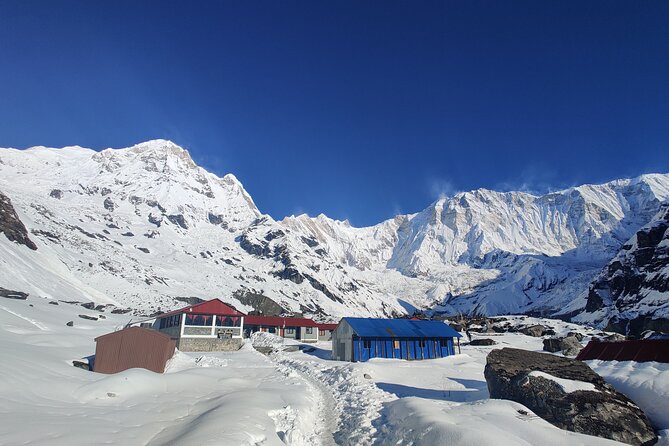
Day 8 starts with an early sunrise moment at Annapurna Base Camp, followed by breakfast. Then you’ll trek down toward Sinuwa (about 7–8 hours). That descent is long, and it’s the kind of day where your knees get the final say. Bring trekking poles if you use them. If you don’t, this is still when you should pay attention to foot placement and stride length.
Why two nights at ABC matters: you get the “arrive and absorb” advantage. Instead of hitting base camp once and immediately sprinting off, you also get a morning there and a second chance to watch the weather shift over the mountain ring. It helps you enjoy ABC as a place, not just a stamp on a checklist.
Jhinu Danda hot springs and the long downhill back to Pokhara
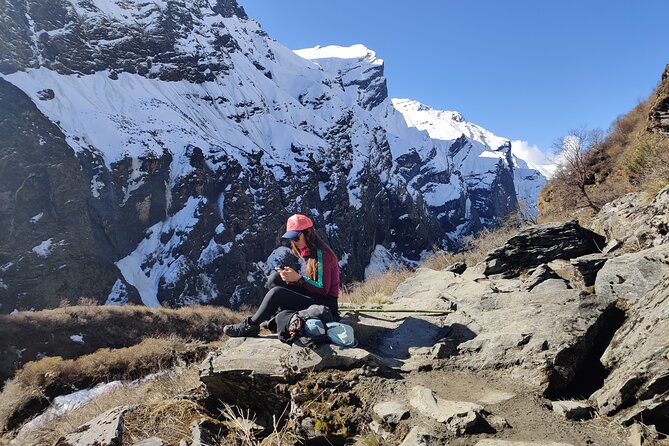
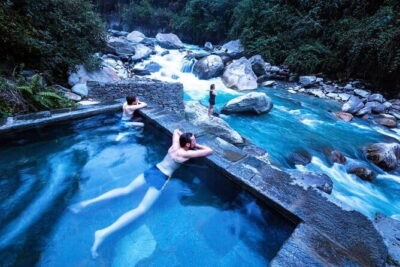
Day 9 takes you down to Jhinu Danda (about 4–5 hours). Jhinu Danda is known for natural hot springs. This stop is a practical recovery move, not just a fun extra. Hot springs can’t erase altitude fatigue, but they can ease the ache from a few rough days of walking.
Day 10 continues your descent to Birethanti (about 4–5 hours) and then a drive back to Pokhara (about 1 hour). In the evening, you celebrate finishing the trek and say farewell to the trekking crew. Then you sleep in a Pokhara hotel.
This is one of those “feels good” moments. After days of hiking, the combo of a warm meal, a shower setup, and a human goodbye helps your body and brain switch gears.
Back to Kathmandu, then a simple finish ritual
Day 11 drives you back to Kathmandu (about 6–7 hours). There’s also an optional flight shortcut from Pokhara to Kathmandu (about 30 minutes) if you want to reduce travel time.
Day 12 is the close-out: you receive a trip certificate, get a final farewell, and are dropped back at the airport about three hours before departure. It’s a tidy ending to a long, organized experience.
Price and value: what $1,175 buys you in real terms
At $1,175 per person, you’re paying for much more than a map and a “good luck” attitude. From this package, the value points are clear:
- Guide support and planning: you have a guide for the trek portion, plus first-aid included.
- Permits and route logistics: necessary trekking permits are covered, and transfers are included between Kathmandu, Pokhara, and Birethanti.
- Gear you’d otherwise scramble for: down jacket, sleeping bag, and a duffle bag are provided.
- Food coverage: breakfasts are included on 11 days, with lunches and dinners also built in for much of the trek.
- Comfort and predictability: accommodations and tea house/guesthouse nights are part of the package structure, not a decision you make every single day.
The main cost consideration is what isn’t included: tips for guide/porter, travel insurance (compulsory), and any meals outside what’s listed as included. Also, the trek requires good weather, so if conditions don’t cooperate, your schedule can shift.
Overall, if you want a guided ABC trek where the heavy logistics are handled and you can focus on walking and watching mountains, this price can make sense.
Who should pick this trek, and how to prep smarter
This tour is described as best for people with moderate physical fitness. That’s the right range: ABC is not a casual stroll, but it isn’t framed as extreme mountaineering.
You’ll likely enjoy this trek if you:
- want village + forest + high basin variety, not just one type of scenery
- value a structured plan (daily walking targets and guided support)
- prefer not to manage gear rentals and permits on your own
Prep tips that match the way the days are paced:
- Plan for long days and a knee-friendly descent—Day 8 is especially long downhill.
- Pack for cold nights. Even with a provided sleeping bag and down jacket, you’ll still want warm socks and a hat/headwear setup you trust.
- Be ready to move at altitude. ABC isn’t about speed. It’s about consistent effort and listening to your body.
One more practical note: communication and organization seem to be strong in the feedback you’ll see. Multiple people mention fast contact via WhatsApp and smooth coordination around transport and planning. That reduces stress right when you need your energy for the trek.
Should you book this Annapurna Base Camp tour?
I’d lean “yes” if you want an ABC trek that feels organized from pickup through certificate day, with warm gear included and meals built in. The program’s structure also gives you time at ABC—sunrise breakfast and a second base-camp day—so the experience isn’t rushed.
I’d think twice if you know you’re sensitive to long downhill days or if you’re not ready for altitude realities. This route asks for commitment. But if you can handle steady hikes and you’re looking for real mountain atmosphere inside the Annapurna Sanctuary, this is a strong, practical way to do it.
FAQ
What’s included for trekking gear?
You get returnable necessary equipment, including a down jacket, a sleeping bag, and a duffle bag.
Are airport transfers and route transport included?
Yes. The package includes airport transfers and a Kathmandu–Pokhara tourist coach, plus private transfers for PKR–Birethanti–PKR.
What meals are included?
Breakfast is included (11 times), and lunch (8 times) and dinner (8 times) are also included. Any unspecified meals are not included.
What fitness level do I need?
The tour says you should have moderate physical fitness.
Do I need travel insurance?
Yes. Travel insurance is listed as compulsory and is not included.
Can I cancel for a full refund?
Free cancellation is available. You can cancel up to 24 hours in advance for a full refund. The experience also depends on good weather and a minimum number of travelers, and if it’s canceled for poor weather you’ll be offered a different date or a full refund.
Simpler With a Local Guide
More Tours in Kathmandu




More Tour Reviews in Kathmandu




Just Reviewed in Kathmandu
- Mountain Bike Tour
★ 5.0 · 3 reviews - Annapurna Panaroma
★ 5.0 · 3 reviews - Mount Everest Scenic Flight 50 Minutes
★ 5.0 · 3 reviews - Kathmandu : Swambhunath & Durbar Square Guided Half Day Tour
★ 3.3 · 3 reviews - Chandragiri Cable Car & Monkey Temple Tour – Private/Group
★ 5.0 · 3 reviews - Kathmandu: Shivapuri National Park Hiking Day Trip
★ 3.3 · 3 reviews
Annapurna Base Camp Treks, compared.
 ★ 5.0Annapurna base camp trek 5 DaysFrom $699252 reviews
 ★ 5.014-Day Private Annapurna Base Camp TrekFrom $1,090180 reviews
 ★ 5.0Annapurna Base Camp TrekkingFrom $1,779116 reviews
 ★ 5.0Annapurna Base Camp TrekFrom $935111 reviews
★ 5.0Annapurna Base Camp TrekFrom $1,350107 reviews
 ★ 5.0Kathmandu to Annapurna Base Camp (ABC) 5-Day TrekFrom $99102 reviews
 ★ 5.0Annapurna Base Camp Trek- 11 DaysFrom $99990 reviews
 ★ 5.0Annapurna Base Camp Trek 12 DaysFrom $80085 reviews
Browse the lists this tour appears in