
Review · POON HILL & GHOREPANI TREKS
Private Nepal round trip including Ghorepani Poonhill trek
A good plan is equal parts culture and a good climb. This one strings together Kathmandu’s major sacred sites, jungle time in Chitwan, Buddha sites in Lumbini, and the classic Ghorepani Poon Hill sunrise trek. I love the mix of private transportation with an English-speaking guide, so days feel smooth instead of chaotic. I also like that the trek portion is supported with a porter plan. One thing to consider: sightseeing and activity entry fees add up, and not every stop includes tickets.
You get a true Nepal sampler—temples, wildlife, monasteries, lake views, and rhododendron forests—all in about two weeks. The best value is that you’re not piecing together trains, bus transfers, permits, and permits again on your own. Still, you’ll need a realistic fitness mindset for the trek days, plus the weather can affect mountain views.
If you want a structured trip with enough flexibility to enjoy places (not just rush through them), this fits. And if you like being well looked after—drivers, guides, and a clear rhythm—this is built for you.
In This Review
- Key highlights worth your attention
- Value first: what you’re really paying for in Nepal
- Kathmandu day 1: temples from the riverfront to Thamel cooking class
- Why this day works
- What you should watch for
- Kathmandu day 2: Swayambhunath, Boudhanath kora, Pashupatinath aarti
- Possible drawback
- Kathmandu day 3: Bhaktapur Durbar Square, pottery workshop, and Namo Buddha calm
- Why this day adds real value
- Easy planning note
- Chitwan: from river canoe to jeep wildlife search
- Daytime wildlife in Chitwan
- One key consideration
- Lumbini: birthplace of Buddha and an overnight in a monastery guest house
- Why this works in a round trip
- Practical note
- Pokhara lakeside: sunrise views, museum stops, and cave-temple scenery
- Sarangkot for sunrise
- Caves, falls, and a peace pagoda
- What I like about this Pokhara plan
- Ghorepani Poon Hill trek: the trek that earns its reputation
- Day to day, what your legs do
- Porter support and why it matters
- The one consideration
- Off the trail: returning to Pokhara and back to Kathmandu
- Who this private Nepal trip fits best
- Should you book it?
- FAQ
- How long is the private Nepal round trip with the Ghorepani Poonhill trek?
- What does the tour include for accommodations and meals?
- Is the trek supported with a porter?
- Where does the tour start and when?
- What costs are not included that you should budget for?
- Is paragliding included?
- What kind of transport and guiding do you get?
- What is the cancellation deadline for a full refund?
Key highlights worth your attention
- Deluxe hotels plus daily breakfast keeps energy up between long travel days
- Private A/C vehicles and a professional driver reduce stress on road transfers
- Poon Hill timing for early sunrise gives you the payoff view people come for
- Chitwan canoe + jeep combines river wildlife scouting with deeper park searching
- Monastery guest house in Lumbini adds a calm, unusual overnight feel
- Trek support with porter ratio (2 clients per porter, porter max 18 kilos) helps you travel lighter
Just your group, at your own pace
- Private Kathmandu Sightseeing Tour | UNESCO World Heritage sites★ 5.0 · 756 reviews
- Kathmandu: Full Day 7 UNESCO Tour with Lunch – Private/Group★ 5.0 · 415 reviews
- Private Bhaktapur and Nagarkot Day Tour From Kathmandu★ 5.0 · 305 reviews
- Kathmandu: Full Day Top 4 UNESCO Tour with Lunch – Private/Group★ 5.0 · 269 reviews
Value first: what you’re really paying for in Nepal
At about $1,829 per person for a 15-day private round trip, the price isn’t just “transport plus hotels.” You’re paying for coordination across five distinct areas: Kathmandu Valley sights, Chitwan logistics, Lumbini temple time, Pokhara sightseeing, and the Ghorepani Poon Hill trek with permits. That matters in Nepal, where the hardest part is rarely the destination—it’s getting from one correct place to the next on time.
You also get “included structure” that makes a difference day to day: deluxe hotels with breakfast, private land transfers, an English-speaking guide, and trekking-related administration (permits and park fees are covered). That’s a big help if you’d rather spend your effort on the experience instead of paperwork.
What to budget for on top:
- Sightseeing entry fees (approx. 60 USD per person) aren’t included.
- Tipping for guide/driver/supporters isn’t included.
- Optional adventure like paragliding can add $100 per person.
- Visa fee, international flights, and travel insurance are also not included.
So the “real” cost depends on your style. If you buy tickets for most sights anyway and plan to tip, you’ll feel the total. If you’re selective, you can keep extras controlled.
Kathmandu day 1: temples from the riverfront to Thamel cooking class
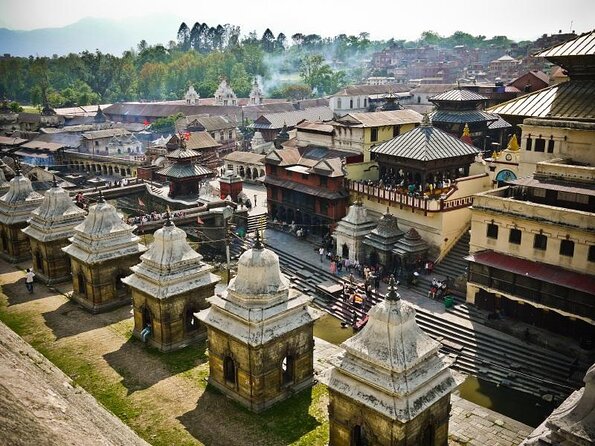
Kathmandu starts the way Nepal often does: quick pickup, name sign, luggage handled, and then straight into the traffic choreography. On the way to your hotel, you pass major landmarks like Pashupatinath Temple (a UNESCO site) and a look at the Royal Palace Museum area. You also catch sight of the Garden of Dreams approach as you near Thamel.
This first day is mostly orientation plus “you’re in the right place.” You get a guide or representative to go over your travel plans so you know what comes next. That sounds small, but it prevents that first-night fog when jet lag hits.
Why this day works
You’re not stuck doing nothing after arrival. You get a gentle cultural landing: sacred riverfront energy, royal-era architecture glimpses, and then Thamel as the practical hub where you’ll eat, buy basics, and decompress.
What you should watch for
Kathmandu temple areas are active and crowded. If you’re carrying camera gear, keep it zipped and close. The next big day includes one place famous for not leaving valuables alone.
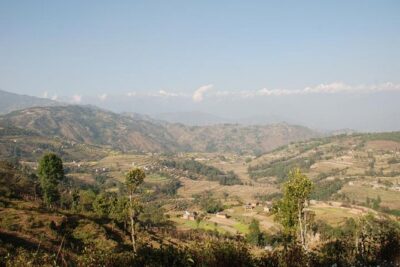
More trails out of Kathmandu, boots ready


Kathmandu day 2: Swayambhunath, Boudhanath kora, Pashupatinath aarti
Day 2 is a heavy-hitter trio of UNESCO sites, plus a very Kathmandu-style lunch and a nighttime vibe.
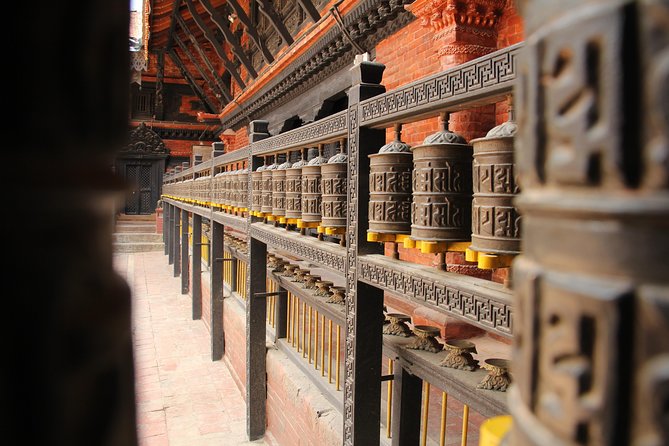
- Swayambhunath Temple (Monkey Temple): A hilltop stupa with prayer wheels, flags, and those mischievous monkeys. You’ll want to move slowly and keep bags secure. The views over Kathmandu and the valley are the payoff.
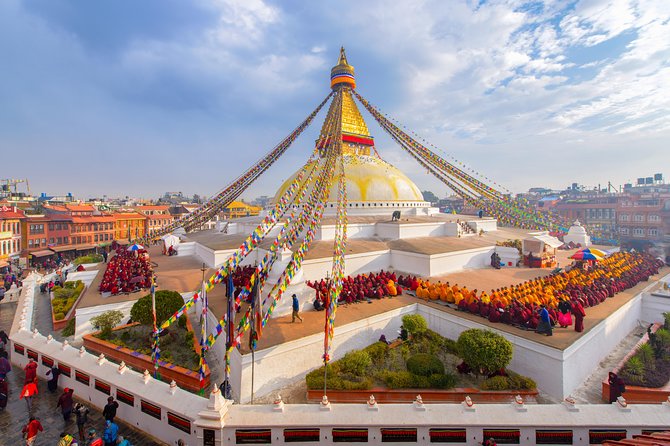
- Boudhanath Stupa: Walk the perimeter clockwise for kora, a spiritual practice. Around the stupa, you’ll also find shops and cafés, and you’ll have time for lunch—good chance to grab a rooftop meal with a view.
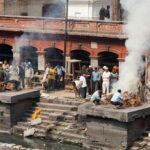
- Pashupatinath Temple: Hindu rituals by the Bagmati River give you a different feel than the Buddhist sites. A highlight is the Sandhya Aarti in the evening worship rhythm, when lamps and singing set the mood.
Then you end in Thamel with a traditional Tibetan momo cooking workshop followed by dinner using what you made. That’s a smart combo: spiritual mornings and practical, hands-on food learning at night.
Possible drawback
Some stops don’t include admission tickets, so you may still be paying as you go. The upside is you’ll likely learn what’s worth it once you see each site.
Kathmandu day 3: Bhaktapur Durbar Square, pottery workshop, and Namo Buddha calm
This is your “slow down and look closer” day inside the valley.
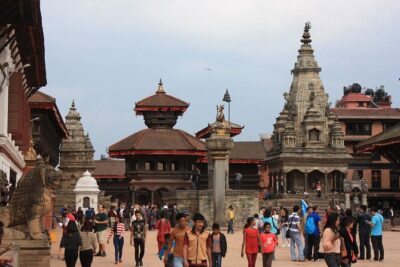
You start at Bhaktapur Durbar Square, one of the three royal squares of the region, known for temples and the sort of detail you notice only when you’re not rushing. After that, the day shifts into craft mode at Pottery Square, where you do a clay pot workshop with a local craftsman.
Then there’s Namo Buddha (Stupa) and monastery time on the way toward Dhulikhel. This part is quieter than the big city temples, and it’s a nice mental reset before the next travel leg.
Why this day adds real value
You get both culture-as-performance (temples) and culture-as-craft (hands-on pottery). It’s the difference between looking at Nepal and understanding how people actually make everyday objects here.
Easy planning note
This day can include long drives between valley areas. If you get carsick, bring your usual remedy.
Chitwan: from river canoe to jeep wildlife search
After Dhulikhel, you drive to Chitwan National Park. Arrival includes lunch at your hotel, and then you ease into the region with Tharu culture.
In the afternoon, you visit a Tharu village and then the Sauraha Tharu Cultural House, where you can watch dance and music traditions. If you’re game, you may join in the dance act—often the most fun part because it turns watching into participation.
Daytime wildlife in Chitwan
Next morning, you get a full wildlife rhythm:
- canoe ride along the river toward the start of a jungle walk
- then jeep ride after lunch to scan deeper for animals
The park setting here is practical too: you’re actively searching rather than just staring out a vehicle window. You might spot rhinos, elephants, and a lot of birds. Tigers are possible, but wildlife is wildlife—expect uncertainty and be happy with the sightings you do get.
One key consideration
This is a “nature first” portion, and the schedule can feel long. If you love wildlife but hate waiting, mentally prepare for gaps between sightings.
Lumbini: birthplace of Buddha and an overnight in a monastery guest house
From Chitwan, you travel to Lumbini, the Buddha birthplace pilgrimage zone with many temples and international expressions of devotion. A local guide takes you through key spots, including the area centered on the birthplace.
The most distinctive part is that you can stay in a guest house inside a monastery that night. That isn’t just a cute detail—it changes the tempo. You’ll likely get a quieter, more reflective atmosphere than typical hotel stays.
Why this works in a round trip
Lumbini is a tonal shift from temples-in-crowds. It slows your mind and gives you a strong contrast before Pokhara’s lakes and viewpoints.
Practical note
Monastery stays can be simple. If you’re used to ultra-modern comforts, keep expectations flexible, but you’re doing this for the experience.
Pokhara lakeside: sunrise views, museum stops, and cave-temple scenery
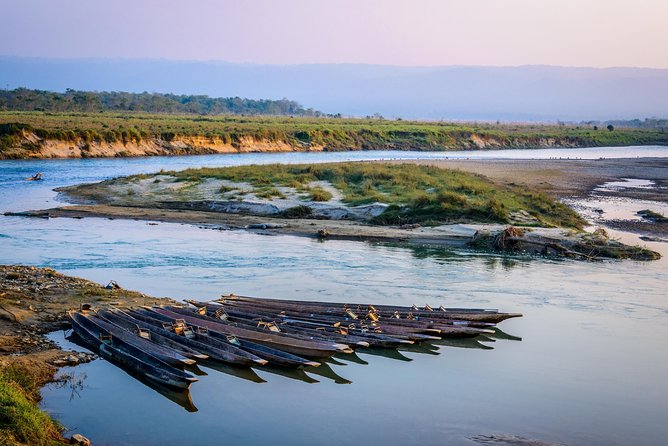
Pokhara is your decompress zone after trekking and temple days.
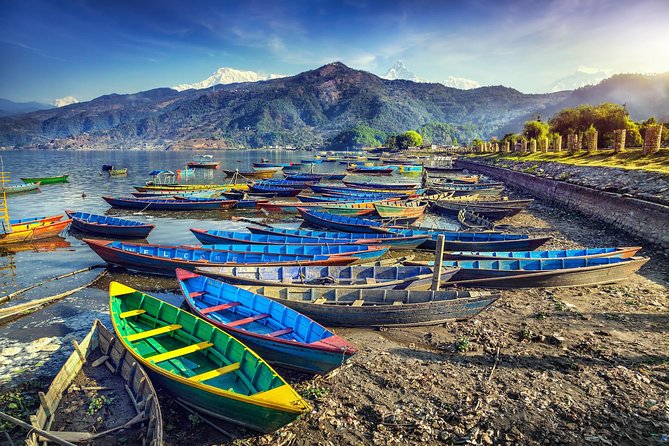
You arrive from Lumbini by private transport and get free afternoon time around Lakeside on Lake Fewa. This is where you can choose your own pace: sit with a drink, wander shops, or find a casual meal.
Sarangkot for sunrise
Next morning (early), you head to Sarangkot to catch the sunrise view over Annapurna and other mountain silhouettes. The point isn’t only the scenery. It’s also the moment when the mountains start to look real and detailed, like the day is turning the brightness dial.
Caves, falls, and a peace pagoda
You then pack in several classic Pokhara stops:
- International Mountain Museum: learn about Nepal’s mountaineering industry and notable peaks/climbers
- Devi’s Fall: a waterfall that flows underground
- Gupteshwor Mahadev Cave: a holy cave with a stalagmite worshipped like a Shiva lingam
- World Peace Pagoda: a hilltop viewpoint over the lake and city, plus sunset-time calm
There’s also an optional paragliding flight over Fewa Lake. If you do it, budget the $100 surcharge and remember tandem flights are dependent on conditions.
What I like about this Pokhara plan
It’s not just one viewpoint. You get lake mood, mountain learning, and sacred cave and pagoda atmosphere—all without requiring you to be in constant motion.
Ghorepani Poon Hill trek: the trek that earns its reputation
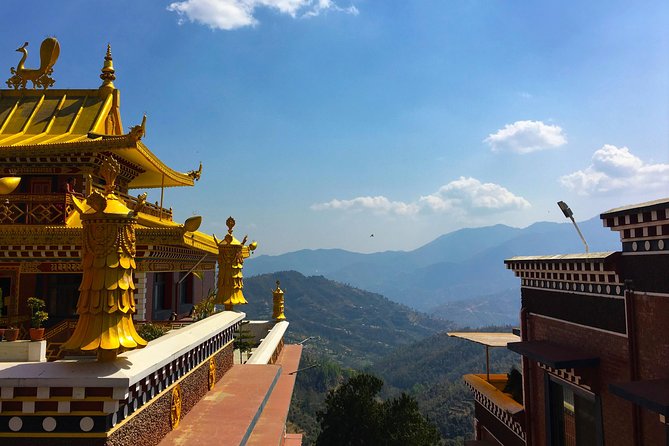
This is the heart of the trip: a moderate, classic trek with enough daily hiking to feel accomplished, but not so intense that it dominates your entire energy budget.
You drive from Pokhara to Nayapul, then begin hiking toward Ulleri.
Day to day, what your legs do
Ulleri → Hile → Ulleri-ish lodge time (Day 9 style day)
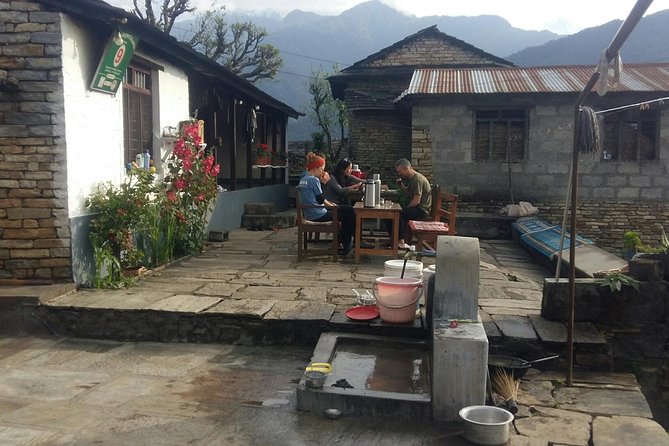
You’ll hike through terraced hills and old villages, with a lunch stop at Hile. The focus is steady walking with scenery shifting as you climb.
Ulleri → Ghorepani (Day 10 style day)
After breakfast, you continue to Ghorepani, learning village life along the way. Views can include peaks like Machhapuchhre, Huinchuli, and Annapurna South, plus you’ll pass through a famous stretch of rhododendron forest.
By afternoon, you check in to a lodge and have time to stroll the village and interact with locals and other trekkers. Ghorepani is where you feel the “trek world” take over—small streets, tea houses, and everyone talking about the weather.
Early start to Poon Hill, then down to Tadapani (Day 11 style day)
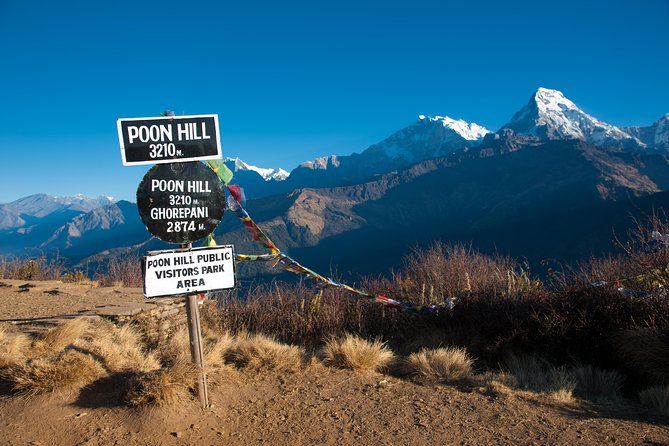
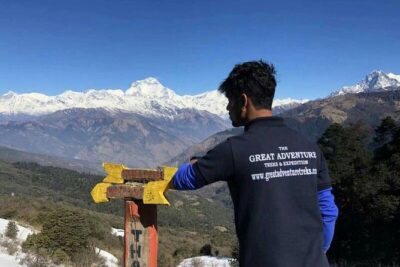
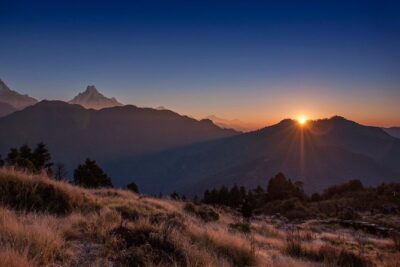
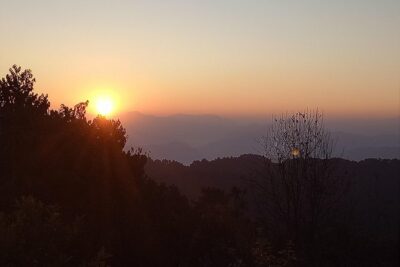
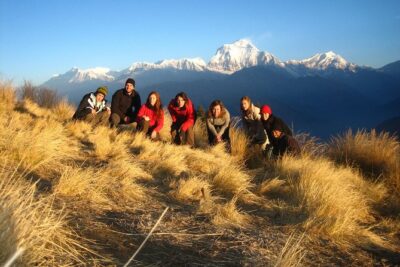
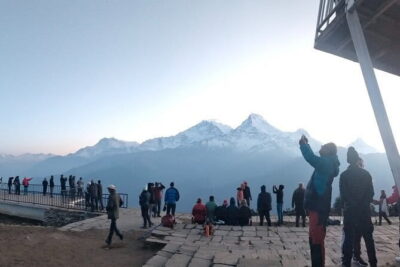
This is the sunrise day. You start from Ghorepani early to reach Poon Hill (3210m) before the light lands. You get panoramic mountain views including Annapurna and Dhaulagiri. After sunrise, you trek toward Tadapani (2650m) through thick rhododendron forest.
Tadapani → Ghandruk (Day 12 style day)
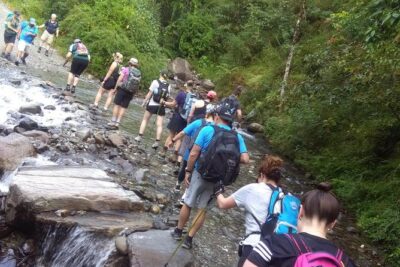
You walk a longer day, moving through villages, jungle, and streams. You’ll reach Gurung village Ghandruk for lunch and rest. Then you continue onward to Tolka, checking into your lodge.
Tolka → Australian Base Camp area → Kande, then return to Pokhara (Day 13 style day)
This day is more downhill. From Tolka, you hike back toward Pokhara via the Australian Base Camp area, then keep descending to Kande, where your driver waits and you ride back to Pokhara.
Porter support and why it matters
Your trek includes a specific support ratio: two clients per porter, and the porter can carry up to 18 kilos. That means you’re not stuck hauling everything in a daypack. For most people, it’s the difference between enjoying the walk and feeling like you’re fighting your own bag.
The one consideration
Mountain views depend on clouds and timing. The good news is Poon Hill is designed for early light, and your mornings are structured around that. Still, Nepal weather doesn’t ask permission.
Off the trail: returning to Pokhara and back to Kathmandu
After the trek ends, you’ll have breakfast in Pokhara, then drive back to Kathmandu. You arrive in Kathmandu late afternoon and stay the night.
On your final day, transfer to Tribhuvan International Airport happens about three hours before departure, with guidance to the check-in hall. It’s a clean finish line—less stress the last morning.
Who this private Nepal trip fits best
This tour is a strong match if you want:
- Private guidance and transport that keeps you from micromanaging connections
- A balanced mix of culture and nature (not only temples, not only trekking)
- A classic, structured Poon Hill experience with real support on the hiking days
- Comfort between harder days, thanks to deluxe hotels and breakfast included
It’s less ideal if you want long free blocks with zero structure. Here, the plan moves, and that’s the point.
Should you book it?
I’d book this private Nepal round trip if your ideal trip includes major Kathmandu sites, a real Chitwan wildlife day, calm Lumbini with a monastery overnight, and the Ghorepani Poon Hill sunrise trek with porter help. The price feels fair because the heavy lifting—guiding, permits, park fees, and coordinating multiple regions—gets handled for you.
I’d reconsider if you’re trying to keep costs ultra-low or if you hate the idea of extra entry fees and optional activities. Also, take the fitness side seriously. This isn’t a couch-to-mountain movie plot. It’s a solid hike. If you’re ready for that, you’ll likely love how the days build toward the sunrise payoff.
If you book, ask the operator who your English-speaking guide will be and confirm your last-mile details. Also, plan for early mornings during the trek days and keep your pack light.
FAQ
How long is the private Nepal round trip with the Ghorepani Poonhill trek?
The trip is listed as 15 days (approx.).
What does the tour include for accommodations and meals?
It includes deluxe hotels as mentioned in the program, with daily breakfast. During the trek and travel days it also lists Breakfast (9), Lunch (2), and Dinner (2).
Is the trek supported with a porter?
Yes. During the trekking there are two clients per one porter, and the porter can carry up to 18 kilos of luggage.
Where does the tour start and when?
It starts at Tribhuvan Airport, Kathmandu, Nepal, with a start time of 9:00 am.
What costs are not included that you should budget for?
The tour does not include Nepal visa fee, entry fees during sightseeing (approx. 60 USD per person), international flights, travel insurance, tipping, and food/drinks other than what is specified.
Is paragliding included?
No. Pokhara Adrenaline Paragliding is optional and has a 100 USD per person surcharge mentioned in the program.
What kind of transport and guiding do you get?
You get comfortable air-conditioned vehicles with a professional driver and an experienced English-speaking guide, plus private land transportation for the full route.
What is the cancellation deadline for a full refund?
You can cancel up to 6 days in advance for a full refund. The policy also states different refund levels if you cancel closer to the start date.
More Trekking Out of Kathmandu






Private Days, Your Group Only


More Tour Reviews in Kathmandu



Just Reviewed in Kathmandu
- Mountain Bike Tour
★ 5.0 · 3 reviews - Annapurna Panaroma
★ 5.0 · 3 reviews - Mount Everest Scenic Flight 50 Minutes
★ 5.0 · 3 reviews - Kathmandu : Swambhunath & Durbar Square Guided Half Day Tour
★ 3.3 · 3 reviews - Chandragiri Cable Car & Monkey Temple Tour – Private/Group
★ 5.0 · 3 reviews - Kathmandu: Shivapuri National Park Hiking Day Trip
★ 3.3 · 3 reviews
Poon Hill & Ghorepani Treks, compared.
 ★ 5.04 Days Poon Hill TrekFrom $40594 reviews
 ★ 5.0Ghorepani(Poonhill Trek)From $60081 reviews
 ★ 5.04-day Poon Hill TrekFrom $40074 reviews
 ★ 5.0Ghorepani Poon Hill TrekFrom $39961 reviews
★ 5.0Ghorepani Poon Hill TrekFrom $70046 reviews
 ★ 5.0Poon Hill TrekFrom $1,17242 reviews
 ★ 5.0Poonhill TrekFrom $60033 reviews
 ★ 5.0Poon Hill Trek packageFrom $40527 reviews
Browse the lists this tour appears in