
Review · MANASLU CIRCUIT TREKS
14 Days Private Manaslu Circuit Trek in Nepal
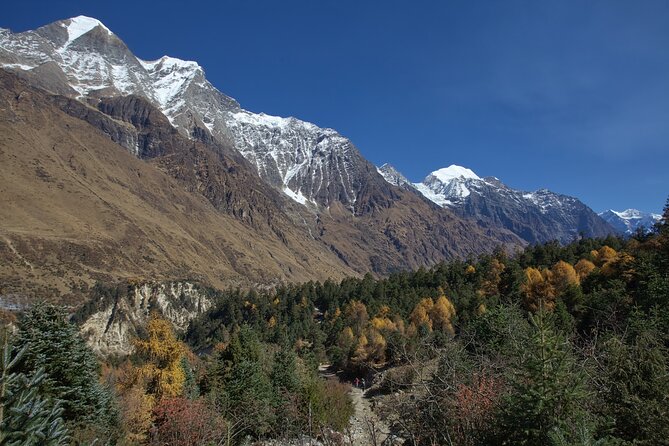
Manaslu Circuit delivers mountain drama at real trekking pace. You’ll get a private, guided route that mixes river crossings, forest trails, Gurung villages, and classic high-pass payoff around Larkya La. What makes it especially interesting is the way Heaven Himalaya handles the “stuff around the trek,” so you can focus on walking, adjusting, and enjoying mountain views instead of logistics panic.
I like that the company’s guides are repeatedly praised for staying organized and calm, including people like Prem Dahal, plus the wider team around director Ramhari. I also like the value of a truly private setup where your group has the trek rhythm to itself, rather than you feeling like a human plug-in to someone else’s schedule.
One drawback to plan for: this is not a casual stroll. You’ll spend long days on uneven trails and do one of the trek’s biggest climbs via the Larkya La crossing, so you’ll want moderate physical fitness and realistic expectations about altitude days, weather, and fatigue.
In This Review
- Key highlights worth your attention
- Why the Manaslu Circuit feels like a serious trek (and why that’s good)
- From Kathmandu pickup to your first trekking day
- Day-by-day walking: what each stage gives you
- Soti Khola to Machha Khola: river energy and early beauty
- Machha Khola to Jagat: climbs, streams, and Gurung village life
- Jagat to Deng: rockier sections and mountain views with a payoff
- Deng to Namrung: pine and rhododendron with Buddhist trail markers
- Namrung to Samagaon: the mountain gets louder
- Samagaon to Samdo: border-town atmosphere and Tibetan influence
- Samdo to Larkya Phedi (Dharamsala): short distance, high commitment
- Larkya La crossing to Bhimthang: the day that defines the trip
- Bhimthang to Dharapani: descent days that still ask for care
- The logistics side: why Heaven Himalaya’s private handling feels like value
- Best times and best expectations (weather and pace are the real bosses)
- Who should book this Manaslu Circuit trek?
- Should you book Heaven Himalaya for the 14-day private Manaslu Circuit?
- FAQ
- FAQ
- Where is the meeting point for this trek?
- How long is the Manaslu Circuit trek?
- Is this a private tour?
- Is pickup included in the itinerary?
- What fitness level is recommended?
- What happens if weather is bad?
Key highlights worth your attention
- Private group only: just your team, not a mixed crowd
- Pickup from Tribhuvan International Airport: one less headache on day one
- Forest-to-Tibet border feel: Samagaon up to Samdo changes the whole vibe
- Rest day at Samagaon: time to slow down, visit a monastery, and choose an extra hike
- Larkya La pass day: the trek’s big “work for it” moment
- Team named by past trekkers: guidance that people specifically call out as helpful
Just your group, at your own pace
- Private Kathmandu Sightseeing Tour | UNESCO World Heritage sites★ 5.0 · 756 reviews
- Kathmandu: Full Day 7 UNESCO Tour with Lunch – Private/Group★ 5.0 · 415 reviews
- Private Bhaktapur and Nagarkot Day Tour From Kathmandu★ 5.0 · 305 reviews
- Kathmandu: Full Day Top 4 UNESCO Tour with Lunch – Private/Group★ 5.0 · 269 reviews
Why the Manaslu Circuit feels like a serious trek (and why that’s good)
The Manaslu Circuit isn’t trying to be a theme park. It’s a working trek route through different elevations, cultures, and trail types. That’s why it feels rewarding: you earn the views instead of watching them from a bus window.
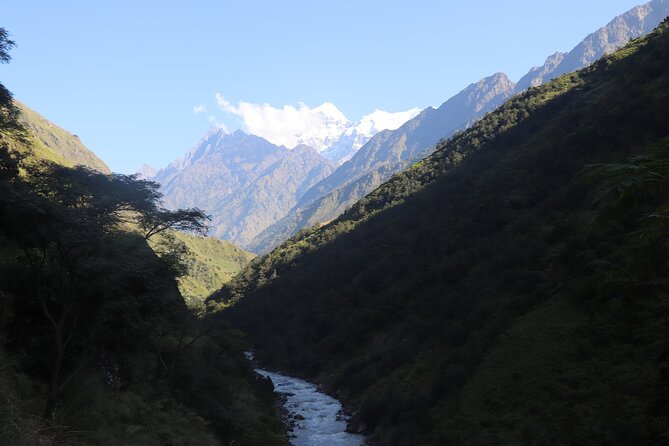
You also get more than one “kind” of mountain day. Early on, you’re dealing with forests, suspension bridges, and river valleys. Later, you step into drier, higher-country terrain where the air changes and the trail feels more exposed. That shift matters because it keeps the trek interesting and stops any single day from feeling like a copy of the previous one.
And the cultural side isn’t just “passing through.” You’ll walk through villages tied to the area’s Himalayan Buddhism—things like chortens (Buddhist shrines) and mani walls (prayer-inscribed stones) appear along the way. Those details are small, but they’re real, and they make the walk feel connected to the places you’re moving through.
From Kathmandu pickup to your first trekking day
Your trip starts in Kathmandu at Tribhuvan International Airport. You’ll be met and transferred to your hotel, then the rest of day one is yours for rest and a little exploring. That matters because on a trek like this, being tired on day two is the fastest route to sore legs and cranky decisions. Use day one to sleep, eat normally, and get your bearings.
Day two is a long drive—around 8–9 hours—to the trail start at Soti Khola. It’s not just “getting there.” This long transfer usually helps you ease into the route: you begin walking after you’ve already moved out of the city rhythm and into the slower mountain schedule. It also means you should pack for the drive—water, a light snack, and whatever you need to keep yourself comfortable before the first walking day.
Day-by-day walking: what each stage gives you
Below is how I’d think about the trek’s flow, day by day, with the practical upside and the parts to watch.
Soti Khola to Machha Khola: river energy and early beauty
Day two sets the tone. You start trekking from Soti Khola and begin moving through terrain with big Himalayan visuals in the distance. Expect a steady day with a mix of trail types and that first wave of “so this is what the mountains feel like up close.”
Day three brings you into a forested section and several small villages. You’ll walk past the Budi Gandaki River and cross suspension bridges. That bridge time is more than scenery—it’s a mental change. Suspension bridges make you pay attention to footing and pacing, and that’s not a bad thing early. You’re learning how the trek moves, before it asks more from you later.
You’ll also pass through Lapu Besi before reaching Machha Khola. Machha Khola is known for waterfalls, so this is a good day for photos, but also for practical planning: carry a rain layer and keep your footwear dry-ish. Waterfalls and mist can make trails slick.
More trails out of Kathmandu, boots ready
Machha Khola to Jagat: climbs, streams, and Gurung village life
Day four adds some real effort. You’ll cross streams and deal with steep up-and-down sections. The trail runs through forests and terraced fields, and you’ll pass through Tatopani, a Gurung village famous for natural hot springs.
Even if you don’t soak (the trek schedule doesn’t guarantee every free moment), the fact that you’re passing a hot-springs area is useful. It signals you’re walking through a region where people rely on the land’s natural features. It’s also a reminder: after a day like this, your body wants warmth and recovery.
You’ll cross the Budhi Gandaki River again before ending in Jagat. This is the kind of day where a guided plan helps. When logistics are handled, you’re not stuck guessing where the day ends or what the conditions will feel like around the final stretch.
Jagat to Deng: rockier sections and mountain views with a payoff
Day five includes a descent to the river and another suspension bridge crossing. After that, the trail turns into rocky paths through forests before reaching Deng. Deng is described as offering stunning views of the surrounding mountains, so this is one of those days where your legs feel the work, but your eyes get a reward.
Drawback to keep in mind: rocky, foresty trails can be slow. If you rush, you’ll pay later in the form of tired calves or annoyed knees. The smart strategy is to walk steady, take short breaks, and save energy for the pass days.
Deng to Namrung: pine and rhododendron with Buddhist trail markers
Day six climbs gradually through pine and rhododendron forests. This is a “long but not frantic” style of trekking. You’ll see chortens and mani walls, which makes this day feel more anchored in local spiritual life than just scenery.
You’ll reach Namrung, a village on a hillside with Himalayan views. This is the sort of place where you’ll likely want to linger after the day’s walk, because a hillside setting gives you a bigger view angle than valley towns do.
Namrung to Samagaon: the mountain gets louder
Day seven moves through Lihi and Hinang before reaching Samagaon. The trail gives you strong views of Mount Manaslu and other peaks, and you’ll arrive in a village known for traditional houses and a Buddhist monastery.
This is where many people feel the trek start to shift from “valley walking” to “high-country walking.” Even before you’re at the very highest points, the scenery becomes more direct and commanding.
Day eight is a rest day in Samagaon. This is a big deal on a 14-day circuit because it gives your body a chance to catch up. You can explore the village, visit the monastery for views, or take a hike toward nearby glaciers and lakes if you feel good. I like rest days like this because they help you walk more confidently later, instead of simply dragging yourself forward.
Samagaon to Samdo: border-town atmosphere and Tibetan influence
Day nine takes you through juniper and birch before reaching Samdo. Samdo sits on the border with Tibet and is known for traditional Tibetan houses and culture.
This day changes the vibe in a way that matters. The vegetation shift alone makes the air feel different, and the Tibetan cultural feel gives the place a distinct identity from earlier stops. If you’re the type who likes to understand where you are (not just photograph it), Samdo is a highlight.
Samdo to Larkya Phedi (Dharamsala): short distance, high commitment
Day ten is described as a short trek but challenging because you gain significant altitude. You pass streams and take in mountain views, ending at Dharamsala (also called Larkya Phedi), which acts as the base camp area for the Larkya La pass.
This is not a day to treat like a normal warm-up. A shorter day doesn’t mean easier. Altitude can make your breathing feel heavier even when the walking time seems manageable. The practical move here is to keep your pace gentle and avoid big surges.
Larkya La crossing to Bhimthang: the day that defines the trip
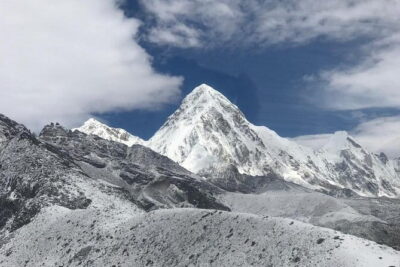
Day eleven is the most challenging day: you cross Larkya La, the highest point on the trek. The pass offers sweeping views, including as far as Annapurna II and Himlung Himal (when weather cooperates). After crossing, you descend to Bhimthang, known for lush forest scenes and scenery.
This is the point where mental strategy matters as much as physical stamina. You’ll want a steady rhythm, proper layering, and a focus on one segment at a time. And because weather is a real factor in high passes, you’ll be glad your company emphasizes running the trip safely and adjusting when needed.
Bhimthang to Dharapani: descent days that still ask for care
Day twelve takes you on a gradual descent through forests and terraced fields. You pass Tilije and Thonje before reaching Dharapani. Dharapani is known for traditional houses and culture and offers views of the surrounding mountains.
Descent days can be sneaky. Your legs may feel less “strenuous,” but they get more impact. If your form gets sloppy near the end, that’s when blisters and knee grumbles start. Take your time on slopes and step deliberately.
The logistics side: why Heaven Himalaya’s private handling feels like value
At $1,800 per person for a 14-day private trek, the first question is: what are you actually paying for besides the walking? In this case, you’re paying for a whole support chain: pickup, transportation between Kathmandu and trailheads, and help with planning plus accommodation and meals during the trek.
That support chain is what turns a “good itinerary” into a good trip. It also matters on a physically hard route. When someone else handles schedules and routing decisions, you can focus on hydration, pacing, and small adjustments like layering or taking an extra minute at a windy overlook.
There’s also the human side. In past experiences with Heaven Himalaya, names like Ramhari (director) and guides such as Prem Dahal and Bishal come up for being helpful and organized. Even porters named like Dipak and Babu show up in how people describe the team. That kind of detail matters, because it signals that the company builds real trekking staffing, not just a one-person show.
One more value point: the company presents responsible and sustainable tourism as part of their approach, with treks meant to benefit local communities and the environment. I can’t measure that from a distance, but it’s at least a stated priority—and on a trek this close to local life, it’s worth choosing an operator who claims to care.
Best times and best expectations (weather and pace are the real bosses)
The trek requires good weather. High-pass days are especially sensitive, and the operator notes that if poor weather forces changes, you’ll be offered a different date or a full refund. That’s the kind of policy you want to see for a route where conditions can change quickly.
In practical terms, pack for fast weather shifts. On mountain treks, you can start the day cool and end it warmer, then get hit by wind again near higher points. Your best tool is a reliable layering system.
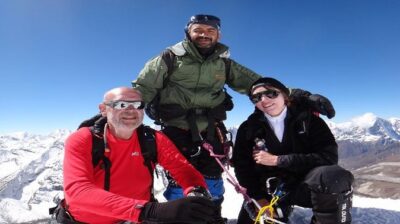
Also, set your expectation that this is a private trekking experience with only your group. That means you’re not stuck with a mixed-speed group. It’s good for comfort and pacing, especially if your walking style is steady and you don’t want to feel “managed” like a herd.
Who should book this Manaslu Circuit trek?
This is a strong fit if you want:
- A challenging trek with real mountain days, including Larkya La
- A private group setup (calmer pace, less waiting, more control)
- A company that handles transport and trekking-day logistics, including accommodation and meals
- A route that includes cultural markers like mani walls and chortens, plus Tibetan-influenced Samdo
It’s also a good pick if you’re the type who likes a rest day to rebalance your body. Day eight in Samagaon isn’t just a break; it’s a pacing tool.
You might think twice if you’re looking for a very light hiking schedule or if your fitness plan isn’t ready for a highest-point pass day. The itinerary itself hints at that mix: several steady walking days plus one major crossing.
Should you book Heaven Himalaya for the 14-day private Manaslu Circuit?
If you want a Manaslu Circuit trek where the “non-walking work” is handled well, this is a sensible choice. The price isn’t cheap, but it’s in line with what you’re paying for: private service, transport from Kathmandu, and day-to-day support that can make the difference between a stressful trek and a smooth one.
My biggest reason to say yes is simple: the trek is demanding, and you’ll enjoy it more when your team is organized and focused on the day’s realities. People have specifically praised the guidance and professionalism of staff names like Prem Dahal, and also highlighted directors and team members like Ramhari and Bishal—exactly what you want when weather, fatigue, and altitude are real.
If you’re ready to work for the views and you like having a plan you can trust, book it. If you want low-effort hiking, swap to something easier. Manaslu doesn’t do shortcuts, but with the right team, it does deliver a very satisfying trek arc.
FAQ
FAQ
Where is the meeting point for this trek?
The start point is Tribhuvan Airport in Kathmandu, Nepal, where you’ll be picked up and transferred to your hotel.
How long is the Manaslu Circuit trek?
The duration is 14 days (approx.).
Is this a private tour?
Yes. It’s listed as a private tour/activity, and only your group will participate.
Is pickup included in the itinerary?
Yes. Pickup is offered, including transfers from Kathmandu for the trekking start and again for the departure day.
What fitness level is recommended?
Travelers should have a moderate physical fitness level.
What happens if weather is bad?
This experience requires good weather. If it’s canceled due to poor weather, you’ll be offered a different date or a full refund.
More Trekking Out of Kathmandu
Private Days, Your Group Only

More Tour Reviews in Kathmandu
Just Reviewed in Kathmandu
- Mountain Bike Tour
★ 5.0 · 3 reviews - Annapurna Panaroma
★ 5.0 · 3 reviews - Mount Everest Scenic Flight 50 Minutes
★ 5.0 · 3 reviews - Kathmandu : Swambhunath & Durbar Square Guided Half Day Tour
★ 3.3 · 3 reviews - Chandragiri Cable Car & Monkey Temple Tour – Private/Group
★ 5.0 · 3 reviews - Kathmandu: Shivapuri National Park Hiking Day Trip
★ 3.3 · 3 reviews
Manaslu Circuit Treks, compared.
 ★ 5.0Manaslu Circuit TrekFrom $1,190292 reviews
Manaslu Circuit TrekFrom $1,081184 reviews
★ 5.0Manaslu Circuit Trek:From $1,099106 reviews
★ 5.0Manaslu Circuit TrekFrom $1,190292 reviews
Manaslu Circuit TrekFrom $1,081184 reviews
★ 5.0Manaslu Circuit Trek:From $1,099106 reviews
 ★ 5.0Manaslu Circuit Trek (15 Days)From $1,65750 reviews
Manaslu Circuit TrekkingFrom $1,49944 reviews
★ 5.0Manaslu Circuit Trek (15 Days)From $1,65750 reviews
Manaslu Circuit TrekkingFrom $1,49944 reviews
 ★ 5.016 Day Private Manaslu Circuit Trek from KathmanduFrom $1,13542 reviews
★ 5.0Manaslu Circuit TrekFrom $1,90035 reviews
★ 5.016 Day Private Manaslu Circuit Trek from KathmanduFrom $1,13542 reviews
★ 5.0Manaslu Circuit TrekFrom $1,90035 reviews
 ★ 5.0Manaslu Circuit Trek 13 DaysFrom $1,40030 reviews
Browse the lists this tour appears in