

Review · ANNAPURNA CIRCUIT TREKS
15-Day Private Annapurna Circuit Trek from Kathmandu
First off, this trek has big altitude moments. You’ll cover the classic Annapurna Circuit arc with a private guide, lodge stays, and the key acclimatization time in Manang before tackling Thorong La (5416m). I also like the way the trip mixes on-foot hiking days with smart transport segments so the whole circuit doesn’t feel like one long endurance test every day.
One thing to consider: you’re sleeping in “normal” trekking lodges and spending plenty of days on the trail. If you want hotel comforts, gourmet food, or frequent creature comforts, this isn’t that kind of itinerary.
In This Review
- Key highlights to expect
- The Annapurna Circuit, but set up for real logistics (not just hiking)
- Kathmandu to Bulbule: starting with pickup and a road day
- Ghermu to Chamje to Chame: learning the Marshyangdi Valley rhythm
- Manang acclimatization days: the part you’ll want to take seriously
- Thorong La Pass staging: what the camp nights are really doing
- From Jomsom and Muktinath to Shikha: using transport to save your legs
- Ghorepani and the Poon Hill sunrise: the finish you remember
- Pokhara back to Kathmandu: wrapping the circuit into a real trip
- Price and logistics: is $995 good value here?
- Who this trek suits best (and what to watch)
- Small details that make a difference on the ground
- Should you book this private Annapurna Circuit?
- FAQ
- Where does the trek start?
- What time does the experience start?
- How long is the trek?
- How much does the tour cost?
- Is this a private tour?
- Are airport transfers included?
- Are permits included?
- What kind of accommodation is provided on the trek?
- Is a porter included?
- What parts of the trip include extra paid items?
Key highlights to expect
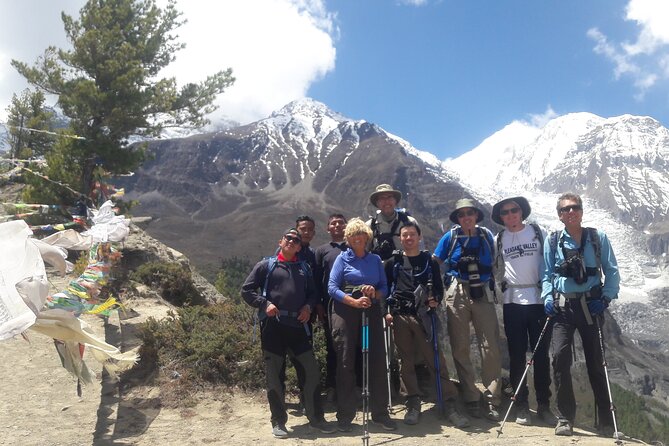
- Private, “just your group” trekking with an experienced guide and clear daily structure
- Acclimatization in Manang built in before the Thorong La pass push
- Thorong La Pass at 5416m, with a camp night staged for the crossing
- Poon Hill sunrise from Pokhara with views over multiple Annapurna/Dhaulagiri peaks
- Meals and permits included, so fewer trip pieces fall through the cracks
Just your group, at your own pace
- Private Kathmandu Sightseeing Tour | UNESCO World Heritage sites★ 5.0 · 756 reviews
- Kathmandu: Full Day 7 UNESCO Tour with Lunch – Private/Group★ 5.0 · 415 reviews
- Private Bhaktapur and Nagarkot Day Tour From Kathmandu★ 5.0 · 305 reviews
- Kathmandu: Full Day Top 4 UNESCO Tour with Lunch – Private/Group★ 5.0 · 269 reviews
The Annapurna Circuit, but set up for real logistics (not just hiking)
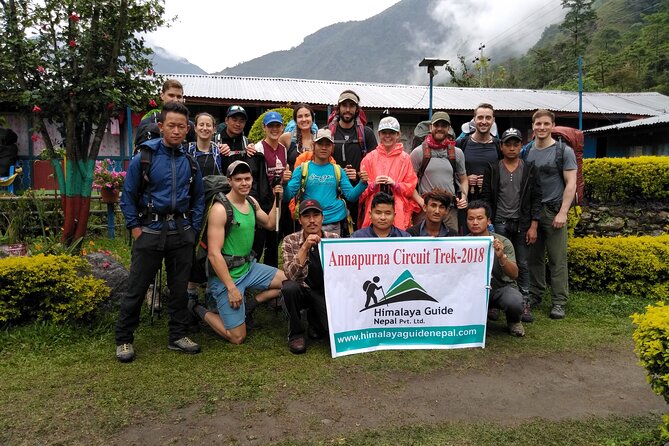
The Annapurna Circuit gets sold as a pure trekking fantasy. The reality is logistics. Roads, flights, permits, and timing can either make the trip smooth or make it stressful. This one is built around the practical stuff: airport transfers, land transport where it saves time, and the trekking days spaced so you’re not constantly running on fumes.
You’re paying $995 per person, and what I like is that the price isn’t just “a guide walking with you.” It covers the big trip essentials: your ACAP permit and TIMS card, the guide’s salary and equipment support, and most of your meals on the trek. It’s still a trek with real altitude, but the admin burden is handled.
The private setup also matters. You’re not sharing your day with a giant crowd. That usually means a more flexible rhythm for pacing, questions, and rest stops, and it helps when weather shifts.
Kathmandu to Bulbule: starting with pickup and a road day
Your trip begins in Kathmandu with an airport pickup and drop service, and the start time is listed as 10:15am at Tribhuvan Airport. You’ll then move by road to Bulbule via a bus ride that takes about 6–7 hours.
The first day’s hiking focus is light compared with what’s coming. You’ll start in the Lamjung area and shift from road travel into the rhythm of the valley. This is where you want to settle in: get your layers right for river-valley mornings, keep water intake steady, and avoid the mistake of treating Day 1 like a cardio event. The goal is to save energy for the higher days later.
A practical note: because you’re using public transport and local road segments early on, it helps to keep a little patience on standby. The upside is you’re moving through the region in a more “Nepal” way than a fully private vehicle door-to-door all the time.
Ghermu to Chamje to Chame: learning the Marshyangdi Valley rhythm
From Ghermu (Day 2), your trek leans into village walking and gradual uphill effort. You’ll go through local paths and settlements and reach Ngadi (about 1270m) for lunch. This kind of day does two useful things:
- It gets your legs awake without throwing you straight into big altitude climbs.
- It teaches your body how the valley terrain feels—uphill drags, then down-and-around sections, usually near the Marshyangdi River.
Day 3 brings Chamje. You’ll cross the Marshyangdi River on a suspension bridge, then face a steep uphill section through cliff-faced terrain. After that, you work your way onward through the rhythm of the trail and end up at the day’s lodge stop.
Day 4 focuses on Chame. You cross another suspension bridge to Karte, passing through places like Dharapani and Bagarchhap (1960m), then continue toward Danque around 2300m. The area is marked by a typical stone entrance chorten, and this is one of those trek moments where the route feels tied to place, not just geography.
Why these days matter: you’re building form. By the time you reach Manang, your body has started adapting to steady hiking and changing trail footing.
Manang acclimatization days: the part you’ll want to take seriously
Days 5 to 8 are centered on Manang, and this is the big difference-maker in how the trek feels. You’ll go higher through narrow valley sections and dense forest stretches, cross at key points, and keep climbing toward the Manang plateau.
On Day 5, the trail runs through a dense forest and a narrow valley, crossing to the south bank of the Marshyangdi Khola around 3038m. You’ll also pass a dramatic rock face that rises far above the river. It’s visually dramatic, but the real point is altitude building in a controlled way.
Day 6 adds another Manang approach depending on where you slept lower down. You’ll follow either the Marshyangdi Khola side route or cross the Khola route, which both rejoin later around Mungji. In plain terms: you’ll spend the day on mountain paths, and your guide will choose the route based on conditions and trail flow.
Day 7 is the acclimatization day in Manang. It’s listed as important before going toward Thorong La (5416m). You’ll also have an optional explore, including a mention of a Lama (monk) location where a 100 rupees donation is expected if you visit. This isn’t about theatrics. It’s a reminder that these places are living communities, not just photo stops.
Day 8 continues your climb away from the Marshyangdi valley and into the jar sang Khola valley direction via Tanki and Ghungsang. You pass pastures and move through open stretches. This is the day when you start feeling how the terrain changes as you angle toward the pass country.
More trails out of Kathmandu, boots ready


Thorong La Pass staging: what the camp nights are really doing
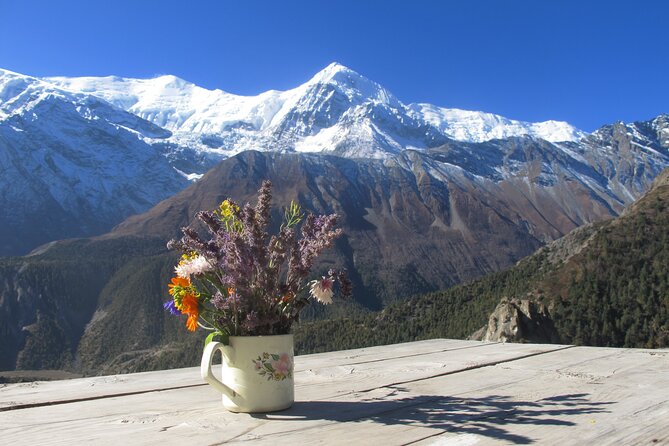
Day 9 is your last camp before crossing Thorong La. The route follows yak grazing ground and then works down toward Jarsang Khola. From there, you reach Durali Tea shop area for food and break time before settling into the next sleeping spot. Even if you don’t love early starts, this kind of staging helps. You’re not doing the pass completely cold—your body is already “in the zone.”
Day 10 is the pass day. The itinerary notes Phedi as the morning departure point and describes it as the last hard-work day with a long climb. The key practical idea here is timing. You start early because you’re headed up, then you need time to descend and keep energy for the day’s end.
If you’re someone who fears altitude, this is the section where your guide’s pacing decisions matter most. A good guide keeps you moving but not racing—steady breaths, small pauses, no hero moves. The company has repeatedly earned praise for responsible care and safety-first guidance, with names like Pratap, Dinesh, Binoot, Salman, and Bashudev showing up in past client experiences with Himalaya Guide Nepal.
From Jomsom and Muktinath to Shikha: using transport to save your legs
After Thorong La, Day 11 shifts into a different mode. The trip describes optional routes from Muktinath onward, and it also mentions the possibility of taking a short flight from Jomsom to Pokhara and then walking parts like Tatopani over several days. In your case, the tour also includes public transportation from Muktinath to Tatopani.
This is a smart pivot. The circuit’s most brutal altitude push is done. Now the tour uses transport options so you can keep the overall schedule without turning the whole second half into a grind.
Day 12 takes you toward Shikha. You’ll spend time at hot springs, then trek down before crossing a suspension bridge over the Kali Gandaki River. From there, the path follows Burung Khola to a junction area before reaching Shikha.
Hot springs matter more than people think. Your feet get beat up by rocky descents, and a soak can help you feel human enough to keep walking.
Ghorepani and the Poon Hill sunrise: the finish you remember
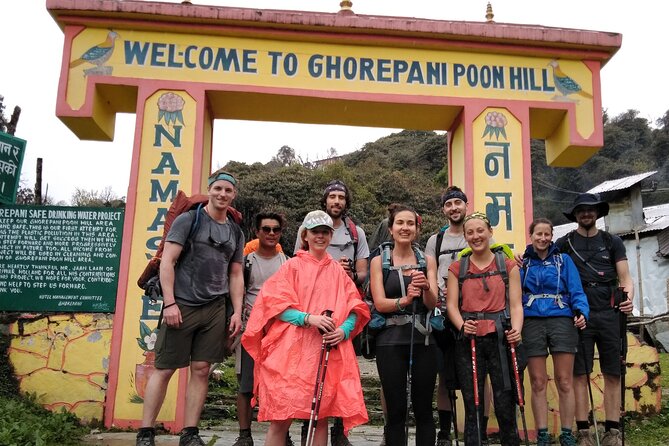
Day 13 heads to Ghorepani. You’ll pass Magar villages of Phalate and Chitre, then walk terraced fields into dense rhododendron and pine forests. The day is described as quite hard, and that tracks with the typical “end-of-trek” truth: legs are tired, but elevation and trail roughness don’t care.
Day 14 is your Pokhara transition plus the classic Poon Hill experience. You’ll do an early morning hike to Poon Hill (3210m) for sunrise. The views listed include Dhaulagiri, Tukuche Peak, Nilgiri, Annapurna South, Himchuli, and the peaks between. This is where the trek reward feels bigger than a single mountain.
Even if you’re not a sunrise person, do it once. That half-dark hike has a purpose. The light changes fast, and your guide’s timing helps you reach the viewpoint before the clouds fully decide your fate.
Day 14 also includes arriving at Pokhara Lakeside after the Poon Hill morning.
Pokhara back to Kathmandu: wrapping the circuit into a real trip
On Day 15, you travel back to Kathmandu. The tour offers choices like a tourist bus and includes a farewell dinner.
The way Day 15 is written makes sense: after a long route and a pass, you’ll probably prefer a straightforward transfer rather than squeezing in extra sightseeing miles. A farewell dinner is also a chance to compare notes about what you found easiest and what surprised you.
Price and logistics: is $995 good value here?
At $995 per person, this trek lands in the “serious but not extravagant” category. For your money, you get:
- Airport pickup and drop (Kathmandu to hotel and back)
- Bus transfer to Bulbule (6–7 hours by road)
- Public transportation segments including Muktinath to Tatopani
- Car from Nayapul to Pokhara (trek ending point to Pokhara)
- Deluxe tourist bus from Pokhara to Kathmandu
- Lodge accommodation on the trek (normal)
- An experienced guide (with salary, insurance, equipment, transportation, lodging, and food covered)
- Legal paperwork: ACAP permit and TIMS card
- Meals: breakfast, lunch, and dinner across the 15 days
- A token of love plus farewell lunch or dinner
- Mobile ticket
What isn’t included is also clear, and it’s the stuff that can quietly change your real budget:
- Travel insurance
- Porter (though they’ll organize one per request)
- Extra nights and meals in Kathmandu and Pokhara
- Drinks like Coke, mineral water, beer, and other personal expenses
- Laundry, phone charges, battery charging, showers, and boiled water
For value, I think the big win is the permit coverage + guide support + most meals + intercity transport. Those are the items that most often make “cheap treks” turn expensive once you add them later.
Who this trek suits best (and what to watch)
This is best for you if:
- You have moderate physical fitness
- You want a guided trek with private group attention
- You like the Annapurna Circuit’s classic villages and mountain sequence
- You want help with permits and transport so you can focus on the trail
It’s something to think twice about if:
- You’re allergic to altitude risk and hate planning around it. Thorong La is listed at 5416m, and the tour depends on acclimatization in Manang.
- You need high-comfort lodges or frequent non-trekking downtime. The trip uses “normal” lodge accommodation.
And here’s a small but real point: since this is private and only your group participates, costs per person can feel high compared with group tours. But if you’re two people, the private structure can still feel like good value—especially when the guide and permits are bundled.
Small details that make a difference on the ground
A few practical touches matter during the trek:
- The guide is included with equipment, insurance, and food support, which reduces what you must manage yourself.
- The route includes suspension bridges over major river sections early and again around Shikha. If you’re nervous about heights, keep steady breathing and don’t rush your steps.
- There’s a built-in acclimatization day in Manang, including optional explore time, not just a “walk and hope” plan.
- The trek closes with Pokhara and Poon Hill sunrise, so the ending doesn’t feel abrupt.
Should you book this private Annapurna Circuit?
I’d book if you want a well-run private circuit where the permits, meals, and the big transport links are handled, and where the schedule respects acclimatization. The $995 price is easier to justify when you see what it covers, especially the guide package and the legal paperwork.
I’d pause before booking if your top priority is luxury lodge comfort, or if you don’t want to handle altitude planning at all. This trek is serious. It’s also rewarding, and it’s run with a style that leans caring and safety-first, which shows up in how past guides like Pratap, Dinesh, Binoot, Salman, and Bashudev have been described.
If that sounds like your kind of travel, this is a strong choice for your Nepal hiking season.
FAQ
Where does the trek start?
It starts in Kathmandu, Nepal, with pickup service around Tribhuvan Airport.
What time does the experience start?
The start time is listed as 10:15am.
How long is the trek?
The duration is listed as 15 days (approx.).
How much does the tour cost?
The price is $995.00 per person.
Is this a private tour?
Yes. It’s private, and only your group will participate.
Are airport transfers included?
Yes. International airport pickup and drop service is included (airport to hotel to airport).
Are permits included?
Yes. Legal documents including ACAP permit and TIMS card are included.
What kind of accommodation is provided on the trek?
You’ll stay in lodge accommodation on the trek, described as normal.
Is a porter included?
A porter is not included, but the company can organize one per request.
What parts of the trip include extra paid items?
Travel insurance, extra nights and food in Kathmandu and Pokhara, drinks (like Coke/mineral water/beer), and personal expenses are not included.
If you want, tell me your month of travel and your hiking level (comfortable on steep climbs or not), and I’ll help you judge how tight the altitude days might feel for you.
More Trekking Out of Kathmandu






Private Days, Your Group Only


More Tour Reviews in Kathmandu



Just Reviewed in Kathmandu
- Mountain Bike Tour
★ 5.0 · 3 reviews - Annapurna Panaroma
★ 5.0 · 3 reviews - Mount Everest Scenic Flight 50 Minutes
★ 5.0 · 3 reviews - Kathmandu : Swambhunath & Durbar Square Guided Half Day Tour
★ 3.3 · 3 reviews - Chandragiri Cable Car & Monkey Temple Tour – Private/Group
★ 5.0 · 3 reviews - Kathmandu: Shivapuri National Park Hiking Day Trip
★ 3.3 · 3 reviews
Annapurna Circuit Treks, compared.
 ★ 5.0Annapurna Circuit Trek with Tilicho LakeFrom $1,093368 reviews
 ★ 5.0Annapurna Circuit TrekFrom $1,17594 reviews
★ 5.0Annapurna Circuit TrekFrom $2,24067 reviews
★ 5.0Annapurna Circuit TrekFrom $1,07449 reviews
★ 5.0Annapurna Circuit TrekFrom $1,35046 reviews
★ 5.0Annapurna circuit TrekFrom $99835 reviews
★ 5.0Annapurna Circuit TrekFrom $1,15035 reviews
★ 5.0Annapurna Circuit TrekFrom $97534 reviews
Browse the lists this tour appears in