
Review · UPPER MUSTANG & REMOTE TREKS
20 Days Private Kanchenjunga Circuit Trek
Kanchenjunga Circuit Trek means big days and real payoff. This private 20-day trek in eastern Nepal takes you through the Kanchenjunga Conservation Area with both Pangpema (North Base Camp) and the South Base Camp on the same circuit, plus a string of high passes like Sele Le.
I love how this route builds in acclimatization stops at the right altitude levels, instead of racing upward and hoping for the best. I also like the human side: a careful, experienced guide makes route timing and cultural moments easier to handle (Narayan and Dil are two names you’ll hear from people who’ve done this trek with Magical Nepal). The main drawback is simple: it’s remote and altitude is serious, so you’ll need strong fitness and a head for slow, steady days.
In This Review
- Key highlights you shouldn’t miss
- Why the Kanchenjunga Circuit Trek Feels Different Than Common Nepal Trails
- Getting There: Flights to Bhadrapur, Then the Long Road to Taplejung
- Tea Houses, Permits, and What the Private Setup Really Changes
- Day-by-Day: From Chirwa to Ghunsa and Up Toward Pangpema
- High Passes Around Sele Le: Where Acclimatization Meets Tough Terrain
- The Descent Through Torongding and Yamphudin: Cultural Stops, Not Just Mile Markers
- Price and Value: Is $2,560 Fair for a 20-Day Private Circuit?
- Who This Trek Suits Best (And Who Should Think Twice)
- Should You Book the 20 Days Private Kanchenjunga Circuit Trek?
- FAQ
- Where does this trek start and end?
- How long is the 20 Days Private Kanchenjunga Circuit Trek?
- What transportation is included at the beginning and end?
- Are permits included?
- What about meals and accommodation during the trek?
- Are vegetarian or special diets available?
- What’s not included during the trek?
- Is this tour private, and are service animals allowed?
- Can I cancel and get a full refund?
Key highlights you shouldn’t miss
- Pangpema North Base Camp at about 5,140 meters, focused on Kanchenjunga’s north-face views
- Acclimatization built into the itinerary with extra nights in places like Ghunsa and Kambachen
- Sele Le and big pass country on the way between base camps (including Sinion La, Mirgin La, and Sinelapche La)
- A south-valley turnaround with a day trip to the South Base Camp while staying in Cheram
- Village-to-village trekking with cultural stops in Ghunsa, Yamphudin, and Torongding
- Private support in tea houses with permits handled and meals included on the trek
Just your group, at your own pace
- Private Kathmandu Sightseeing Tour | UNESCO World Heritage sites★ 5.0 · 756 reviews
- Kathmandu: Full Day 7 UNESCO Tour with Lunch – Private/Group★ 5.0 · 415 reviews
- Private Bhaktapur and Nagarkot Day Tour From Kathmandu★ 5.0 · 305 reviews
- Kathmandu: Full Day Top 4 UNESCO Tour with Lunch – Private/Group★ 5.0 · 269 reviews
Why the Kanchenjunga Circuit Trek Feels Different Than Common Nepal Trails
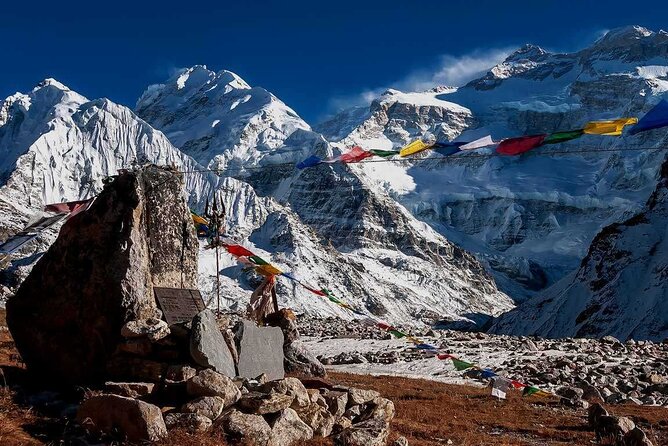
If you’re looking for a trek that feels like it’s still part of the mountains’ daily life—not just a checkout line of lodges—this circuit fits the bill. You spend real time moving between small settlements and high camps inside the Kanchenjunga Conservation Area, with base camp viewpoints at both ends of the mountain.
What makes it especially interesting is the mix: forested lower sections, alpine meadows and glacial terrain near the top, and actual village rhythms before you reach the high passes. You’ll go high enough to understand why the whole region is treated with care, and you’ll come back down through communities that don’t feel like a theme park.
Getting There: Flights to Bhadrapur, Then the Long Road to Taplejung
The trip starts with a practical two-step: get to the eastern edge of Nepal fast, then settle into the trekking rhythm. You’ll fly from Kathmandu to Bhadrapur in the afternoon (about 45 minutes), then continue by road to Ilam for an overnight.
Next comes the big transfer day: Ilam to Taplejung is a long haul (roughly 240 km), and it can take 9 to 12 hours depending on road conditions. This isn’t just “getting from A to B”—it’s how you absorb the pace of the region. If you’re prone to feeling travel-groggy, plan to treat Taplejung as a reset point, not a “let’s explore” day.
From Taplejung, the route turns more trekking-like as you head deeper toward the Kanchenjunga area and into small communities that serve as a base for hikers.
Tea Houses, Permits, and What the Private Setup Really Changes
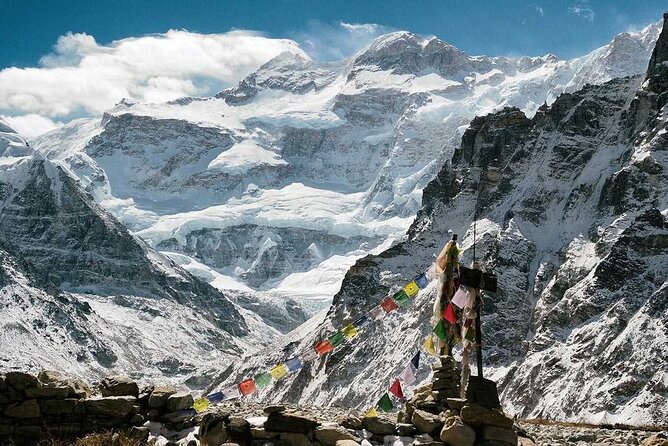
This is a private tour/activity, so you’re not sharing your schedule with a random mix of strangers. That matters on a circuit like Kanchenjunga, where weather, energy levels, and altitude comfort can affect daily decisions.
Your guide is included for 19 days, and all required permits for the trek are handled as part of the package. That’s value you’ll feel most in two places: fewer paperwork stress points, and a guide who can keep your day plan realistic when conditions change. People who trekked with Magical Nepal specifically highlighted guides like Narayan for route detail and Dil for adjusting plans based on wet and health conditions—exactly the kind of practical flexibility you want in remote high terrain.
Meals and lodging are also covered in a straightforward way:
- Tea house accommodation for 19 days in the mountain
- Breakfast (20), lunch (19), dinner (19)
- Vegetarian, vegan, and gluten-free food is available on request
One thing you should plan around: hot and cold drinks aren’t included. On a cold trek, that’s not a small detail—so bring cash habits, hydration strategy, and a realistic view of what’s available along the way.
Day-by-Day: From Chirwa to Ghunsa and Up Toward Pangpema
The route starts gently enough, then gradually tightens the screws as you gain altitude.
Day 1: Bhadrapur to Ilam
After your flight, you drive to Ilam and sleep there. Think of this day as your “wake up in eastern Nepal” step, not the trek start.
Day 2: Ilam to Taplejung
This is a road day: long, slow, and very real. You arrive ready to move, but you don’t want to burn energy here.
Days 3–6: Into the circuit villages
You pass through Chirwa, then move onward toward the Kanchenjunga Conservation Area through Lelep, Amjilosa (around 2,310 meters), and Gyabla. These stretches are short on paper, but they’re about positioning you for the higher, more structured hiking days that follow.
Day 7: Ghunsa
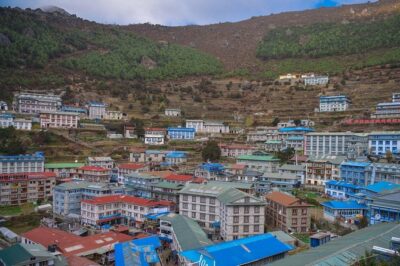
Ghunsa is your first big “mountain routine” village. It’s also a common acclimatization stop for Kanchenjunga trekkers, and it sits at about 3,475 meters.
Day 8: Acclimatize in Ghunsa
This is a day you’ll thank yourself for later. Extra rest here helps your body adjust before you push into higher altitudes.
Day 9–10: Kangbachen (Kambachen) and another acclimatization night
You head to Kangbachen via trails through alpine meadows and moraines, then spend a night there to adjust further. Kambachen is listed at around 4,050 meters, which is high enough that you shouldn’t treat it like a casual stop.
Day 11: Lhonak
You move into Lhonak, known in this trek pattern for big mountain-and-glacier views as you approach the base camp terrain.
Day 12: Pangpema (Kanchenjunga North Base Camp)
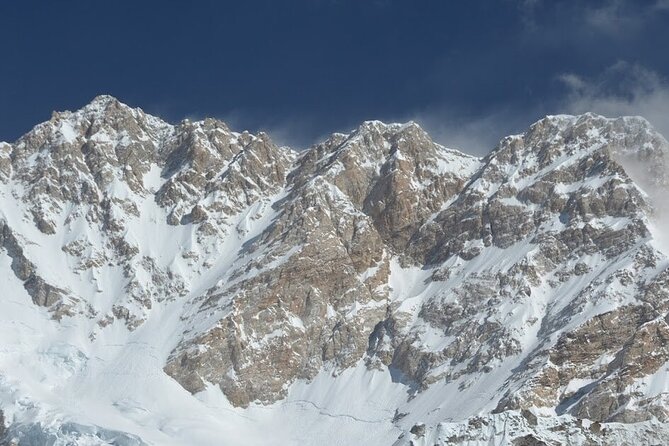
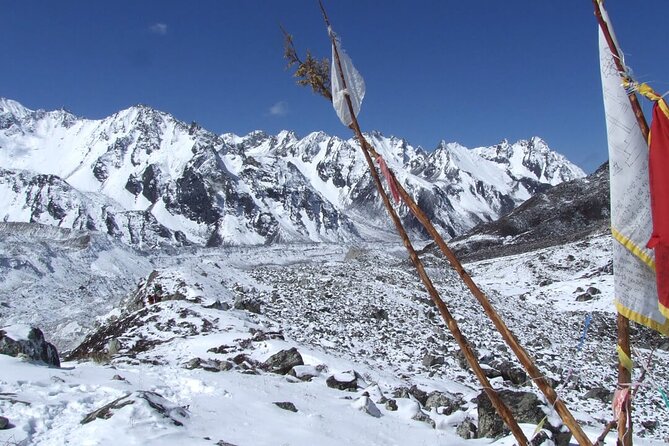
This is the crown step: Pangpema is around 5,140 meters. The focus is on the north face of Mount Kanchenjunga, the world’s third-highest peak. Expect a day that feels intense even if you don’t walk much—thin air has a way of making you notice everything.
Day 13: Down to Ghunsa
You descend to Ghunsa and overnight there. This down-and-rest rhythm helps your body recover and resets you for the next phase.
More trails out of Kathmandu, boots ready
High Passes Around Sele Le: Where Acclimatization Meets Tough Terrain
After the North Base Camp segment, the trek changes mood. You’re moving toward the South Base Camp through high pass country.
Day 14: Sele Le (with the pass approach)
Sele Le is described as a high-altitude campsite and stopover, and it sits in the route logic linking north and south via passes including Sinion La, Mirgin La, and Sinelapche La. Even if you’re not standing at each pass for hours, these names tell you the terrain is serious—expect exposure, cold, and strong route discipline.
Day 15: Cheram
You head from Sele Le to Cheram (around 3,870 meters). The trek distance is listed at about 10 km and the time at 7–8 hours, so this day is practical to plan for. Cheram becomes your base for the South Base Camp day trip.
Day 16: Day trip to Kanchenjunga South Base Camp
This is structured as a day outing while you stay overnight in Cheram. The value here is pacing: you can go hard to the base camp, then come back for recovery in the same village environment rather than moving camps again immediately.
If the North Base Camp phase felt like a big milestone, the South Base Camp day often feels like the payoff and the proof—two different approaches to the same mountain, both accessed through patient travel and careful altitude timing.
The Descent Through Torongding and Yamphudin: Cultural Stops, Not Just Mile Markers
After your South Base Camp push, the trail becomes less about altitude drama and more about the rhythm of moving through settlements and river valleys.
Day 17: Down toward Torongding
You descend through areas described as lush forests, alongside rivers, and past small settlements. You reach Torongding, a small village. This is a good day for steady walking and noticing the way the terrain changes as elevation drops.
Day 18: Yamphudin
Yamphudin is highlighted as culturally diverse, with residents from groups including Limbu, Sherpa, Rai, and Gurung. Even with no formal cultural tour listed, this kind of village stop gives you a real chance to connect with locals in a natural way—through daily interactions, not stage-managed performances.
Day 19: Fikal and return positioning
You reach Fikal, a small settlement. The itinerary notes you can drive from Yamphuding to Fikal. This day is mainly about moving you into the final transport loop back to Bhadrapur and then Kathmandu.
Day 20: Back to Kathmandu
You drive from Fikal to Bhadrapur (about 2 hours) and take an afternoon flight back to Kathmandu. The overall tour ends with a drop-off at Tribhuvan International Airport departure terminal.
Price and Value: Is $2,560 Fair for a 20-Day Private Circuit?
At $2,560, the price isn’t “cheap,” but for what’s included, it reads as fairly practical for a remote, permit-covered, guide-led circuit.
Here’s what you’re paying for in concrete terms:
- Private guidance for 19 days
- All required permits
- Tea house accommodation for 19 days in the mountains
- Meals included (breakfast for 20 days; lunch and dinner for 19 days)
- Key transport pieces are covered (Kathmandu–Bhadrapur flights, plus road legs by bus/drive as listed)
What’s not included is mainly the ongoing small purchases on the trail, especially hot and cold drinks. That’s also where budgeting goes wrong for first-timers—people assume everything is paid for. It’s not.
Given the remoteness, the high-altitude planning, and the logistics of running a circuit that links both base camps, the value comes from the fact that you’re not trying to self-organize a chain of permits, guide timing, and accommodation nights at altitude. For many people, that alone is worth the money.
Who This Trek Suits Best (And Who Should Think Twice)
This is for you if:
- you have strong physical fitness, and you’re okay with slow days at altitude
- you want both base camps in one trek rather than picking a single valley
- you like the idea of tea houses and village life more than private lodge luxury
- you want a guide who handles details and can adjust when conditions change
This may not fit you if:
- you’re expecting a short hike vibe (this is a challenging, remote circuit)
- you don’t tolerate altitude well, even with acclimatization days built in
- you strongly depend on included drinks or fully predictable amenities every day
If you’re a first-time high-altitude trekker, the itinerary’s built-in acclimatization is a big plus. Still, treat it as serious training, not a casual vacation.
Should You Book the 20 Days Private Kanchenjunga Circuit Trek?
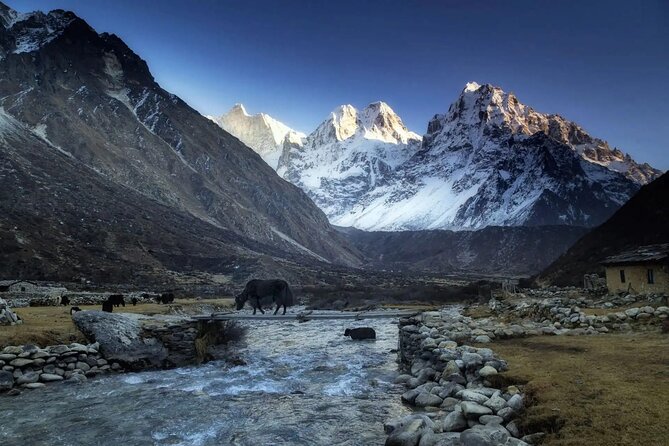
Book it if you want a well-run, remote circuit that hits the real milestones: Pangpema North Base Camp, the South Base Camp, and the high pass routing toward Sele Le. I’d also lean toward this trek if you care about guide quality—people highlighted Narayan for route expertise and Dil for adjusting plans with wet conditions and individual health needs.
Skip it (or at least rethink timing and preparation) if your fitness or altitude comfort isn’t ready yet. The itinerary clearly expects you to handle serious altitude zones like Ghunsa (~3,475m), Kambachen (~4,050m), and Pangpema (~5,140m), plus the high pass area.
If you’re ready to commit to the pace, this circuit can feel like one long, purposeful climb—part village journey, part high-altitude mission, with enough structure to keep you moving safely.
FAQ
Where does this trek start and end?
The trek starts at Tribhuvan Airport in Kathmandu and ends back at Tribhuvan International Airport in Kathmandu, with a representative dropping you to the departure terminal.
How long is the 20 Days Private Kanchenjunga Circuit Trek?
It’s listed as approximately 20 days (about 20–25 days for the overall Kanchenjunga Circuit Trek experience).
What transportation is included at the beginning and end?
You fly from Kathmandu to Bhadrapur in the afternoon and then travel onward to Ilam by road. On the last day, you drive from Fikal to Bhadrapur (about 2 hours) and then fly back to Kathmandu.
Are permits included?
Yes. All required permits for the trek are included.
What about meals and accommodation during the trek?
Tea house accommodation is included for 19 days in the mountain. Breakfast is included for 20 days, and lunch and dinner are included for 19 days.
Are vegetarian or special diets available?
Vegetarian, vegan, and gluten-free food are available on request.
What’s not included during the trek?
All hot and cold drinks on the trek are not included.
Is this tour private, and are service animals allowed?
Yes, it’s a private tour/activity—only your group participates. Service animals are allowed.
Can I cancel and get a full refund?
Yes. You can cancel up to 24 hours in advance for a full refund. If you cancel less than 24 hours before the experience starts, the amount paid is not refunded.
More Trekking Out of Kathmandu
Private Days, Your Group Only
More Tour Reviews in Kathmandu
Just Reviewed in Kathmandu
- Mountain Bike Tour
★ 5.0 · 3 reviews - Annapurna Panaroma
★ 5.0 · 3 reviews - Mount Everest Scenic Flight 50 Minutes
★ 5.0 · 3 reviews - Kathmandu : Swambhunath & Durbar Square Guided Half Day Tour
★ 3.3 · 3 reviews - Chandragiri Cable Car & Monkey Temple Tour – Private/Group
★ 5.0 · 3 reviews - Kathmandu: Shivapuri National Park Hiking Day Trip
★ 3.3 · 3 reviews
Upper Mustang & Remote Treks, compared.
 ★ 5.0Upper Mustang Classic Trek with Local guideFrom $2,50015 reviews
 ★ 5.0Nar Phu Valley Trek – 12 DaysFrom $1,60011 reviews
 ★ 5.0Jeep Trip to Upper MustangFrom $2,20010 reviews
 ★ 5.0Lower Mustang Motorbike Tour -8 DaysFrom $1,5009 reviews
 ★ 5.0Kanchenjunga Circuit Trek 19 DaysFrom $2,0009 reviews
Upper Mustang TrekFrom $1,4766 reviews
★ 5.0Kanchenjunga Circuit Trek 19 DaysFrom $2,0009 reviews
Upper Mustang TrekFrom $1,4766 reviews
 ★ 5.0Kanchenjunga South Base Camp Trek – 13 DaysFrom $2,0956 reviews
 ★ 5.0Upper Mustang TrekFrom $2,2055 reviews
Browse the lists this tour appears in