
Review · LANGTANG VALLEY TREKS
From Kathmandu: 5-Day Gosaikunda Lake Trek
A sacred lake at 4,380m in five days. This trek packs Gosaikunda Lake and real Langtang National Park hiking into a tight loop—plus you get a guide who keeps things moving, like Ohm or Terence, with safety and useful Nepal context along the way.
What I like most is the combination of serious scenery and practical leadership, and the way guides such as Raj can make the day feel planned without killing the fun.
One thing to consider first: you’ll climb and operate at high altitude (up to 4,380m), so you need to take the pace seriously even on a “short” trek.
In This Review
- Key highlights worth planning around
- Gosaikunda Lake Trek Basics: short, scenic, and at altitude
- The Kathmandu to Dhunche to Dhunche loop (why it works)
- Day-by-day trail notes: Deurali, Laurebina, Gosaikunda, back down
- Day 1: Drive to Dhunche, then hike to Deurali (2790m)
- Day 2: Steep climb via Chandanbari to Laurebina (3910m)
- Day 3: Round-trip to Gosaikunda (max 4380m) + nearby kunda lakes
- Day 4: Descend from the high country through rhododendron, pine, bamboo
- Day 5: Return drive to Kathmandu (1350m)
- Langtang National Park moments: forests, wildlife hints, and real mountain variety
- Guides, group size, and the gear that actually keeps you comfortable
- Price and value: what $179 usually covers (and what you still need to budget)
- When to go: clear skies make the Langtang views pop
- What to bring (and what you should handle early)
- Who this trek suits best (and who should skip it)
- Should you book the 5-Day Gosaikunda Lake Trek?
- FAQ
- What is the highest altitude on the trek?
- How many days is the trek, and how is it structured?
- Does the tour include trekking permits and a TIMS card?
- Are meals included?
- What trekking gear is provided or can I borrow?
- What languages is the guide available in?
- What group size should I expect?
Key highlights worth planning around
- Gosaikunda Lake at 4,380m: the payoff is the sacred glacial lake and the smaller nearby kunda lakes.
- Langtang National Park time: you hike through forests and alpine terrain where wildlife and plants matter.
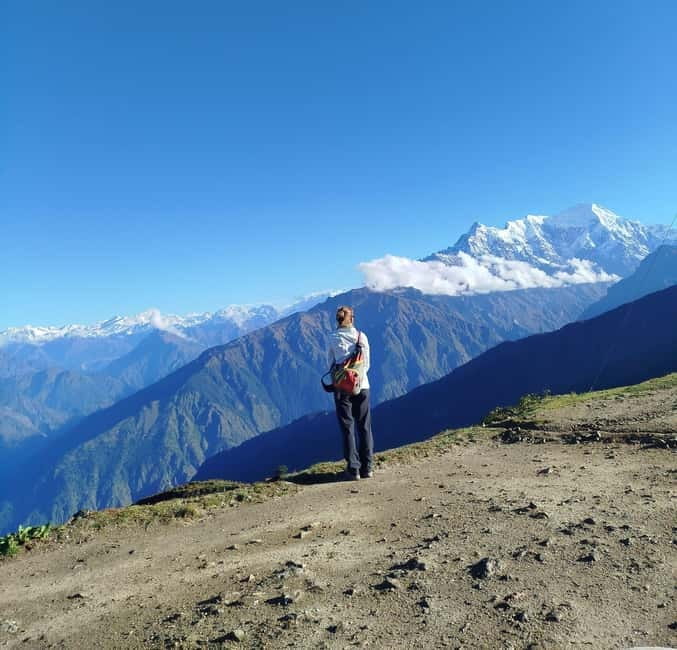
- Central Himalaya views: expect strong looks at the Langtang range on clear days.
- Small group format (up to 14): easier logistics, less crowding on trail.
- Loaner gear saves cold nights: a down jacket, sleeping bag, and trekking poles are included.
- Comfort details: guest-house stays can include private rooms in practice, which helps when it’s chilly.
More trails out of Kathmandu, boots ready
- Everest Base Camp Trek – 14 Days★ 5.0 · 1,499 reviews
- Everest Base Camp Trek★ 5.0 · 842 reviews
- Everest Base Camp Trekking★ 5.0 · 485 reviews
- Nagarkot Sunrise View and Day Hiking from Kathmandu★ 5.0 · 471 reviews
Gosaikunda Lake Trek Basics: short, scenic, and at altitude
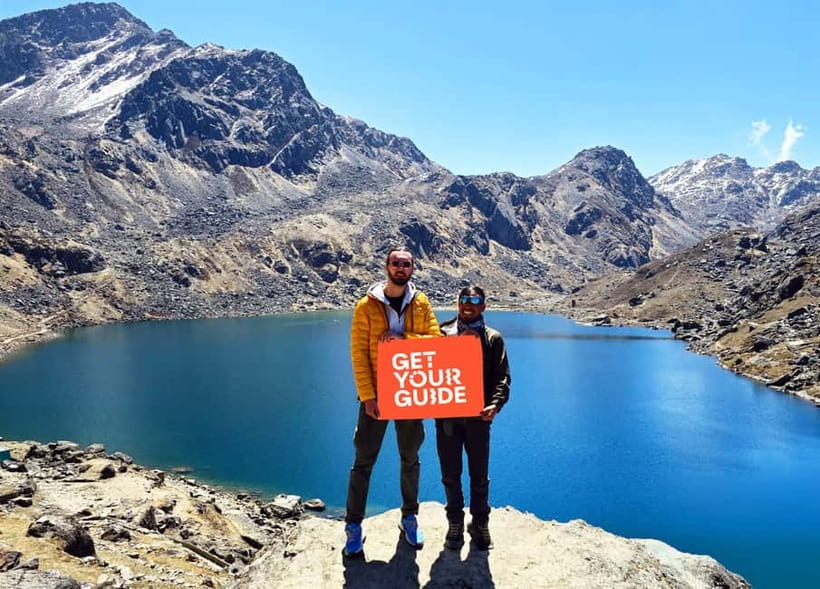
This is a 5-day guided trek from Kathmandu designed for travelers who want mountain views without a week-plus commitment. You’ll start with a long drive to Dhunche, then steadily hike upward into the Langtang region, reaching the sacred lake of Gosaikunda (4380m).
The real appeal is the mix of sacred place and high-country trekking. Gosaikunda is glacial and alpine, and it’s tied to local spiritual life. At the same time, it’s not a walk in the park. The days include steep sections, cold air, and enough elevation to make you feel it.
If you’re the type who likes hikes where you can learn something new while you move—especially about Nepal, seasons, and what you’re seeing—this format fits well. And with a licensed trek guide, you’re not just handed a route and left to guess.
The Kathmandu to Dhunche to Dhunche loop (why it works)
The structure here is simple: bus in, hike up, hike around, then bus out. That’s a big value for a short trek, because you’re spending more time on the mountain than managing complex travel legs.
- You’re picked up in Kathmandu and transferred to a bus point. The drive to Dhunche is about 5–6 hours.
- You trek in stages through guest houses, so you’re not carrying a full pack every day (and you’re not sleeping rough).
- On the last day, you return by scenic drive back toward Kathmandu and get transferred to your hotel.
This loop also matters for your energy. You’re not doing marathon distance each day, but you still get the altitude experience. That’s the trade-off: manageable days, still serious height.
Day-by-day trail notes: Deurali, Laurebina, Gosaikunda, back down
I’m going to walk you through what each day feels like and what you should watch for.
Day 1: Drive to Dhunche, then hike to Deurali (2790m)
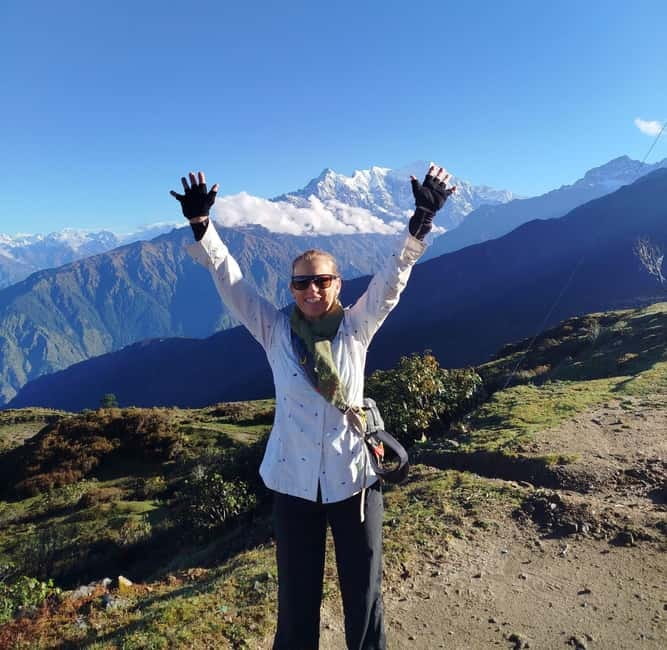
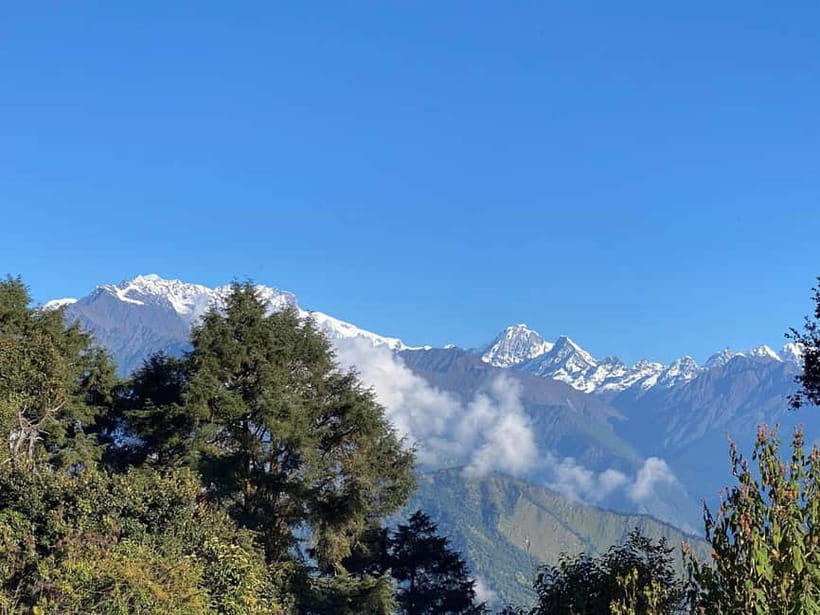
Your trip starts with pickup from your hotel, then a scenic drive toward Dhunche. On a clear day, the road views can be impressive: rolling green hills, terraced fields, and snow-capped peaks in the distance, including Manaslu, Ganesh, and the Langtang area.
Once you reach Dhunche, you begin walking toward Deurali (2790m). The trek portion is about 2 hours, ending at a mountain guest house for the night. This is a “warm start” day. You’ll still feel the altitude, but it’s not the big climb of the week.
Practical tip: keep your pace controlled today. If you sprint at the start, you’ll pay later on the steep parts.
Before you lock this one in, a few Kathmandu alternatives:
Day 2: Steep climb via Chandanbari to Laurebina (3910m)
After breakfast and a guide briefing, you hike toward Laurebina (3910m) via Chandanbari. This day is marked by an ascend on a steep path. The climb is the point of the day, so expect it to take concentration and steady breathing.
You sleep at a guest house in Laurebina. This is where you’ll start to notice night air getting colder—one reason the included sleep setup matters (more on that later).
What to look for: changes in plant life as you go higher, and the way the air gets thinner. If the skies are clear, you’ll often start earning those stronger Himalayan views.
Day 3: Round-trip to Gosaikunda (max 4380m) + nearby kunda lakes
This is the highlight day. You’ll set out from Laurebina toward Gosaikunda, reaching the maximum altitude of 4380m.
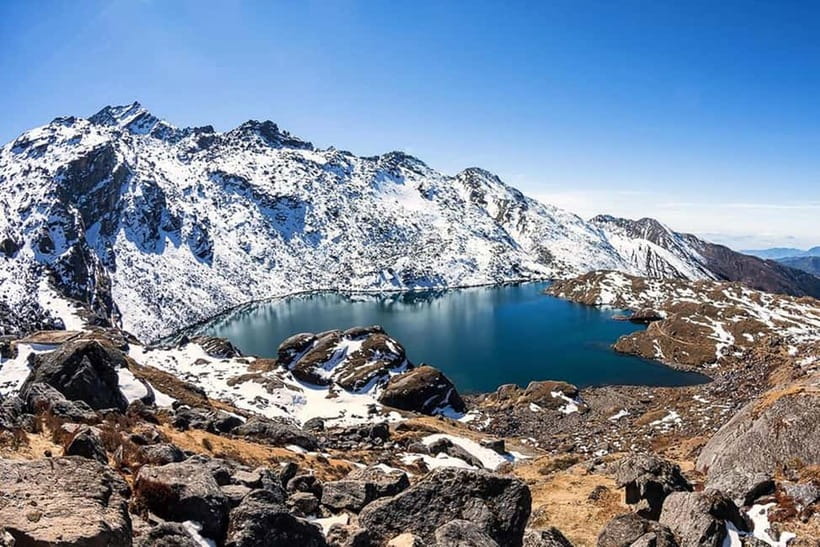
A key detail: Gosaikunda is described as an alpine freshwater glacial lake, and it melts to feed the Trishuli River. During winter it stays frozen, so you’re visiting a place that shifts with the seasons in a very real way.
You also explore other lakes in the area, including Bhairav Kunda, Chandra Kunda, and Saraswati Kunda. And you get majestic views of the Langtang range in the background when the weather cooperates.
In the afternoon, you hike back down to Laurebina for the night. That means this day is both the emotional peak and a “manage your energy” test.
Practical tip: pack your headlamp habits and cold-weather focus. Even when you feel okay at mid-day, the lake zone and the return can bring sharper cold.
Day 4: Descend from the high country through rhododendron, pine, bamboo
Day four is a gradual descent—still trekking, but now you’re working with gravity instead of fighting it. The route takes you through rhododendrons, pine, and bamboo forests, which is a nice change of texture compared to the higher, more exposed sections.
You pass back toward Deurali, then cross a river and continue descending to Dhunche for your final guest-house night. This is a day for steady feet. Watch your footing after long stretches, especially where trails can be uneven.
What you’ll feel: relief, but also fatigue. By now you’ve been hiking at altitude for days, so don’t treat the descent like a free walk.
Day 5: Return drive to Kathmandu (1350m)
You start with breakfast, then the drive back toward Kathmandu begins. It’s a scenic route, and it brings you from the mountain zone down to about 1350m by the time you’re near the city.
When you arrive, you’re transferred to your hotel. After five days of hiking, it can feel oddly quiet. This is the day to take it slow, eat something easy, and let your legs fully reset.
Langtang National Park moments: forests, wildlife hints, and real mountain variety
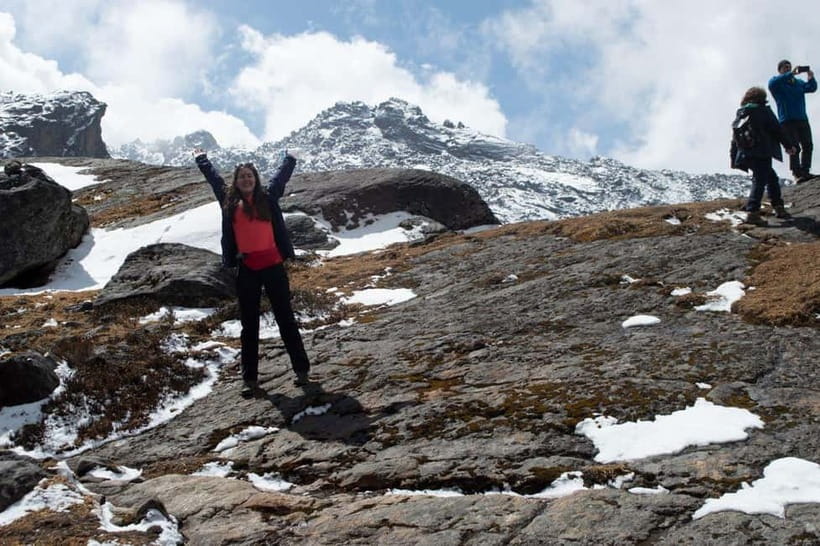
The trek doesn’t live in one kind of scenery. You get forest hiking on the way down, and higher alpine sections as you climb. That variety is part of why this feels like more than a checklist trek.
Within Langtang National Park, the focus is on natural beauty and the flora and fauna you might spot along the way. The data you’ve got doesn’t promise specific animals, but it does promise that the park environment is part of the point, from forest paths to the higher alpine zone near the lakes.
And even if your wildlife luck is modest, the plant changes are real. One day you’ll be watching how the trail threads through forest growth. Another day you’ll be walking in high-country terrain where the air feels thinner and views become the main event.
Guides, group size, and the gear that actually keeps you comfortable
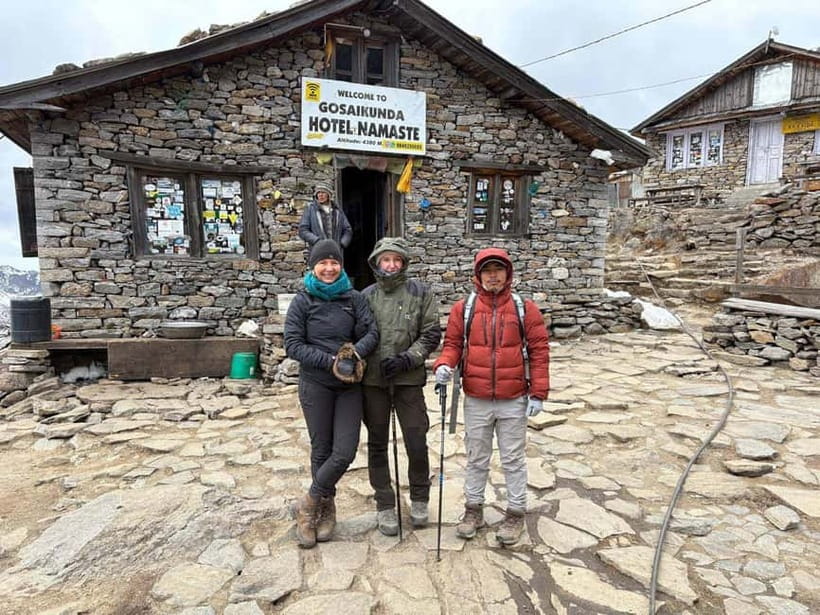
This trek is run as a small group limited to 14 participants, which helps with spacing on the trail and keeps the experience feeling more personal than big-bus trekking.
You get a live guide speaking English, Hindi, and Icelandic, depending on what language your group needs. Based on prior experiences, guides tend to do more than point and pace. Some guides (like Ohm, Terence, and Raj in past groups) were praised for staying engaged, sharing regional facts, and focusing on safety.
One of the best practical inclusions is the gear loan. You can borrow:
- Down jacket
- Sleeping bag
- Trekking poles
This matters because cold nights at altitude can drain you faster than you expect. If you’ve ever shown up for mountain travel with the wrong jacket, you already understand the stress. Here, the included cold-weather essentials reduce that risk.
Also included: water purification tablets, plus first aid if needed. That’s not glamorous, but it’s the kind of support that makes the days feel smoother.
Comfort note: in at least one verified booking, the trekkers mentioned having private rooms at the guest houses the whole time. That’s not something you can blindly assume, but it’s a strong sign of the setup being aimed at comfort.
Price and value: what $179 usually covers (and what you still need to budget)
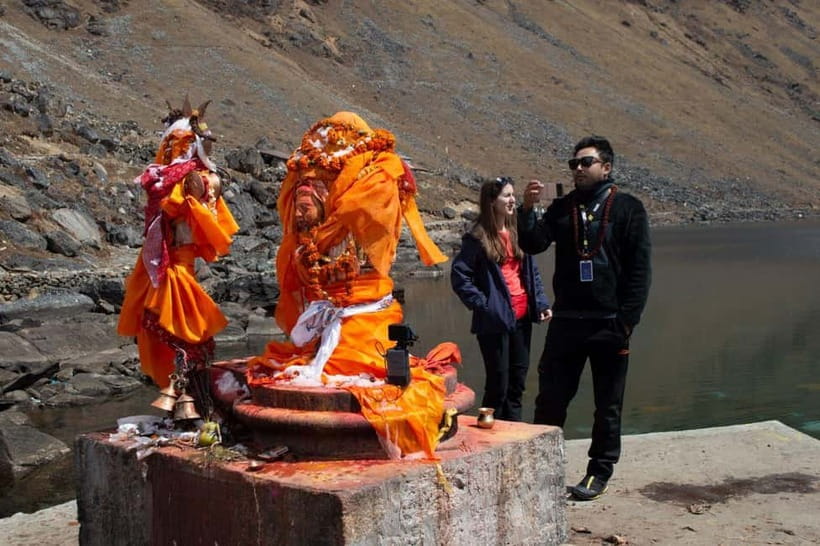
At $179 per person for a 5-day guided trek, you’re paying for the stuff that’s hard to DIY quickly: transport, permits, guide, and high-country essentials.
What’s included covers the major cost drivers:
- Hotel pickup and drop
- Transportation by bus (KTM–Dhunche–KTM)
- Licensed trek guide
- Permits and TIMS card
- 4-night accommodation at mountain guest houses
- Full-board meals option (4 breakfasts, 5 lunches, 4 dinners) under the inclusive option
- Gear loans (down jacket, sleeping bag, trekking poles)
- Water purification tablets
- Basic first aid
- A company T-shirt
- Government taxes and service charges
That’s why the value can be good: you’re not paying extra for permits, guide time, or the core “cold and moving” equipment.
What you still need to plan for:
- personal expenses
- meals if you choose the budget option instead of full board
- travel insurance (recommended)
- optional porter (add-on)
Smart budgeting move: choose full board if you don’t want to think about meal decisions after a long hike. Your energy is better spent resting and recovering.
When to go: clear skies make the Langtang views pop
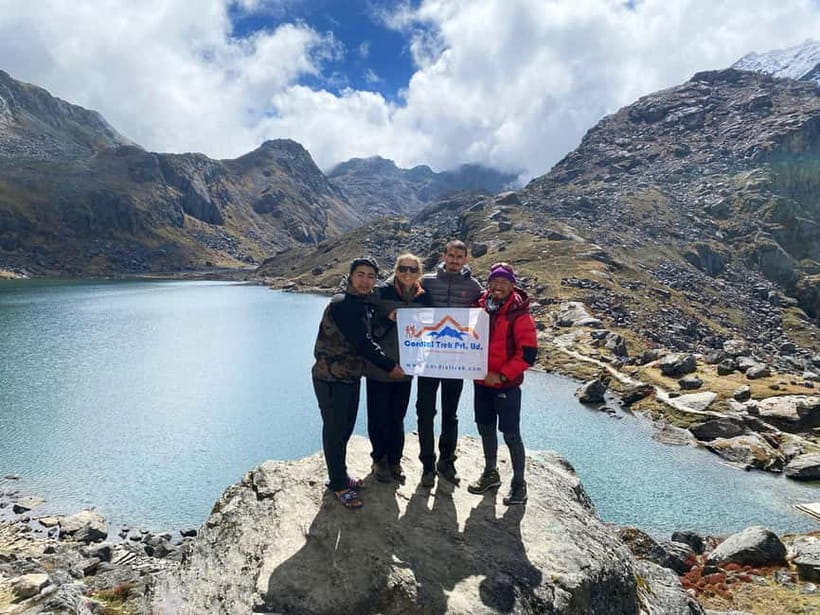
The trek runs throughout the year, but the experience is best when skies are predominantly clear and you can see the central Himalayas. Since the “wow” factor includes Langtang range views, weather matters.
If you’re booking for peak visibility, aim for timing that gives you the best chance at clear weather (and accept that conditions can change even then). Cloud and mist can reduce view quality, but the hike through forests and to high alpine lakes still has meaning even when the horizon is muted.
What to bring (and what you should handle early)
This is one of those treks where packing smart saves hassle.
Bring:
- Passport
- Camera
- Cash
Also, once you book, you’ll be asked for:
- a copy of your passport
- a recent passport-sized photograph
- ideally at least one day in advance
Why this matters: these documents are needed to process your trekking permits and issue them in time.
You’ll also be living within some simple rules:
- Alcohol and drugs aren’t allowed
- Bare feet aren’t allowed
- baby carriages aren’t allowed
Who this trek suits best (and who should skip it)
This is best for people who want a short trek with a strong payoff and who are comfortable hiking at altitude.
It’s not suitable for:
- children under 10
- people with mobility impairments
- people over 309 lbs / 140 kg
If you’re fit enough to handle steep segments (especially day two and the route to the lake), you’ll likely love the rhythm: climb, explore, return, then ease down through forests.
If you’re traveling with limited flexibility for altitude effects, I’d treat the 4,380m high point as a serious factor, not a casual “optional challenge.”
Should you book the 5-Day Gosaikunda Lake Trek?
If your goal is a guided, short, high-reward mountain trek from Kathmandu—with Gosaikunda Lake, nearby kunda lakes, and strong Langtang views when the weather clears—this is a solid choice. The included permits, bus transport, guide, and cold-weather gear loans reduce the usual trip headaches. And the small group size keeps the trail experience more relaxed than big tours.
I’d only think twice if:
- altitude makes you nervous
- you need a more accessible route
- you don’t want a steep day in the middle of the trek
If those aren’t issues for you, I’d say book it and focus on pace, warm layers, and enjoying the long climb to a lake that feels meaningful in every sense of the word.
FAQ
What is the highest altitude on the trek?
The trek’s maximum altitude is 4,380m at Gosaikunda Lake.
How many days is the trek, and how is it structured?
It’s a 5-day trip: drive from Kathmandu to Dhunche, hike over three main trekking days (including the hike to Gosaikunda), then hike down and drive back to Kathmandu.
Does the tour include trekking permits and a TIMS card?
Yes. The tour includes the necessary trek permits and a TIMS card.
Are meals included?
There is a full board meals inclusive option with 4 breakfasts, 5 lunches, and 4 dinners. Meals are not included for the budget option.
What trekking gear is provided or can I borrow?
You can borrow a down jacket, sleeping bag, and trekking poles.
What languages is the guide available in?
The live tour guide is available in English, Hindi, and Icelandic.
What group size should I expect?
The group is limited to up to 14 participants.
More 5-Day Experiences in Kathmandu
More Trekking Out of Kathmandu






More Tour Reviews in Kathmandu




Just Reviewed in Kathmandu
- Mountain Bike Tour
★ 5.0 · 3 reviews - Annapurna Panaroma
★ 5.0 · 3 reviews - Mount Everest Scenic Flight 50 Minutes
★ 5.0 · 3 reviews - Kathmandu : Swambhunath & Durbar Square Guided Half Day Tour
★ 3.3 · 3 reviews - Chandragiri Cable Car & Monkey Temple Tour – Private/Group
★ 5.0 · 3 reviews - Kathmandu: Shivapuri National Park Hiking Day Trip
★ 3.3 · 3 reviews
Langtang Valley Treks, compared.
 ★ 5.0Langtang Valley TrekFrom $555140 reviews
★ 5.0Langtang Valley TrekFrom $83061 reviews
Langtang Valley TrekFrom $70050 reviews
 ★ 5.08 Days Tour in Langtang Valley TrekFrom $69845 reviews
 ★ 5.0Private 8 – Day Langtang TrekkingFrom $58429 reviews
★ 5.0Langtang Valley TrekFrom $1,00023 reviews
 ★ 5.06-Day Limitless Langtang TrekFrom $18121 reviews
★ 5.0Langtang Valley TrekFrom $56020 reviews
Browse the lists this tour appears in