
Review · ANNAPURNA CIRCUIT TREKS
Private Annapurna Circuit Trek
Thorong La Pass demands a real breath. This private Annapurna Circuit trek pairs private guiding with dramatic Thorong La Pass scenery, and it runs in a way that keeps logistics from stealing your energy. With guides like Shishir and Ghanshyam in the mix, you get a calmer pace, better explanations, and help adjusting when your body needs it.
The only real catch is the altitude on the pass day. 5,416m is high enough that you must take it seriously, even though the crossing doesn’t require technical climbing skills. If you show up with only average fitness or you refuse to slow down, the trek will feel harder than it needs to.
In This Review
- Key points
- Thorong La Pass is the big reason this circuit feels different
- Price and what you really get for $1,150
- Private guidance: why Shishir and Ghanshyam-style leadership matters
- Day 1 Kathmandu: hotel comfort plus trip briefing
- Day 2 Besisahar: a scenic rural start and a night at a real base
- Day 3 Chame: forests, villages, and permit registration with a buffer
- Day 4 Chame to Pisang: prayer flags and a steady hike
- Day 5 Pisang to Manang: Braga monastery and the start of acclimatization power
- Day 6 Manang: two nights for your breathing, not just photos
- Day 7 Yak Kharka: around 4,000m and suspension bridge time
- Day 8 Thorong Phedi: 4,600m and the run-up to the pass
- Day 9 Thorong La Pass to Muktinath: 5,416m plus sacred descent
- Day 10 Jomsom and Day 11 on to Pokhara: Kali Gandaki corridor energy
- Gear and planning: what you should handle before you go
- Who this Private Annapurna Circuit Trek is best for
- Should you book this Private Annapurna Circuit Trek?
- FAQ
- Is this Annapurna Circuit trek really private?
- What is the highest point on this trek?
- How many days is the trek?
- What’s included in the $1,150 price?
- Do I need travel or rescue insurance?
- What happens if I cancel?
Key points
- Private group only means your guide can steer pace, questions, and rest stops
- Thorong La Pass (5,416m) is the big test, with big views after the climb
- Manang gets two nights so acclimatization isn’t rushed
- Meals, lodging, permits, and key gear (poles and crampons) are included in the price
- One-hour foot massage after the trek is a smart recovery bonus
Just your group, at your own pace
- Private Kathmandu Sightseeing Tour | UNESCO World Heritage sites★ 5.0 · 756 reviews
- Kathmandu: Full Day 7 UNESCO Tour with Lunch – Private/Group★ 5.0 · 415 reviews
- Private Bhaktapur and Nagarkot Day Tour From Kathmandu★ 5.0 · 305 reviews
- Kathmandu: Full Day Top 4 UNESCO Tour with Lunch – Private/Group★ 5.0 · 269 reviews
Thorong La Pass is the big reason this circuit feels different
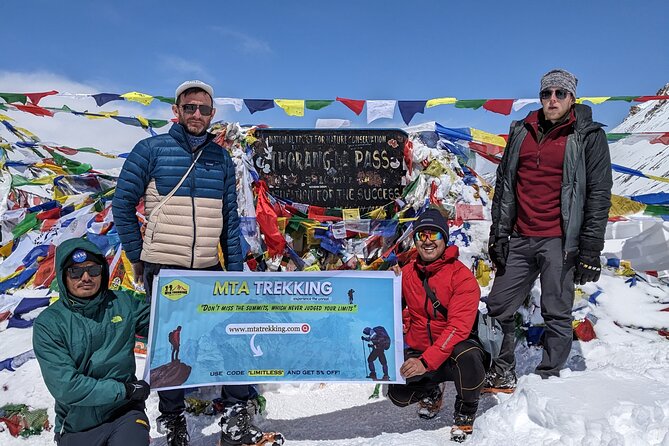
The Annapurna Circuit has a reputation for tough days, but Thorong La Pass is what makes people remember the trek. It’s the highest point on this route and one of the highest passes you can cross without technical climbing. Translation: you still need stamina and good altitude habits, but you’re not solving rock-climbing problems.
I like this trek’s focus on getting you to that pass with a steady build-up. You don’t jump straight from low altitude into peak altitude. Instead, the days step you upward through villages like Yak Kharka and Thorong Phedi, then you take on the pass at 5,416m. That matters because going slow is not a suggestion here; it’s how you make the pass day manageable and protect your appetite, sleep, and overall mood.
Price and what you really get for $1,150
At $1,150 per person, you’re paying for a fully guided, meal-supported trek with permits handled and core gear covered. That’s the value piece. A lot of treks look cheap until you add up permits, guide time, meals, and the nights of lodging in between.
What’s included here that actually moves the needle:
- Experienced guide plus the private setup
- ACAP permit and TIMS, and all fees and taxes handled
- Meals during the trek (breakfast, lunch, dinner)
- One night in a hotel before you start hiking and one night after
- One night in Pokhara after the trek
- Trekking poles and crampons
- One-hour foot massage after the trek
What’s not included (so you don’t get surprised later): travel/rescue insurance, tips, bottled or boiled water, showers, laundry, and some personal extras. You’ll also want to plan around the fact that a porter is not included. If you’re traveling light, that may be fine. If you’re carrying a full pack, you’ll feel it in every uphill.
Private guidance: why Shishir and Ghanshyam-style leadership matters
This is a private tour/activity, so it’s only your group. That one detail changes how you experience a high-altitude trek. You’re not stuck with a pace set by the slowest person or rushed by the fastest.
It also affects how altitude problems get handled. Guides like Shishir bring a positive, steady energy, including the kind of upbeat moments that help when you’re tired. Ghanshyam’s approach (adapting to needs and looking after you throughout) is the kind of practical care that turns a trek from exhausting to doable.
Good organization is another plus. The trek is designed so you’re not constantly asking where to go next. Logistics like permits get registered along the way, and the route timing builds in rest for acclimatization. That’s especially important on a circuit where one wrong assumption about pacing can ruin your pass-day rhythm.
Day 1 Kathmandu: hotel comfort plus trip briefing
Day 1 is Kathmandu, with a representative meeting you and arranging your transfer to your included hotel. You get a short briefing after you settle in, and then you sleep. The practical value here is simple: you land, you get oriented, and you start your trek with fewer unknowns.
The hotel is described as a Deluxe budget hotel in your package. That usually means you can shower, eat easily, and focus on the next day’s start. Kathmandu is also where you set your expectations. Don’t overdo plans on arrival day. Save energy for the long stretch ahead.
More trails out of Kathmandu, boots ready


Day 2 Besisahar: a scenic rural start and a night at a real base
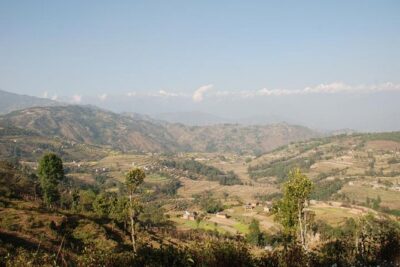
You’ll travel to Besisahar by public transportation, around 4–5 hours. This day is less about hiking and more about absorbing the region and transitioning from city time to trail time.
Besisahar itself is your launch pad. You check into a hotel, then you have afternoon and evening at leisure. Use the time smartly:
- eat something that sits well in your stomach
- hydrate
- keep an eye on how you feel moving around
It’s a good day to do nothing fancy, because later days ask for steady walking hours.
Day 3 Chame: forests, villages, and permit registration with a buffer
From Besisahar, you drive about 2–3 hours to Chame. The route passes Gurung and Magar villages, pine and rhododendron forests, and a roadside waterfall. You stop at Dharapani to register trekking permits before continuing to Chame.
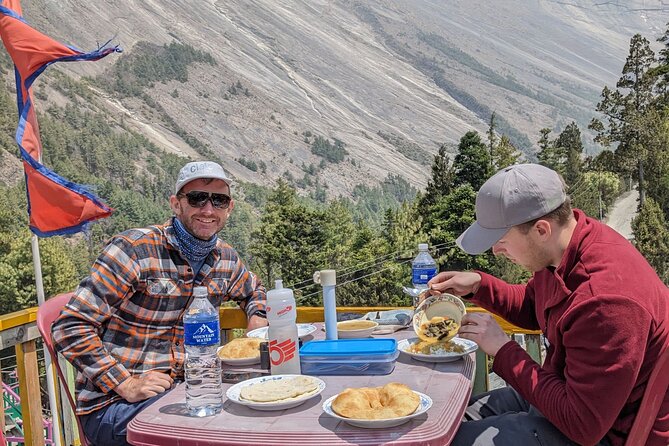
Once you arrive, you check into a trekking lodge for the night and enjoy a home-cooked meal. This day is a classic rhythm setter: travel in the morning, check-in later, then easy evening recovery.
A small drawback to consider: lodge comfort can vary, and Chame is not a luxury rest stop. If you’re sensitive to simple rooms or basic showers, bring a flexible attitude and focus on sleep.
Day 4 Chame to Pisang: prayer flags and a steady hike
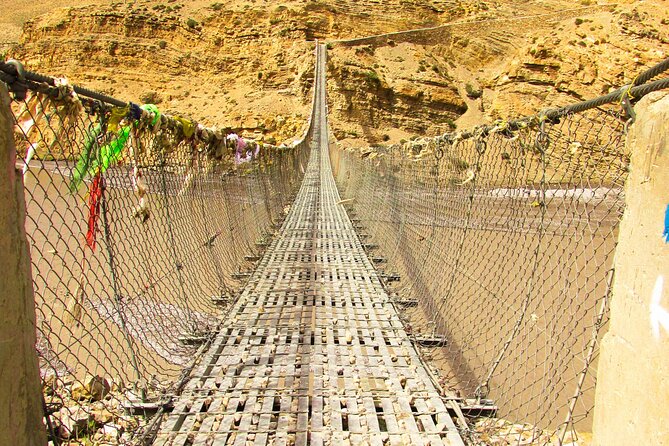
Day 4 takes you from Chame to Pisang for about 4–5 hours. It’s a walk through apple orchards, rhododendron and conifer forests, and it includes suspension bridges covered with colorful prayer flags.
You also get views of Paungda Danda, a flat-topped mountain that doesn’t get as much attention as some bigger peaks. That’s the kind of detail I like on treks: the route gives you highlights without only chasing the most famous names.
You arrive in Pisang in the afternoon. That means you can slow down, eat, and get your bearings at altitude before the bigger climb toward Manang. If you feel unusually tired, treat that as a signal, not a surprise.
Day 5 Pisang to Manang: Braga monastery and the start of acclimatization power
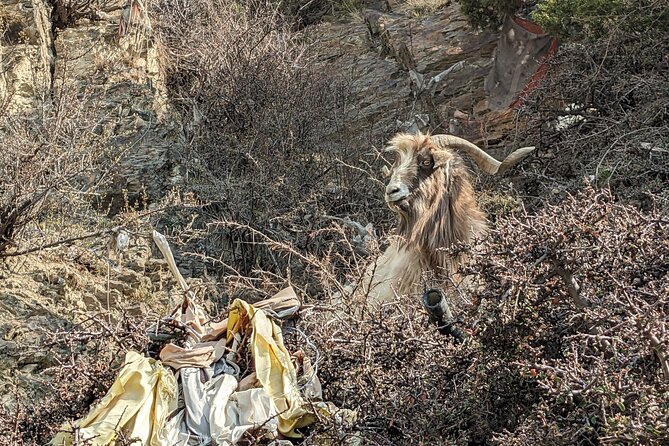
The hike from Pisang to Manang takes about 5–6 hours and carries you through evergreen forests and villages including Humde and Braga. You’ll pass a 900-year-old Braga monastery, which adds cultural weight to the day beyond just scenery.
The views you’re chasing include Gangapurna, Pisang Peak, and the Annapurnas. You may also see alpine lakes along the way. You’ll reach Manang in the afternoon and stay at a trekking lodge.
This is where the trek starts working like a serious acclimatization plan. Manang is one of the larger communities in the Annapurnas, and you get two nights there. Those extra hours are valuable because they give your body time to adjust before the pass day.
Day 6 Manang: two nights for your breathing, not just photos
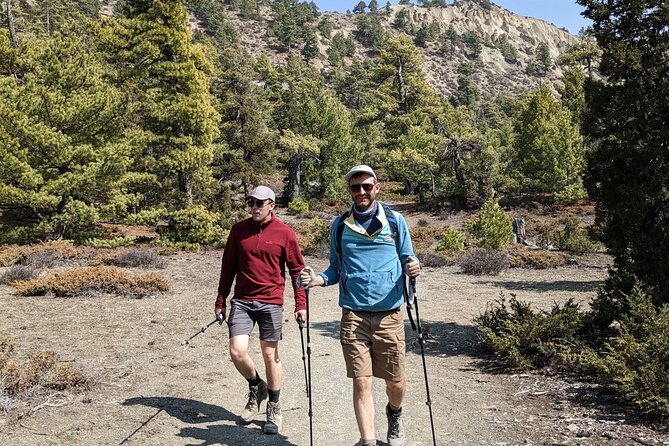
Day 6 is a rest and adjustment day in Manang. You’ll be able to rest, restock supplies, and eat at town restaurants. There’s also a planned option for a day hike to help acclimatize, like Gangapurna Lake or Kicho Tal.
The best part of having a full day in Manang is control. If you feel good, you can do a short hike. If you feel off, you can keep it light and focus on hydration and sleep. On altitude trips, that choice beats pushing because someone else in the group is moving.
You return to your lodge in the afternoon. Think of Manang as your altitude rehearsal dinner: you’re practicing how you’ll feel when you’re tired, how you’ll pace, and how you’ll manage your effort.
Day 7 Yak Kharka: around 4,000m and suspension bridge time
You hike from Manang to Yak Kharka for about 4 hours. The day crosses several suspension bridges, and you’ll be around 4,000 meters.
This is where you learn the altitude rule: slow steps win. The route itself is not described as technical, but going too fast at 4,000m can make you feel sick or breathless before you even reach your lodge.
Yak Kharka is small, and it includes a bakery and teahouse accommodations. That matters because you’ll likely want a warm, reliable meal and something familiar to settle your stomach.
Day 8 Thorong Phedi: 4,600m and the run-up to the pass
Day 8 goes from Yak Kharka to Thorong Phedi, about 4–5 hours. You cross another gravity-defying suspension bridge (always a morale boost when you’re paying attention to footing).
You’ll be around 4,600 meters. That’s a serious elevation for a “not yet the pass” day. The value of this stage is that it sets up a realistic pass strategy: you get higher, but you also get to sleep before the summit push.
Thorong Phedi is a small village with great views including Gangapurna, Tilicho Peak, and the Annapurnas. It’s the kind of place where the mountains feel close enough to blame, but you still keep your job simple: rest, hydrate, and prepare for a long day ahead.
Day 9 Thorong La Pass to Muktinath: 5,416m plus sacred descent
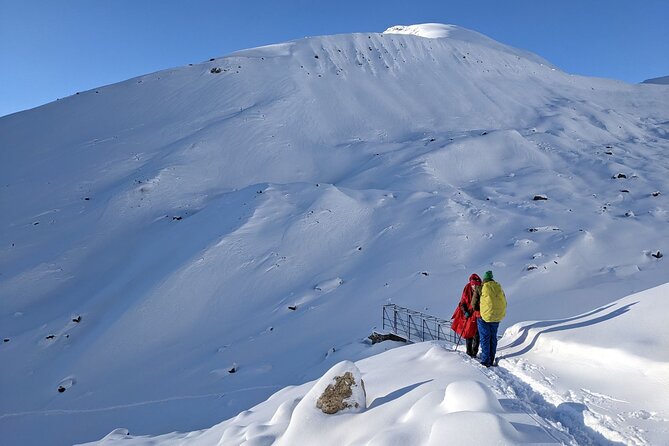
This is the day you came for. You hike up to Thorong La Pass, at 5,416 meters. The trek is described as long and strenuous, around 8 hours, but it’s still non-technical in the sense of not requiring climbing skills.
From the pass, you get standout views of Dhaulagiri and Manaslu. After that, you descend to Muktinath, a sacred town to both Hindus and Buddhists.
I like how the itinerary balances the physical and mental sides of a big day. Reaching the pass is the dramatic part, but getting to Muktinath gives you a calmer rhythm after the hard climb. If you’re thinking about how your body will feel at the end of Day 9, plan for that shift: you’ll likely feel more normal once you’re descending, but don’t rush your recovery.
Day 10 Jomsom and Day 11 on to Pokhara: Kali Gandaki corridor energy
Day 10 is a trek to Jomsom, about 5 hours. Day 11 continues toward Pokhara with about 7 hours of travel/trekking time, depending on how the day flows.
The route description for Pokhara is the big scenery highlight: you pass through the Kali Gandaki Gorge, traditional villages, and terraced fields, with views across the Annapurna and Dhaulagiri ranges.
These last days are valuable because they finish the circuit arc. You started in greener valleys and forests, moved through higher villages, crossed into the pass zone, then return to a different kind of open terrain. That contrast is a big reason people stick with the circuit even when the middle days feel slow.
Gear and planning: what you should handle before you go
This package includes trekking poles and crampons, which is a meaningful safety and comfort boost. Still, you’ll want to plan your own basics carefully:
- bring layers you can adjust as temperature changes
- wear footwear you trust for long downhill hours
- plan for cold and wind near the pass window
Also plan for items that are not included:
- travel and rescue insurance
- tips for guides and porters
- bottled or boiled water and showers
- laundry, bar bills, and extra personal costs
- porters aren’t included, so think about what you’ll carry
One practical tip: since bottled or boiled water is not included, decide how you’ll handle hydration safely and realistically. On altitude treks, dehydration can sneak up on you, and you don’t want your energy plan to depend on guesswork.
Who this Private Annapurna Circuit Trek is best for
You should consider this trek if you have moderate physical fitness and you want a guided experience that helps you manage altitude without technical climbing skills.
It’s a strong match if you like:
- structured acclimatization (those two nights in Manang are key)
- private flexibility (your pace, your rest needs)
- clear logistics (meals, permits, hotels, and gear are handled)
- cultural stops that are more than a quick photo (like the Braga monastery and Muktinath)
If you’re dealing with health issues, have a history of altitude trouble, or you’re not confident about pacing on long hiking days, you should talk with a medical professional before committing. The itinerary includes a long pass day and high elevation even after you feel tired.
Should you book this Private Annapurna Circuit Trek?
If your dream is the classic Annapurna Circuit with the real headline of Thorong La Pass, and you want a private setup where the guide can respond to your needs, this is a smart choice. The included meals, handled permits, and included gear reduce the mental load. Add in Manang acclimatization time and the foot massage after the trek, and the value looks solid.
I’d only hesitate if you know you struggle with high altitude or long hiking days, because the plan still asks you to commit on Day 9. If you can follow the pace and treat acclimatization as part of the trek (not a break from it), you’ll be in a good position to enjoy the big views and the cultural stops.
FAQ
Is this Annapurna Circuit trek really private?
Yes. It’s listed as a private tour/activity, meaning only your group participates.
What is the highest point on this trek?
The highest point is Thorong La Pass, at 5,416 meters.
How many days is the trek?
The duration is 11 days (approx.).
What’s included in the $1,150 price?
Included items are an experienced guide, trekking poles and crampons, ACAP permit and TIMS, all fees and taxes, meals (breakfast, lunch, dinner during the trek), hotel nights before and after the trek, one night in Pokhara after the trek, and a one-hour foot massage after the trek.
Do I need travel or rescue insurance?
No. Travel and rescue insurance is not included.
What happens if I cancel?
You can cancel up to 6 days in advance for a full refund. For a 50% refund, cancel 2–6 days before the experience starts. If you cancel less than 2 days before, you won’t receive a refund.
More Trekking Out of Kathmandu






Private Days, Your Group Only


More Tour Reviews in Kathmandu



Just Reviewed in Kathmandu
- Mountain Bike Tour
★ 5.0 · 3 reviews - Annapurna Panaroma
★ 5.0 · 3 reviews - Mount Everest Scenic Flight 50 Minutes
★ 5.0 · 3 reviews - Kathmandu : Swambhunath & Durbar Square Guided Half Day Tour
★ 3.3 · 3 reviews - Chandragiri Cable Car & Monkey Temple Tour – Private/Group
★ 5.0 · 3 reviews - Kathmandu: Shivapuri National Park Hiking Day Trip
★ 3.3 · 3 reviews
Annapurna Circuit Treks, compared.
 ★ 5.0Annapurna Circuit Trek with Tilicho LakeFrom $1,093368 reviews
 ★ 5.0Annapurna Circuit TrekFrom $1,17594 reviews
★ 5.0Annapurna Circuit TrekFrom $2,24067 reviews
★ 5.0Annapurna Circuit TrekFrom $1,07449 reviews
★ 5.0Annapurna Circuit TrekFrom $1,35046 reviews
★ 5.0Annapurna circuit TrekFrom $99835 reviews
★ 5.0Annapurna Circuit TrekFrom $1,15035 reviews
★ 5.0Annapurna Circuit TrekFrom $97534 reviews
Browse the lists this tour appears in