
Review · ANNAPURNA CIRCUIT TREKS
8 Days Private Guided Trekking in Annapurna Circuit with Pickup
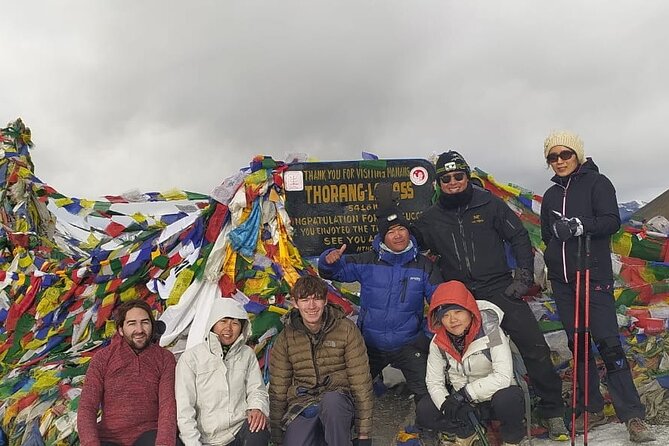
Thorong La is the big moment.
This 8-day private, guided trek on the Annapurna Circuit is interesting because it mixes logistics done for you with high-mountain walking and culture stops, all wrapped around permits and practical support. You’ll move from Kathmandu into the trekking zone by road and jeep, then climb through villages and acclimatization days before that early pass day.
What I like most is the way this trek is built around the human stuff: a private guide who can set your pace and help you manage the day-to-day decisions. I also like that key trekking basics can be included for you, like trekking poles and a sleeping bag (if you need one), plus permits such as the Annapurna Conservation Area and TIMS.
One consideration: the route hits real altitude, and the program depends on good weather. Also, tipping your guide and porters (not listed as included), plus travel insurance and extra meals, are on you—so the final cost isn’t only the headline price.
In This Review
- Key Highlights Worth Your Attention
- Annapurna Circuit Basics: What This 8-Day Private Trek Actually Delivers
- Kathmandu Pickup and the Road Stretch to Besisahar and Chame
- Day by Day: Dhikur Pokhari to Upper Pisang (and Why Upper Pisang Is a Good Move)
- Manang Rest Day and the Gangapurna Lake Option (Your Acclimatization Insurance)
- Yak Kharka via Letdar: Building Altitude Without Burning Yourself Out
- Thorong High Camp (4450m) and the Real Meaning of the Pass Prep
- Thorong La (5416m) to Muktinath and the Drive Toward Jomsom
- Jomsom to Pokhara by Jeep: Closing the Circuit with a Real Change of Pace
- Price and Inclusions: What $260 Buys You (and What You Still Need to Plan)
- Who This Annapurna Circuit Trek Fits Best (and Who Should Rethink)
- What the Best Guides Do Here (Humor, Pace, and Real Help When It Counts)
- Should You Book This Annapurna Circuit Trek with Pickup?
- FAQ
- What does the tour cost, and how long is it?
- Where does the trek start?
- What’s included in the price?
- What isn’t included?
- Is it private or group-based?
- Do I need a certain fitness level?
- What is the cancellation and weather policy?
Key Highlights Worth Your Attention
- Private guiding with insurance-covered support so you’re not trekking on guesswork.
- Permits included (Annapurna Conservation Area + TIMS), which saves hassle before you reach the trail.
- A deliberate acclimatization flow through Manang and the Gangapurna Lake option before you tackle the pass.
- Thorong La day is staged for survival, starting early from Thorong Phedi area and ending at Muktinath.
- Gear and medical basics included, including first aid medicine, and potentially poles/sleeping bag.
- Guides get praised for real help, including pacing adjustments and support during altitude sickness.
More days made easy with a local guide
- Kathmandu: Private City Guided Tour★ 4.9 · 174 reviews
- Full Day Guided Tour in Kathmandu★ 5.0 · 61 reviews
- Kathmandu Guided Tour★ 5.0 · 59 reviews
- 12 Day Everest Base Camp Guided Trek★ 5.0 · 40 reviews
Annapurna Circuit Basics: What This 8-Day Private Trek Actually Delivers
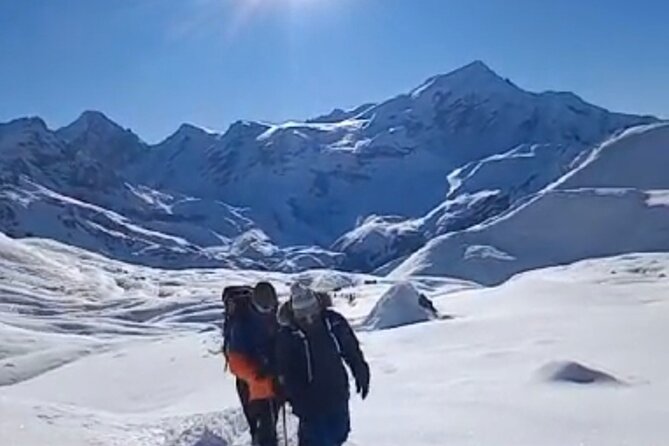
This is a private guided Annapurna Circuit experience, so you’re not sharing decision-making with strangers every day. It’s built around the classic rhythm of the circuit: road transfers to the trail, village-to-village trekking, a Manang acclimatization day, then the long pass day over Thorong La (5416m), and finally the ride from Jomsom back toward Pokhara.
A smart part of this package is that it tackles the paperwork and safety side. You get the Annapurna Conservation Area permit and TIMS card included, and the guide comes with insurance, salary, food, and accommodation covered—so the guide isn’t juggling their own survival while you focus on walking.
Price-wise, $260 per person for an 8-day private guided trek is not a luxury “independent traveler” deal. But compared with paying for permits, gear rentals, and coordinated transport piecemeal, it can feel fair—especially if you like having a plan you can trust rather than improvising every transfer.
Kathmandu Pickup and the Road Stretch to Besisahar and Chame
Your journey starts in Kathmandu, with pickup offered. From there, you drive to Besisahar, then continue by jeep toward Chame. The time on day one is around 6 hours, and that’s the kind of “get moving” day where you’ll want to treat comfort like a priority—snacks, water, and a layer you can keep dry.
Why this road setup matters: it shortens the time you spend figuring out local transport and helps you arrive in the trekking zone with enough energy to start day two on foot. It also keeps the trip organized around the circuit’s typical entry point and pacing.
A drawback of any route that starts with jeep time: you’ll feel it in your legs if you don’t stretch and hydrate right away. It’s not a reason to avoid the trek—just a reminder that day one is still work, even if you’re not climbing yet.
Day by Day: Dhikur Pokhari to Upper Pisang (and Why Upper Pisang Is a Good Move)
After day one’s drive/jeep leg, you move into the trekking portion with dense forests and big views ahead. You pass Dhikupokhaari village, then continue toward Lower Pisang before climbing to Upper Pisang, where you spend the night.
This section is a good “settle in” phase. You’re not jumping straight into the highest elevations, and the route gives you time to get comfortable with the daily rhythm—steady walking, rests, and short bursts of uphill.
The standout practical detail here is the time on the move: around 5 hours. That’s enough to feel like you did a real trek day, but it doesn’t bury you before you reach Manang, where the acclimatization strategy kicks in.
Potential consideration: forest trekking can mean fewer dramatic views at certain moments, even if the region is stunning overall. If you’re chasing big-photo panoramas every hour, you’ll need patience and good timing with breaks.
Manang Rest Day and the Gangapurna Lake Option (Your Acclimatization Insurance)
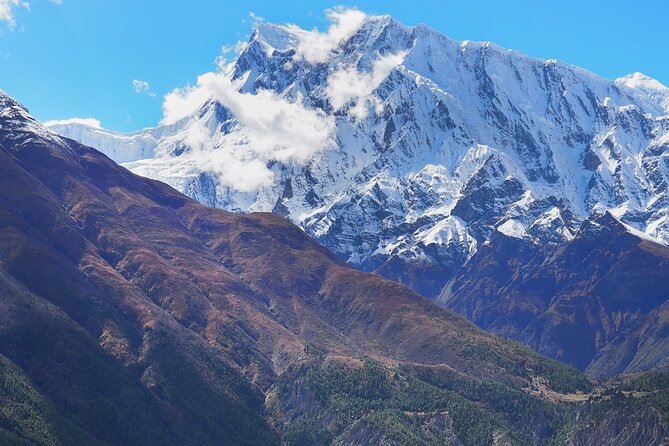
In Manang, you get a rest day to help your body adjust to altitude. You also have an optional hike to Gangapurna Lake, which gives you a taste of higher terrain without forcing a full pass-day effort.
Why this day matters: acclimatization is the part of the Annapurna Circuit that you can’t fake. When your body is adjusting, you’re better off using the extra day to learn what your breathing feels like and what pace your system can handle.
If you like flexible experiences, this option is useful. You can hike for views if you feel good, or stay conservative if you don’t. That’s one of the smartest ways to manage altitude without turning the trip into a guessing game.
In the guidance style praised by past trekkers, guides like Sobit and Sirjan were credited with helping adjust the trip in practical ways—food, accommodation, pacing—so you’re not forced to “tough it out” when your body is telling you something.
Just your group, at your own pace
Yak Kharka via Letdar: Building Altitude Without Burning Yourself Out
The next phase climbs toward Yak Kharka. You pass through Letdar and reach Yak Kharka for the night, with a trekking time around 5 hours.
This part of the circuit works because it transitions you from the Manang area into the high-alpine feel. You’re getting higher, but you still have a manageable day length, which matters for both breathing and sleep.
One thing I’d plan for here: you’ll likely notice changes in temperature and how your body reacts as elevation rises. This is where trekking poles (if included) can become more than comfort—they help you control descents and reduce strain.
Also, since first aid medicine is included, it’s smart to ask your guide how they handle common altitude issues and when to speak up immediately. In feedback, Sirgan was singled out for being very helpful when someone experienced altitude sickness, which is exactly the kind of support you want when symptoms show up.
Thorong High Camp (4450m) and the Real Meaning of the Pass Prep
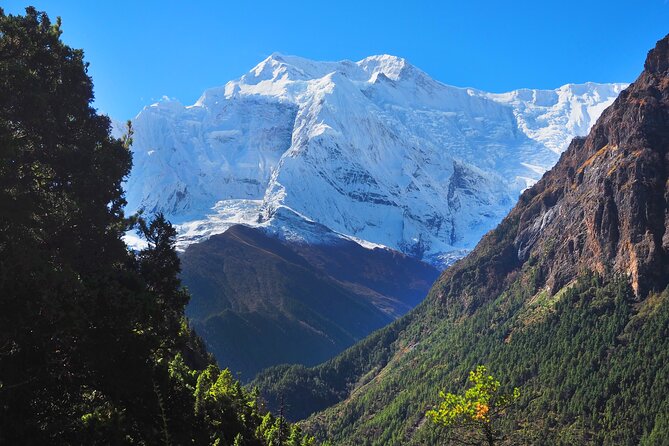
On the next day, you trek from Yak Kharka to Thorong High Camp at 4450m. The move takes around 4 hours, but it’s not the duration that matters—it’s that this is the key staging area for the Thorong La Pass effort.
This is where your trip becomes mentally different. The whole point of the shorter day is to get you into position for a very demanding early start the next morning. If you’ve ever rushed a big climb, you know how that backfires. Here, the plan gives you time to settle in, organize layers, and be ready.
What you’ll want to do practically at Thorong High Camp:
- Keep layers organized and accessible
- Eat and hydrate steadily (not only when you feel hungry)
- Trust your guide’s pacing approach, because the pass day is unforgiving
And this is where the guidance quality keeps showing up in the feedback. People praised guides such as Garap for adjusting equipment and pacing so they could complete the trek. That’s not a small thing. It can mean the difference between arriving tired-but-fine versus arriving wrecked.
Thorong La (5416m) to Muktinath and the Drive Toward Jomsom
The big day starts early with the ascent to Thorong La Pass at 5416m. Then you descend and reach Muktinath at around 3800m, and after that there’s a drive to Jomsom.
You should treat this day like a dedicated endurance event. Even with a guide and a plan, it’s still long and physically demanding. The fact that the route includes the pass, then transitions you to Muktinath and immediately moves you toward Jomsom by drive, is a thoughtful structure: it keeps the hardest part from turning into an all-day slog with no off-ramp.
The trip overview also notes a sacred Lord Vishnu Temple as part of the experience. If that’s something you care about, take it seriously—religious sites here often come with meaning that’s deeper than a quick photo stop.
Practical advice for the pass day: don’t try to set your own “hero pace.” Go with the pacing your guide recommends, especially if you feel any altitude symptoms. In the feedback, Sirgan was described as extremely helpful during altitude sickness—so you’ll want to be proactive about telling your guide early, not later.
Jomsom to Pokhara by Jeep: Closing the Circuit with a Real Change of Pace
On day eight, you ride from Jomsom to Pokhara by jeep, taking about 6 hours. This is a nice psychological reset after the pass day: your body gets a break from walking, and your eyes get a break from steep terrain.
Pokhara is also a practical end point for this type of trek. It’s where you can decompress, think about what you learned on the trail, and recover your sleep rhythm before heading back out.
One consideration: jeep time can still shake you up if you’re already tired. Stretch on breaks, keep warm, and plan your last evening around recovery rather than cramming in sightseeing.
Price and Inclusions: What $260 Buys You (and What You Still Need to Plan)
At $260 per person, the biggest value is not just the guide. It’s the fact that a lot of the “hidden friction” is included: permits, meals across the trek days, and coordinated transportation between key points.
Here’s what’s included based on the package details:
- Guide support (including insurance, salary, food, and accommodation)
- Permits for Annapurna Conservation Area and TIMS
- Shared transportation for transfers between your starting location and the trek route (Kathmandu to Besisahar to Chame, plus Jomsom to Pokhara)
- Meals: breakfast (7), lunch (7), dinner (7)
- Basic extras like some seasonal fruit, first aid medicine, and a trip certificate
- If you need them, sleeping bag and trekking poles are included
- Our government tax & official expenses and service charge are listed as included
- Mobile ticket is mentioned, and group discounts are available
What’s not included:
- Extra meals, tips for guide, travel insurance, and bar bills
How to judge value: if you were doing this independently, you’d likely spend time tracking permits and arranging transport while also juggling gear and meals. This package shifts that stress onto the organizer, which can be worth a lot when you have limited preparation time. One example from the feedback: someone said they didn’t have much time to prepare in Kathmandu, and their guide handled equipment and pacing so they could finish.
Bottom line on value: if you want a smooth, planned trekking experience without spending your vacation time chasing logistics, this looks like a solid deal.
Who This Annapurna Circuit Trek Fits Best (and Who Should Rethink)
This trek is best for people with moderate physical fitness who want a structured route with a private guide and a clear approach to acclimatization. It’s also well-suited if you’d rather spend energy on the hike than on navigation, permits, and transport coordination.
It may not be the right choice if you:
- hate early mornings (the pass day requires starting early)
- want a trip that feels fully independent
- are trying to avoid altitude challenges at any cost
Also note the trip explicitly asks you to consult a doctor for health-related issues. That’s not a formality. With Thorong La involved, you should treat altitude seriously and plan conservatively.
What the Best Guides Do Here (Humor, Pace, and Real Help When It Counts)
Across the feedback, a few guide qualities show up again and again:
- Humor and local-culture context: guides like Sobit and Sirjan were praised for making days easier to manage and sharing knowledge that made the trail feel alive.
- Practical equipment and pacing adjustments: Garap was credited with adjusting equipment and pacing so a first-time trekker could complete the route.
- Support during altitude sickness: Sirgan was highlighted for being extremely helpful when altitude sickness hit, and for the guidance that kept the trek going.
- Overall planning confidence: Ramesh and others were praised for handling food, accommodation, and transport well so trekkers could focus on walking.
Even if you’re a confident walker, this kind of support matters. It reduces the number of moments where you question yourself. And on the Annapurna Circuit, fewer self-doubts usually means better pacing and better decisions.
Should You Book This Annapurna Circuit Trek with Pickup?
I’d book this if you want an organized private guided Annapurna Circuit with permits handled, meals covered, and a clear acclimatization and pass plan. The value is strongest if you prefer not spending days arranging gear, permits, and transfers while you could be resting and preparing your body.
I’d think twice if you’re very price-sensitive and already plan to do permits and transport yourself, or if you know you’re highly sensitive to altitude and want the freedom of changing routes at a moment’s notice. Also, because weather matters and the pass is the centerpiece, you need flexibility.
If you do book, go in with a simple mindset: communicate early about how you’re feeling, trust the guide’s pacing, and treat the Manang rest day as part of the trek—not a break you can ignore.
FAQ
What does the tour cost, and how long is it?
The tour is $260.00 per person and lasts about 8 days.
Where does the trek start?
It starts in Kathmandu, Nepal, with pickup offered. The program then moves by road/jeep toward Besisahar and Chame.
What’s included in the price?
Includes a guide with insurance, food, and accommodation; Annapurna Conservation Area permit and TIMS card; listed meals (7 breakfasts, 7 lunches, 7 dinners); shared transportation for transfers (Kathmandu to Besisahar to Chame and Jomsom to Pokhara); first aid medicine; trip certificate; and some seasonal fruit. If you need them, trekking poles and a sleeping bag are included.
What isn’t included?
Not included are extra meals, tips for the guide, travel insurance, and bar bills.
Is it private or group-based?
It’s described as a private tour/activity, meaning only your group participates.
Do I need a certain fitness level?
The info says travelers should have a moderate physical fitness level, and for health-related issues you should consult with a doctor.
What is the cancellation and weather policy?
You can cancel for a full refund if you cancel at least 24 hours in advance. The experience requires good weather, and if it’s canceled due to poor weather, you’ll be offered a different date or a full refund.
Private Days, Your Group Only

Simpler With a Local Guide
More Tour Reviews in Kathmandu
Just Reviewed in Kathmandu
- Mountain Bike Tour
★ 5.0 · 3 reviews - Annapurna Panaroma
★ 5.0 · 3 reviews - Mount Everest Scenic Flight 50 Minutes
★ 5.0 · 3 reviews - Kathmandu : Swambhunath & Durbar Square Guided Half Day Tour
★ 3.3 · 3 reviews - Chandragiri Cable Car & Monkey Temple Tour – Private/Group
★ 5.0 · 3 reviews - Kathmandu: Shivapuri National Park Hiking Day Trip
★ 3.3 · 3 reviews
Annapurna Circuit Treks, compared.
 ★ 5.0Annapurna Circuit Trek with Tilicho LakeFrom $1,093368 reviews
 ★ 5.0Annapurna Circuit TrekFrom $1,17594 reviews
★ 5.0Annapurna Circuit TrekFrom $2,24067 reviews
★ 5.0Annapurna Circuit TrekFrom $1,07449 reviews
★ 5.0Annapurna Circuit TrekFrom $1,35046 reviews
★ 5.0Annapurna circuit TrekFrom $99835 reviews
★ 5.0Annapurna Circuit TrekFrom $1,15035 reviews
★ 5.0Annapurna Circuit TrekFrom $97534 reviews
★ 5.0Annapurna Circuit TrekFrom $1,17594 reviews
★ 5.0Annapurna Circuit TrekFrom $2,24067 reviews
★ 5.0Annapurna Circuit TrekFrom $1,07449 reviews
★ 5.0Annapurna Circuit TrekFrom $1,35046 reviews
★ 5.0Annapurna circuit TrekFrom $99835 reviews
★ 5.0Annapurna Circuit TrekFrom $1,15035 reviews
★ 5.0Annapurna Circuit TrekFrom $97534 reviews
Browse the lists this tour appears in